en
en
 عربى
عربى

Content
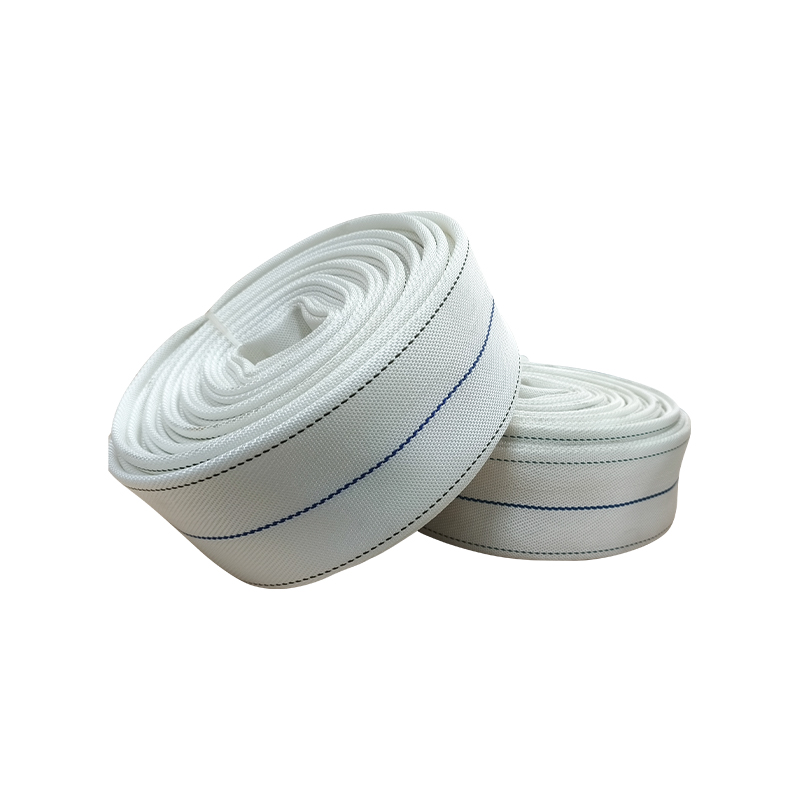
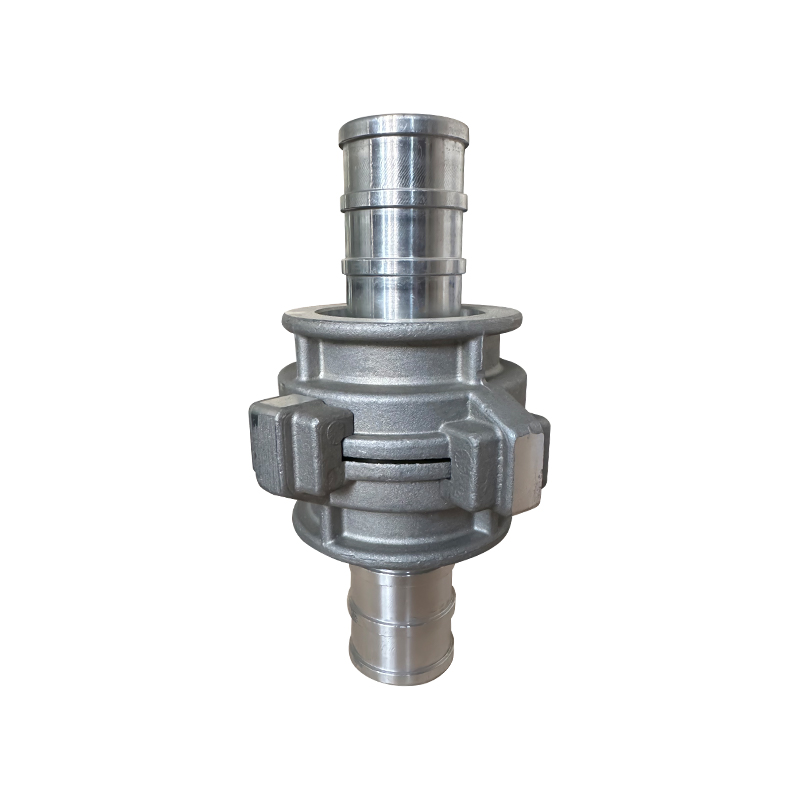
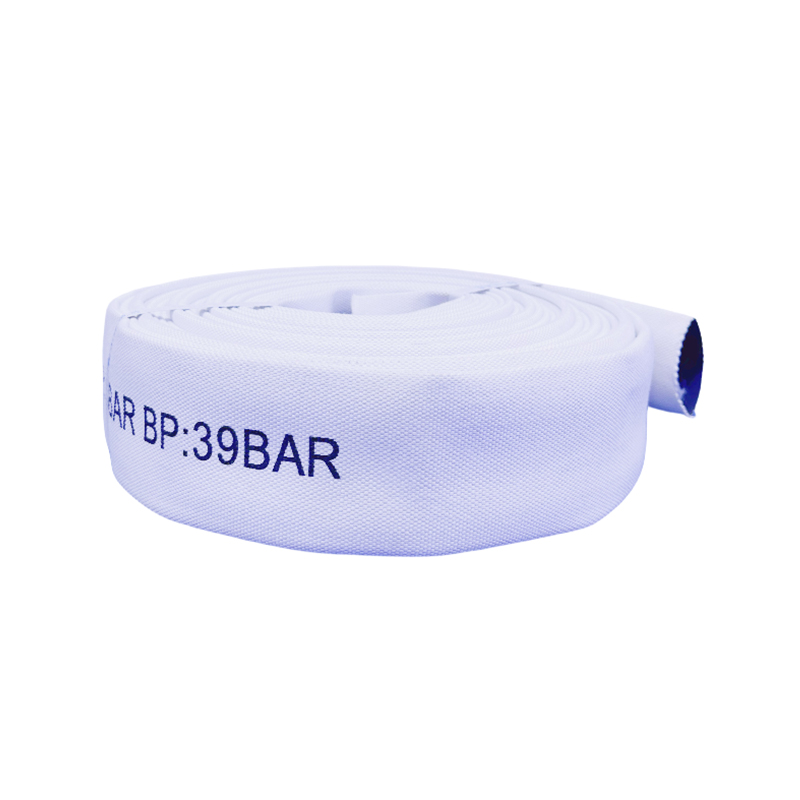
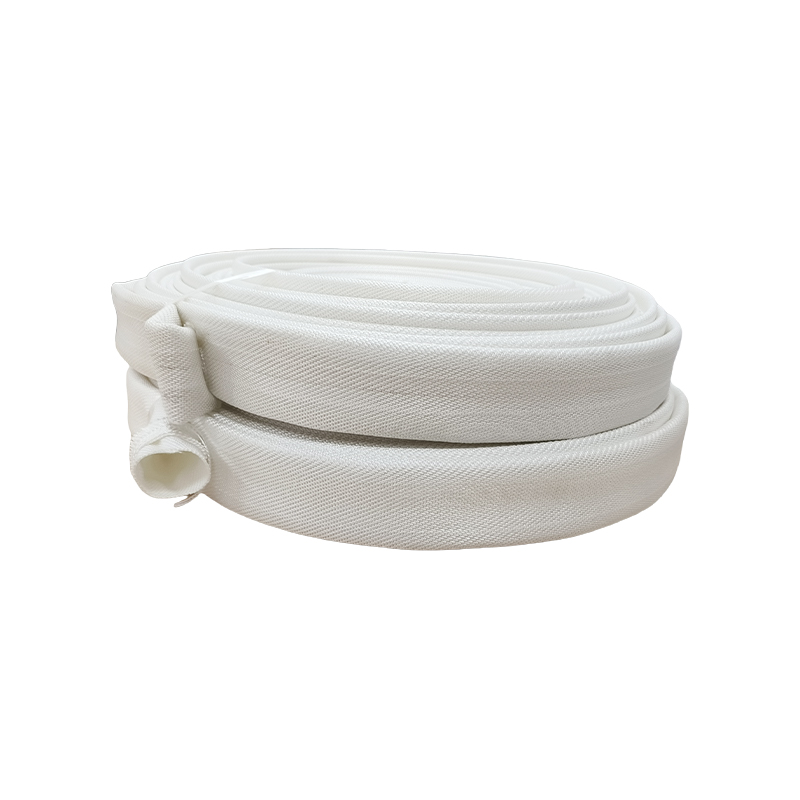
Taizhou Jun'an Fire Technology Co., Ltd., strategically located near the Shanghai trading hub, is a specialized manufacturer of advanced fire hoses, emergency rescue equipment, and agricultural fluid transfer systems. Our engineering team focuses on the design and fabrication of rubber, PVC, and PU lined solutions, integrating modern production equipment with professional management standards. By absorbing the technical advantages of global firefighting benchmarks, we provide robust OEM and ODM services for various industrial sectors. For high-risk environments, the EPDM Lined Fire Hose serves as a critical component. Unlike standard PVC options, the Ethylene Propylene Diene Monomer (EPDM) matrix offers unique molecular stability, making it essential for specific heavy-duty deployments where thermal and chemical stressors are prevalent.
Molecular Stability and Ozone Resistance in Petrochemical Environments
The primary advantage of Why use EPDM lining for industrial hoses is its saturated polymer backbone, which provides exceptional resistance to environmental degradation. In petrochemical facilities, ozone resistance of EPDM fire hoses is a mandatory requirement to prevent cracking under the high atmospheric ozone concentrations common near electrical generators and industrial motors. How EPDM handles oxidative stress involves its ability to maintain a 500 percent elongation at break even after prolonged exposure to localized pollutants. For a heavy-duty EPDM Lined Fire Hose, the interior surface remains smooth (Ra surface finish < 1.6 um), minimizing friction loss during high-flow operations. This durability of EPDM vs PVC liners ensures that the hose does not become brittle in outdoor storage, maintaining its flexibility at low temperatures down to -40°C.
[Technical cross-section image showing the EPDM liner bonded to the high-tenacity polyester jacket]
Chemical Compatibility and Solvent Resistance Standards
When analyzing What chemicals are compatible with EPDM liners, engineers focus on the material's polar nature. EPDM exhibits superior resistance to phosphate ester-based hydraulic fluids, ketones, and alcohols. In chemical processing plants, a chemical resistant EPDM fire hose is often the only viable solution for emergency washdown or fire suppression where alkaline or acidic runoff is present. Why EPDM is preferred for saltwater fire systems relates to its immunity to brine-induced corrosion and mineral scaling. To ensure the tensile strength of reinforced fire hoses, Jun'an Fire utilizes a 100 percent high-tenacity polyester filament jacket. This reinforcement allows the EPDM Lined Fire Hose to maintain a working pressure of 2.0 MPa to 3.0 MPa, with a safety factor of 3:1 relative to its burst pressure, as verified by ASTM D380 testing protocols.
Thermal Stability and High-Temperature Deployment
Thermal degradation is a major failure mode in standard firefighting equipment. How heat resistant is an EPDM fire hose? Standard EPDM formulations can withstand continuous fluid temperatures of 120°C and intermittent spikes up to 150°C without delamination from the textile jacket. In heavy-duty mining fire hose applications, where hot slurry or steam might be encountered, the thermal aging properties of EPDM ensure that the liner does not melt or fuse, which would otherwise obstruct the waterway. The adhesion strength of EPDM to polyester jackets is achieved through specialized vulcanization processes, ensuring a peel strength exceeding 50 N/25mm. This prevents the liner from collapsing under vacuum or delaminating during rapid pressure fluctuations in emergency rescue operations.
| Technical Parameter | PVC Lined Hose | EPDM Lined Fire Hose |
| Service Temperature Range (°C) | -10 to +50 | -40 to +120 |
| Ozone/Weathering Resistance | Moderate (Prone to cracking) | Excellent (Saturated backbone) |
| Abrasion Resistance (Cycles) | 10,000 | > 25,000 (ASTM D3389) |
| Chemical Resistance (Acids/Bases) | Poor to Moderate | High (Polar fluids) |
| Liner Flexibility Index | High stiffness in cold | Constant flexibility |
Mechanical Integrity in Harsh Agricultural and Construction Sites
Beyond firefighting, the agricultural use of EPDM lined hoses has expanded due to the material's resistance to liquid fertilizers and pesticides. What is the lifespan of EPDM fire hoses in construction zones? When subjected to mechanical dragging over abrasive concrete or gravel, the EPDM Lined Fire Hose benefits from a double-jacket option or a high-density weave that protects the internal liner from punctures. Jun'an Fire provides first-class equipment with professional after-sales service to ensure long-term EPDM hose maintenance and reliability. By utilizing UV stabilized EPDM formulations, we provide industrial fluid transfer solutions that resist the bleaching and micro-cracking common in tropical or high-altitude environments, ensuring that the high-quality fire equipment we deliver remains operational under the most rigorous field conditions.
Industrial Hardcore FAQ
Q1: Is an EPDM lined hose suitable for oil-based fuel transfer?
A1: No. EPDM is a non-polar-solvent-resistant elastomer. It will swell and degrade quickly if exposed to petroleum-based oils, gasoline, or diesel. For those applications, a Nitrile (NBR) lined hose is required.
Q2: Why does EPDM have a better "shelf life" than rubber or PVC?
A2: EPDM is a synthetic rubber with a saturated polymer chain. This means it has no "double bonds" for oxygen or ozone to attack, effectively preventing the "dry rot" that limits the storage life of natural rubber products.
Q3: Can these hoses be used for potable (drinking) water?
A3: Only if specifically certified. While EPDM is generally safe, fire hoses often contain residual chemicals from the vulcanization or the jacket treatment. Potable water requires specific food-grade liner certifications.
Q4: What is the benefit of the "semi-rigid" design for EPDM hoses?
A4: Semi-rigid hoses maintain their circular cross-section even when not pressurized. This allows for immediate water discharge without the need to fully unreel the hose, saving critical seconds in emergency response.
Q5: How does Jun'an Fire verify the bonding between the liner and the jacket?
A5: We perform a standard "Peel Test" where a strip of the liner is pulled away from the jacket at a constant rate. We require the bonding force to exceed 50 N per 25mm width to ensure no delamination occurs at high pressure.
Technical References
- NFPA 1961: Standard on Fire Hose (Technical specifications for construction and testing).
- ASTM D380: Standard Test Methods for Rubber Hose.
- ISO 14557: Fire-fighting hoses — Rubber and plastics suction hoses and hose assemblies.