

 en
en
 عربى
عربى
Light weight, good elasticity, low resistance to water flow, easy to coil. This canvas lay...
This product is a 4-inch special mining ...

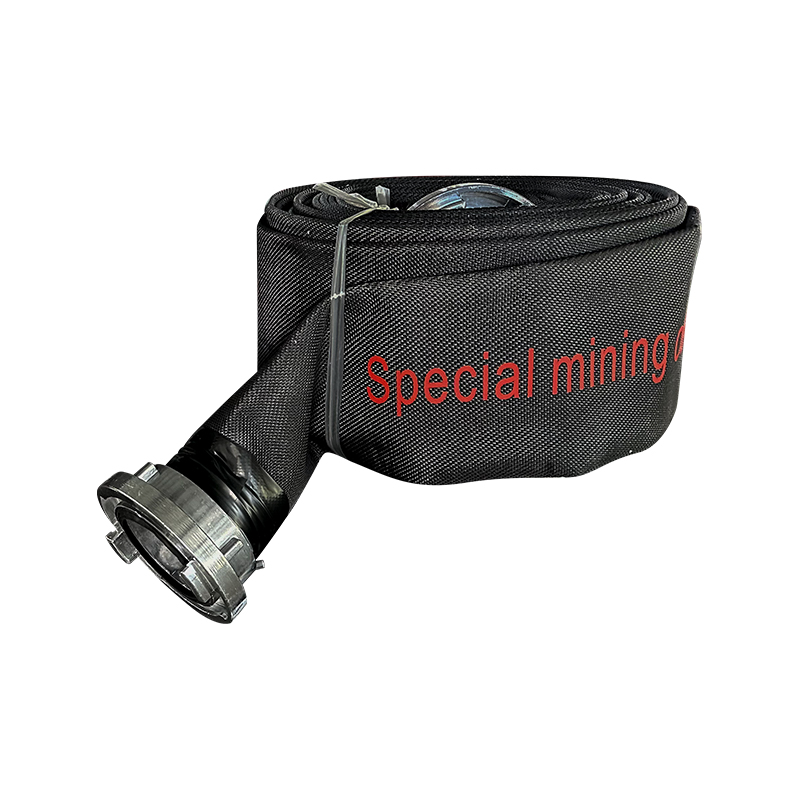
This product is a 4-inch special mining ...
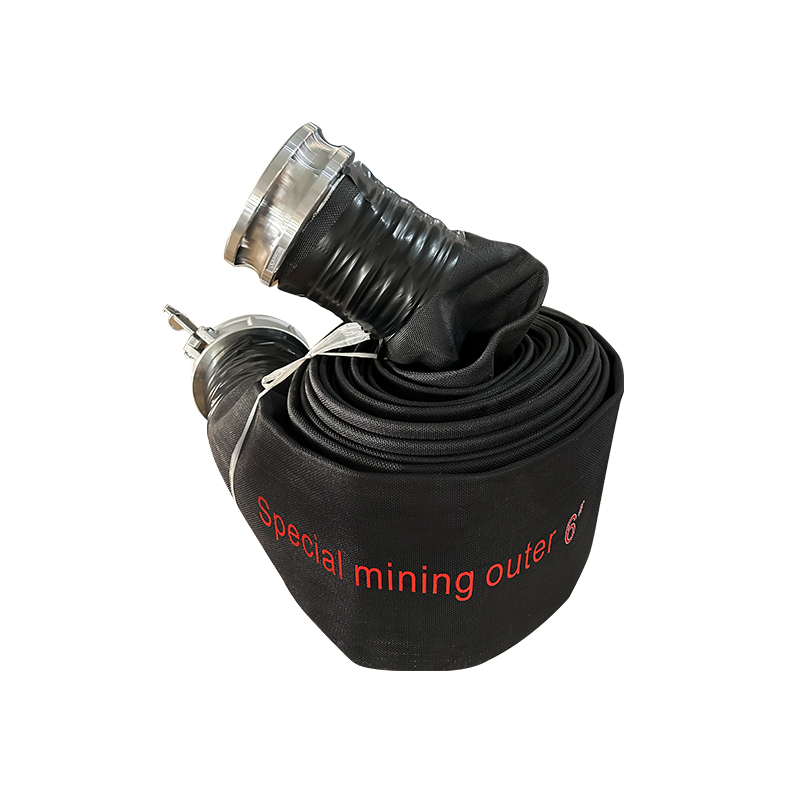
6-Inch Mining Flat Hose with Storz Conne...
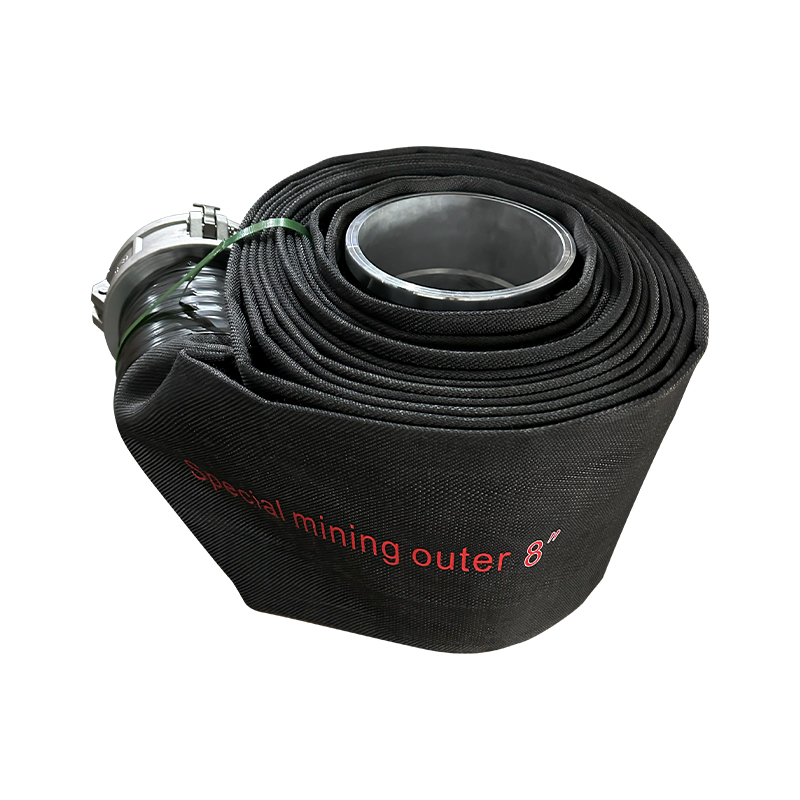
8-Inch Mining Flat Hose with Storz Conne...
Characteristics: Lightweight, good elasticity, low resistance to water flow, easy to coil Application: fire fighting, ships, petroleum, chemical industry, agriculture, mining, and so on.
Color: White, can also be dyed yellow or red, or customized color according to customer's requirements.
Production Standard: GB6246, MED, EN14540, FM, UL.
Standard Length: 10M to 30M
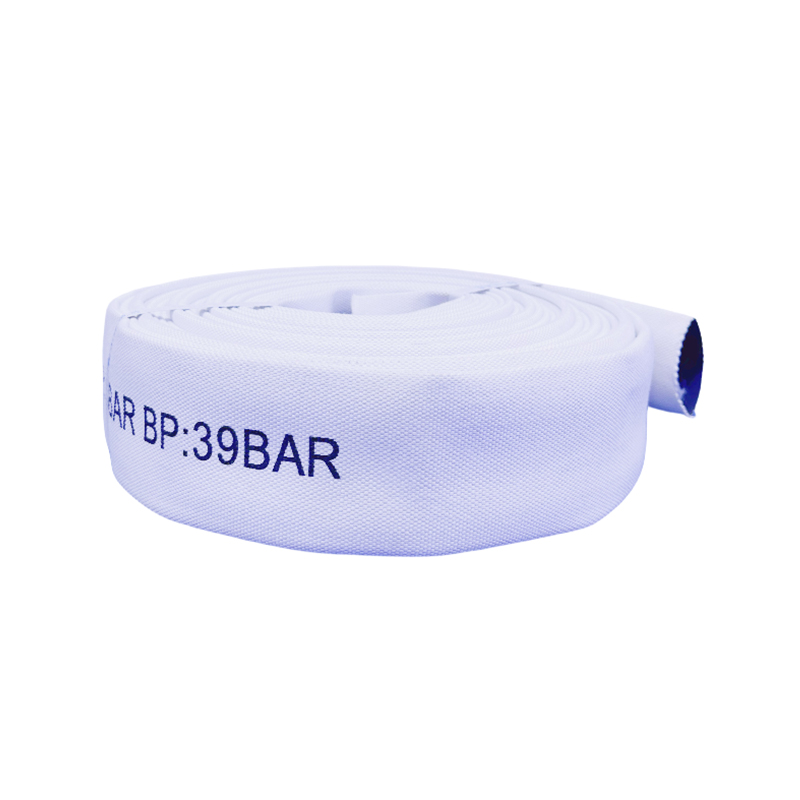
Light weight, good elasticity, low resistance to water flow, easy to coil. This canvas lay...
On a remote mining site, a 6-inch dewatering hose starts blistering between its liner and jacket within the first week of servic...
READ MOREWhy OEM Buyers Should Care About PVC Flat Hose Manufacturing A procurement manager in Europe once asked us to replace a failed PV...
READ MOREPVC flat hose pipes are everywhere on job sites. You may have coiled them on a fire truck, laid them across a field for irrigatio...
READ MOREA copper mine in northern Chile lost a 6-inch water line twice in one season because the stock layflat hose was built for irriga...
READ MOREField failures in PVC flat hose are rarely mysterious. A layer separates, a pinhole leaks, or a burst occurs at a fraction of the...
READ MOREAs a PVC Layflat Hose Manufacturers, we match product configuration to the application, operating limits, interfaces and acceptance criteria defined for each project.
Taizhou Jun'an Fire Technology Co., Ltd. is a specialized PVC Layflat Hose manufacturer and supplier based in Taizhou, Jiangsu, China, near Shanghai. We design and produce PVC-lined layflat hoses for firefighting, agricultural irrigation, industrial water transfer, and mining dewatering applications. Our range includes diameters from 1" to 6", with working pressures up to 25 bar, and we support OEM/ODM customization to meet your project specifications.
As a direct factory, we control every stage from raw material selection to final testing. Our hoses feature a high-tenacity polyester canvas jacket and a smooth PVC inner lining, balancing lightweight handling with durability. Whether you need a standard 30-meter length or a custom 200-meter reel, we can configure the hose to your operational requirements.
We offer a complete line of PVC layflat hoses designed for different duty cycles and environments. The table below outlines the key specifications and typical uses:
| Diameter | Working Pressure | Burst Pressure | Typical Applications |
|---|---|---|---|
| 1" (25mm) | 13-25 bar | 39-75 bar | Firefighting, high-pressure washing |
| 1.5" - 3" (38-75mm) | 8-25 bar | 24-75 bar | Agricultural irrigation, municipal fire |
| 4" (102mm) | 8-25 bar | 24-48 bar | Industrial water transfer, dewatering |
| 5" - 6" (127-152mm) | 8-25 bar | 24-39 bar | Mining, large-scale irrigation |
Standard lengths range from 10 to 30 meters, but we can produce up to 200 meters per length for bulk transfer applications. Custom colors, including yellow, red, or your brand color, are available on request.
Our PVC layflat hoses are built with three layers:
This construction makes the hose lightweight (typically 30-50% lighter than rubber hoses), easy to coil, and quick to deploy—critical for firefighting and emergency response. The smooth PVC lining also prevents internal buildup, reducing maintenance and extending service life.
Choosing the right PVC layflat hose depends on your working pressure, fluid type, and environmental conditions. Our hoses are suitable for:
If your application involves oil, extreme temperatures, or higher pressure, consider our TPU Layflat Hose or EPDM Layflat Hose options, which offer enhanced chemical and temperature resistance.
We understand that off-the-shelf hoses don't always fit your exact needs. As a flexible manufacturer, we provide:
Our OEM/ODM process includes consultation, prototyping, and mass production, ensuring the final product meets your exact specifications.
Quality is built into every hose. We implement strict controls from incoming raw materials to final inspection:
We also provide test certificates with shipments, giving you confidence in the product's performance.
To prepare an accurate quotation and sample, please provide the following details:
With this information, we can recommend the optimal hose construction and provide a detailed proposal.
Proper installation and care extend hose life. We provide guidelines with each order:
Our team provides after-sales support, including technical advice and spare parts for couplings. We are committed to long-term partnerships.
Our MOQ is typically 500 meters per size, but we can discuss smaller trial orders for sample evaluation. For standard sizes, we may have stock available.
Yes, we can fit Storz, NH, or other couplings at our factory. Please specify the coupling type and standard required for your region.
Consider your pump's maximum output and the hose length. Higher pressure ratings provide a safety margin. Our technical team can help you calculate the right specification.
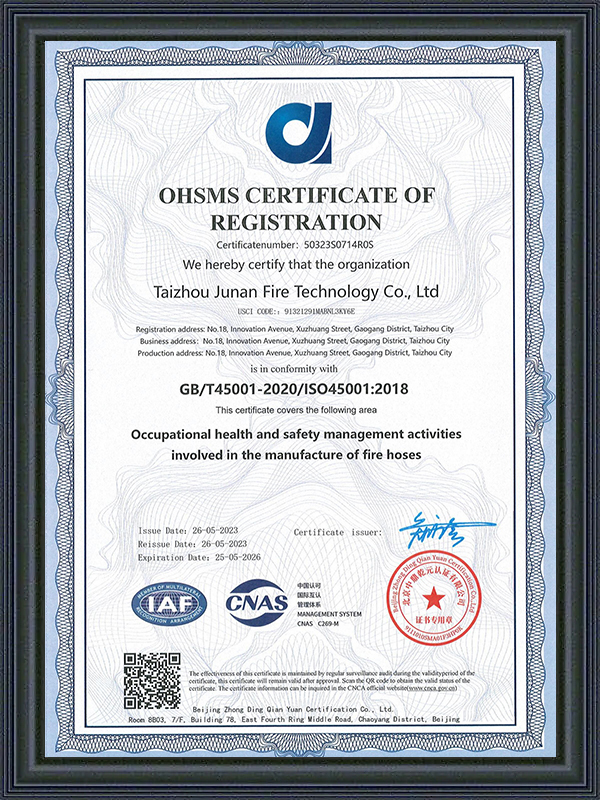
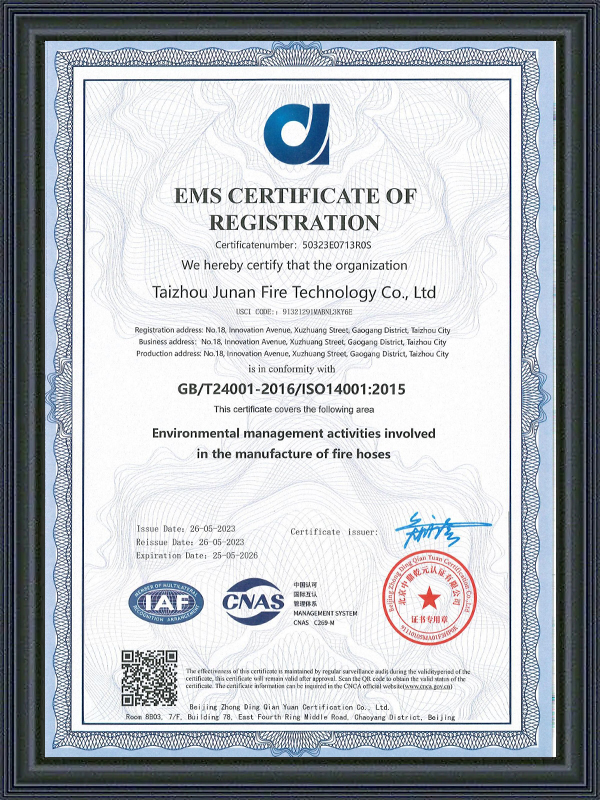
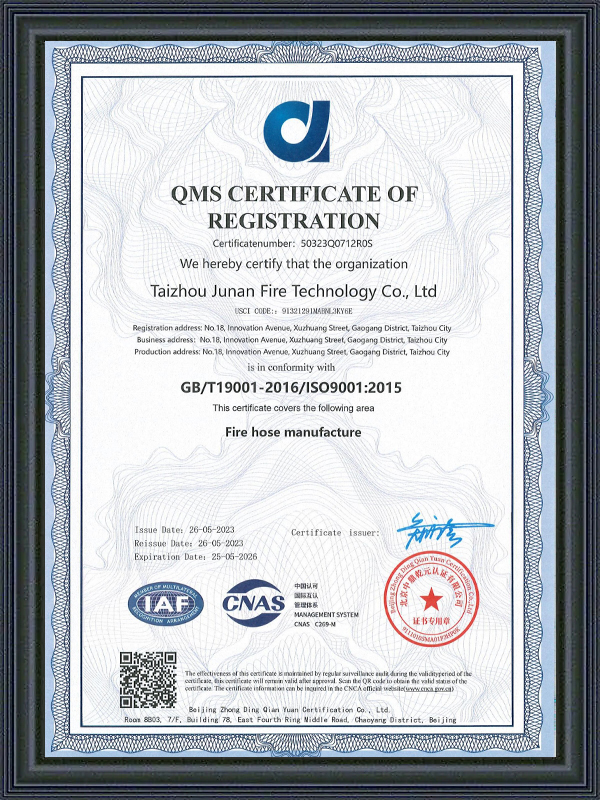
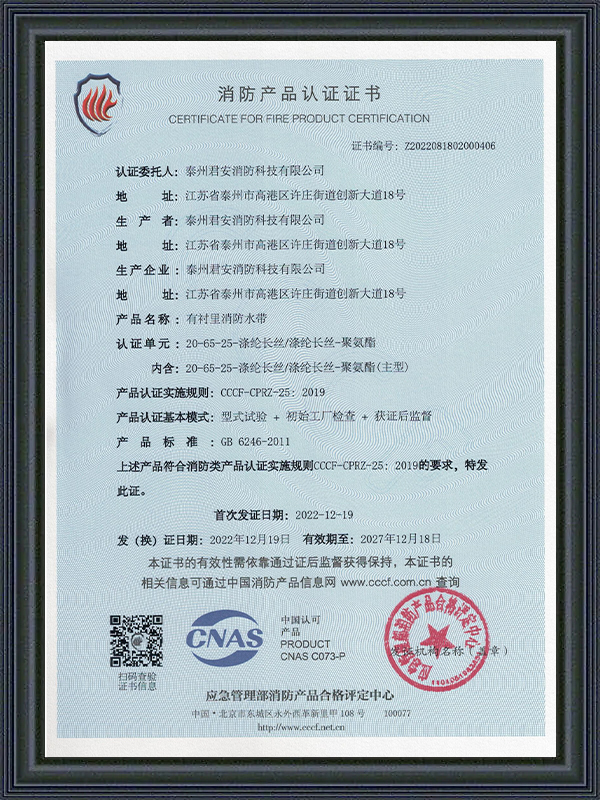
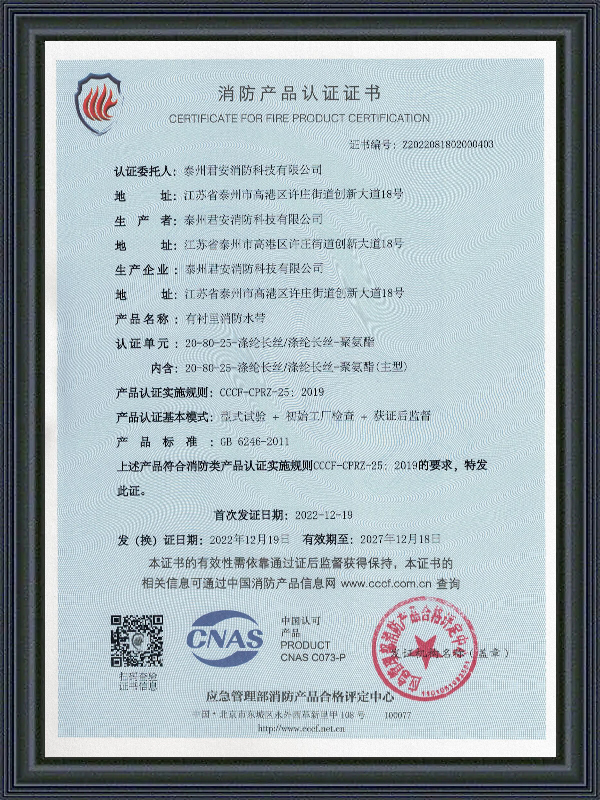
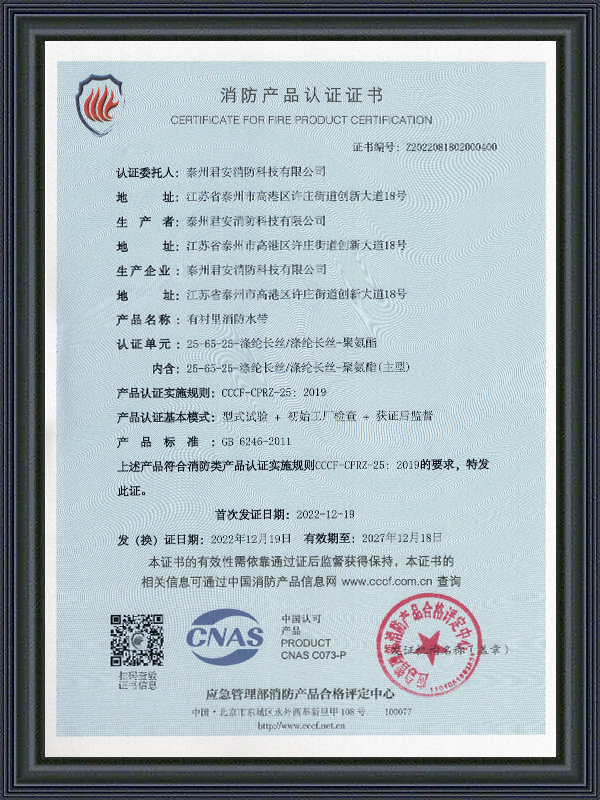
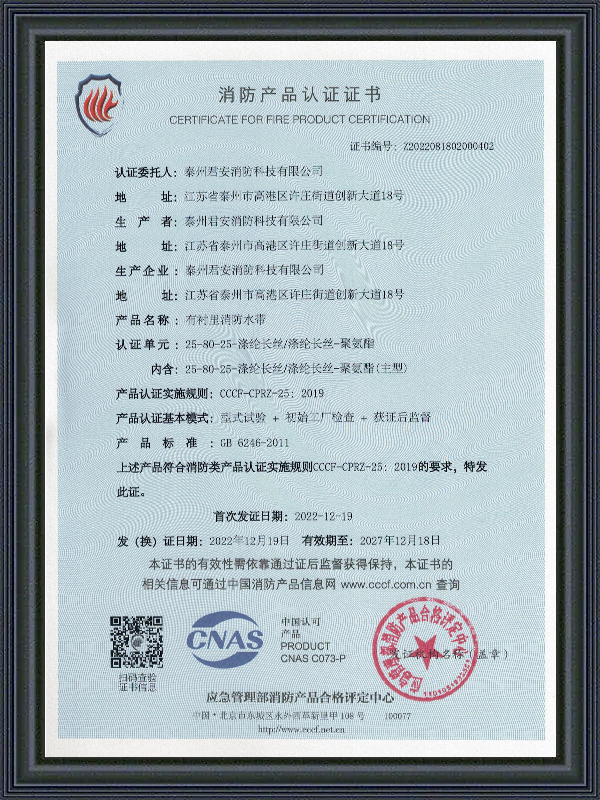
Our hoses are manufactured to meet GB6246, EN14540, FM, and UL standards, depending on the model. We can provide certificates upon request.
Yes, we can produce samples for your testing and approval. Sample costs are usually deducted from the final order.
For standard products, lead time is 15-30 days after order confirmation. Custom orders may take longer depending on specifications.
 Tel: +86-13775666113
 E-mail: [email protected]
 Add: 18 Innovation Avenue, Gaogang District,Taizhou City, Jiangsu Province, China.
Copyright © by Taizhou Jun'an Fire Technology Co., Ltd. Rights Reserved.
Custom PVC Layflat Hose Manufacturers

