en
 عربى

Content
- 1 What Defines a Layflat Hose for Wholesale Buyers
- 2 Critical Parameters That Drive Bulk Procurement Decisions
- 3 Liner Material Comparison for Wholesale Supply
- 4 EPDM and Natural Rubber for Specialized Applications
- 5 Coil Size, Weight, and Container Logistics
- 6 Quality Control and Inspection Before Shipment
- 7 MOQ, Pricing, and Lead Time Expectations
- 8 Frequently Asked Questions
A 20-foot container holds about 31,000 meters of 2-inch PVC layflat hose in 30-meter coils. At 0.35 kg/m, that load weighs roughly 10,850 kg, leaving the 28,000 kg payload limit far from exhausted. Container volume, not weight, is the binding constraint in bulk layflat hose shipping. Taizhou Jun'an Fire Technology Co., Ltd., a Chinese manufacturer of fire and industrial hoses, builds layflat hoses in PVC, TPU, EPDM, and natural rubber linings for export markets including Germany, the United States, and Denmark. This guide covers the exact specifications procurement managers confirm before signing a bulk order.
What Defines a Layflat Hose for Wholesale Buyers
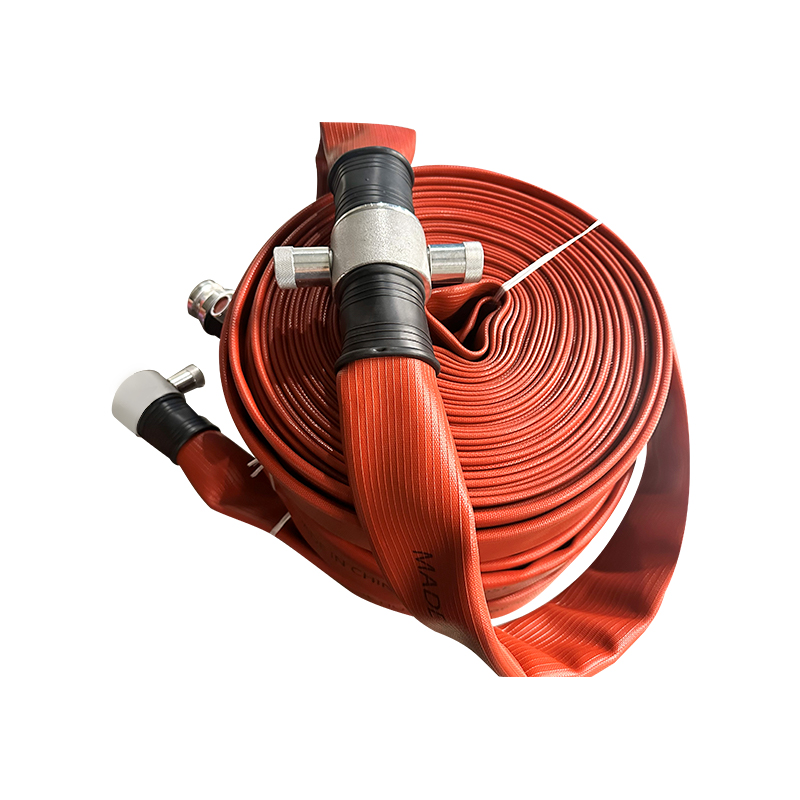
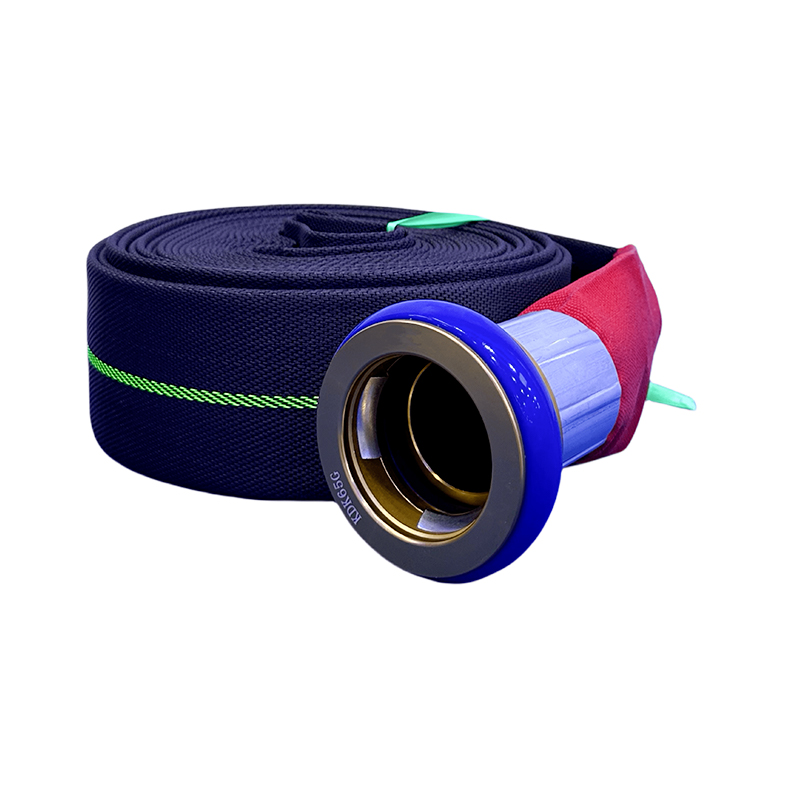
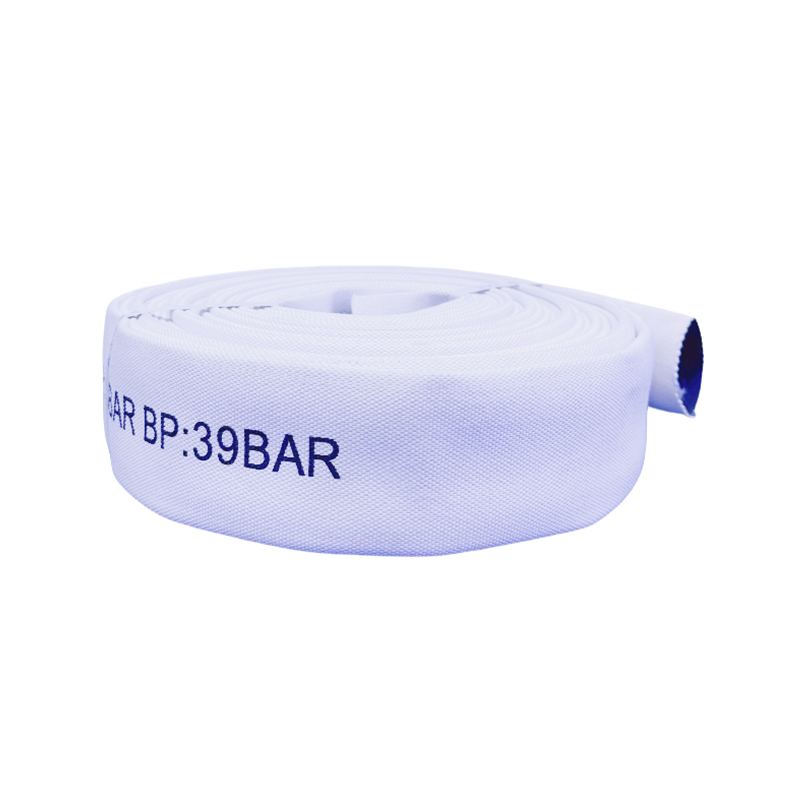
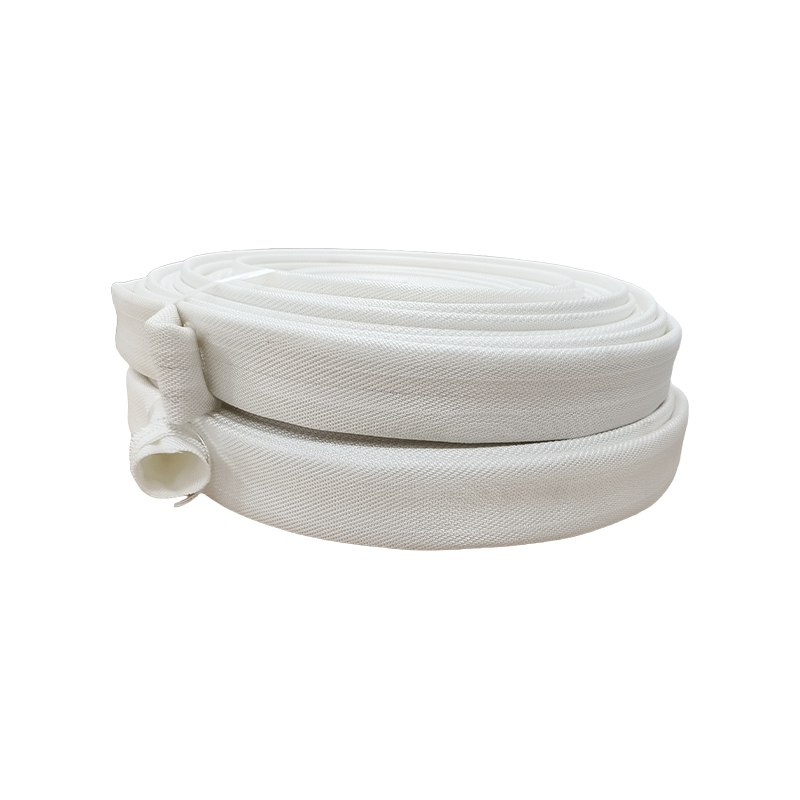
A layflat hose is a flexible, collapsible discharge hose made of a synthetic textile jacket bonded to an inner liner tube, designed to flatten and roll for compact storage and transport.
For wholesale purchasing, the product is not a single SKU but a parameter matrix. Each parameter changes manufacturing cost, shipping cost, and field performance. Buyers who treat layflat hoses as interchangeable stand a worse chance of hitting performance targets.
Six parameters that matter in bulk sourcing
- Nominal diameter in inches or millimeters
- Working and burst pressure ratings in bar or psi
- Liner material: PVC, TPU, EPDM, or natural rubber
- Coupling standard: Storz, Camlock, American, GOST, or Machino
- Coil length and coil diameter
- Unit weight per meter
Core definition for buyers: the working pressure is the maximum continuous operating pressure, while the burst pressure is the pressure at which the hose fails. A safe burst-to-working ratio is at least 3:1.
Critical Parameters That Drive Bulk Procurement Decisions
Six parameters determine a layflat hose's fit for bulk procurement: nominal diameter, working pressure, liner material, coupling standard, coil length, and unit weight per meter.
Diameter governs flow rate. A 2-inch hose at 10 bar delivers about 140 liters per minute over a 50-meter run, while a 4-inch hose at the same pressure moves roughly 560 liters per minute. But larger diameters take more freight space and require heavier couplings, so the flow gain comes with a logistics penalty.
| Nominal diameter | Working pressure | Burst pressure | Weight per meter |
| 2 in / DN50 | 8-10 bar | 24-30 bar | 0.35-0.45 kg |
| 3 in / DN75 | 6-8 bar | 18-24 bar | 0.55-0.70 kg |
| 4 in / DN100 | 6-10 bar | 18-30 bar | 0.85-1.10 kg |
| 6 in / DN150 | 4-8 bar | 12-24 bar | 1.50-1.90 kg |
For a detailed diameter-by-diameter breakdown, read this PVC layflat hose sizing guide.
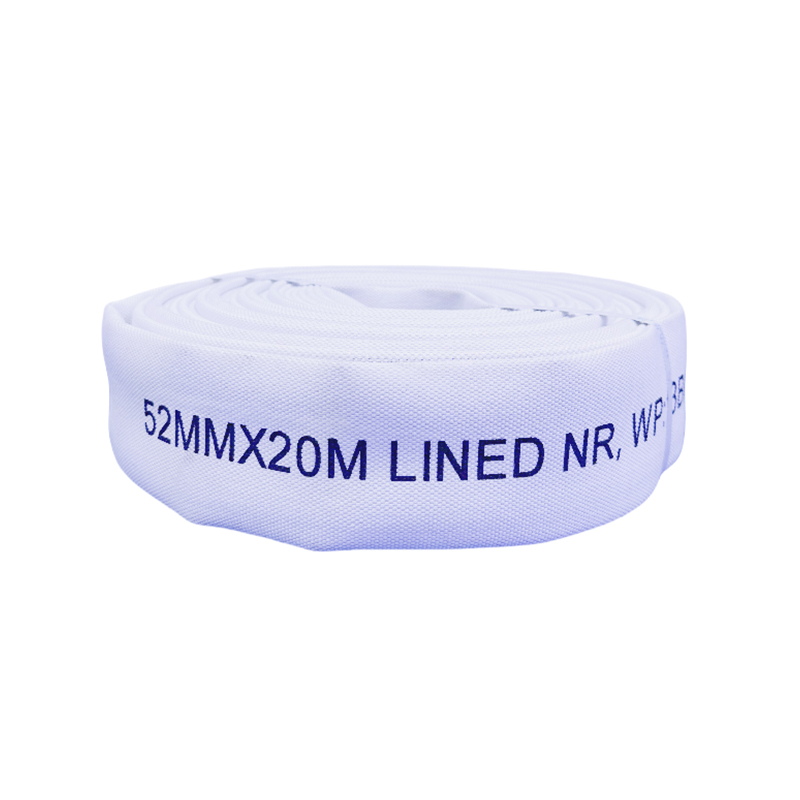 Canvas Hose with PVC Lining for Fire and Agricultural UseThis layflat hose combines a polyester jacket with a smooth PVC liner to reduce friction and support efficient water delivery across 1-6 inch sizes, making it suitable for firefighting and irrigation where lightweight and quick deployment are needed.View Product →
Liner Material Comparison for Wholesale Supply
The liner material determines how a layflat hose performs across chemical exposure, abrasion, weather aging, and pressure cycles.
PVC liners are the most cost-effective solution for irrigation and general industrial water transfer, but they show the fastest UV aging when left in direct sunlight. TPU liners deliver higher abrasion resistance and better low-temperature flexibility, which makes them the choice for mining dewatering and shale gas transfer. EPDM offers excellent ozone and heat resistance and is preferred for firefighting and chemical-heavy duty applications.
PVC liner
- Lowest unit cost, typically 30-40 percent below TPU
- Flexible and easy to roll at moderate temperatures
- Moderate abrasion resistance
- Not recommended for continuous sunlight exposure
TPU liner
- Highest abrasion resistance among common liners
- Retains flexibility at low temperatures down to -30 C
- Weighs about 15 percent more per meter than PVC
- Higher initial investment, lower replacement cycle cost
| Property | PVC | TPU | EPDM | Natural rubber |
| Abrasion resistance | Moderate | High | Moderate | High |
| Ozone and UV resistance | Low | Moderate | High | Moderate |
| Low temperature flexibility | Moderate | High | Moderate | High |
| Relative cost per meter | 1.0 x | 1.4-1.6 x | 1.3-1.5 x | 1.2-1.4 x |
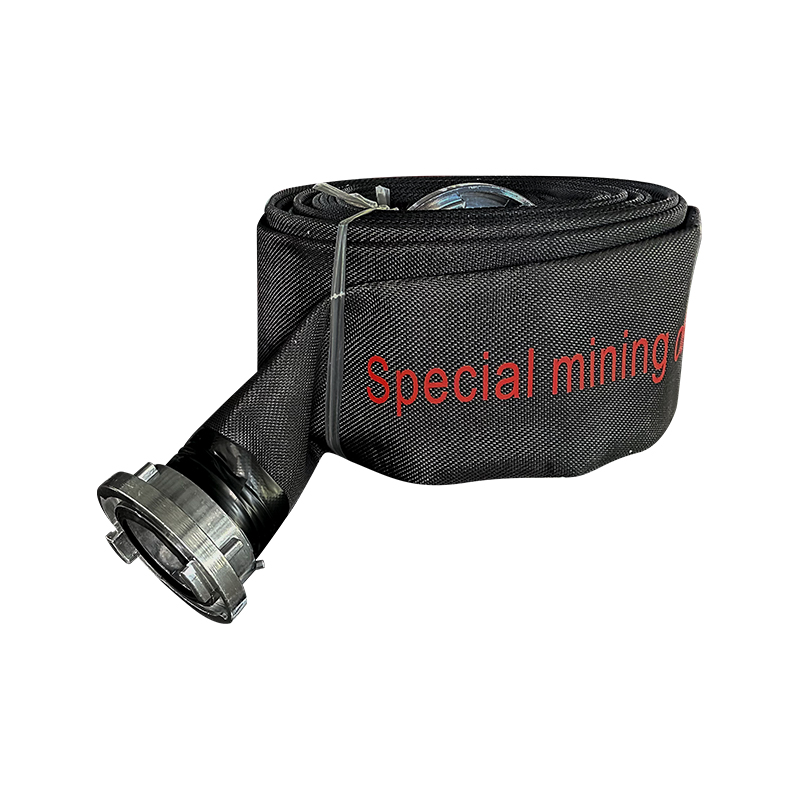
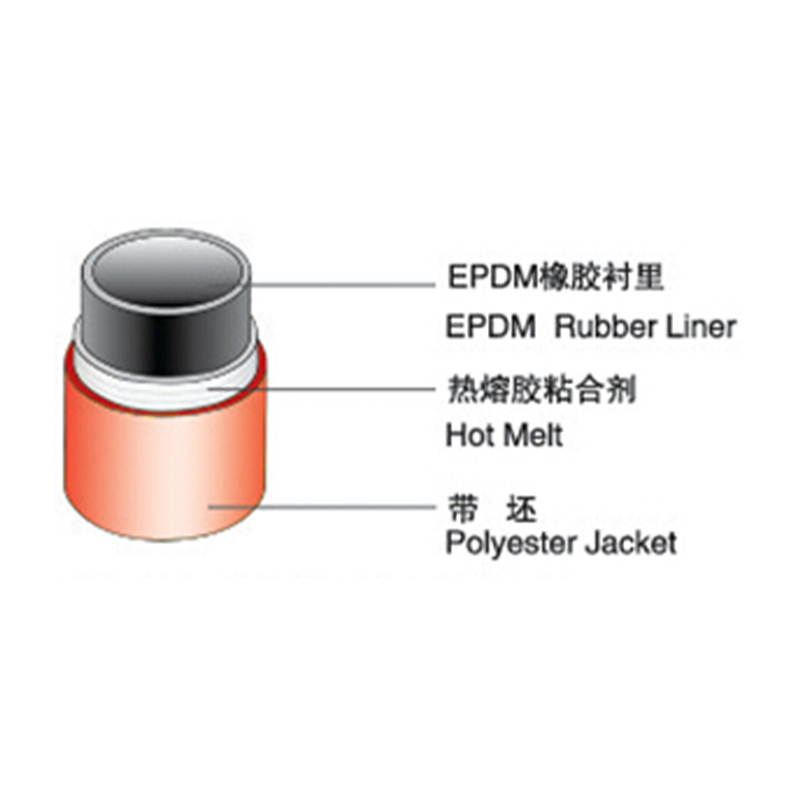 Heavy-Duty TPU Layflat Hose for Abrasion-Resistant Water TransferBuilt with a through-the-weave TPU construction, this hose offers high strength-to-weight ratio and abrasion resistance, making it ideal for mining dewatering and industrial applications where PVC may fail under tough conditions.View Product →
EPDM and Natural Rubber for Specialized Applications
EPDM and natural rubber liners justify their higher unit cost when the application demands chemical resistance, high temperature stability, or extreme abrasion that PVC and TPU cannot deliver.
EPDM lining is the preferred choice for firefighting hose because it resists ozone, UV, and heat aging far better than PVC. Natural rubber lining wins in mining and wastewater pumping where abrasive slurries wear through softer liners quickly.
- EPDM: firefighting, chemical transfer, hot water discharge
- Natural rubber: mining dewatering, abrasive slurry handling
- EPDM: outdoor storage without UV degradation worries
- Natural rubber: high flex fatigue life under repeated pressure cycles
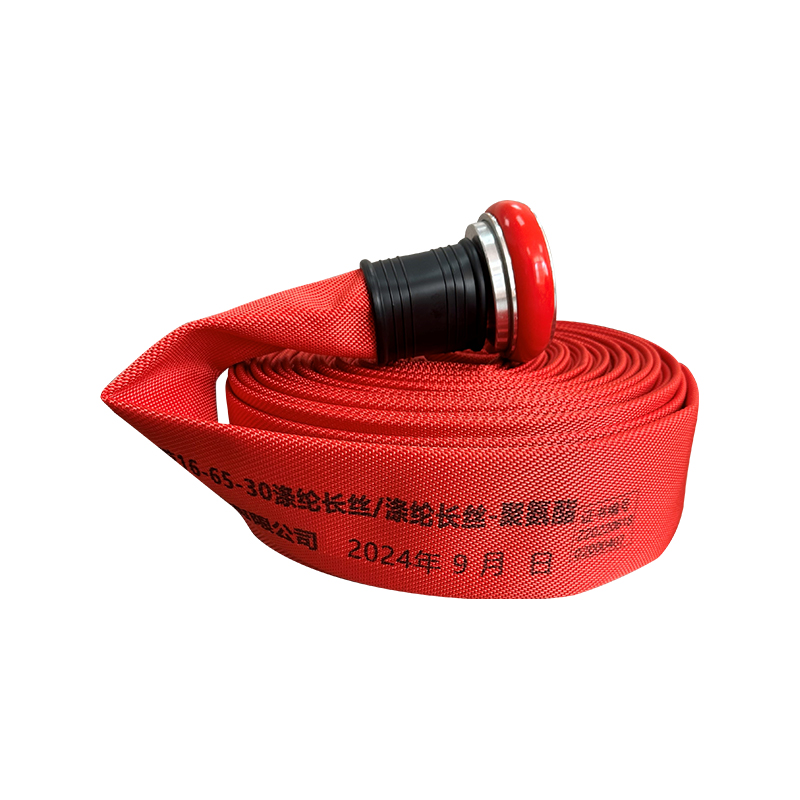
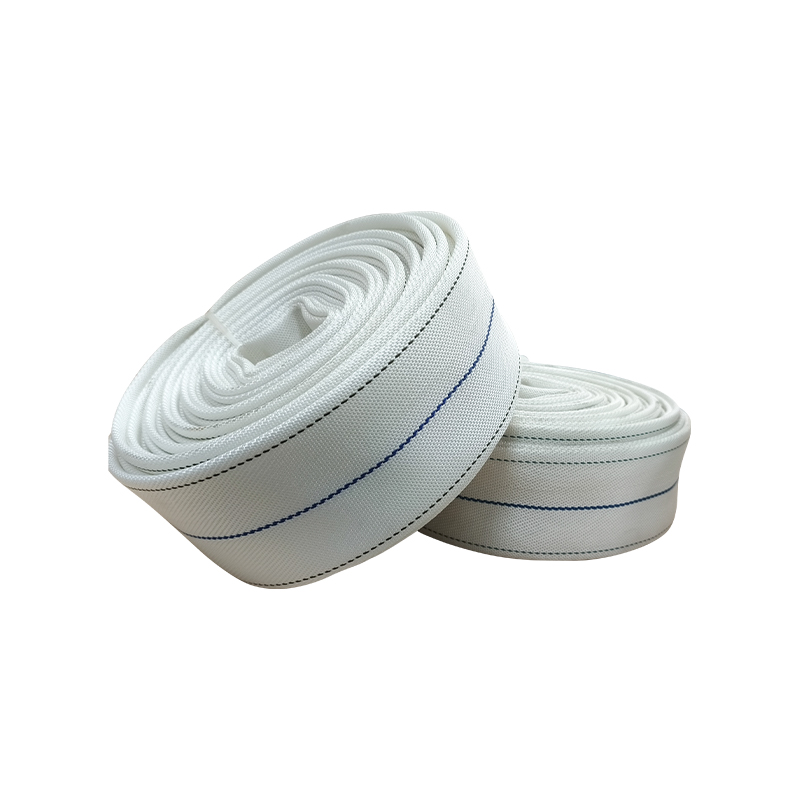 EPDM-Lined Canvas Fire Hose for Heat and Ozone ResistanceWith an EPDM rubber liner and woven polyester jacket, this fire hose maintains flexibility and integrity across extreme temperatures, providing reliable performance in firefighting and industrial settings where ozone and heat aging are concerns.View Product →
Coil Size, Weight, and Container Logistics
Coil diameter and weight per meter are the two most underrated parameters in layflat hose bulk procurement because they directly determine container utilization and shipping cost.
A 2-inch PVC hose rolls into a coil of 40-50 cm outer diameter, while a 6-inch hose rolls into a coil of 70-90 cm. A 20-foot container with 25 usable CBM can hold roughly 1,000 coils of 2-inch by 30 meters, but only 200 coils of 6-inch by 20 meters. That means freight cost per meter more than doubles when buyers upgrade diameter without recalculating container capacity.
| Hose size | Coil length | Coils per 20 ft | Total meters |
| 2 in / DN50 | 30 m | 1,000-1,100 | 30,000-33,000 m |
| 3 in / DN75 | 30 m | 500-560 | 15,000-16,800 m |
| 4 in / DN100 | 20 m | 350-400 | 7,000-8,000 m |
| 6 in / DN150 | 20 m | 200-240 | 4,000-4,800 m |
For detailed logistics and storage planning, read this guide to TPU layflat hose logistics, weight, coil diameter, and storage.
Quality Control and Inspection Before Shipment
Every bulk layflat hose order should be verified against three control points: hydraulic pressure testing, dimensional tolerance, and liner-to-jacket adhesion.
Taizhou Jun'an Fire Technology runs a full quality chain from raw material compounding to finished product inspection. The factory accepts third-party inspection before container loading, and production samples can be tested to buyer-specified standards.
Checklist for incoming bulk orders
- Hydraulic pressure test at 1.5 times working pressure for 5 minutes
- Diameter tolerance: plus or minus 3 percent of nominal diameter
- Wall thickness uniformity within 10 percent across the coil
- Liner-to-jacket adhesion at least 30 N per 50 mm strip
- Coupling geometry matches the specified standard
- Coil weight and length verified against the packing list
| Inspection item | Standard tolerance | Test method |
| Nominal diameter | Plus or minus 3 percent | Vernier caliper or ring gauge |
| Working pressure | No leakage at 1.5 x rated pressure | Hydraulic test bench |
| Adhesion strength | Greater than 30 N per 50 mm | Peel test |
| Coil length | Plus or minus 1 percent | Measuring wheel |
MOQ, Pricing, and Lead Time Expectations
Factory-direct layflat hose prices typically range from $1.20 to $3.80 per meter depending on liner material, wall thickness, and diameter, with MOQs from 1,000 to 5,000 meters.
Price per meter falls steeply with order volume. At 5,000 meters, quoted per-meter price for 2-inch PVC is around 15-20 percent lower than a 1,000-meter trial order. TPU liners shrink less in unit price because the raw polymer cost dominates.
Send the specification sheet with diameter, pressure, liner material, coupling standard, and target quantity.
Receive a formal quotation within 12 working hours, including container loading plan.
Approve the pre-production sample and confirm packaging and coupling compatibility.
Factory produces the order, runs pressure testing, and schedules third-party inspection if required.
Ship within the agreed lead time, with complete quality documents and test reports.
Frequently Asked Questions
What is the difference between working pressure and burst pressure?
Working pressure is the maximum pressure the hose can safely carry during continuous operation. Burst pressure is the pressure at which the hose fails catastrophically. A 3:1 or 4:1 burst-to-working ratio is the standard safety margin for industrial layflat hoses.
Which liner material is best for agricultural irrigation?
PVC layflat hose is the practical choice for most agricultural irrigation because it costs less, handles moderate pressures, and resists fertilizers and soil chemicals. For high-abrasion applications or extreme cold climates, TPU is the better upgrade.
How do I calculate how many coils fit in a 40-foot container?
Calculate the volume of each coil using the coil diameter and height, then divide the container's usable volume by the coil volume. A 40-foot container has about 56-60 CBM of usable space. In practice, buyers should reserve 10 percent for packing and palletting.
What certifications should a layflat hose supplier hold?
The most important certifications for a layflat hose supplier are ISO 9001 for quality management, any relevant product standard such as EN 14540 or NFPA 1961, and factory audit documents that confirm own production capability rather than trading-only status.