en
en
 عربى
عربى

Content
- 1 1. Material Composition and Burst Pressure Ratings
- 2 2. Environmental Resistance: UV, Ozone, and Abrasion
- 3 3. Chemical Stability and Fluid Compatibility
- 4 Conclusion: Selecting for Reliability
- 4.1 Frequently Asked Questions (FAQ)
- 4.1.1 1. Why is the Rubber Layflat Hose more expensive than PVC?
- 4.1.2 2. Is using rubber layflat hose for slurry transfer safe?
- 4.1.3 3. How do I manage layflat hose maintenance for long life?
- 4.1.4 4. What are the high pressure PVC layflat hose limitations in summer?
- 4.1.5 5. Can I get a heavy duty agricultural water hose in custom lengths?
- 4.2 Industry References
- 4.1 Frequently Asked Questions (FAQ)
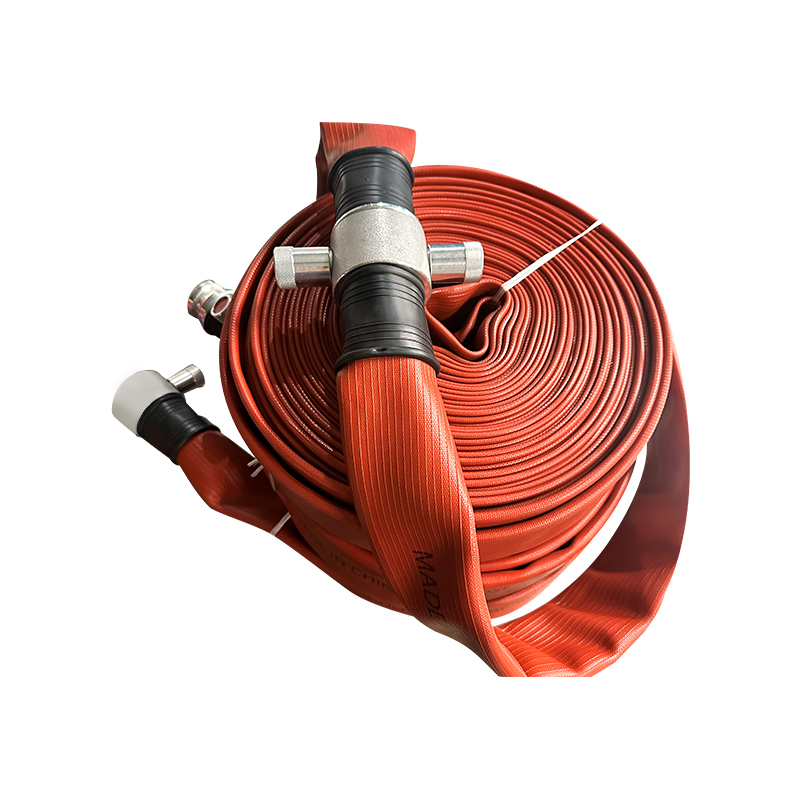
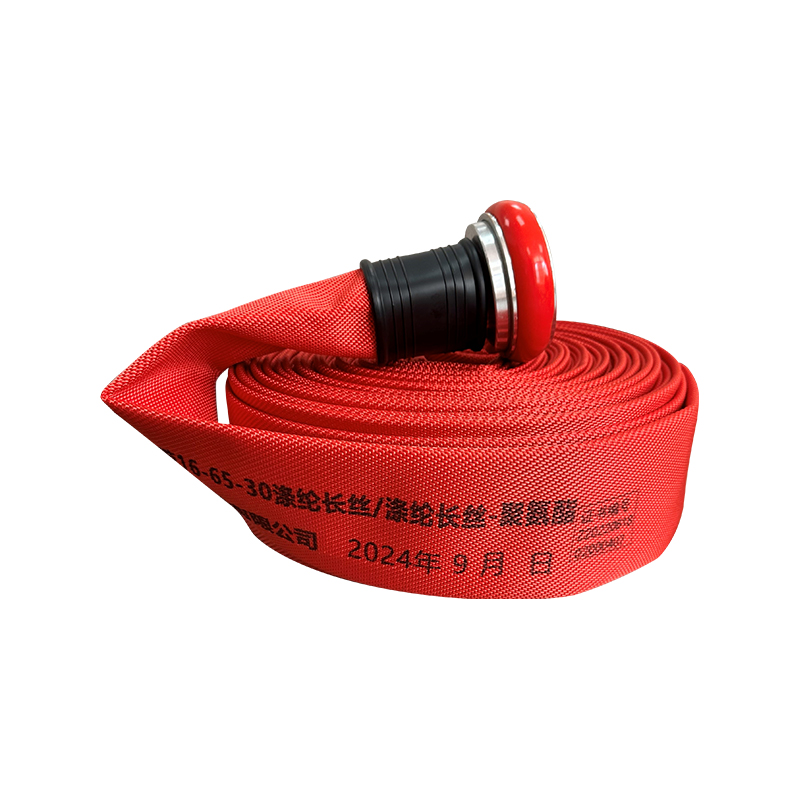
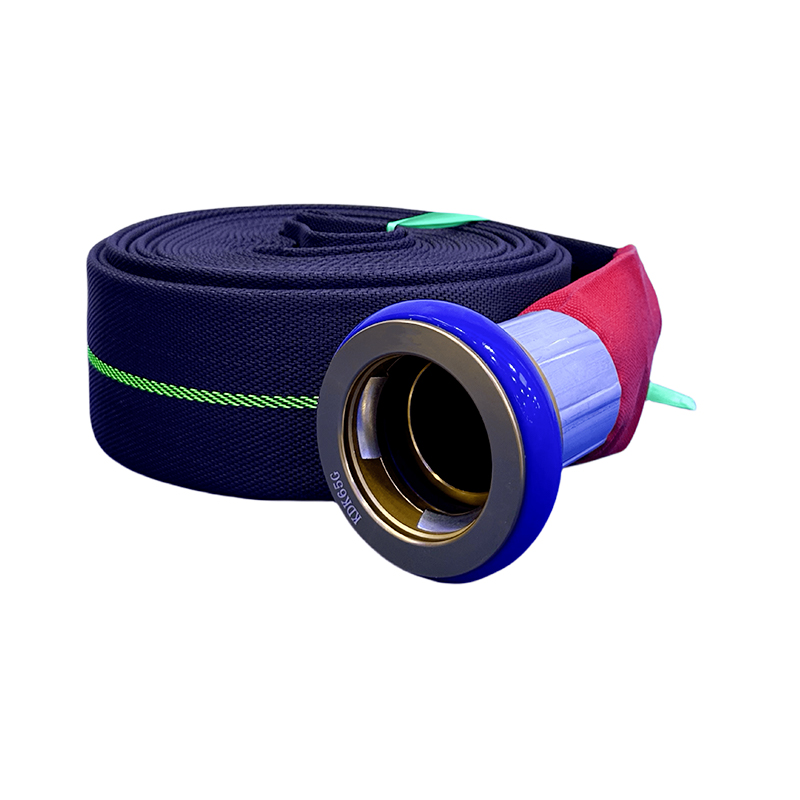
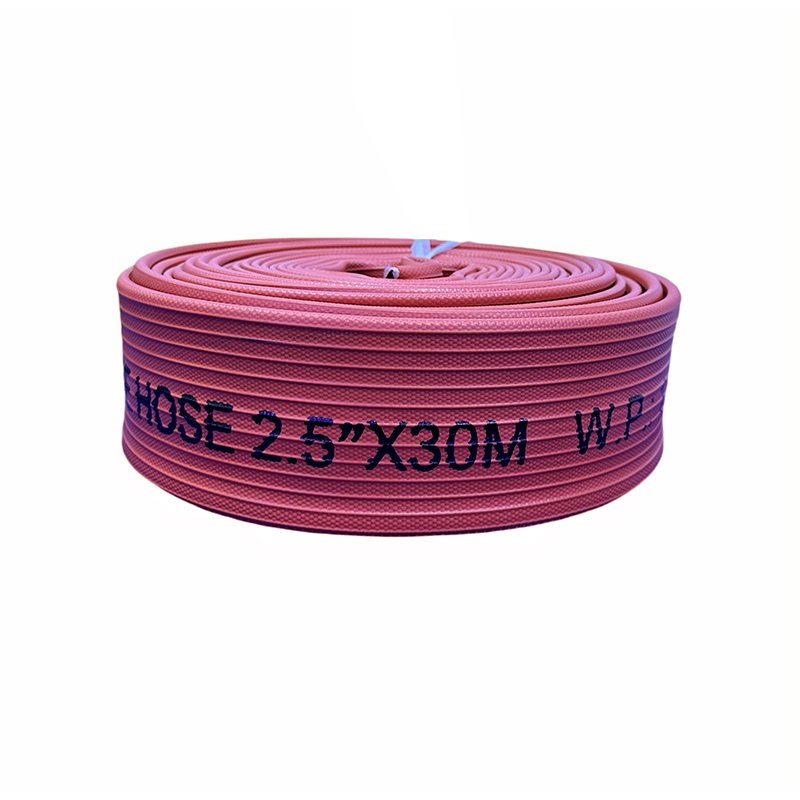
In large-scale agricultural and industrial fluid transfer, the choice of piping material directly dictates the efficiency and safety of the operation. While PVC options are often sought for their lightweight nature, the Rubber Layflat Hose remains the gold standard for high-pressure irrigation due to its superior elastomeric properties. Taizhou Jun'an Fire Technology Co., Ltd., strategically located near Shanghai, specializes in the R&D and manufacturing of high-performance fire and agricultural hoses. By integrating advanced production equipment and a team of professional designers, we produce Rubber Layflat Hose solutions that absorb the technical advantages of global industry standards. For engineers and farm managers, understanding the durability of rubber vs PVC layflat hose is essential when designing systems that must withstand extreme environmental stressors and fluctuating hydraulic loads.
1. Material Composition and Burst Pressure Ratings
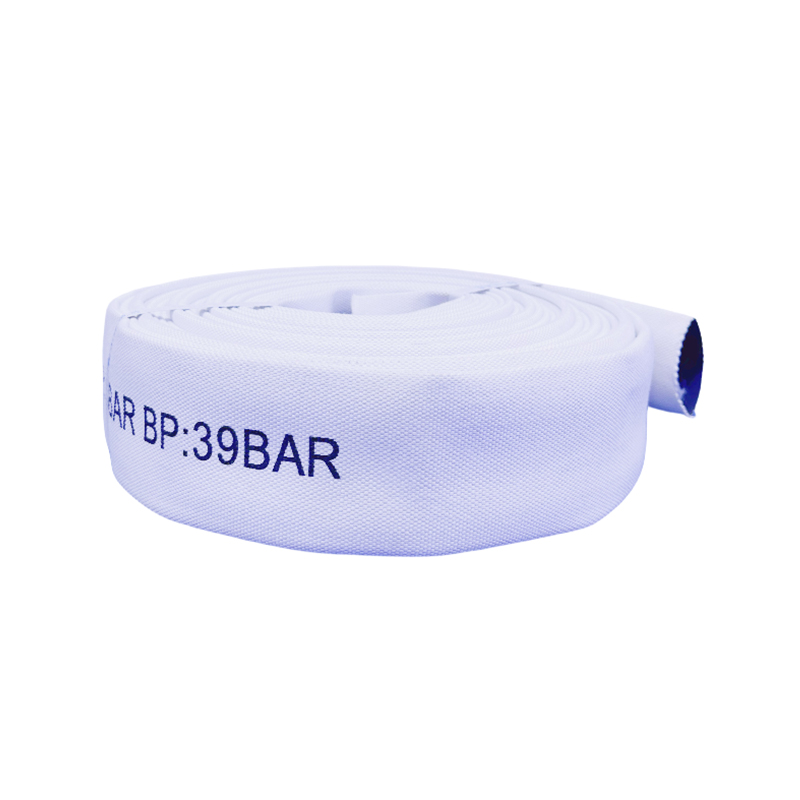
The primary technical distinction lies in the polymer matrix and the reinforcement layer. A Rubber Layflat Hose is typically constructed from Nitrile Butadiene Rubber (NBR), which is extruded through a circular woven high-tenacity polyester jacket. This "through-the-weave" extrusion ensures that the inner and outer layers are inseparable. When comparing rubber vs PVC burst pressure, rubber hoses demonstrate a much higher safety factor, maintaining structural integrity even when exposed to pressure spikes. Conversely, high pressure PVC layflat hose limitations often involve "creeping" or stretching under sustained load, which can lead to thinning of the hose wall and eventual failure. Understanding how to calculate layflat hose burst pressure is critical for high-head irrigation systems where elevation changes create significant backpressure.
Structural Comparison Matrix
- Bonding Strength: Rubber hoses feature an integrated molecular bond between the lining and the jacket, whereas PVC often relies on adhesive layers that can delaminate.
- Pressure Resilience: The nitrile rubber layflat hose benefits include a higher working pressure-to-burst pressure ratio, typically 3:1.
| Technical Feature | Standard PVC Hose | Rubber Layflat Hose (Nitrile) |
| Material Base | Polyvinyl Chloride | Nitrile Butadiene Rubber (NBR) |
| Construction | Layered / Glued | Through-the-weave Extrusion |
| Max Working Pressure | Low to Medium (4-10 Bar) | High (15-25+ Bar) |
| Operating Temperature | Narrow (-10°C to +50°C) | Wide (-30°C to +80°C) |
2. Environmental Resistance: UV, Ozone, and Abrasion
Irrigation hoses are frequently dragged across abrasive terrain and left exposed to solar radiation. One of the most significant nitrile rubber layflat hose benefits is its inherent resistance to ozone cracking and UV degradation. PVC materials tend to leach plasticizers over time, becoming brittle and prone to "sun-cracking." Furthermore, the abrasion resistance of rubber layflat hose is significantly higher, as the rubber compound is formulated to resist scuffing against rocks and stubble. For those using rubber layflat hose for slurry transfer or mining, the material's resistance to external wear ensures a much lower total cost of ownership compared to PVC, which may require frequent replacement. When choosing a durable high pressure irrigation hose, the ability of rubber to remain flexible in sub-zero temperatures further distinguishes it as the superior heavy duty agricultural water hose.
Environmental Durability Sequence
- Weathering: Rubber maintains its elastic modulus despite long-term exposure to UV rays.
- Surface Friction: The ribbed or smooth rubber exterior acts as a sacrificial layer against mechanical abrasion.
- Thermal Cycling: Rubber handles the expansion and contraction of the fluid better than rigid PVC during day-night temperature shifts.
3. Chemical Stability and Fluid Compatibility
In modern high-pressure irrigation, the water often carries fertilizers, herbicides, or pesticides. The chemical compatibility of rubber layflat hose with fertilizers is exceptional, as NBR is specifically designed to resist hydrocarbons and various agricultural chemicals. While PVC can react with certain oil-based additives, the Rubber Layflat Hose remains inert. This is particularly important for industrial rubber layflat hose applications, where the hose might be utilized for bypass pumping or emergency rescue. Taizhou Jun'an Fire Technology Co., Ltd. ensures that every nitrile rubber layflat hose we manufacture is tested for chemical resistance to provide first-class equipment for both domestic and foreign customers. For complex layflat hose maintenance for long life, simply flushing the hose after chemical use is sufficient to preserve its durable high pressure irrigation hose status.
| Chemical Factor | Standard PVC | Rubber Layflat Hose |
| Oil/Fuel Resistance | Poor (Softens/Degrades) | Excellent (Specifically NBR) |
| Acid/Alkali Tolerance | Moderate | High |
| Permeability | Higher Risk of Leaching | Low Permeability Matrix |
Conclusion: Selecting for Reliability
In summary, while PVC may serve temporary or low-pressure needs, the Rubber Layflat Hose is the only viable option for high-pressure irrigation where durability cannot be compromised. Its superior burst pressure, environmental resilience, and chemical stability make it a heavy duty agricultural water hose that delivers long-term value. At Taizhou Jun'an Fire Technology Co., Ltd., we combine professional management with advanced technology to ensure our rubber-lined hoses win the trust of global clients. Investing in a high-quality Rubber Layflat Hose means investing in the continuity of your operations.
Frequently Asked Questions (FAQ)
1. Why is the Rubber Layflat Hose more expensive than PVC?
The cost reflects the nitrile rubber layflat hose benefits, including a more complex through-the-weave manufacturing process and the use of premium synthetic rubber compounds that offer 3 to 5 times the lifespan of PVC.
2. Is using rubber layflat hose for slurry transfer safe?
Yes. Because of its abrasion resistance of rubber layflat hose, it is the preferred choice for handling fluids with suspended solids, such as manure slurry or mining tailings, which would quickly wear through a PVC wall.
3. How do I manage layflat hose maintenance for long life?
To maximize the durability of rubber vs PVC layflat hose, ensure the hose is drained and cleaned after use, and store it away from sharp objects. Unlike PVC, rubber does not require special climate control to prevent brittleness.
4. What are the high pressure PVC layflat hose limitations in summer?
PVC softens significantly in high heat. As the temperature rises, its pressure rating drops, making it prone to "ballooning" and bursting under high-pressure irrigation loads that a rubber hose would handle easily.
5. Can I get a heavy duty agricultural water hose in custom lengths?
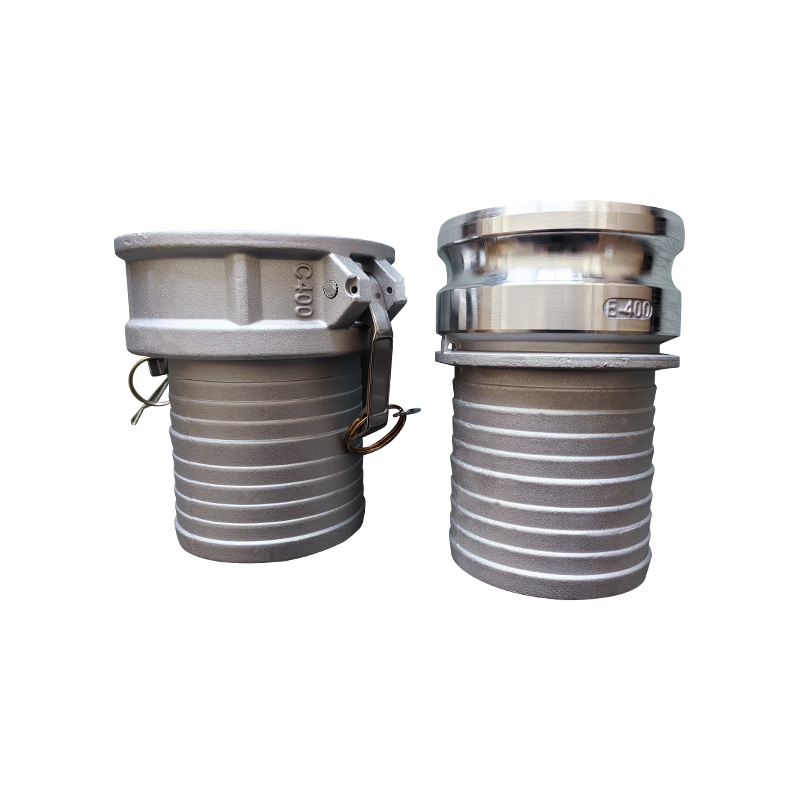
Yes, as a professional manufacturer, Taizhou Jun'an Fire Technology provides OEM and ODM services, allowing for custom lengths and fittings to suit your specific high-pressure irrigation requirements.
Industry References
- ISO 8031: Rubber and plastics hoses and hose assemblies — Electrical resistance and conductivity.
- NFPA 1961: Standard on Fire Hose (Technical specifications often mirrored in high-pressure agricultural hoses).
- ASME B31.3: Process Piping Standards for high-pressure fluid transfer.
- Taizhou Jun'an Internal R&D Report: "Comparative Wear Analysis of NBR vs PVC in Agricultural Environments" (2025).