en
en
 عربى
عربى

Content
- 1 1. Deciphering Pressure Ratings: Service, Test, and Burst
- 2 2. UL 19 Standard and Certification Compliance
- 3 3. Technical Advantages of EPDM Over Alternative Linings
- 4 4. Critical Inspection and Maintenance Protocols
- 5 5. Frequently Asked Questions (FAQ)
- 5.1 1. What is the standard temperature range for an EPDM Lined Fire Hose?
- 5.2 2. Why is "Service Pressure" different from "Burst Pressure"?
- 5.3 3. How do I verify UL listed fire hose specifications on a product?
- 5.4 4. Is an EPDM Lined Fire Hose suitable for salt water?
- 5.5 5. Can I use this hose for agricultural irrigation?
- 6 Industry References
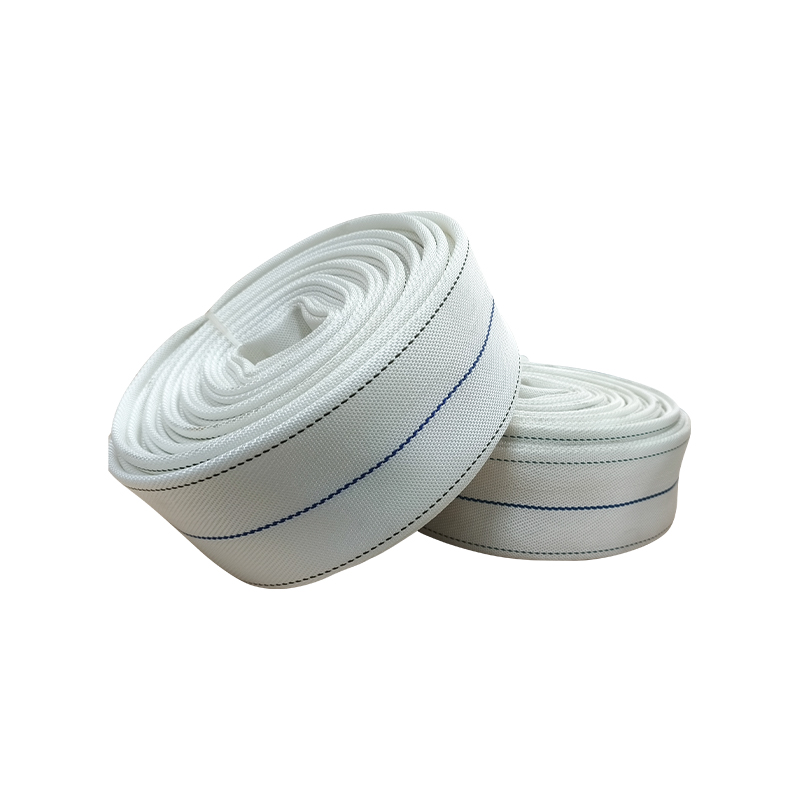
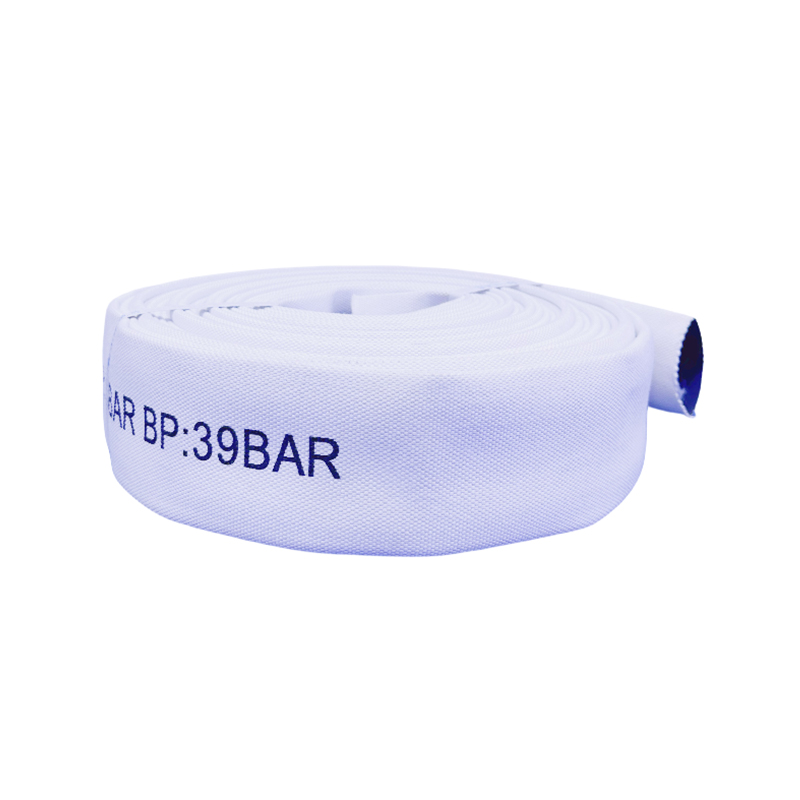
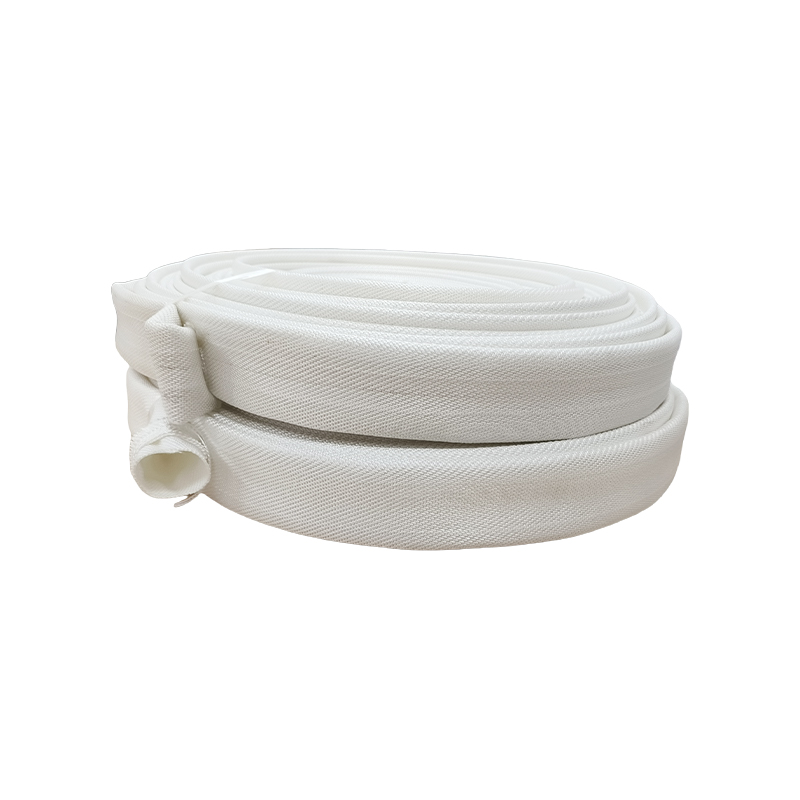
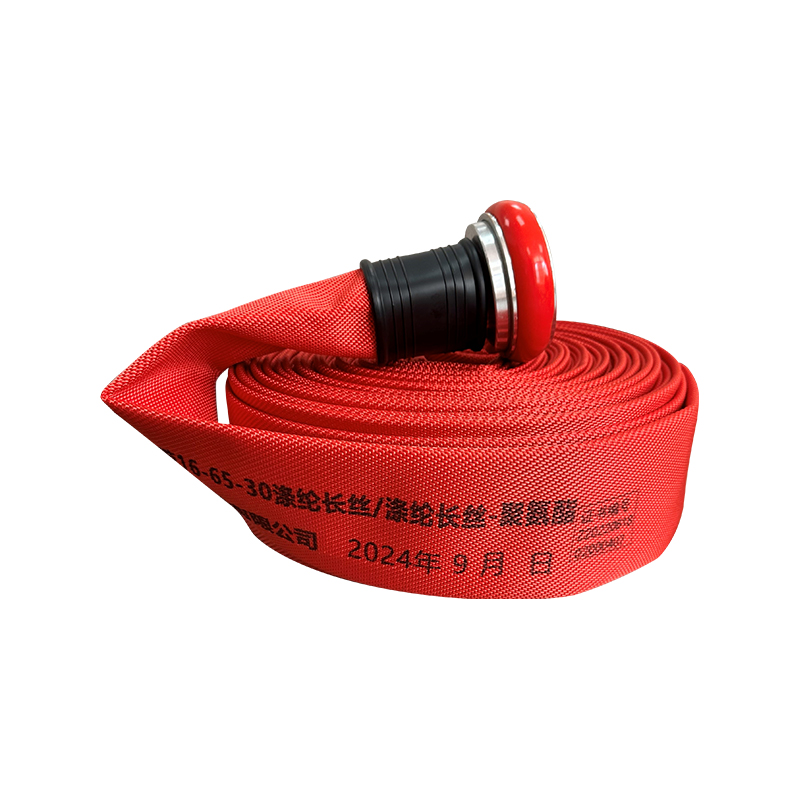
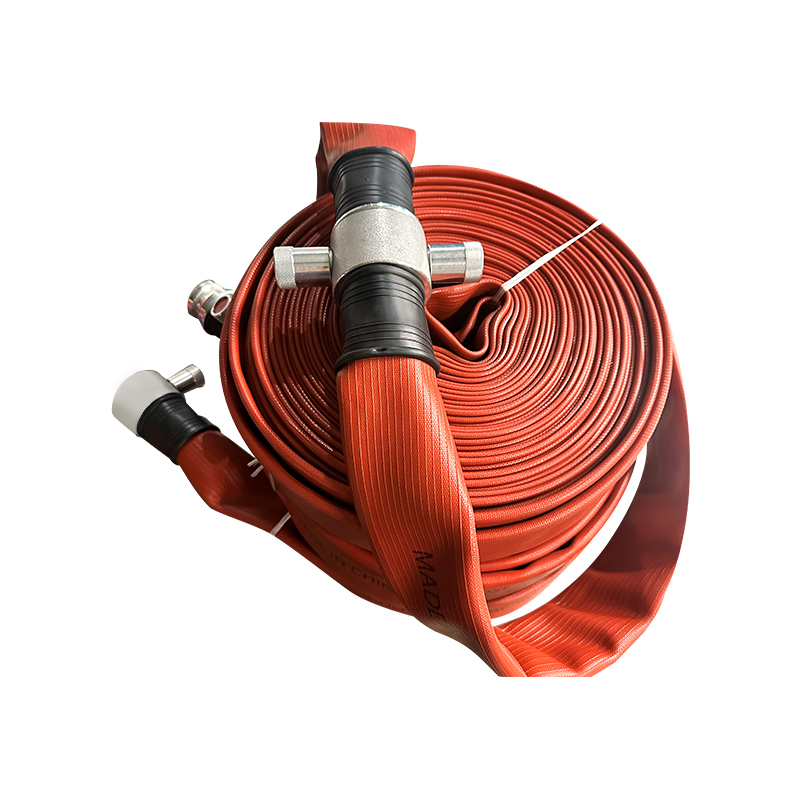
In the high-stakes environment of fire suppression, the reliability of a delivery system is measured by its ability to withstand extreme hydraulic force and environmental degradation. The EPDM Lined Fire Hose has become the preferred choice for municipal and industrial firefighting due to the superior ozone resistance and thermal stability of Ethylene Propylene Diene Monomer. Taizhou Jun'an Fire Technology Co., Ltd., located near the global trading hub of Shanghai, specializes in the advanced engineering of fire equipment. By integrating professional designers and modern production equipment, we manufacture EPDM Lined Fire Hose systems that absorb the best technical advantages from international benchmarks. For safety engineers and procurement officers, understanding the fire hose pressure rating guide and rigorous UL certification parameters is essential for ensuring operational success during emergency response.
1. Deciphering Pressure Ratings: Service, Test, and Burst
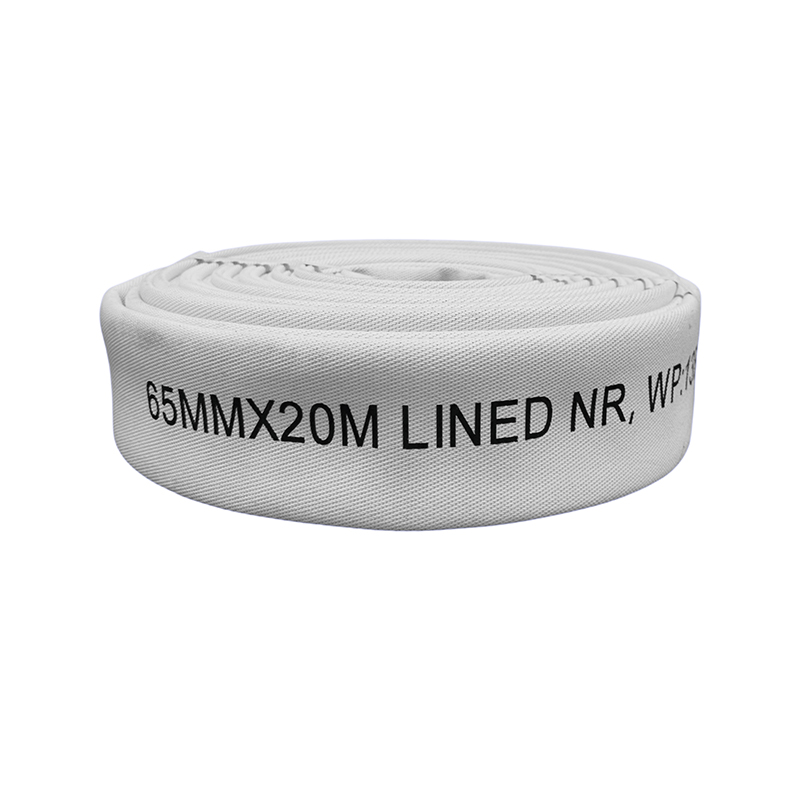
An EPDM Lined Fire Hose is defined by three distinct pressure metrics that dictate its safe application. The "Service Pressure" is the maximum pressure at which the hose is designed to operate continuously. The "Proof Test Pressure" is typically double the service pressure and is used during manufacturing to ensure the structural integrity of the double jacket fire hose with EPDM lining. Finally, the "Burst Pressure" represents the ultimate failure point. While standard PVC hoses may lose flexibility at high pressures, EPDM maintains its cross-linked molecular structure, providing a higher safety margin against catastrophic rupture. Ensuring your equipment matches the high pressure fire hose requirements of your specific pump system is a critical first step in fire safety planning.
Comparison: Standard Pressure Categories for Fire Hoses
Industrial grade hoses offer significantly higher burst thresholds compared to standard agricultural or discharge hoses, primarily due to the high-tenacity polyester reinforcement used in fire-fighting variants.
| Pressure Metric | Standard Utility Hose | EPDM Lined Fire Hose (Professional) |
| Service Pressure | 150 - 200 PSI | 300 - 400 PSI |
| Proof Test Pressure | 300 PSI | 600 - 800 PSI |
| Minimum Burst Pressure | 450 - 600 PSI | 900 - 1200+ PSI |
2. UL 19 Standard and Certification Compliance
Underwriters Laboratories (UL) certification, specifically the UL 19 standard for Lined Fire Hose and Hose Assemblies, is the gold standard for quality assurance. Checking for UL listed fire hose specifications ensures that the EPDM lining has undergone rigorous aging tests, including exposure to high concentrations of ozone and extreme temperatures. A certified EPDM Lined Fire Hose must demonstrate that the adhesion between the lining and the textile jacket remains constant even after accelerated aging. At Taizhou Jun'an Fire Technology, our commitment to "first-class equipment" means we adhere to these stringent benchmarks, ensuring our hoses provide durable fire hose for industrial use without delamination or inner-lining cracks.
Comparison: Certified vs. Non-Certified EPDM Hoses
UL-certified hoses undergo a battery of tests including kink-pressure resistance and heat-aging, whereas non-certified hoses may fail prematurely under heat stress.
| Feature | Non-Certified Hose | UL Listed EPDM Lined Fire Hose |
| Ozone Resistance | Variable (May crack within 1 year) | Superior (Tested for 70+ hours) |
| Adhesion Strength | Low (Risk of lining separation) | High (Meets ASTM D413 standards) |
| Cold Flexibility | Becomes brittle below 0°C | Maintains flexibility at -40°C |
3. Technical Advantages of EPDM Over Alternative Linings
When selecting a durable fire hose for industrial use, engineers must weigh the benefits of EPDM against PVC or PU. EPDM is an elastomer that excels in chemical resistance and heat endurance. In environments where the hose might come into contact with residual fuels or mild chemicals, the chemical resistance of EPDM fire hose provides an added layer of security. While PU (Polyurethane) is lighter, it lacks the extreme heat aging resistance found in EPDM. Taizhou Jun'an Fire Technology leverages this material's "memory" properties to ensure that after being tightly coiled for months, the hose deploys without permanent kinks or flow restrictions.
4. Critical Inspection and Maintenance Protocols
To maintain the EPDM Lined Fire Hose's pressure integrity, regular inspections are mandatory. This includes checking for "wicking" where moisture enters the jacket fibers and potential epdm lining vs pvc fire hose degradation indicators such as "pinholing." By utilizing professional designers and senior technical staff, our products are engineered to simplify these inspections through high-visibility jacket dyes and high-precision couplings. Following a fire hose pressure rating guide for annual hydrostatic testing ensures that your facility remains in compliance with NFPA 1962 standards.
Key Inspection Checklist:
- Hydrostatic Testing: Perform annually to the service pressure specified on the hose stencil.
- Coupling Integrity: Check for expansion ring security and gasket elasticity.
- Jacket Abrasion: Inspect for frayed yarns that could compromise the double jacket fire hose with EPDM lining structural strength.
- Lining Check: Ensure the EPDM remains smooth and free of debris that could cause friction loss.
5. Frequently Asked Questions (FAQ)
1. What is the standard temperature range for an EPDM Lined Fire Hose?
Most professional EPDM hoses are rated to perform between -40°C and 150°C. This wide range makes them far more versatile than PVC hoses, which tend to stiffen in winter or soften in extreme heat.
2. Why is "Service Pressure" different from "Burst Pressure"?
Service pressure is the safe everyday working limit. Burst pressure is a laboratory metric where the hose is pushed to failure. According to any fire hose pressure rating guide, you should never operate close to the burst pressure.
3. How do I verify UL listed fire hose specifications on a product?
Look for the UL holographic label or the UL file number stenciled on the hose jacket. This indicates the manufacturer has passed the UL 19 audit and ongoing inspections.
4. Is an EPDM Lined Fire Hose suitable for salt water?
Yes. EPDM is highly resistant to saltwater corrosion, making it ideal for coastal fire departments and marine emergency rescue equipment.
5. Can I use this hose for agricultural irrigation?
While primarily a fire hose, its durable fire hose for industrial use characteristics make it an excellent high-end choice for agricultural applications where UV exposure and high pressure are concerns.
Industry References
- NFPA 1961: Standard on Fire Hose.
- UL 19: Standard for Safety of Lined Fire Hose and Hose Assemblies.
- ASTM D380: Standard Test Methods for Rubber Hose.
- Taizhou Jun'an Fire Technology Internal Quality Control Standards (2026).