

 en
en
 عربى
عربى
The water belt is reinforced with two layers of belt blanks to achieve higher pressures an...
This product is a 4-inch special mining ...

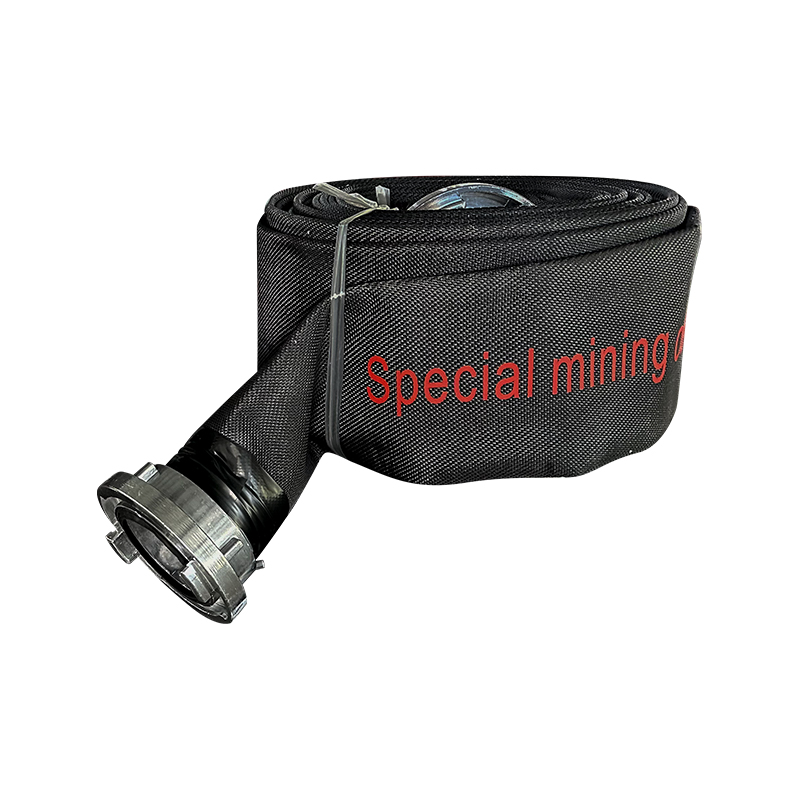
This product is a 4-inch special mining ...
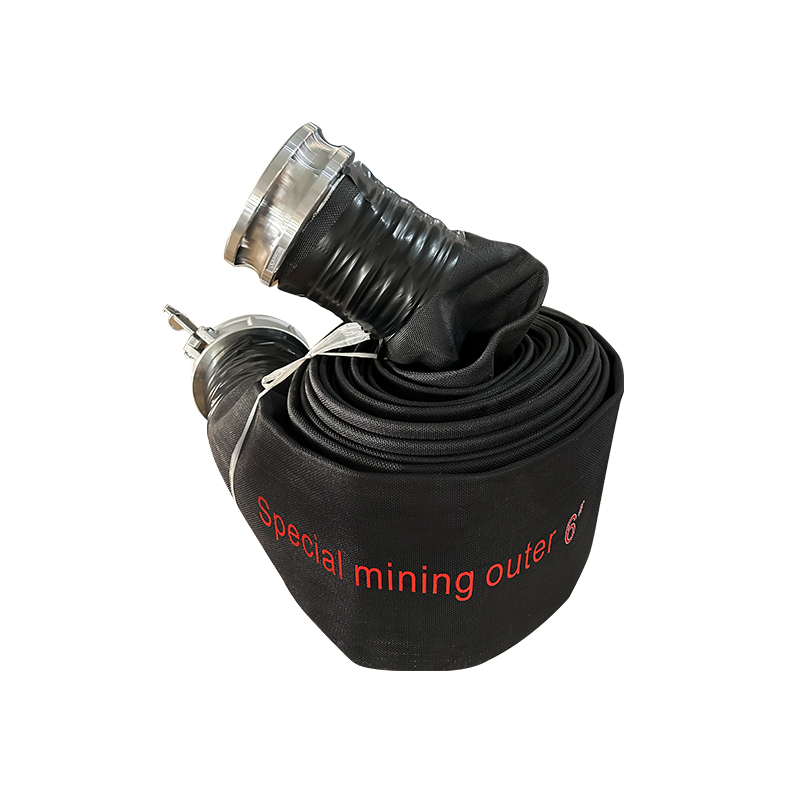
6-Inch Mining Flat Hose with Storz Conne...
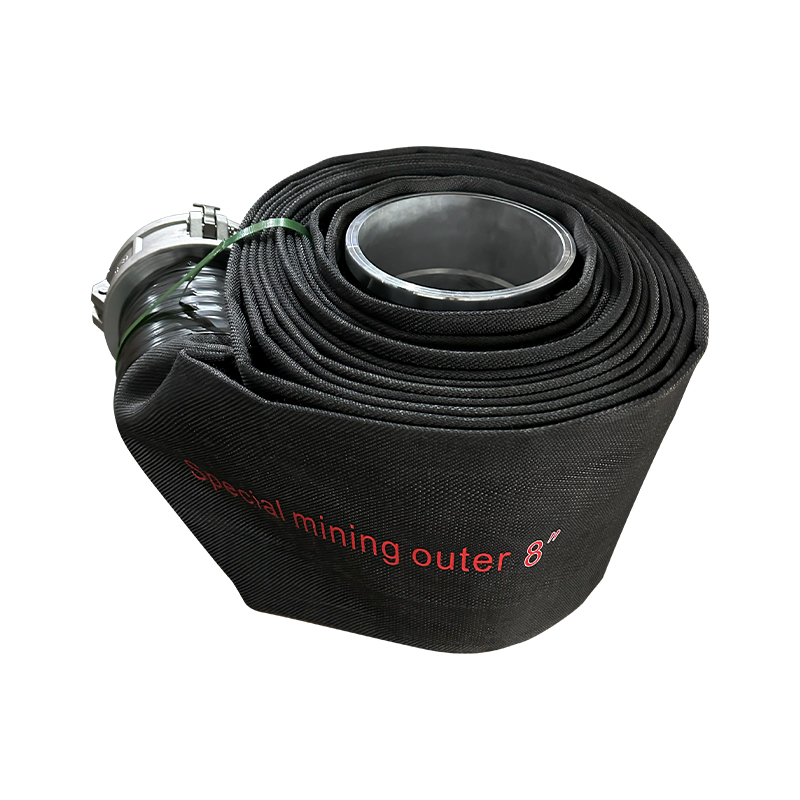
8-Inch Mining Flat Hose with Storz Conne...
Product Features: A water belt with two layers of belt blank reinforcement, can achieve higher pressure, high wear resistance.
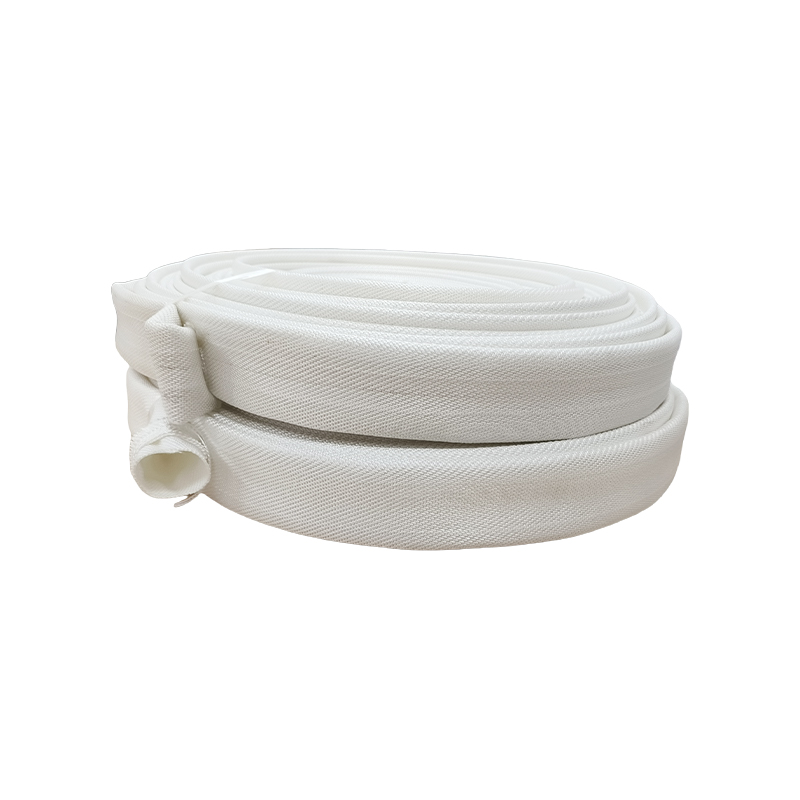
The water belt is reinforced with two layers of belt blanks to achieve higher pressures an...
Match the Test Sequence to the Duty Imagine that 100 meters of PVC flat hose just arrived from a new supplier. The coil looks nea...
READ MOREA PVC Lay Flat Discharge Hose spends its working life under internal pressure, repeated folding, and constant dragging across rou...
READ MOREOn a remote mining site, a 6-inch dewatering hose starts blistering between its liner and jacket within the first week of servic...
READ MOREWhy OEM Buyers Should Care About PVC Flat Hose Manufacturing A procurement manager in Europe once asked us to replace a failed PV...
READ MOREPVC flat hose pipes are everywhere on job sites. You may have coiled them on a fire truck, laid them across a field for irrigatio...
READ MOREAs a Double Jacket Fire Hose Manufacturers, we match product configuration to the application, operating limits, interfaces and acceptance criteria defined for each project.
Taizhou Jun'an Fire Technology Co., Ltd. is a specialized Double Jacket Fire Hose manufacturer and supplier based in Jiangsu, China. We design and produce double jacket fire hoses that deliver the higher burst pressures and abrasion resistance required in municipal, industrial, and marine firefighting applications. Our factory integrates modern production lines with professional engineering support, offering both standard configurations and OEM/ODM customization.
Our double jacket fire hose range is built around a dual-layer woven reinforcement that provides redundant strength and extended service life. The inner lining is compounded for oil and chemical resistance, making these hoses suitable for refineries, chemical plants, and other harsh environments where standard single-jacket hoses may fail prematurely.
We supply double jacket fire hose in multiple configurations to match your specific pressure, chemical exposure, and connection requirements. The table below outlines our standard range and typical applications.
| Diameter (inch) | Working Pressure (Bar) | Burst Pressure (Bar) | Typical Applications |
|---|---|---|---|
| 1.5" | 20 | 60 | Industrial firefighting, high-rise standpipe systems |
| 2" | 20 | 60 | Chemical plants, marine fire mains |
| 2.5" | 19 | 57 | Municipal fire apparatus, industrial hydrant systems |
| 3" | 17 | 51 | Refineries, petrochemical facilities |
| 4" | 15 | 45 | Large industrial deluge systems, marine terminals |
| 6" | 13 | 39 | Airport firefighting, heavy industrial water supply |
For each diameter, we can adjust the working pressure rating by modifying the weave density and lining thickness. Our standard lengths are 15m, 20m, 30m, and 50m, but we also produce custom lengths to suit your hose rack or hydrant layout.
Our double jacket fire hose uses a two-layer woven construction. The outer jacket is a UV-stabilized polyester weave that acts as a sacrificial layer against abrasion and snagging. The inner jacket is a high-tenacity circular weave that provides the primary pressure containment. Between the reinforcement and the lining, a heat-fused adhesive layer ensures complete bonding, preventing delamination even under repeated flexing.
The lining is a key differentiator. We offer EPDM or NBR compounds depending on your chemical exposure. EPDM provides excellent weather and ozone resistance, while NBR offers superior oil and fuel resistance. Both are rated for continuous operation from -40°C to +95°C, and they resist swelling and degradation from diesel, gasoline, hydraulic oil, mild acids, and alkalis.
Double jacket fire hose is specified where single-jacket hoses cannot provide the required safety margin. Typical deployment environments include oil refineries, chemical plants, marine terminals, airport firefighting, and industrial manufacturing facilities. The hose is also used in municipal fire departments that require a rugged, high-pressure attack line.
Our hoses are designed to handle contaminated water or incidental hydrocarbon contact without losing flexibility or burst strength. The reinforced weave prevents damage from dragging over sharp edges, and the lining maintains a smooth bore for low friction loss.
For refineries and chemical plants, our oil-resistant lining and high burst pressure meet the demands of fixed and mobile fire suppression systems.
Fire departments use our double jacket hose for attack lines and supply lines where durability and pressure ratings are critical.
Saltwater exposure and hydrocarbon contact are common on ships and terminals; our hose resists corrosion and chemical attack.
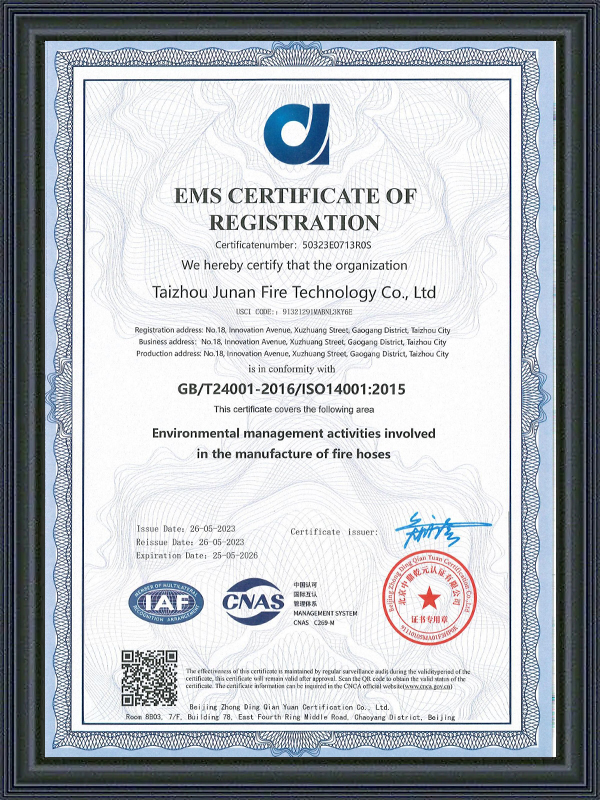
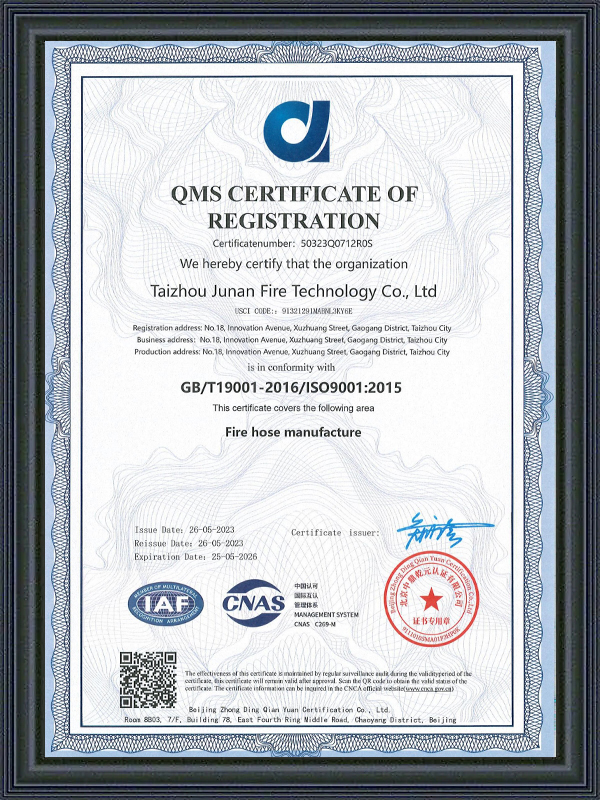
As a professional fire hose manufacturer, we implement quality control from raw material selection through final testing. We source materials only from qualified suppliers who provide material certifications and test reports. Incoming materials undergo chemical composition analysis and physical performance testing before entering production.
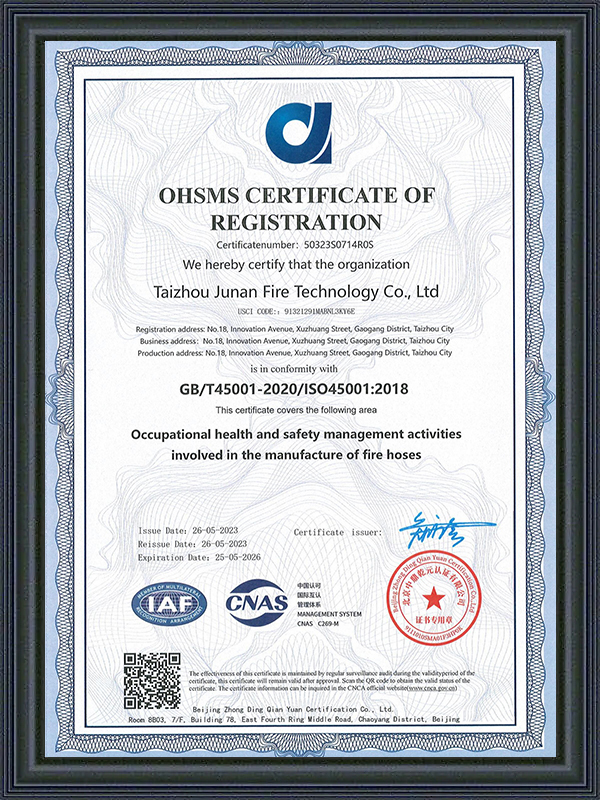
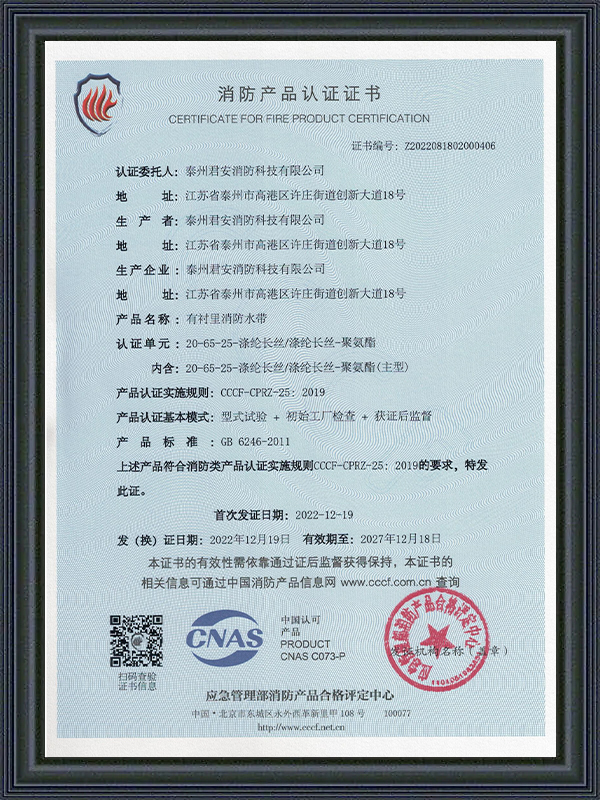
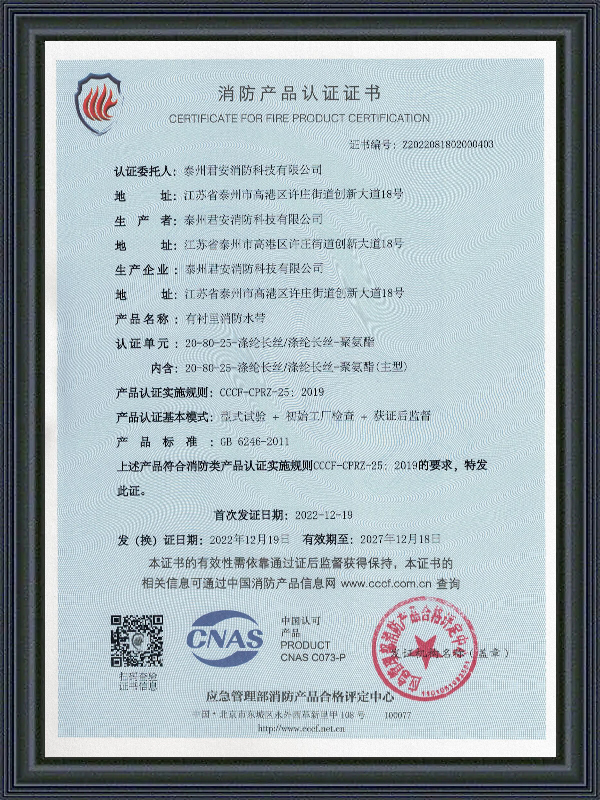
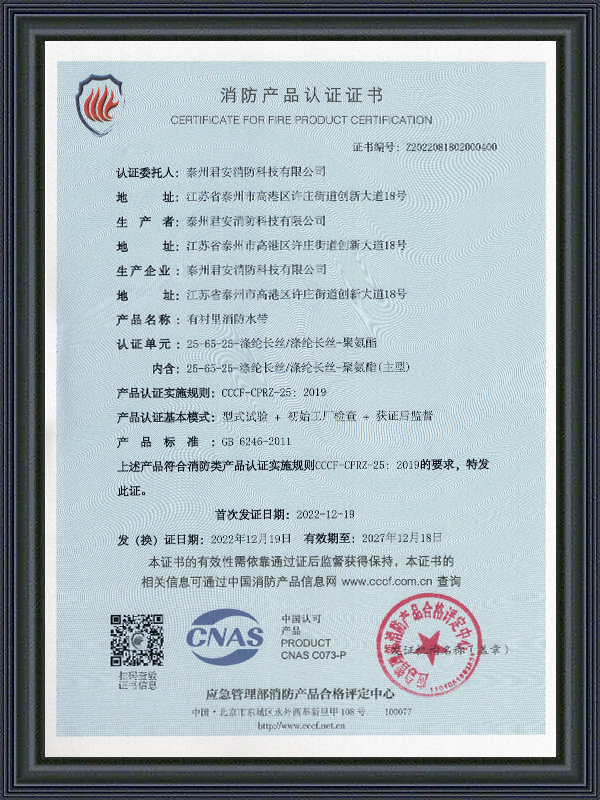
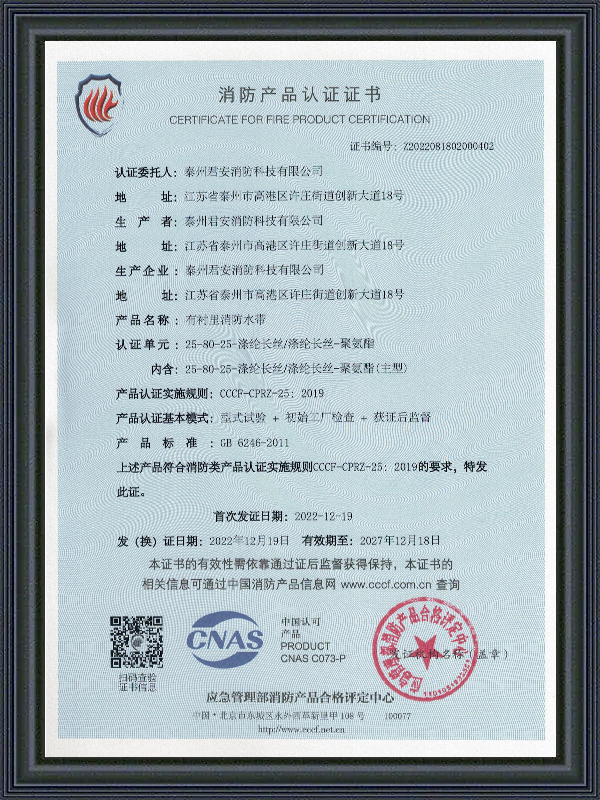
Our double jacket fire hose is factory-tested to meet NFPA 1961 and EN 694 standards. Each hose is hydrostatically tested at the specified test pressure, and we provide test certificates with each batch. We also conduct burst pressure tests and flexing endurance tests to verify long-term reliability.
For projects requiring third-party certification, we can coordinate testing with recognized laboratories. Our quality system is designed to support your acceptance criteria, whether you need a simple factory test report or full type approval documentation.
We understand that each fire department or industrial site has unique requirements. We offer OEM and ODM services to produce hoses with your branding, custom colors, and specific length or coupling configurations. Our in-house design team can develop a hose that meets your exact pressure and chemical resistance specifications.
Customization options include:
We also supply compatible couplings and nozzles to complete your fire hose assembly. Our factory can pre-attach couplings and pressure-test the finished assembly before shipment.
Proper installation and maintenance are essential to maximize the service life of your double jacket fire hose. We provide installation guidelines with every order, including recommended storage practices and inspection intervals. Regular hydrostatic testing every 12 months is recommended, and we advise inspecting the outer jacket for cuts or abrasion before each use.
Our hoses are designed for easy repair. In the event of damage, the outer jacket can be patched, and the lining can be re-bonded using our recommended adhesives. We also offer spare parts and repair kits for field maintenance.
For large projects, we can provide on-site training for your maintenance team, covering proper handling, rolling, and storage techniques to prevent kinking and premature wear.
To prepare an accurate quotation and technical proposal, we need the following project information:
| Parameter | Why It Matters |
|---|---|
| Required diameter and length | Determines pressure rating and coupling size |
| Working pressure and test pressure | Ensures hose meets your system's hydraulic requirements |
| Chemical exposure (oil, acids, etc.) | Selects the appropriate lining compound (EPDM vs NBR) |
| Coupling type and standard | Ensures compatibility with your existing fittings |
| Environmental conditions (temperature, UV) | Affects jacket material and color selection |
| Applicable standards (NFPA, EN, etc.) | Guides testing and certification requirements |
Send us these details along with any drawings or samples, and we will respond with a tailored configuration and quotation within 12 hours on working days.
Our double jacket fire hose is available with working pressures up to 25 bar (about 365 psi) for smaller diameters, with burst pressures up to 75 bar. The exact rating depends on the diameter and construction; we can engineer higher pressures for special applications.
Yes, we offer custom lengths from 10m to 100m or more, and we can produce hoses in red, yellow, white, or any custom color. We also support OEM branding with your logo printed on the jacket.
We supply double jacket fire hose with NH, NST, Storz, Universal, Guillotine, and other coupling types. We can also provide loose couplings for field attachment, or pre-couple and test the assembly in our factory.
Yes, our double jacket fire hose is designed and tested to meet these international standards. We provide test certificates and can arrange third-party certification if required.
We recommend regular inspection for cuts or abrasion, hydrostatic testing every 12 months, and proper storage away from direct sunlight and chemicals. Our maintenance guide provides detailed instructions, and we offer repair kits for field repairs.
 Tel: +86-13775666113
 E-mail: [email protected]
 Add: 18 Innovation Avenue, Gaogang District,Taizhou City, Jiangsu Province, China.
Copyright © by Taizhou Jun'an Fire Technology Co., Ltd. Rights Reserved.
Custom Double Jacket Fire Hose Manufacturers

