en
en
 عربى
عربى

Content
- 1 Why TPU Liners Transform Hose Performance & Reliability
- 2 Cross-Section Architecture: Understanding Layer Function
- 3 Performance Envelope: Temperature & Pressure Operating Limits
- 4 Fluid Compatibility: Chemical Resistance Matrix
- 5 Durability Timeline: Service Life Comparison
- 6 Application Selection Guide
- 7 Specification & Installation Best Practices
- 8 Frequently Asked Questions on TPU-Lined Hoses
- 8.1 How much more do TPU-lined hoses cost compared to standard rubber?
- 8.2 Can I use a TPU-lined hose in place of a standard rubber hose?
- 8.3 What causes TPU hoses to fail, and how can I prevent failure?
- 8.4 Are TPU-lined hoses compatible with all SAE and JIC fittings?
- 8.5 How do I verify a hose is genuine TPU-lined and not counterfeit?
Industrial fluid transfer demands hoses that combine chemical resistance, temperature stability, and zero permeation. TPU-lined hoses deliver superior performance across demanding applications—fuel delivery, hydraulic systems, air/water transfer, and specialized chemical handling. The thermoplastic polyurethane inner layer resists degradation from fuels, oils, solvents, and thermal cycling while maintaining flexibility. This guide explores material composition, performance specifications, application requirements, and selection criteria that differentiate premium TPU hoses from commodity alternatives.
Why TPU Liners Transform Hose Performance & Reliability
Standard rubber hoses absorb and permeate fuels—losing 2–5% volume annually through molecular diffusion into surrounding air. This fuel loss damages ecosystems, violates emissions regulations, and reduces system efficiency. TPU-lined hoses reduce fuel permeation to nearly zero (0.1% annually) while expanding temperature operating range from -20°C to +80°C (rubber: -10°C to +60°C). Chemical compatibility expands dramatically—TPU resists ethanol blends, biodiesel, methanol, and aromatic hydrocarbons that degrade conventional rubber linings.
Cross-Section Architecture: Understanding Layer Function
Performance Envelope: Temperature & Pressure Operating Limits
Fluid Compatibility: Chemical Resistance Matrix
Zero permeation; 20+ year lifespan; standard specification for fuel transfer systems.
Ethanol-blended fuel resistant; performs superior to rubber in alcohol environments.
Industrial hydraulic fluids; mineral and synthetic oils fully compatible.
Biodiesel concentrations to 20% acceptable; higher blends require testing.
Automotive methanol fuel (M15–M85) compatible; requires specific TPU formulation.
Limited exposure acceptable; prolonged contact causes swelling; consult manufacturer.
Non-corrosive water transfer; antifreeze-based coolants fully compatible.
Pneumatic applications; oil-free or oil-lubricated systems; excellent seal performance.
Durability Timeline: Service Life Comparison
Standard Rubber Hose
Years 0–2: Normal operation; minor permeation begins
Years 2–5: Visible hardening; fuel loss 2–3% annually
Years 5–7: Cracking risk; pressure rating degradation
Year 7+: Replacement recommended (end-of-life)
Total Lifespan: 7–10 years
TPU-Lined Hose
Years 0–5: Minimal permeation (<0.1%); full pressure rating maintained
Years 5–10: Imperceptible degradation; performance stable
Years 10–15: Still within acceptable tolerance; inspections optional
Year 15+: Gradual performance decline; replacement advisory
Total Lifespan: 15–20 years (+100% durability gain)
Application Selection Guide
Fuel Delivery Systems
Tank-to-engine transfer; zero-tolerance for permeation; EPA/emissions compliance critical; TPU essential.
Hydraulic Power Systems
Industrial machinery; high-pressure applications (200–350 psi); long service life required; TPU recommended.
Water & Coolant Transfer
Engine cooling loops; wash systems; moderate pressure; standard rubber acceptable if replaced on schedule.
Pneumatic Applications
Compressed air systems; standard rubber adequate for non-chemical environments; TPU for enhanced durability.
General Transfer (Non-fuel)
Water, air, non-chemical liquids; short-term applications; rubber hoses cost-justified.
Specification & Installation Best Practices
Hose Selection Criteria
- Operating pressure: Select hose rated 25–50% above peak system pressure
- Temperature range: Verify TPU specification includes both cold-start and peak operating temps
- Chemical compatibility: Consult compatibility chart for all fluids in contact with hose
- Connector type: SAE flanged, JIC, NPT, or hose barb—confirm matching fittings
- Hose ID/OD: Confirm flow rate requirements; oversizing reduces pressure drop, adds cost
Installation Procedures
- Bend radius: Maintain minimum bend radius per manufacturer spec (typically 3–5x hose ID)
- Routing: Avoid sharp edges, abrasive surfaces, direct heat sources (>100°C ambient)
- Tightening: Use wrench-assist on fittings; avoid over-torquing (causes deformation, leakage)
- Pressure testing: Test at 1.5x rated pressure for 30 seconds before deployment
- Labeling: Mark hose with fluid type, pressure rating, installation date for maintenance tracking
Maintenance Schedule
- Annual inspection: Visual check for cracks, discoloration, seepage, abrasion
- Bi-annual (pressure systems): Functional pressure test to verify leakage rate
- Every 5 years: Replace hoses in critical fuel/hydraulic applications (preventive maintenance)
- Every 10 years: Replace TPU-lined hoses in non-critical systems unless inspections clear
- Documentation: Log inspection dates, pressure readings, corrective actions for compliance records
Frequently Asked Questions on TPU-Lined Hoses
How much more do TPU-lined hoses cost compared to standard rubber?
TPU-lined hoses typically cost 30–50% more per unit ($15–40 per foot vs $10–25 for standard rubber). However, lifecycle cost analysis favors TPU: doubled service life (15–20 years vs 7–10 years) means 50% lower replacement frequency, plus eliminated fuel loss (2–5% annually) over the life of a vehicle or system. ROI typically achieved within 5 years in fuel delivery applications.
Can I use a TPU-lined hose in place of a standard rubber hose?
Yes, as long as the TPU hose meets or exceeds the pressure and temperature ratings of the original component. Cross-compatibility is excellent; TPU-lined hoses are direct drop-in replacements. However, cost-benefit analysis may not justify TPU upgrading for non-critical, short-duty applications where standard rubber remains adequate.
What causes TPU hoses to fail, and how can I prevent failure?
Failure modes include (1) abrasion from sharp edges or moving parts (prevent with proper routing and protective tubing), (2) chemical incompatibility (verify fluid compatibility before installation), (3) over-pressure (burst)—select hose with 25–50% safety margin above peak pressure. TPU hoses outlast rubber in harsh environments; failures are typically installation-related, not material-related.
Are TPU-lined hoses compatible with all SAE and JIC fittings?
Yes, TPU inner linings have zero impact on fitting compatibility. All standard SAE flanged, JIC, NPT, and barbed fittings work identically with TPU-lined hoses as with rubber hoses. Connector choice depends on system design and application, not hose material.
How do I verify a hose is genuine TPU-lined and not counterfeit?
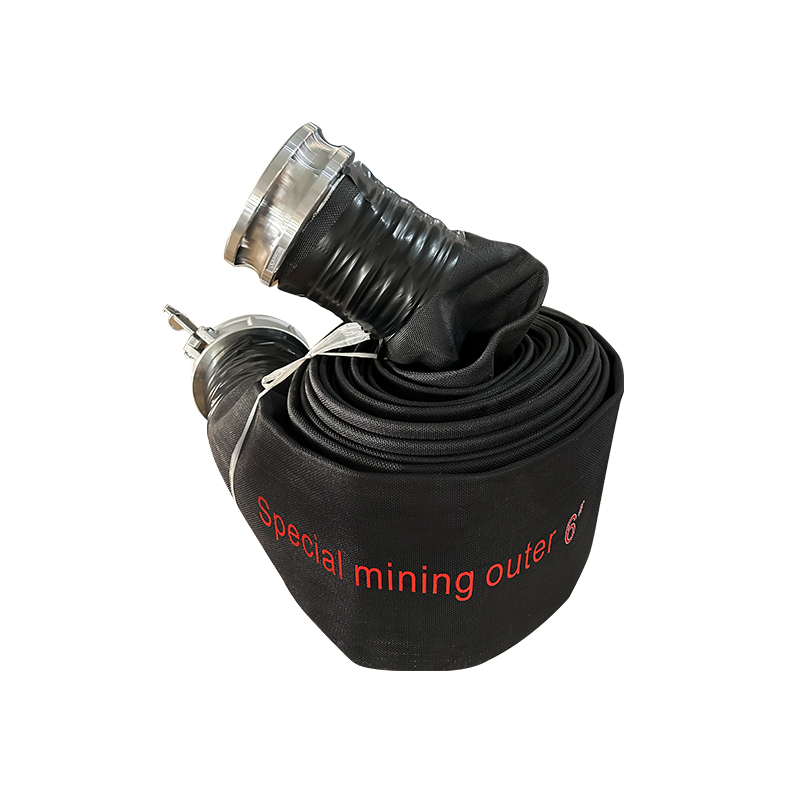
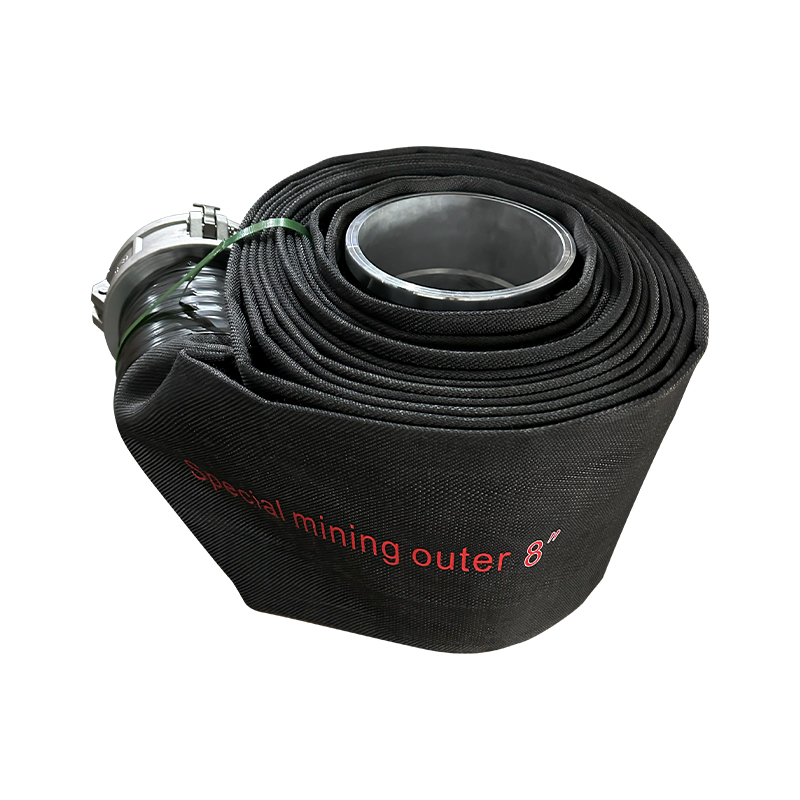
Authentic TPU-lined hoses bear manufacturer markings (brand, SAE spec, pressure rating, temperature range). Inspect the hose ID visually—TPU has a distinctive smooth, glossy appearance compared to rough rubber. Request certification documents from suppliers. Buy from established distributors with OEM relationships; counterfeit TPU hoses typically exhibit premature hardening and cracking within 2–3 years.