en
en
 عربى
عربى

Content
Picking the wrong TPU layflat hose usually shows up months later, not on day one: a burst seam under an irrigation pump, a hose that stiffens and cracks after a winter outdoors, or a slurry line that wears through at the first bend. The fix is simple once you know which four specs actually drive hose performance in the field.
What a TPU Layflat Hose Actually Is
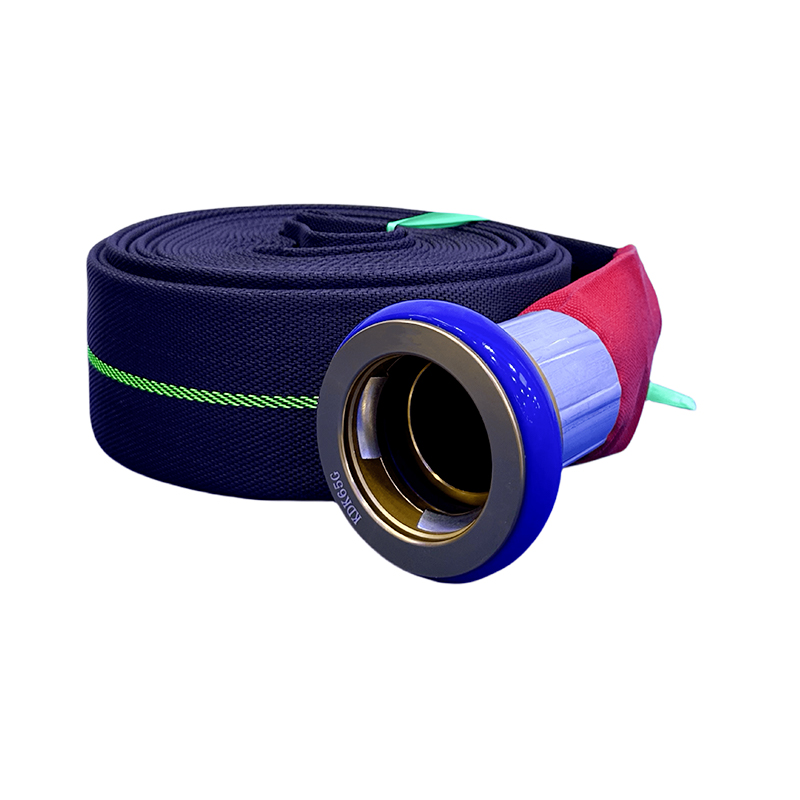
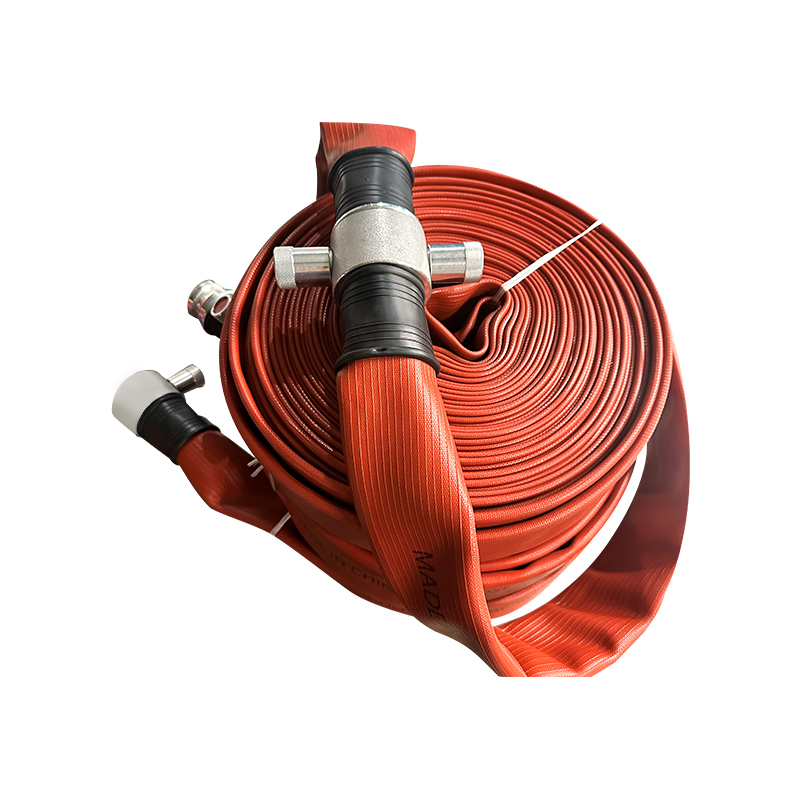
A TPU layflat hose is a flexible discharge and transfer hose built from thermoplastic polyurethane, engineered to fold flat for storage and open into a round cross-section under flow pressure. Compared with rubber or PVC layflat hose, the TPU jacket resists abrasion and oil contact at a lower wall thickness, which is why it has become the default choice on mobile pumping jobs where weight and packability matter as much as burst pressure.
Match the Hose to the Job Site
Application is the first filter, because it sets the abrasion and chemical exposure the hose jacket has to tolerate before pressure rating even enters the picture.
- 1
Farm irrigation and sprinkler feed — needs a hose light enough to roll and unroll daily across uneven ground, with UV-stable jacketing for season-long outdoor exposure.
- 2
Construction dewatering — drags across concrete, rock, and sand, so wall abrasion resistance matters more than raw pressure rating.
- 3
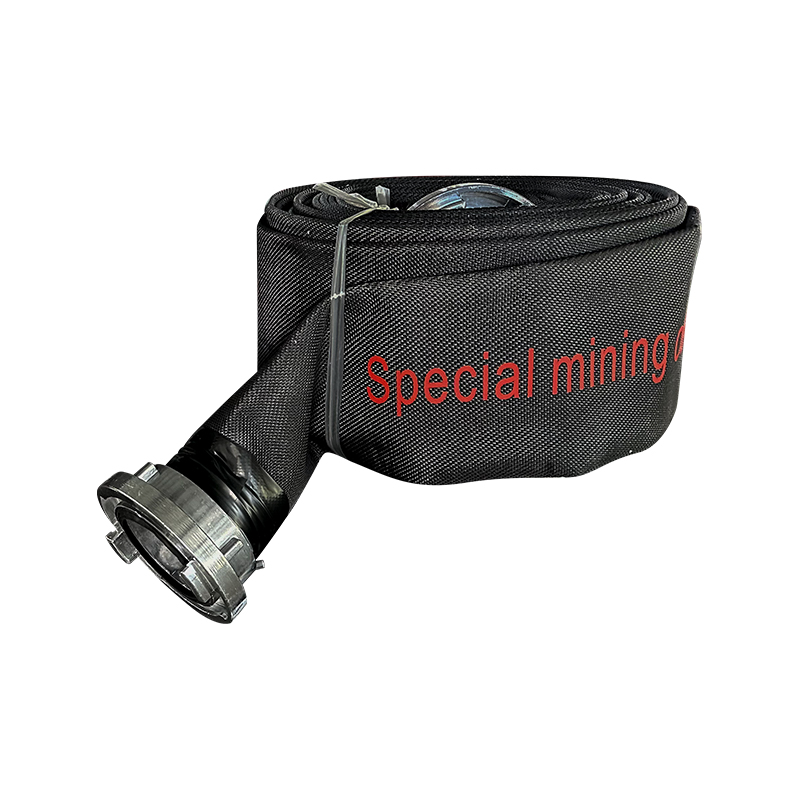
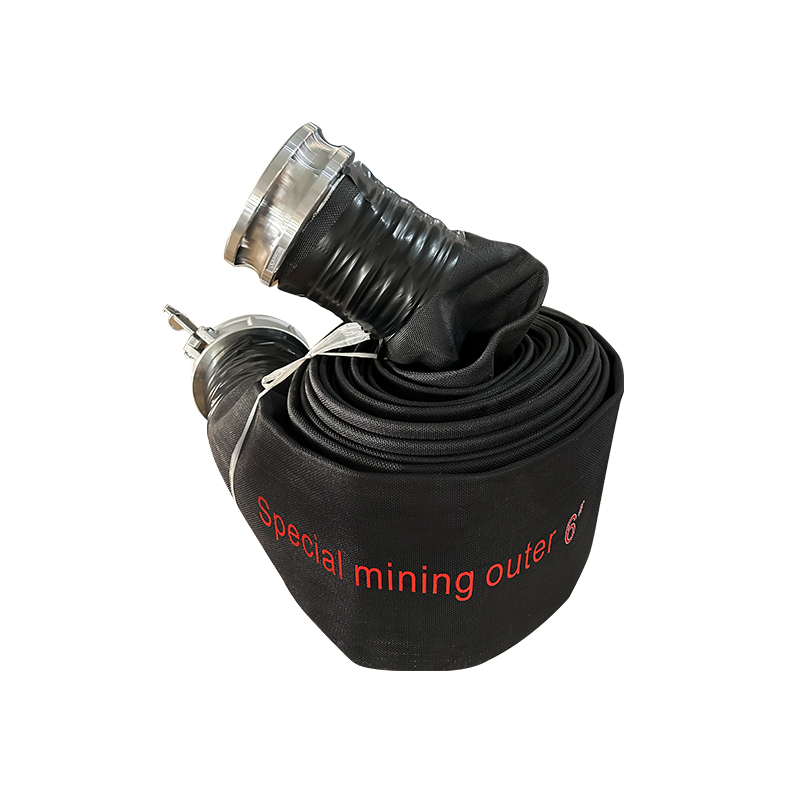
Mine drainage and slurry transfer — carries suspended mineral solids at high pressure over long runs, demanding heavy reinforcement layers.
- 4
Fire water supply — burst-pressure margin and fast rollout speed outweigh almost every other factor.
- 5
Industrial fluid transfer — chemical and temperature compatibility with the specific fluid handled, not just water, decides the TPU grade.
Get the Diameter Right for Your Flow Rate
Diameter is where most avoidable pressure loss happens. An undersized hose forces a pump to work harder for the same delivered flow, which shortens both pump and hose life.
Light irrigation runs and small transfer jobs where handling weight matters more than volume.
Standard farm irrigation, construction pumping, and most industrial transfer lines.
Mining dewatering and emergency drainage where flow capacity and lower pressure loss are the priority.
Set the Pressure Rating With a Real Safety Margin
Working pressure, burst pressure, and pump output need to line up with room to spare — not run at the edge of the hose's rated capacity.
| Low pressure | Gravity irrigation, short-distance transfer | Standard TPU jacket |
| Medium pressure | Agricultural pumps, construction drainage | Reinforced structure |
| High pressure | Firefighting, mine pumping | Heavy-duty reinforced TPU |
Choose Reinforcement for the Environment, Not Just the Pressure
Reinforcement layer determines tensile strength and abrasion life as much as pressure rating does. Polyester-reinforced TPU covers general irrigation and water transfer, while heavy-duty reinforced construction is built for mining, construction, and industrial sites where the hose is dragged over rough surfaces repeatedly.
A hose rated for the pump's peak pressure but chosen for the wrong environment fails at the jacket, not the seam.
TPU Layflat Hose vs PVC Layflat Hose
| Abrasion resistance | Excellent | Moderate |
| Flexibility | Higher | Good |
| Service life | Longer | Moderate |
| Chemical resistance | Better | Formulation-dependent |
| Heavy-duty suitability | Excellent | Limited |
For applications combining outdoor exposure, abrasive fluid content, or long service expectations, a TPU layflat hose generally outperforms PVC at a comparable wall thickness.
Frequently Asked Questions
What diameter do I need for a farm irrigation pump?
Match diameter to the pump's rated flow, not just the outlet size — an undersized hose creates pressure loss that shows up as reduced sprinkler performance at the far end of the line.
Can the same hose handle both irrigation and construction dewatering?
Only if it carries reinforced construction and abrasion-resistant jacketing; a light irrigation-grade hose wears through quickly when dragged across concrete or rock.
How much pressure safety margin should I leave?
Keep working pressure meaningfully below the hose's rated burst pressure, sized to the pump's actual peak output rather than its average operating pressure.
Does UV exposure really shorten hose life?
Yes — hoses left outdoors without UV-stable jacketing lose flexibility and crack faster than the same hose used seasonally and stored indoors.