en
en
 عربى
عربى

Content
- 1 1. Structural Integrity: The Through-the-Weave Extrusion Advantage
- 2 2. Superior Abrasion Resistance in Harsh Terrains
- 3 3. Operational Efficiency: Handling and Flow Dynamics
- 4 Conclusion: Maximizing ROI in Hydraulic Fracturing
- 4.1 Frequently Asked Questions (FAQ)
- 4.1.1 1. What is the maximum TPU lay flat hose working pressure for a 10-inch diameter?
- 4.1.2 2. Is the chemical resistance of TPU lay flat hose sufficient for fracking fluids?
- 4.1.3 3. How does the best TPU lay flat hose for long distance water transfer handle cold weather?
- 4.1.4 4. How to repair a damaged TPU lay flat hose in the field?
- 4.1.5 5. Are there specific TPU lay flat hose safety standards I should look for?
- 4.2 Industry References
- 4.1 Frequently Asked Questions (FAQ)
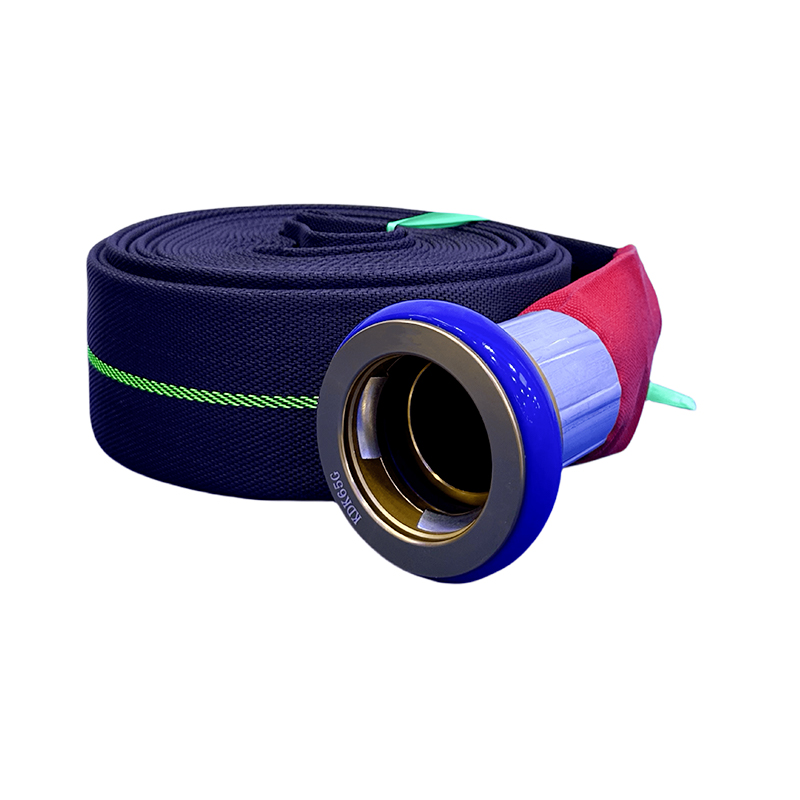
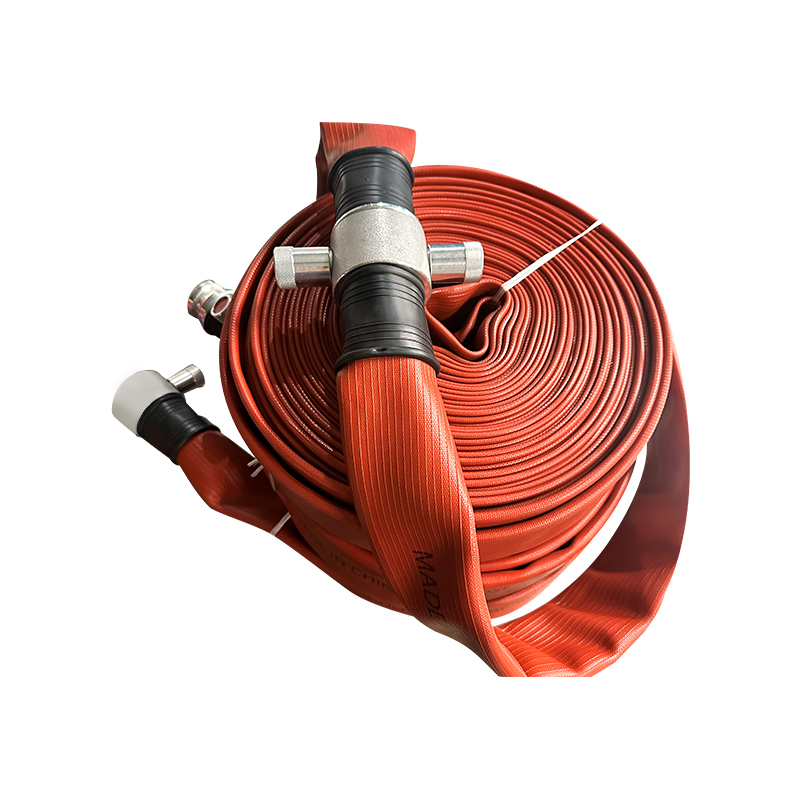
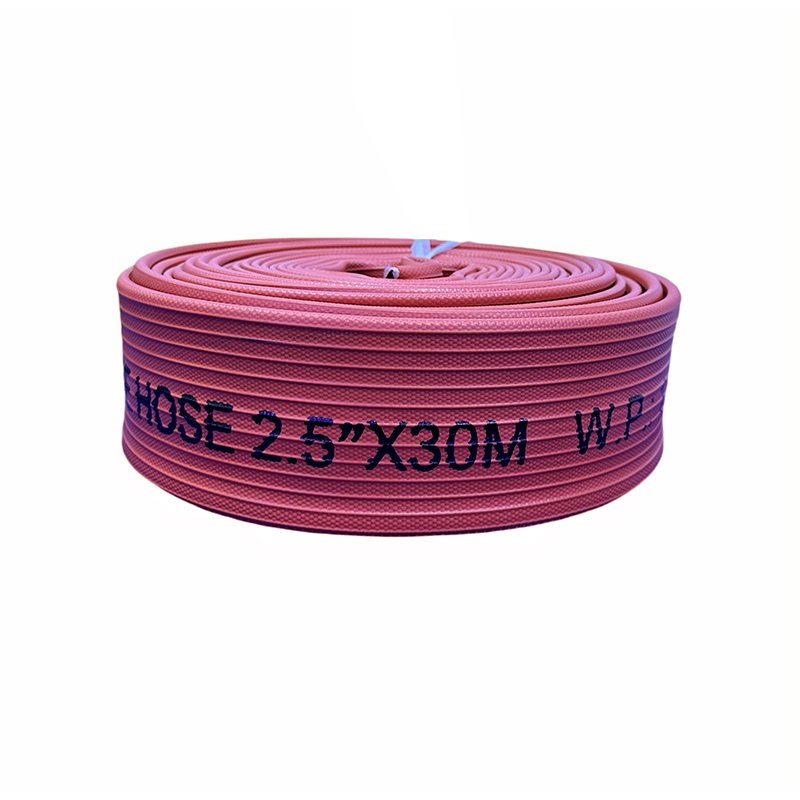
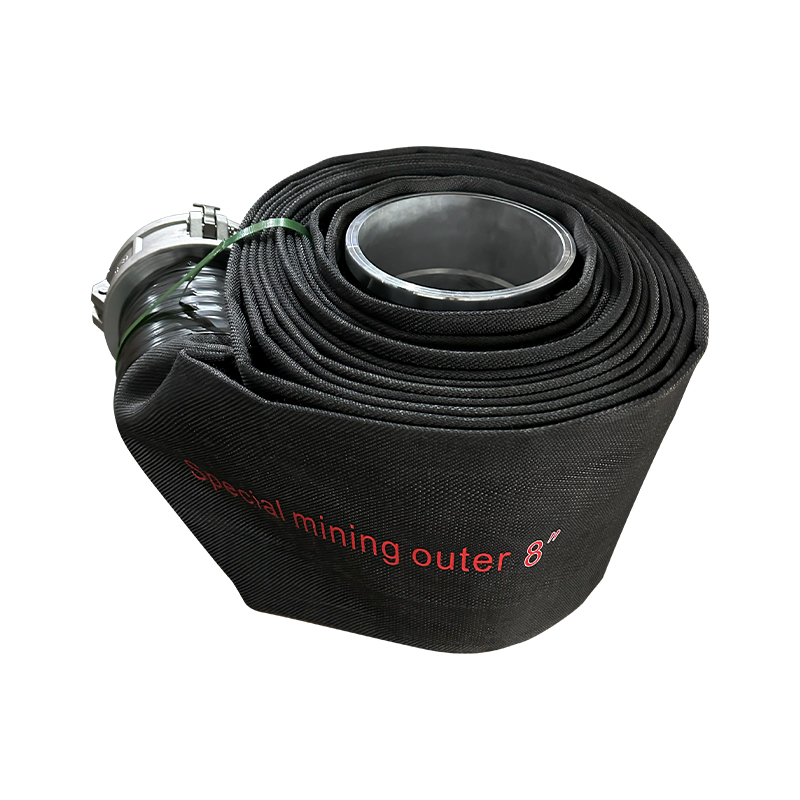
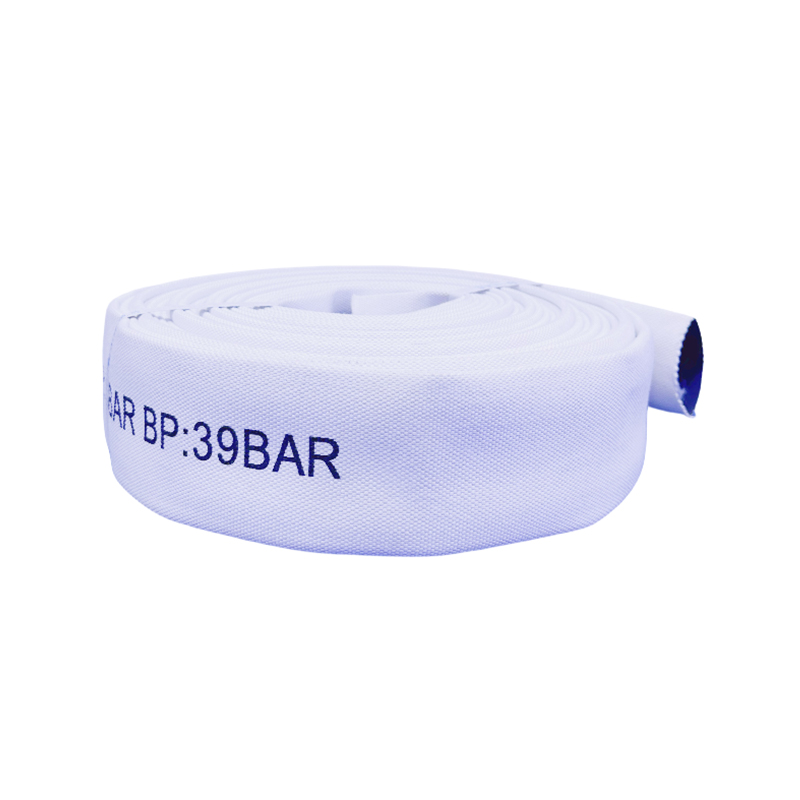
In the demanding landscape of unconventional energy extraction, the efficiency of water logistics can determine the overall success of a hydraulic fracturing operation. For shale gas applications, the TPU lay flat hose has become the industry benchmark for high-volume water transfer. Taizhou Jun'an Fire Technology Co., Ltd., strategically located near the world's largest trading port in Shanghai, specializes in the production of high-performance fire and industrial hoses. Our advanced production lines and senior technical designers allow us to manufacture rubber, PVC, and TPU lay flat hose products that absorb the technical advantages of global innovations. This article analyzes the engineering superiority of through-the-weave extruded technology and why it is essential for the rigors of the oil and gas sector.
1. Structural Integrity: The Through-the-Weave Extrusion Advantage
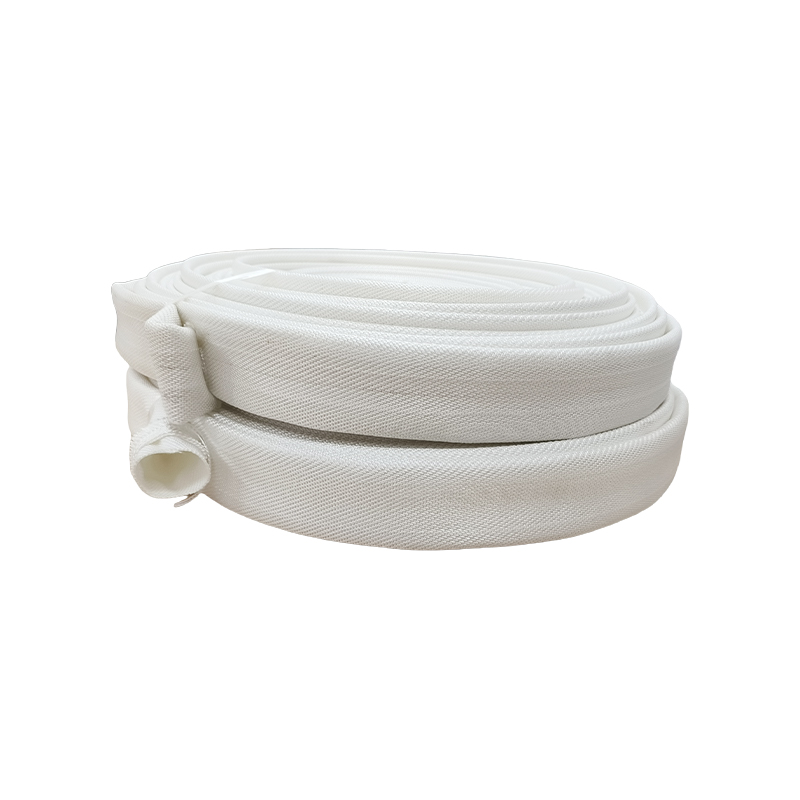
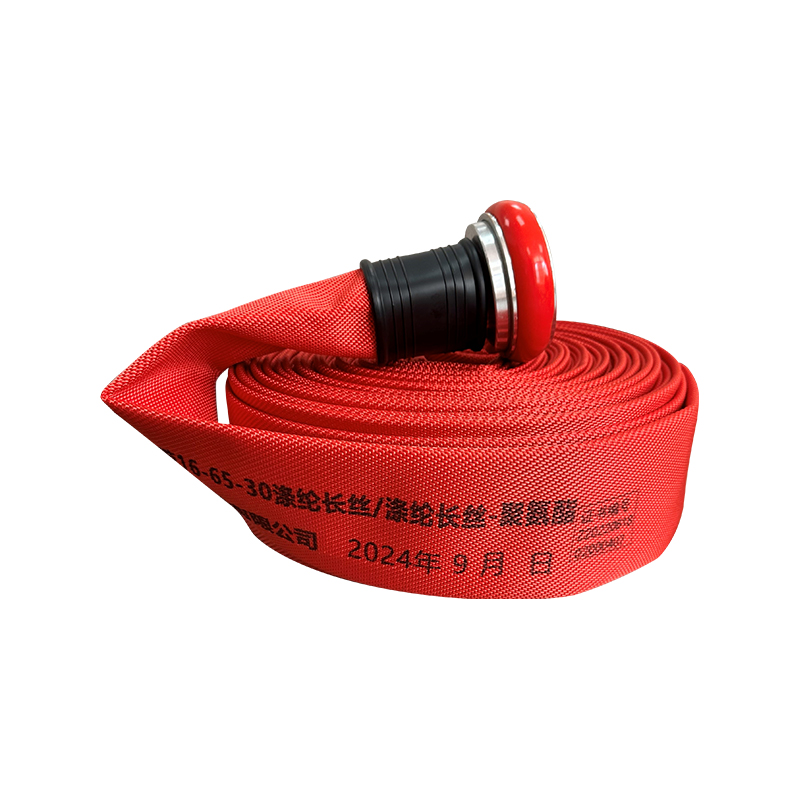
The primary technical differentiator in high-end water transfer is the manufacturing method. A through-the-weave extruded TPU hose is created by extruding molten thermoplastic polyurethane through a circular woven polyester reinforcement in a single process. This creates a monolithic structure where the inner and outer layers are physically locked together through the fabric voids. When comparing TPU vs Nitrile rubber lay flat hose, the TPU variant offers significantly higher tensile strength and a lower weight profile, which is critical for rapid deployment. Unlike traditional glued or multi-stage laminated hoses, the benefits of through-the-weave TPU extrusion include the total elimination of delamination, even under extreme pulsation. This high pressure TPU fracturing hose technology ensures that the reinforcement remains protected from both internal hydraulic shock and external environmental stressors.
Mechanical Bonding Comparison
- Single-Process Extrusion: Interlocks the TPU with the textile reinforcement for zero-delamination performance.
- Traditional Lamination: Relies on adhesives that can degrade over time, especially when exposed to fracking chemicals.
| Technical Feature | Laminated Hose | Through-the-Weave TPU Lay Flat Hose |
| Delamination Risk | High (Adhesive failure) | None (Mechanical lock) |
| Tensile Strength | Moderate | Excellent (High-Tenacity Polyester) |
| Deployment Weight | Heavier (Rubber based) | Ultra-Lightweight |
2. Superior Abrasion Resistance in Harsh Terrains
Shale gas sites are often located in rocky, abrasive environments where hoses are dragged across rough ground. Abrasion resistant TPU hose for mining and oilfield use must withstand thousands of drag cycles without losing wall thickness. The TPU lay flat hose features a high molecular weight cover that is inherently tougher than PVC or rubber. When comparing TPU vs PVC lay flat hose durability, TPU can withstand up to 50 times more abrasion than PVC, making it much more cost-effective over its lifecycle. Furthermore, the chemical resistance of TPU lay flat hose allows it to transport produced water or brackish water containing trace hydrocarbons and fracking additives without swelling or softening. For engineers, the TPU lay flat hose working pressure of 200-300 PSI (depending on diameter) provides the necessary safety factor for long-distance transfers.
Durability and Surface Performance Sequence
- Outer Cover Hardness: Specifically formulated TPU resists "scuffing" and cutting from sharp gravel.
- Microbe Resistance: TPU is naturally resistant to the bacteria found in stagnant water sources used for fracturing.
- UV Stability: Integrated stabilizers prevent the polymer chains from breaking down during long-term outdoor exposure.
| Material Type | Abrasion Cycles (Standard Test) | Environment Suitability |
| PVC Compound | ~500 Cycles | Agricultural/Light Duty |
| Nitrile Rubber | ~2,500 Cycles | Industrial/Oilfield |
| TPU Lay Flat Hose | 10,000+ Cycles | Shale Gas/Heavy Mining |
3. Operational Efficiency: Handling and Flow Dynamics
Time is money in oilfield logistics. The best TPU lay flat hose for long distance water transfer is designed with an ultra-smooth inner lining to minimize friction loss. Reduced friction means lower pumping energy requirements and higher flow rates at the discharge end. Additionally, large diameter TPU lay flat hose (typically 8 to 12 inches) can be rolled into compact coils, allowing for more footage to be transported per truckload compared to rigid HDPE piping. Understanding how to repair a damaged TPU lay flat hose is also vital; most minor punctures can be quickly addressed in the field with specialized patch kits or sleeves, minimizing downtime. Taizhou Jun'an Fire Technology provides these high-quality solutions, ensuring TPU lay flat hose safety standards are met for both domestic and international customers through our OEM and ODM capabilities.
Conclusion: Maximizing ROI in Hydraulic Fracturing
In conclusion, the through-the-weave extruded TPU lay flat hose represents the pinnacle of flexible piping technology for the shale gas industry. Its resistance to delamination, superior abrasion profile, and high-pressure capacity make it a far better investment than Nitrile or PVC alternatives. By reducing deployment time and maintenance costs, it provides a clear competitive edge. Taizhou Jun'an Fire Technology is dedicated to providing these first-class equipment solutions and high-quality after-sales service, helping our global partners achieve reliable and efficient water transfer in the most challenging environments.
Frequently Asked Questions (FAQ)
1. What is the maximum TPU lay flat hose working pressure for a 10-inch diameter?
Depending on the reinforcement weave, a 10-inch TPU lay flat hose typically handles a working pressure of 150 to 225 PSI, with a burst pressure rating of 3 times the working pressure for safety.
2. Is the chemical resistance of TPU lay flat hose sufficient for fracking fluids?
Yes. TPU is highly resistant to oils, fats, and many chemicals. However, for highly concentrated chemical mixtures, it is always recommended to check the specific chemical compatibility chart provided by Taizhou Jun'an designers.
3. How does the best TPU lay flat hose for long distance water transfer handle cold weather?
The TPU materials used in our hoses remain flexible at temperatures as low as -50°C, which is significantly better than PVC, which becomes brittle and prone to cracking in sub-zero conditions.
4. How to repair a damaged TPU lay flat hose in the field?
Minor leaks can be repaired using an external clamp or a vulcanized patch kit. For larger sections, a new set of field-attachable couplings can be used to join two healthy segments of hose.
5. Are there specific TPU lay flat hose safety standards I should look for?
Hoses should be tested to meet or exceed NFPA 1961 or equivalent industrial standards for pressure retention, tensile strength, and abrasion resistance to ensure operator safety during high-flow transfers.
Industry References
- NFPA 1961: Standard on Fire Hose (Technical guidelines for pressure and material testing).
- API RP 15WT: Recommended Practice for Layflat Hose Systems for Water Transfer.
- ISO 9001: Quality Management Systems in Hose Manufacturing.
- Taizhou Jun'an Technical Whitepaper: "Extrusion Through-the-Weave vs. Lamination: A Comparative Study" (2025).