en
en
 عربى
عربى

Content
- 1 1. Material Science: Why EPDM Outlasts PVC and PU
- 2 2. Operational Reliability: Friction Loss and Pressure Handling
- 3 3. Total Cost of Ownership (TCO) and ROI
- 4 Conclusion: The Professional Standard
- 4.1 Frequently Asked Questions (FAQ)
- 4.1.1 1. What is an EPDM lined fire hose exactly?
- 4.1.2 2. Is the EPDM fire hose heat resistance sufficient for wildland firefighting?
- 4.1.3 3. How to maintain EPDM fire hoses for maximum life?
- 4.1.4 4. Are there specific reasons to choose EPDM lined hoses over polyurethane (PU)?
- 4.1.5 5. Can I get a flexible EPDM lined hose for firefighting in custom lengths?
- 4.2 Industry References
- 4.1 Frequently Asked Questions (FAQ)
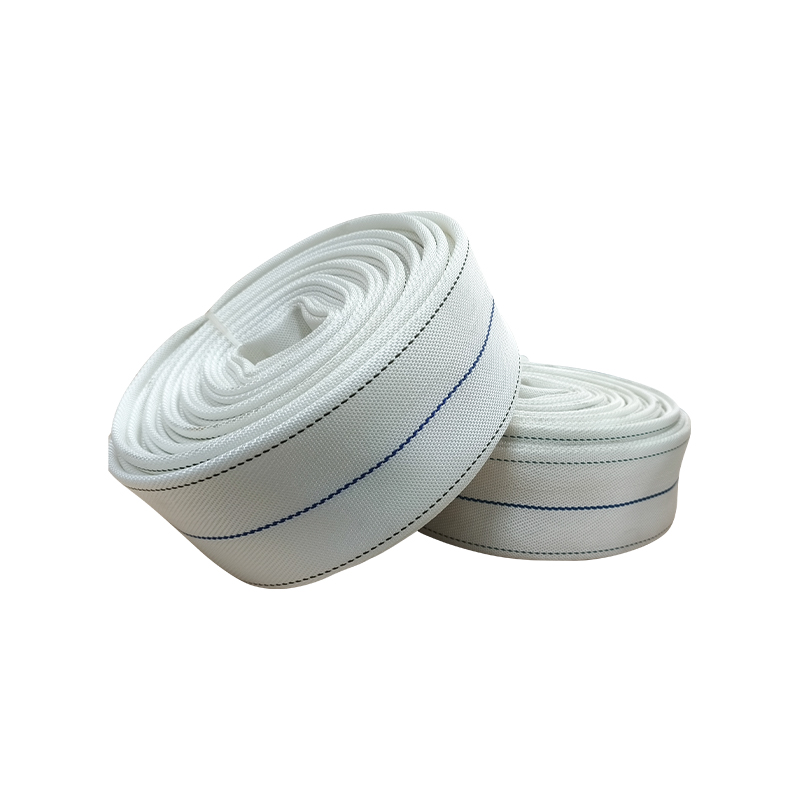
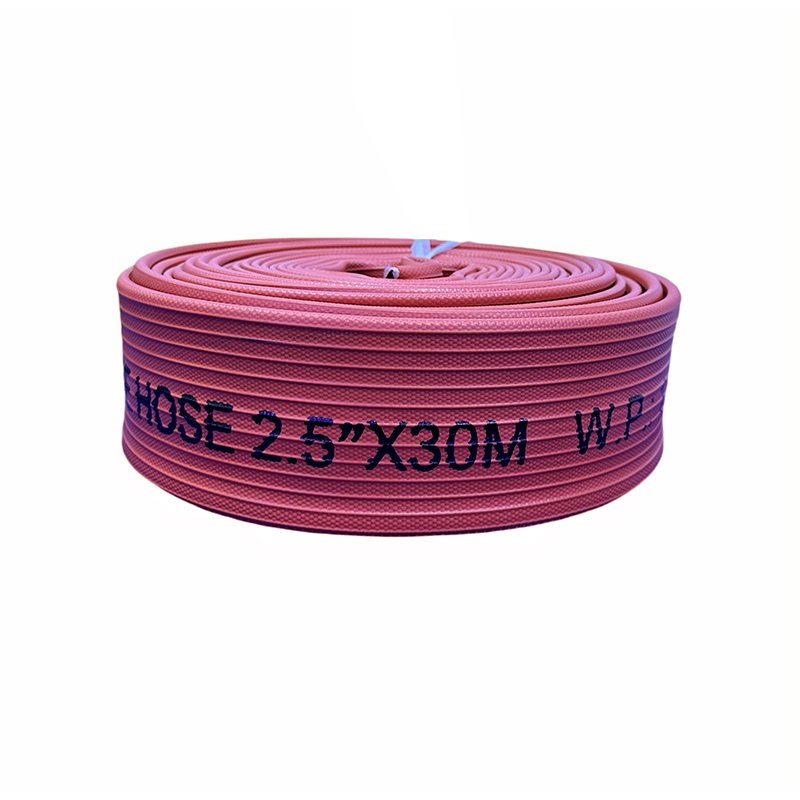
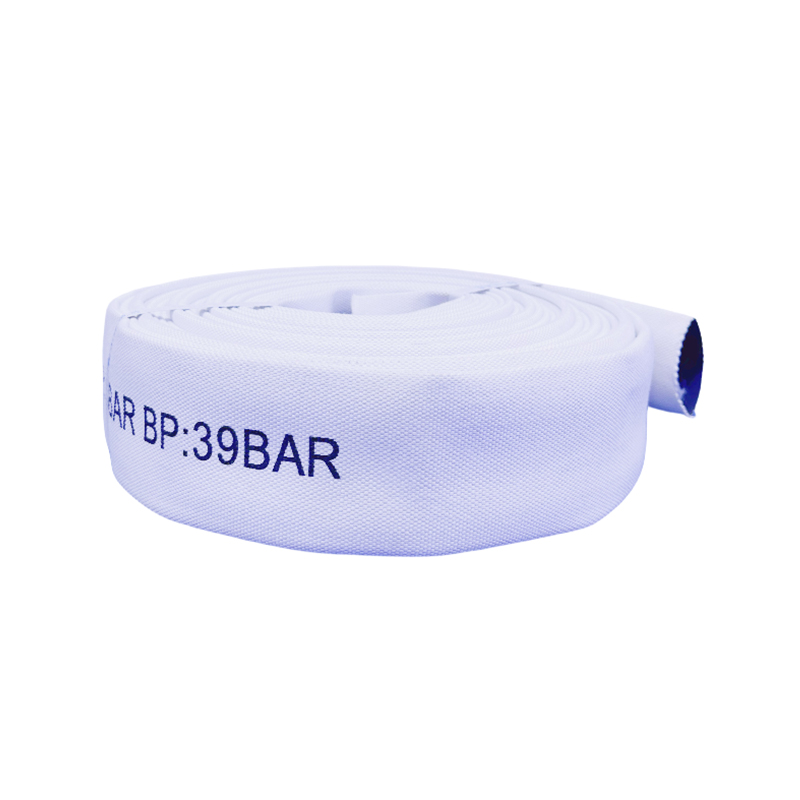
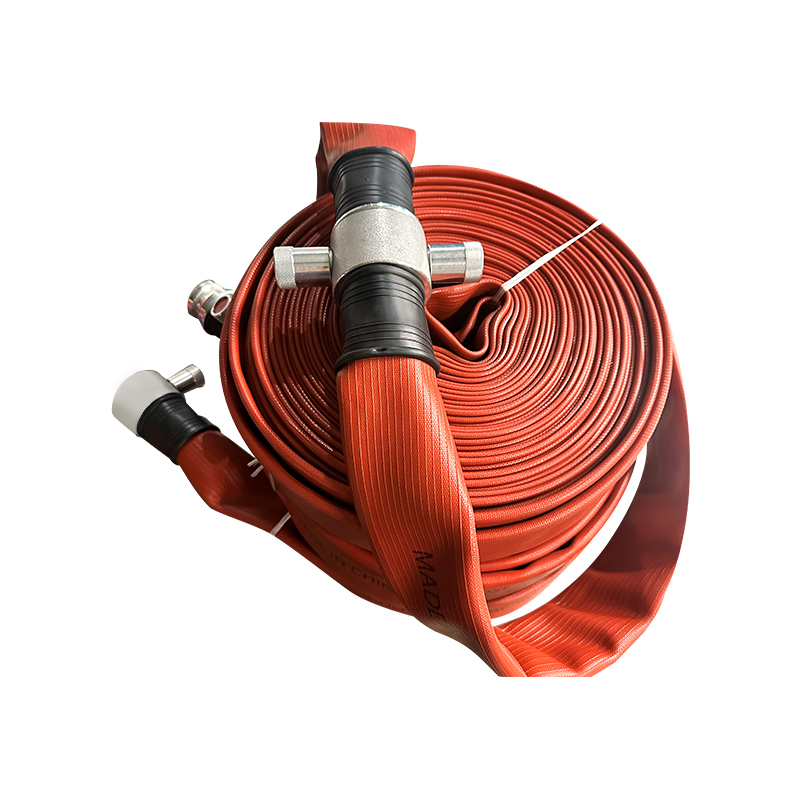
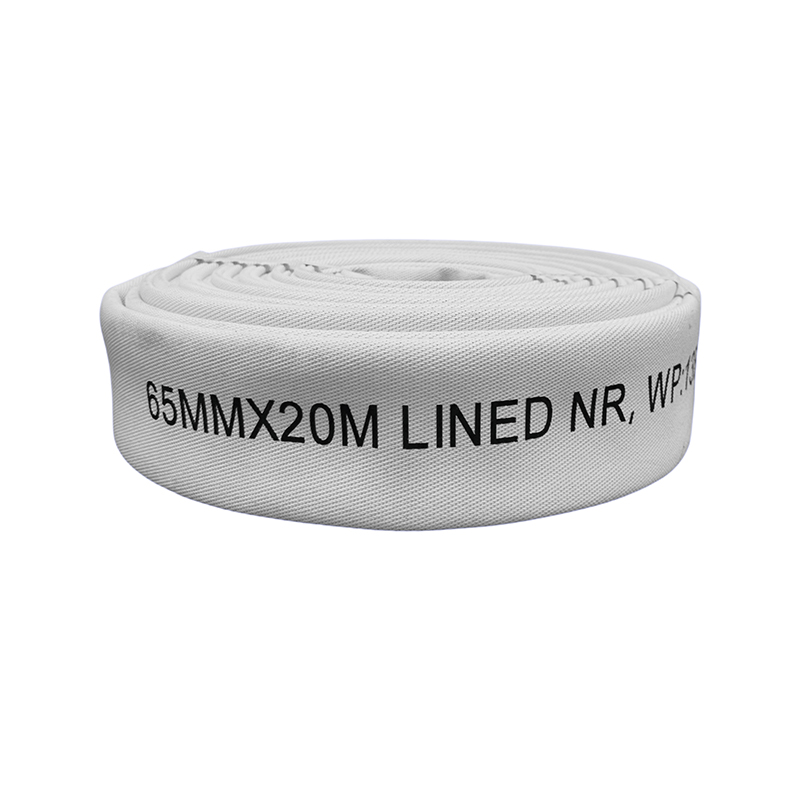
In the high-stakes field of fire suppression, the mechanical integrity of water delivery systems is the bottleneck of operational success. Choosing an EPDM Lined Fire Hose is often viewed as a premium choice, but from an engineering perspective, it is a strategic investment in infrastructure longevity. Taizhou Jun'an Fire Technology Co., Ltd., strategically located near Shanghai, specializes in the R&D and manufacturing of high-performance fire equipment. Our expertise in designing rubber, PVC, and EPDM Lined Fire Hose products allows us to provide municipal and industrial sectors with equipment that absorbs the best global technological advantages. This article analyzes the benefits of EPDM fire hose lining and why its molecular stability offers superior ROI compared to low-cost alternatives.
1. Material Science: Why EPDM Outlasts PVC and PU
The core of a durable EPDM lined fire hose lies in its Ethylene Propylene Diene Monomer (EPDM) synthetic rubber. Unlike PVC, which can become brittle over time due to plasticizer migration, or TPU, which may be susceptible to hydrolysis in certain environments, EPDM is a saturated polymer chain. This makes it exceptionally resistant to heat, ozone, and oxidation. When comparing EPDM vs PVC lined fire hoses, the EPDM variant maintains its flexibility at much lower temperatures, preventing the "cracking" failure mode common in cheaper hoses. For engineers, the EPDM fire hose heat resistance is a non-negotiable factor when operating near structural fires or in high-ambient-temperature industrial zones. Sourcing from a reliable EPDM fire hose manufacturer ensures that the lining is vulcanized perfectly to the polyester jacket, preventing delamination.
Lining Material Technical Comparison
- PVC Lining: Economical but prone to UV degradation and cold-weather stiffness.
- EPDM Lining: High thermal stability and excellent ozone resistance in fire hoses, extending service life significantly.
| Technical Metric | PVC Lined Hose | EPDM Lined Fire Hose |
| Temperature Range | -5°C to +45°C | -40°C to +150°C |
| Aging Resistance | Moderate (5-7 years) | Excellent (15+ years) |
| Chemical Resistance | Low to Moderate | High (Acids, Alkalis, Ozone) |
2. Operational Reliability: Friction Loss and Pressure Handling
The internal surface smoothness of a high pressure EPDM fire hose directly impacts hydraulic efficiency. EPDM provides a consistent, glass-smooth waterway that reduces turbulence and friction loss. This allows for higher nozzle pressure and greater reach, which are critical reasons to choose EPDM lined hoses for high-rise or long-distance water relay. Furthermore, EPDM fire hose pressure ratings are typically more stable over the product's lifespan. While lightweight fire hose alternatives might offer ease of handling, they often sacrifice the "kink resistance" that a robust EPDM lining provides. When calculating the EPDM fire hose lifespan in industrial use, the reduction in pump energy and the prevention of hose bursts justify the initial price gap.
Performance Sequence for Firefighters
- Rapid Deployment: The flexible EPDM lined hose for firefighting remains easy to coil even in sub-zero conditions.
- Hydraulic Efficiency: Smooth lining ensures maximum GPM (Gallons Per Minute) delivery at the nozzle.
- Kink Recovery: The elastic memory of EPDM allows the hose to regain shape quickly if folded during an advance.
- Post-Incident Recovery: High resistance to mold and mildew means the EPDM Lined Fire Hose requires less intensive drying compared to natural rubber.
| Operational Factor | Standard Utility Hose | Durable EPDM Lined Fire Hose |
| Friction Loss | High (Surface irregularities) | Ultra-Low (Smooth Vulcanized) |
| Kink Resistance | Poor (Collapses under low pressure) | High (Maintains structural lumen) |
| Maintenance Needed | High (Must be dried thoroughly) | Low (Naturally rot-resistant) |
3. Total Cost of Ownership (TCO) and ROI
For procurement officers, the fire hose cost vs. durability analysis is the ultimate deciding factor. A heavy duty EPDM lined hose might cost 20-30% more upfront than a PVC-lined equivalent. However, if the EPDM hose lasts 15 years while the cheaper alternative requires replacement every 5 years, the EPDM option is 50% cheaper over the long term. This doesn't even account for the "hidden costs" of failure, such as property damage or injury. Understanding how to maintain EPDM fire hoses is simple, further lowering operational costs. Taizhou Jun'an Fire Technology provides OEM and ODM services to ensure that our EPDM Lined Fire Hose meets your specific environmental requirements, providing a tailor-made solution that maximizes your firefighting equipment investment.
Conclusion: The Professional Standard
In conclusion, the long-term durability of an EPDM Lined Fire Hose far outweighs the initial investment. Its superior thermal range, ozone resistance, and hydraulic efficiency make it the only logical choice for professionals who cannot afford equipment failure. By absorbing global product advantages and utilizing modern production equipment, Taizhou Jun'an is dedicated to providing high-quality fire equipment that protects both lives and budgets. Choosing EPDM is not just buying a hose; it is securing a decade of reliable service.
Frequently Asked Questions (FAQ)
1. What is an EPDM lined fire hose exactly?
It is a fire hose featuring a high-tenacity polyester jacket with an internal lining made of Ethylene Propylene Diene Monomer (EPDM) synthetic rubber, known for its extreme durability and weather resistance.
2. Is the EPDM fire hose heat resistance sufficient for wildland firefighting?
Yes. EPDM can withstand significantly higher temperatures than PVC or PU without melting or bonding to itself, making it ideal for the intense heat cycles found in wildland and industrial fires.
3. How to maintain EPDM fire hoses for maximum life?
EPDM is naturally resistant to rot and ozone. Maintenance involves regular pressure testing, rinsing off corrosive chemicals after use, and avoiding prolonged storage in direct, intense sunlight when not in use.
4. Are there specific reasons to choose EPDM lined hoses over polyurethane (PU)?
While PU is lighter, EPDM is much more resistant to aging and ozone. In permanent fire cabinets or outdoor hydrants where the hose sits for long periods, EPDM won't degrade as quickly as PU.
5. Can I get a flexible EPDM lined hose for firefighting in custom lengths?
Yes. As a professional manufacturer, Taizhou Jun'an offers OEM and ODM services, allowing for custom lengths, couplings, and jacket colors to meet your specific fire department's needs.
Industry References
- NFPA 1961: Standard on Fire Hose - National Fire Protection Association.
- ISO 14557: Fire-fighting hoses — Rubber and plastics suction hoses and hose assemblies.
- BS 6391: Specification for non-percolating layflat delivery hoses and hose assemblies for fire fighting purposes.
- Jun'an Technical Lab: "Hydraulic Friction Loss Comparison of EPDM vs. PVC Synthetic Linings" (2025).