en
en
 عربى
عربى

Content
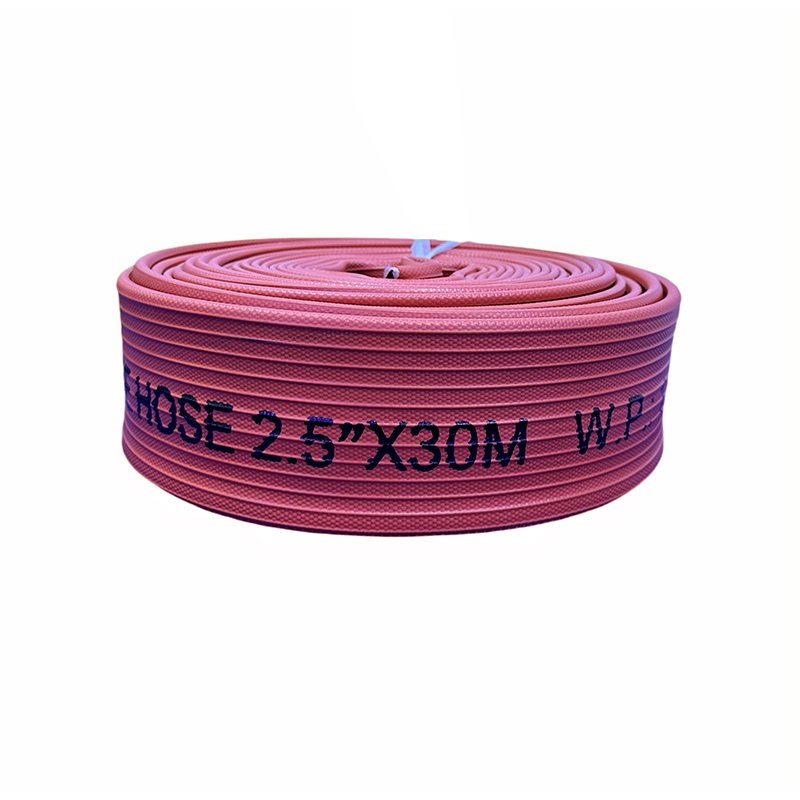
In the high-stakes field of municipal and industrial firefighting, the mechanical durability of water delivery systems is paramount. Engineers and procurement officers often debate the merits of a Synthetic Rubber Fire Hose versus traditional double-jacket textile-covered hoses. While double-jacket hoses have long been the industry standard for high-pressure municipal use, advancements in polymer science have positioned heavy duty nitrile rubber discharge hose solutions as the superior choice for aggressive environments. Taizhou Jun'an Fire Technology Co., Ltd., located near the Shanghai trading hub, specializes in the R&D and manufacture of high-performance rubber, PVC, and PU lined hoses, offering first-class equipment designed to withstand extreme abrasive forces.
1. Material Architecture and Surface Friction
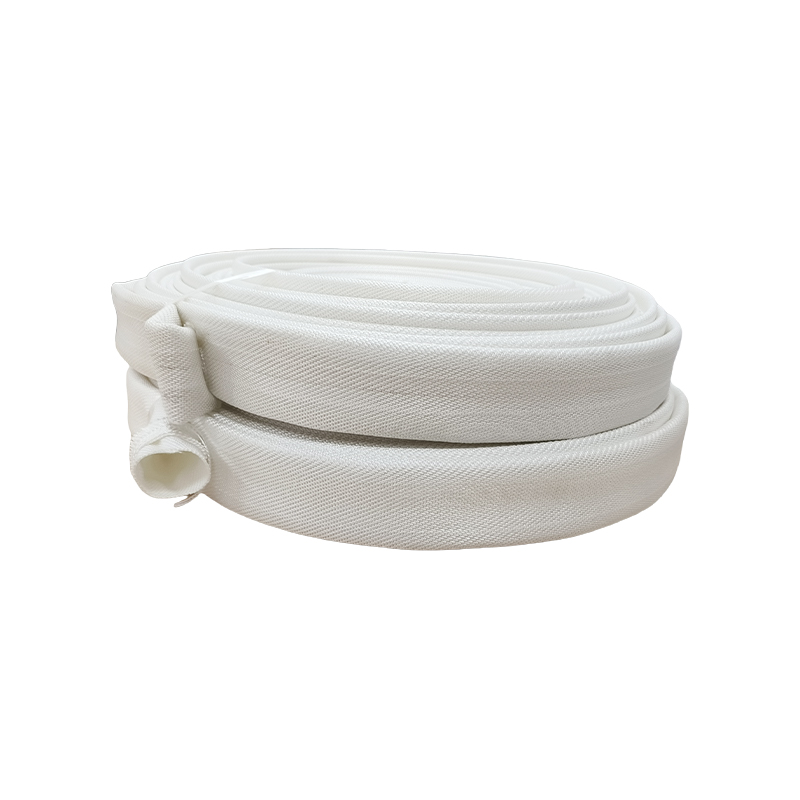
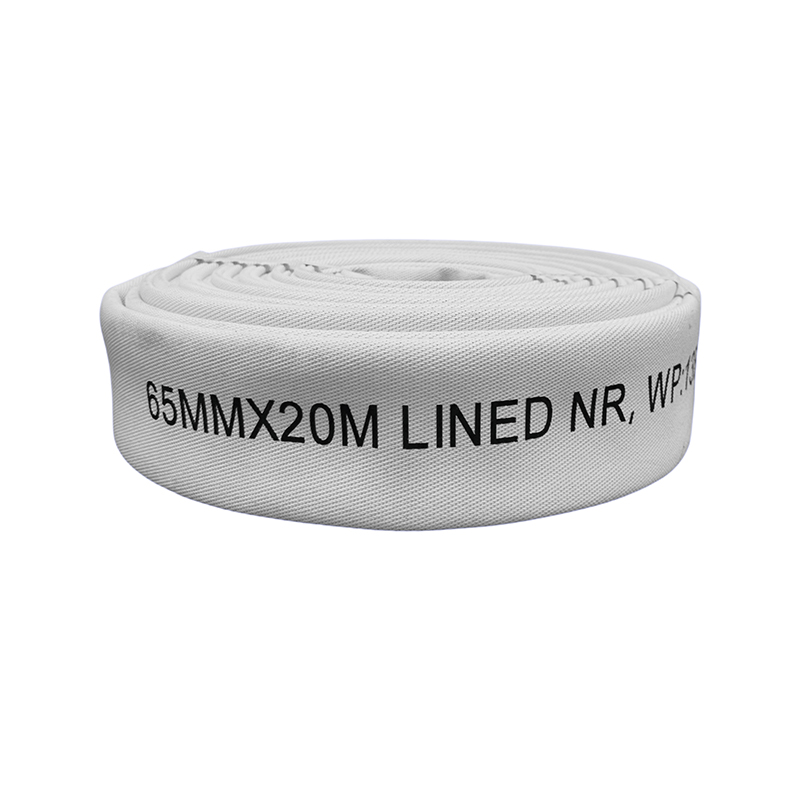
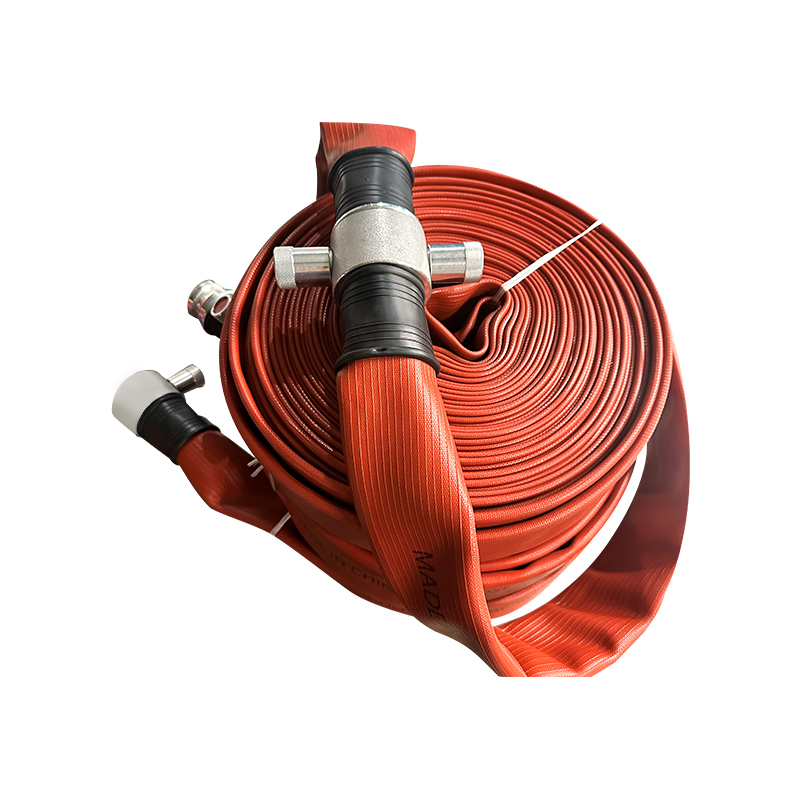
The abrasion resistance of a Synthetic Rubber Fire Hose is primarily derived from its "through-the-weave" construction, where the nitrile rubber (NBR) or NBR/PVC blend is extruded through the circular woven reinforcement. This creates a unified structure that protects the textile core from external friction. Conversely, a traditional double-jacket hose relies on two layers of polyester yarn. While the outer jacket provides structural support, it is susceptible to "snagging" and fraying when dragged across concrete or debris. A nitrile rubber through-the-weave fire hose provides a smooth, low-friction surface that slides efficiently over rough terrain without compromising the integrity of the pressure-bearing carcass.
In terms of surface wear, synthetic rubber offers a non-permeable barrier that resists penetration by grit and gravel, whereas double-jacket hoses can trap abrasive particles between the layers, leading to internal wear.
| Performance Metric | Synthetic Rubber (Through-the-Weave) | Traditional Double-Jacket Hose |
| External Wear Mechanism | Surface erosion (uniform) | Jacket fraying and snagging |
| Grit Entrapment | None (smooth exterior) | High (traps debris between jackets) |
| Drag Resistance | Low (hydrophobic rubber skin) | Moderate (absorbs water, increasing drag) |
Source: NFPA 1961:2024 Standard on Fire Hose Requirements and Test Methods
2. Chemical and Environmental Longevity
Abrasion resistance is often compromised by environmental degradation. A Synthetic Rubber Fire Hose is inherently engineered to resist ozone, ultraviolet (UV) radiation, and chemical exposure, which prevents the material from becoming brittle. When rubber becomes brittle, its abrasion resistance drops significantly. Meeting ozone resistant fire hose specifications is critical for long-term storage in industrial zones. Double-jacket hoses, while strong, are highly susceptible to "mildew rot" and chemical contamination if not dried and cleaned meticulously after every use, which eventually weakens the fibers and reduces abrasion tolerance.
Synthetic rubber maintains its flexibility and tensile strength in sub-zero temperatures better than saturated polyester jackets, which can freeze and become prone to cracking during abrasive contact.
| Environmental Factor | Synthetic Rubber Fire Hose | Double-Jacket Textile Hose |
| UV and Ozone Resistance | Excellent (Inherent polymers) | Moderate (Requires coatings) |
| Chemical Resistance | High (Resists oil/fuel) | Low (Fibers absorb contaminants) |
| Maintenance Needs | Wipe clean, no drying required | Must be washed and dried (mildew risk) |
Source: ISO 14557:2025 Fire-fighting hoses — Rubber and plastics suction hoses and hose assemblies
3. Industrial Resilience and Service Life
For B2B procurement, the total cost of ownership is tied to the hose's survival in "high-cycle" abrasive scenarios, such as oil resistant synthetic rubber hose for industry applications or mining. Recent technical breakthroughs in 2024 have introduced carboxylated nitrile blends into Synthetic Rubber Fire Hose production, which have shown a 20% increase in Taber abrasion resistance compared to standard NBR. Taizhou Jun'an Fire Technology incorporates these domestic and international advancements into our OEM and ODM services, ensuring our hoses provide an abrasion resistant fire hose for industrial use that exceeds standard municipal expectations.
Market statistics from 2025 indicate that industrial sectors are shifting 35% of their inventory toward through-the-weave rubber hoses due to their superior performance in contaminated environments where sharp metallic or rock debris is present.
4. Technical Advantages for Emergency Rescue
Beyond simple abrasion, emergency rescue equipment must handle "kink resistance" and pressure stability. A Synthetic Rubber Fire Hose maintains its circular cross-section better than a double-jacket hose when under-pressurized, which prevents localized wear spots from "kink-burn." At Taizhou Jun'an, our senior technical designers focus on the balance of the internal liner and external ribs to ensure that the hose remains easy to handle while providing a rugged shell that acts as a sacrificial layer against asphalt and rubble.
Conclusion: The Professional Sourcing Decision
While double-jacket hoses offer high burst pressure and traditional handling characteristics, the Synthetic Rubber Fire Hose is the definitive choice for environments where abrasion, chemical exposure, and low maintenance are the primary concerns. By choosing an abrasion resistant fire hose for industrial use from Taizhou Jun'an Fire Technology Co., Ltd., you are investing in a product backed by professional designers and modern production equipment. We look forward to establishing long-term business relationships by providing high-quality, high-durability fire-fighting solutions.
Frequently Asked Questions (FAQ)
- Does a Synthetic Rubber Fire Hose require drying after use?
No, unlike double-jacket hoses, the through-the-weave rubber construction does not absorb water, making it resistant to rot and eliminating the need for drying towers. - Can I use a heavy duty nitrile rubber discharge hose for oil-based liquids?
Yes, our oil resistant synthetic rubber hose for industry is specifically formulated to handle hydrocarbons without swelling or degrading the rubber matrix. - How does UV exposure affect these hoses?
Our hoses meet ozone resistant fire hose specifications, meaning they are designed to resist cracking and sun-damage even when used in outdoor industrial yards for extended periods. - What is "through-the-weave" construction?
It is a manufacturing process where the cover and liner are extruded simultaneously through the fabric reinforcement, creating a single, inseparable wall with maximum abrasion resistance. - Does Taizhou Jun'an provide custom lengths and couplings?
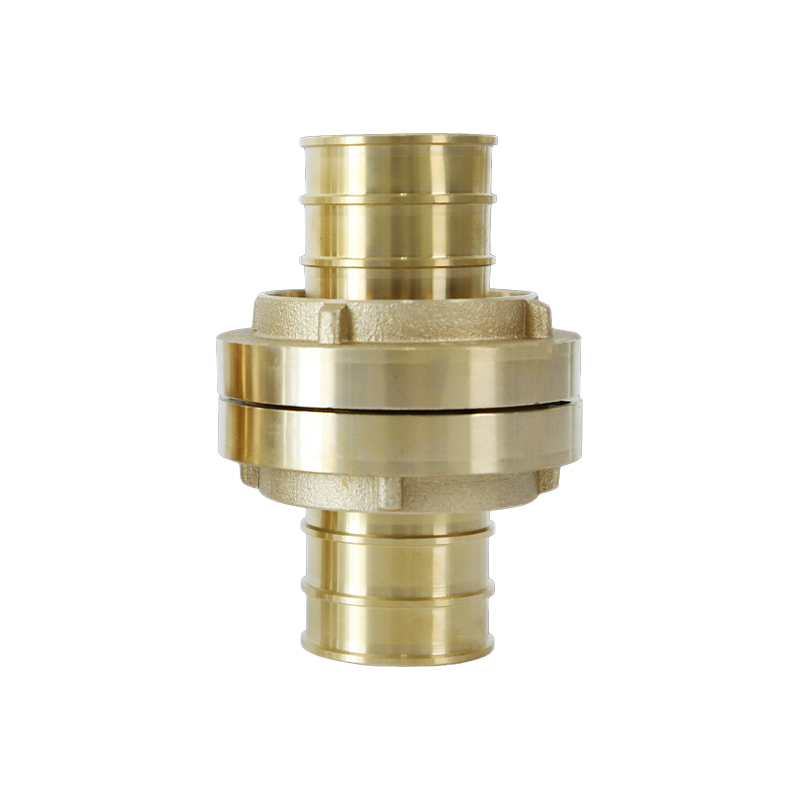
Yes, we offer full OEM and ODM services, including customized lengths and professional-grade couplings to suit your specific emergency rescue or agricultural needs.