en
en
 عربى
عربى

Content
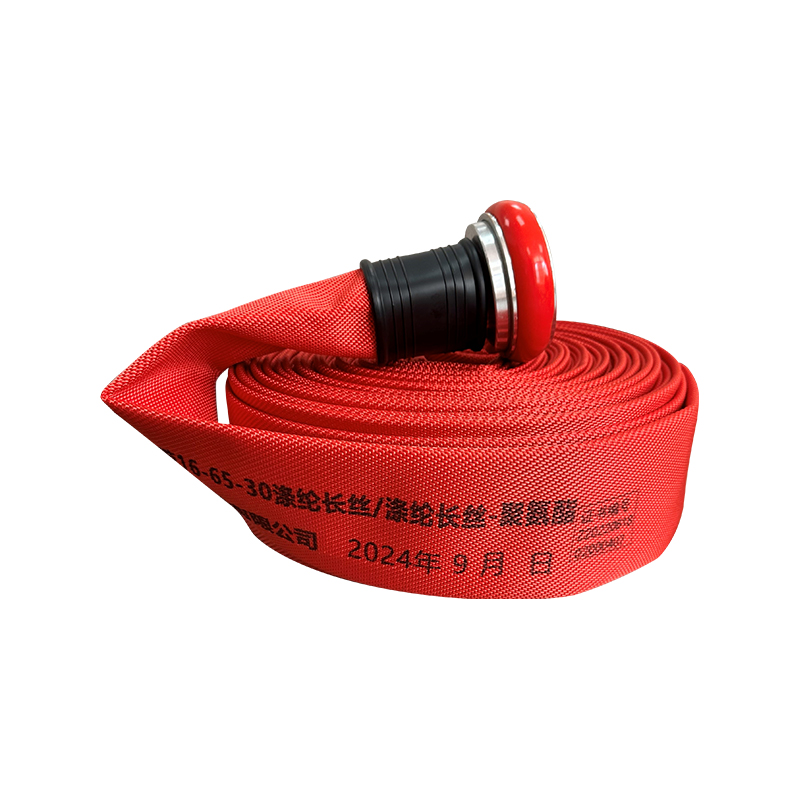
In the high-stakes environment of mining dewatering, the durability of fluid transfer systems is non-negotiable. Engineers and procurement officers often face the critical choice between traditional Nitrile rubber and modern Thermoplastic Polyurethane (TPU). While Nitrile has long been a staple, the TPU lay flat hose has redefined performance benchmarks in terms of wear resistance and longevity. Taizhou Jun'an Fire Technology Co., Ltd., strategically located near the Shanghai trading hub, specializes in the R&D and manufacturing of these advanced polymer solutions. By integrating professional design with high-quality PU lining technology, we produce heavy duty TPU discharge hose systems capable of withstanding the abrasive slurries and jagged terrains characteristic of emergency rescue and industrial mining operations.
1. The Molecular Advantage: TPU vs. Nitrile Rubber
The primary difference in abrasion resistance lies in the molecular structure of the materials. TPU is a block copolymer consisting of alternating sequences of hard and soft segments, which allows it to absorb and dissipate kinetic energy from abrasive particles much more effectively than the cross-linked network of Nitrile rubber. In mining applications where water contains high concentrations of sharp particulates, a high pressure TPU water transfer hose maintains its wall thickness far longer than rubber alternatives. According to technical bulletins released by the Mine Safety and Health Administration (MSHA) in 2024, the transition to high-tenacity synthetic linings in dewatering equipment has significantly reduced mechanical failures caused by external friction against rock surfaces.
Source: MSHA: Technological Advancements in Mining Fluid Transfer Systems 2024
Comparison: Material Resilience and Wear Factors
TPU demonstrates a much lower volume loss under standardized abrasion tests, whereas Nitrile rubber, being more susceptible to heat build-up and surface tearing, exhibits faster degradation when dragged across abrasive substrates.
| Property | Nitrile Rubber (NBR) | TPU lay flat hose |
| DIN Abrasion Resistance | Approx. 120 - 150 mm³ loss | Approx. 25 - 40 mm³ loss |
| Tensile Strength | 10 - 20 MPa | 40 - 60 MPa |
| Weight per Meter | Heavier; high labor intensity | Lightweight; 3x easier to deploy |
2. Performance in Aggressive Mining Slurries
Mining dewatering often involves pumping acidic or alkaline water laden with sand and gravel. An abrasion resistant mining hose made of TPU is chemically inert to most oils and fuels found in mining sites, unlike Nitrile which can swell or soften over time when exposed to certain hydrocarbons. The 2025 industry standard updates from the International Organization for Standardization (ISO) suggest that for high-volume discharge, TPU-lined hoses provide a 4 to 5 times longer service life in sliding abrasion scenarios. Taizhou Jun'an leverages this by using large diameter TPU hose for dewatering, ensuring that the internal friction loss is minimized while the external jacket remains intact under the constant vibration of high-flow pumps.
Source: ISO 8031:2024 - Rubber and Plastics Hoses and Hose Assemblies - Performance Criteria
3. Field Deployment and Operational Efficiency
Beyond raw material data, the "lay flat" design offers logistical advantages. In emergency rescue or rapid mine expansion, the ability to deploy miles of flexible TPU pipe for mine water quickly is paramount. Nitrile rubber hoses are typically thicker and heavier, which not only increases shipping costs but also makes them more prone to kinking. TPU's high modulus of elasticity allows for thinner walls without sacrificing burst pressure. This enables TPU lay flat hose to be coiled more tightly and deployed with less manpower, a critical factor for B2B wholesalers looking to optimize supply chain efficiency.
Comparison: Logistical Impact on Mining Sites
While Nitrile rubber remains a cost-effective solution for static, low-impact applications, the TPU alternative excels in dynamic environments where the hose is frequently moved and subjected to external abrasion.
| Operational Metric | Nitrile Rubber Hose | TPU lay flat hose |
| Deployment Speed | Slow; requires heavy machinery | Rapid; man-portable in smaller diameters |
| Flexibility at Low Temp | Poor (Hardens and cracks) | Superior (Remains flexible to -50°C) |
| Storage Space | Large; bulky coils | Minimal; high density storage |
4. Environmental Sustainability and Life Cycle Cost
From a technical procurement perspective, the Total Cost of Ownership (TCO) of heavy duty TPU discharge hose is significantly lower than Nitrile. Although the initial purchase price of TPU may be higher, the reduction in replacement frequency and maintenance labor makes it the more economical choice over a 5-year mining project. Furthermore, Taizhou Jun'an insists on utilizing "zero-leakage" manufacturing processes. As 2024 environmental regulations for mining operations tighten, the use of recyclable TPU materials helps enterprises meet sustainability targets while ensuring first-class after-sales service and high-performance emergency rescue capabilities.
Conclusion: Why TPU is the Engineer's Choice
When comparing TPU lay flat hose to Nitrile rubber for mining dewatering, the data overwhelmingly supports TPU in high-abrasion environments. Its superior tensile strength, resistance to chemical degradation, and logistical flexibility make it the ideal abrasion resistant mining hose. Taizhou Jun'an Fire Technology Co., Ltd. continues to push the boundaries of fire and agricultural hose design, providing our global partners with high-quality products that thrive where others fail. If your operation demands reliability under pressure, TPU is the technical standard for the future.
Frequently Asked Questions (FAQ)
- Is TPU lay flat hose resistant to sunlight? Yes, the TPU used in our heavy duty TPU discharge hose contains UV stabilizers to prevent degradation during long-term outdoor exposure in mining and agriculture.
- What is the temperature range for flexible TPU pipe for mine water? Our TPU hoses are engineered to operate effectively between -50°C and +80°C, maintaining flexibility where Nitrile rubber would fail.
- Can Taizhou Jun'an provide OEM services? Absolutely. We offer comprehensive OEM and ODM services to meet specific pressure and length requirements for international clients.
- How does the burst pressure of TPU compare to rubber? Due to the high-tenacity polyester reinforcement and TPU's strength, our high pressure TPU water transfer hose often exceeds the burst ratings of much thicker rubber hoses.
- Why is TPU considered better for abrasive slurries? Its "self-healing" molecular characteristics and high DIN abrasion rating allow it to resist the cutting action of sand and grit better than vulcanized rubber.