

 en
en
 عربى
عربى
Heat resistance and cold resistance, Environmental Protection, Wear resistant.
This product is a 4-inch special mining ...

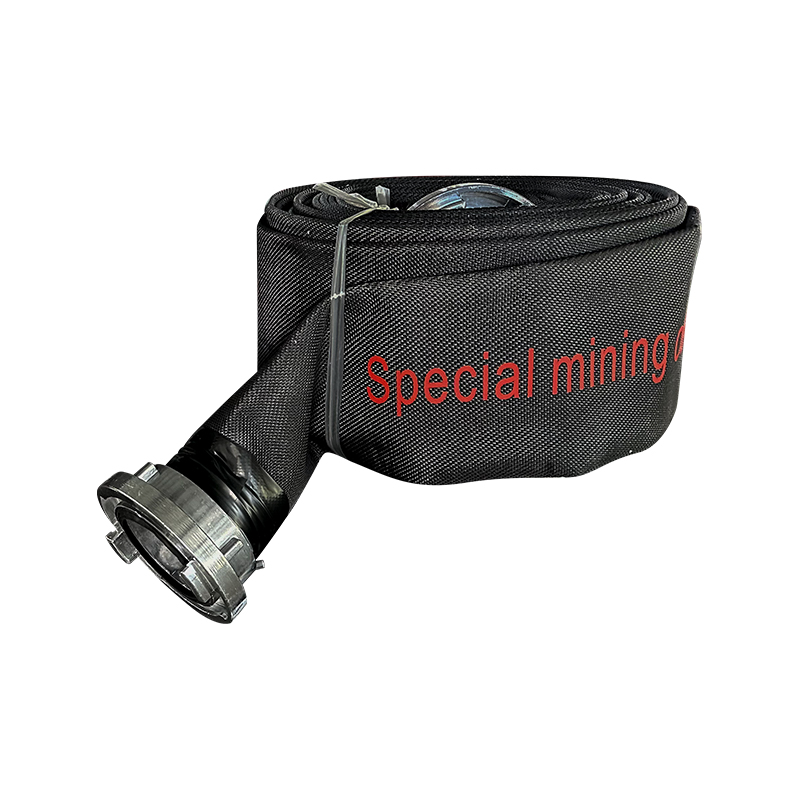
This product is a 4-inch special mining ...
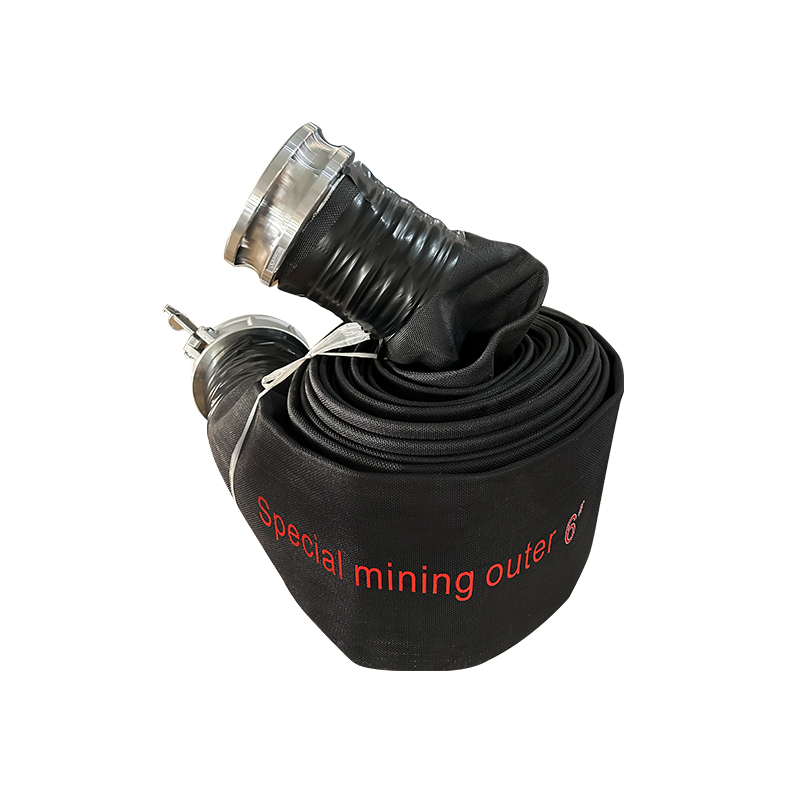
6-Inch Mining Flat Hose with Storz Conne...
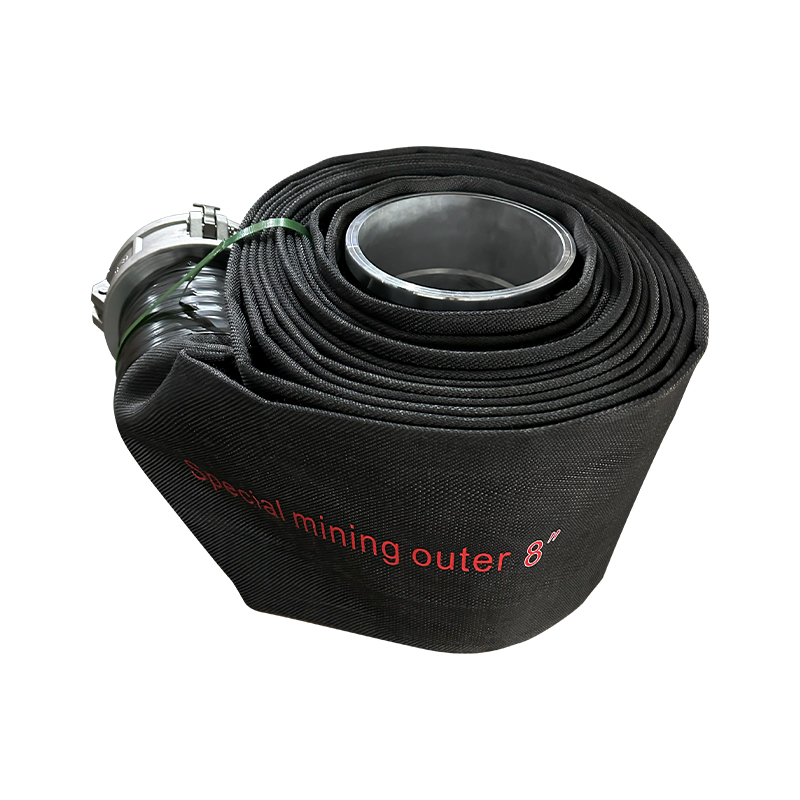
8-Inch Mining Flat Hose with Storz Conne...
Product Features: Light weight, good elasticity, weather resistance, long service life.
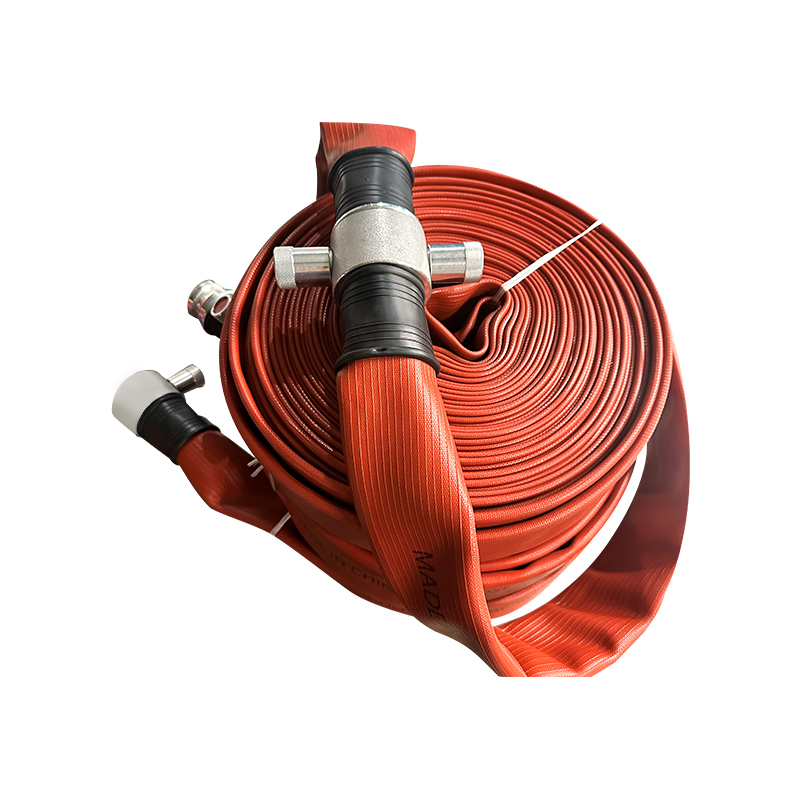
Heat resistance and cold resistance, Environmental Protection, Wear resistant.
On a remote mining site, a 6-inch dewatering hose starts blistering between its liner and jacket within the first week of servic...
READ MOREWhy OEM Buyers Should Care About PVC Flat Hose Manufacturing A procurement manager in Europe once asked us to replace a failed PV...
READ MOREPVC flat hose pipes are everywhere on job sites. You may have coiled them on a fire truck, laid them across a field for irrigatio...
READ MOREA copper mine in northern Chile lost a 6-inch water line twice in one season because the stock layflat hose was built for irriga...
READ MOREField failures in PVC flat hose are rarely mysterious. A layer separates, a pinhole leaks, or a burst occurs at a fraction of the...
READ MORETaizhou Jun'an Fire Technology Co., Ltd. – engineered layflat hose solutions for firefighting, agriculture, and industrial dewatering.
We are a China-based Synthetic Rubber Fire Hose, Rubber Layflat Hose Manufacturers, specializing in the production of fire hoses, fire equipment, and emergency rescue equipment. Our synthetic rubber layflat hoses are designed for demanding applications where durability, flexibility, and rapid deployment are critical. From municipal fire brigades to large-scale agricultural irrigation, our product range covers working pressures from 8 to 25 bar and diameters from 1" to 12".
Our synthetic rubber hoses are manufactured using a specialized NBR/PVC compound reinforced with high-tenacity circular woven polyester yarn. The "through-the-weave" extrusion process creates a unified bond that resists delamination, ensuring long service life even under harsh conditions. We offer a complete range of layflat hoses to meet diverse operational needs:
Lightweight, weather-resistant, and flexible. Ideal for firefighting supply lines and agricultural irrigation.
Cost-effective for general water transfer, firefighting, and irrigation. Available in 1" to 6" diameters.
Heavy-duty, oil-resistant, and low-temperature flexible. Suitable for industrial and agricultural applications.
Excellent weather and ozone resistance. Designed for outdoor firefighting and irrigation.
Our synthetic rubber hoses are engineered for four primary sectors:
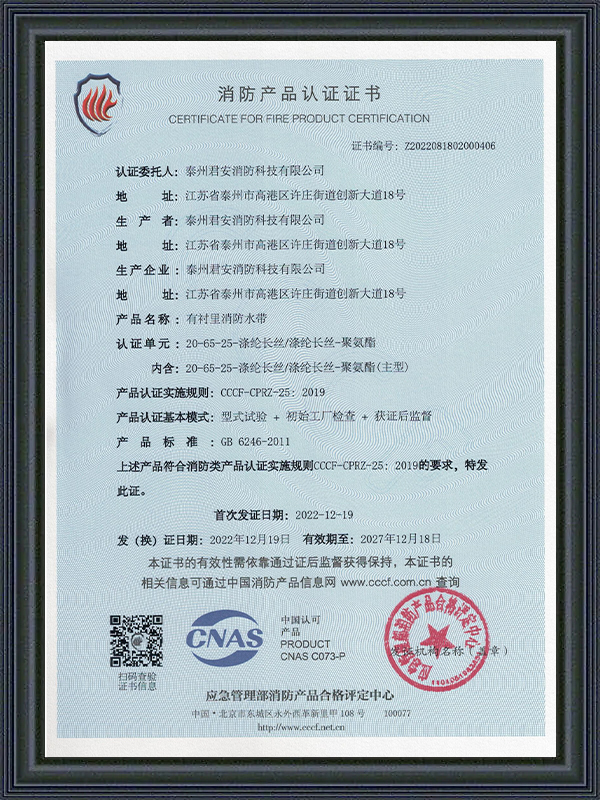
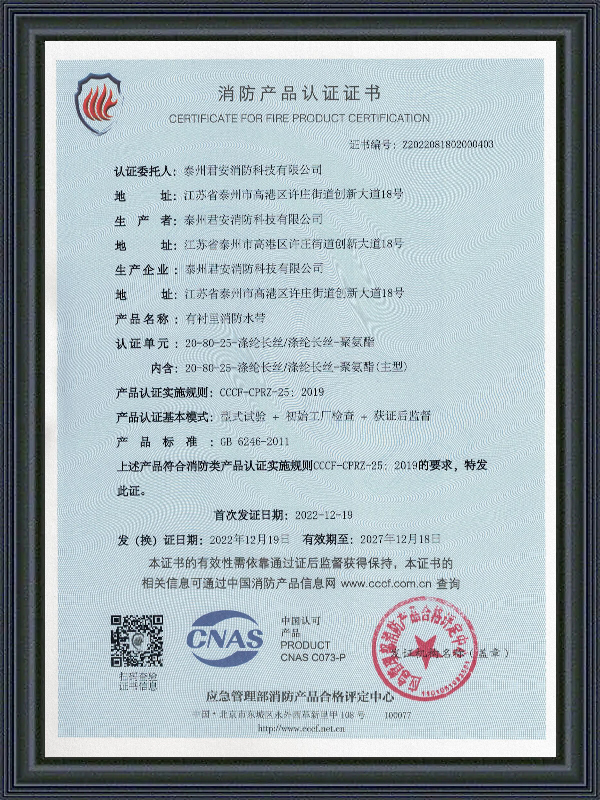
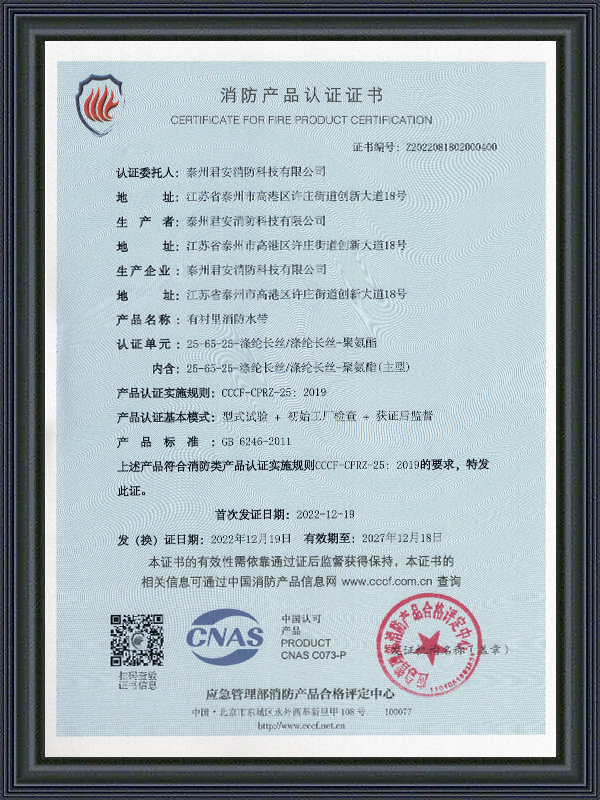
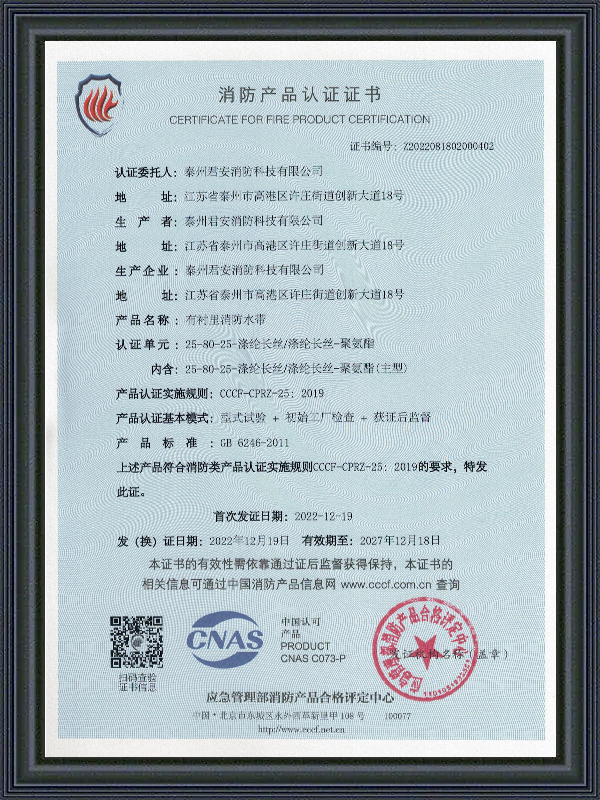
We manufacture hoses to meet rigorous international standards, with options for CCCF certification on certain diameters. The table below outlines our standard working pressure and burst pressure ranges:
| Diameter (inch/mm) | Working Pressure (Bar) | Burst Pressure (Bar) | Typical Applications |
|---|---|---|---|
| 1" (25mm) | 13-25 | 39-75 | Firefighting attack lines, irrigation |
| 1.5" (38mm) | 8-25 | 24-75 | Municipal supply lines |
| 2.5" (64mm) | 8-25 | 24-75 | Industrial firefighting (CCCF certified) |
| 4" (102mm) | 8-16 | 24-48 | Dewatering, heavy irrigation |
| 6" (152mm) | 8-13 | 24-39 | Large-scale water transfer |
We understand that every project has unique requirements. As a flexible manufacturer, we offer OEM and ODM services to tailor hoses to your exact specifications. Our customization capabilities include:
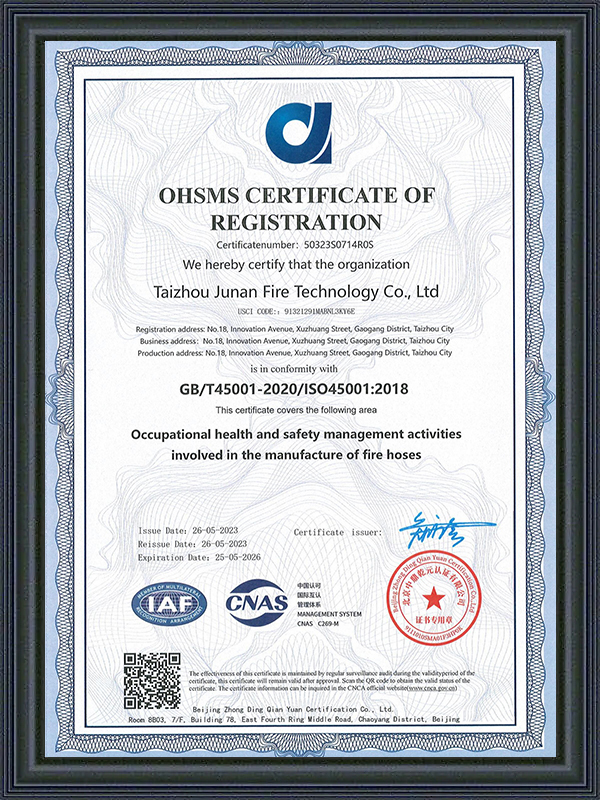
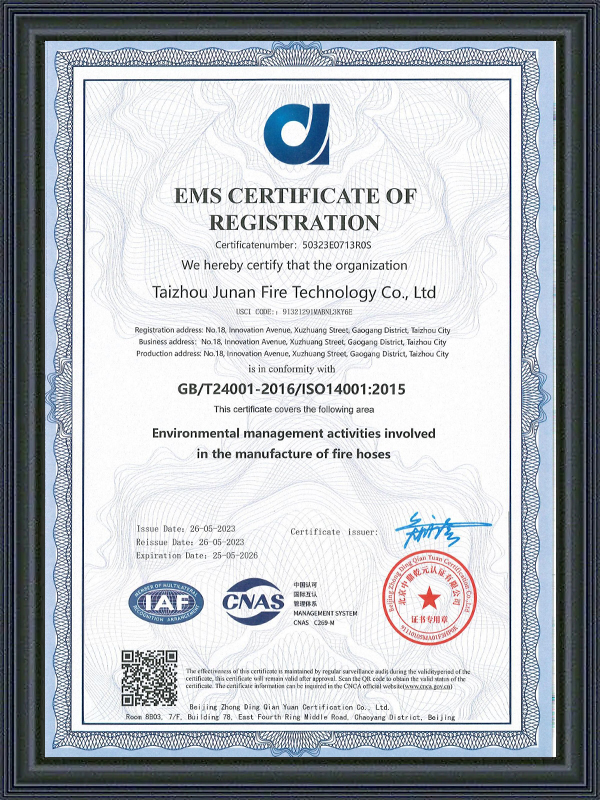
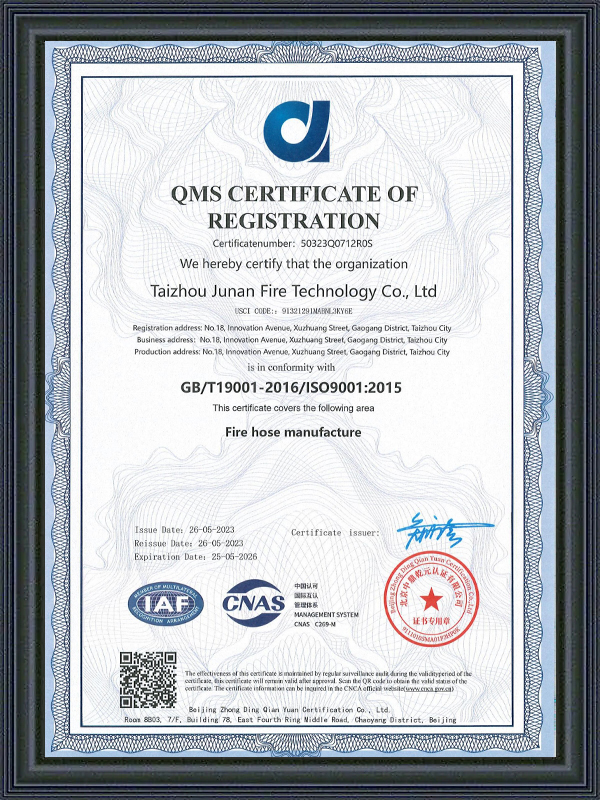
Quality is embedded in our manufacturing process. We start with rigorous incoming material inspection, verifying chemical composition and physical properties. Our experienced inspectors, with over 10 years in the industry, ensure every batch meets our high standards. We conduct pressure tests on finished hoses to verify working and burst pressures, and we can provide test certificates upon request. Our products have passed multiple international and domestic quality certifications, reflecting our commitment to safety and reliability.
Proper installation and maintenance are key to maximizing hose life. We provide clear guidelines with every order:
Our team is available for technical consultation, and we can provide training materials for your crew. We also offer after-sales support to address any operational questions.
To prepare an accurate quotation and configuration, please provide the following details:
A: We are a direct manufacturer with our own factory and equipment in Taizhou, China. We also have an international trade department, so you deal directly with the source.
A: Yes, we offer OEM and ODM services. We can adjust material compounds, diameters, lengths, colors, and end fittings to meet your project requirements. We also provide prototyping for quick validation.
A: Lead times depend on the complexity and quantity. For standard products, we maintain stock for fast delivery. For custom orders, we will confirm a timeline after discussing your specifications.
A: Our hoses are manufactured to meet international standards, and we have obtained multiple certifications. We can provide test certificates and documentation upon request to ensure compliance with your project's requirements.
A: We implement strict quality control from incoming raw materials to final inspection. Each hose is pressure-tested, and we conduct random sampling for burst tests. Our quality team has over a decade of experience in fire hose manufacturing.
Our portfolio also includes - Storz Couplings, - American Couplings for applications with different operating ranges, interfaces or integration requirements.
 Tel: +86-13775666113
 E-mail: [email protected]
 Add: 18 Innovation Avenue, Gaogang District,Taizhou City, Jiangsu Province, China.
Copyright © by Taizhou Jun'an Fire Technology Co., Ltd. Rights Reserved.
Custom Synthetic Rubber Fire Hose Manufacturers

