en
en
 عربى
عربى

Content
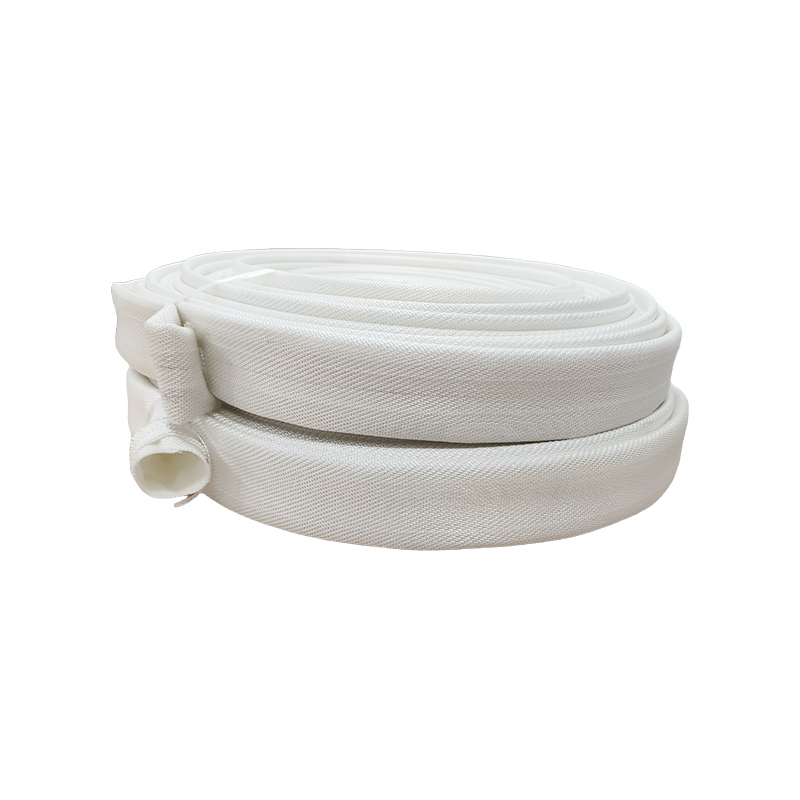
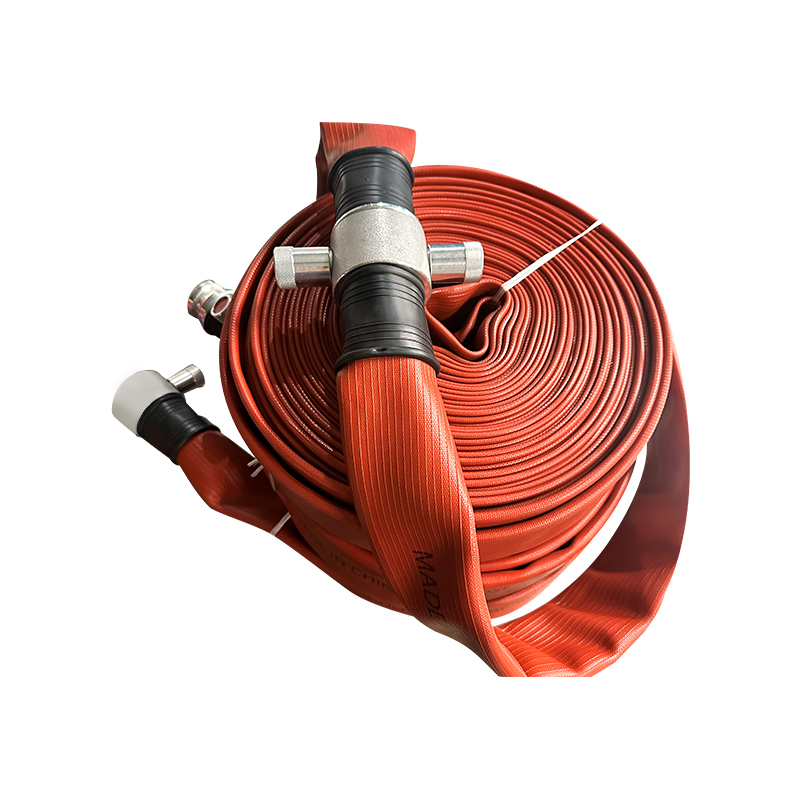
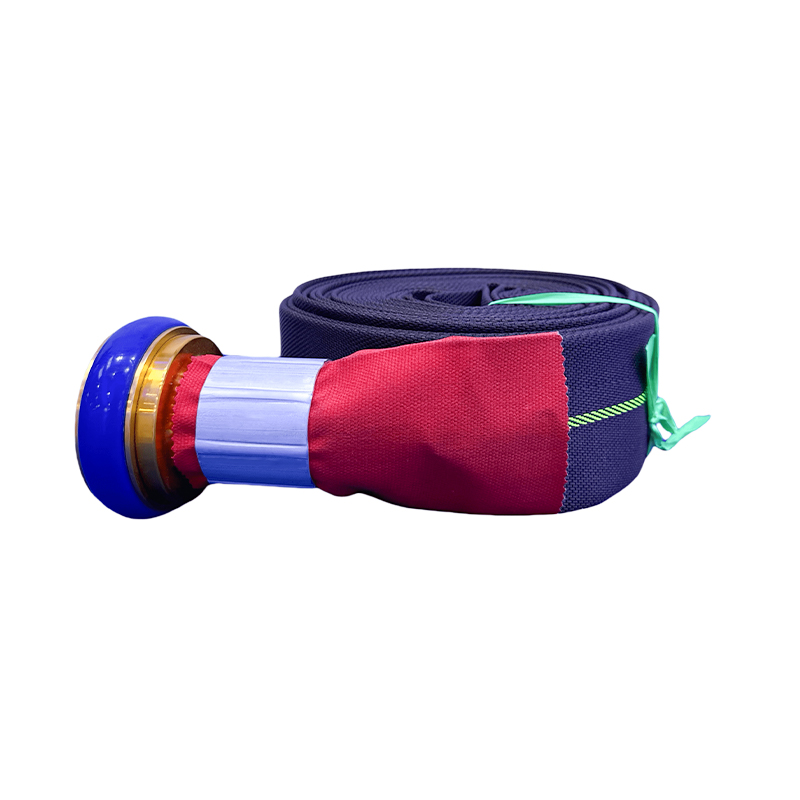
Rubber and PVC discharge hoses tend to fail exactly where heavy-duty work happens most: dragged across rock, bent around tight corners, exposed to fuel and chemicals on site. TPU layflat hose is built specifically to survive those conditions, combining a lightweight flat profile with abrasion and pressure resistance that rubber hose can't match at the same weight.
Why TPU Holds Up Under Heavy Use
-
Abrasion resistance — survives dragging across rock, concrete, and rough terrain without surface failure.
-
High tensile and pressure strength — holds up under sustained high-pressure discharge.
-
Lightweight, flexible profile — easier to deploy, coil, and transport than rubber equivalents.
-
Chemical and oil resistance — stable performance in contaminated or industrial-site conditions.
-
Long service life — engineered for continuous operation without early replacement.
Where TPU Layflat Hose Gets Used
TPU vs PVC vs Rubber Layflat Hose
TPU
- Best abrasion and pressure resistance
- Lightweight, easy to handle
- Longest service life under heavy use
PVC
- Lower cost, lighter duty rating
- Less resistant to abrasion
- Suited to lighter transfer tasks
Rubber
- Heavier, more rigid handling
- Good chemical resistance
- Shorter life under abrasive drag
What to Check Before Ordering
| Pressure rating | Match working and burst pressure to actual discharge demand |
| Diameter & length | Confirm sizing against pump output and site distance |
| Environment | Account for temperature range and chemical exposure |
| Connections | Verify coupling type matches existing site equipment |
Maintenance and Service Life
Proper storage away from prolonged UV exposure, routine inspection for surface wear, and correct coiling after use all extend hose life significantly. Most performance loss in the field traces back to improper storage or exceeding rated pressure rather than material failure itself.
Customization for Specific Applications
Manufacturers typically offer custom diameter, length, and pressure rating combinations, along with color and coupling options built for application-specific requirements — useful for buyers standardizing hose specs across a fleet or site network.
Choosing a Reliable Hose Manufacturer
Sourcing TPU layflat hose reliably comes down to confirming reinforcement quality, pressure testing standards, and a manufacturer's ability to hold consistent specs across repeat orders — the details that determine whether a hose survives one season or several.