en
en
 عربى
عربى

Content
- 1 What Is a TPU Layflat Hose and How Does It Work?
- 2 Why Is TPU Material Suitable for Industrial Hose Manufacturing?
- 3 What Are the Key Advantages of TPU Layflat Hose?
- 4 How Does TPU Layflat Hose Improve Industrial Fluid Transfer Efficiency?
- 5 Where Are TPU Layflat Hoses Commonly Used?
- 6 Why Is TPU Layflat Hose Suitable for Heavy Duty Applications?
- 7 How Does TPU Layflat Hose Compare With Traditional Hose Materials?
- 8 What Factors Should Buyers Consider When Choosing TPU Layflat Hose?
- 9 How Is TPU Layflat Hose Manufactured?
- 10 What Are the Future Trends of TPU Layflat Hose Development?
When a pumping crew needs to move large volumes of fluid fast, deploy it in minutes, and pack it away just as quickly, TPU layflat hose has become the default answer. Built from thermoplastic polyurethane and reinforced for pressure, it collapses flat for storage and rounds out under flow, giving irrigation crews, firefighting teams, and industrial operators a hose that is lighter and tougher than the PVC alternatives it is steadily replacing.
What Is a TPU Layflat Hose and How Does It Work?
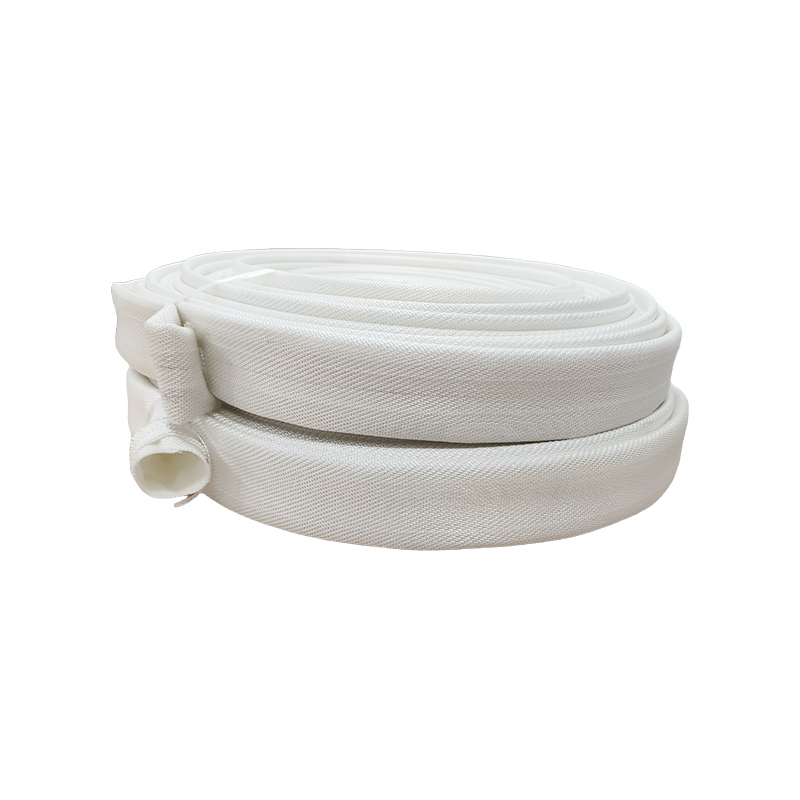
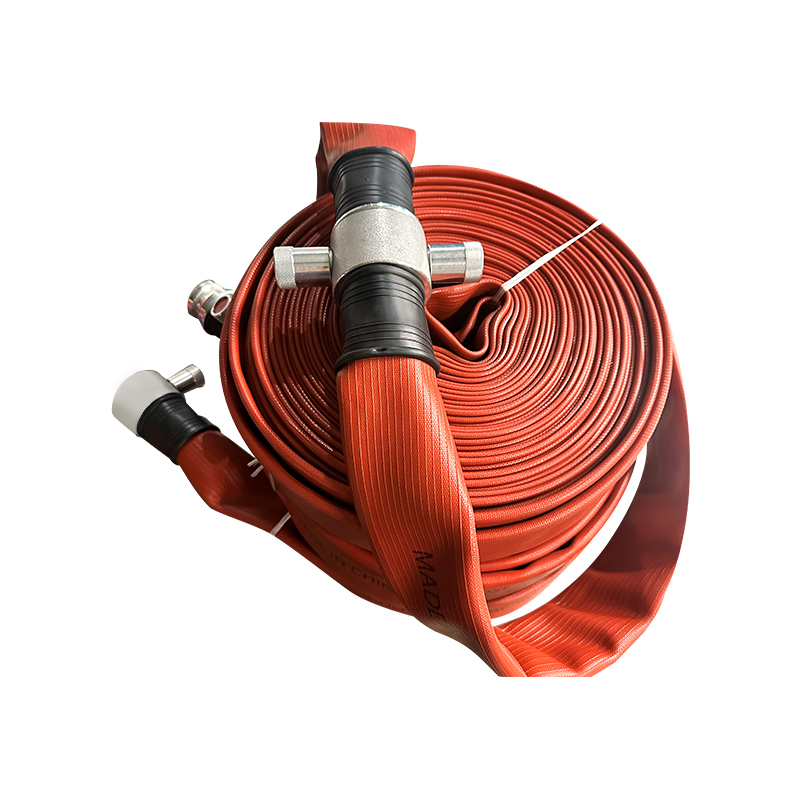
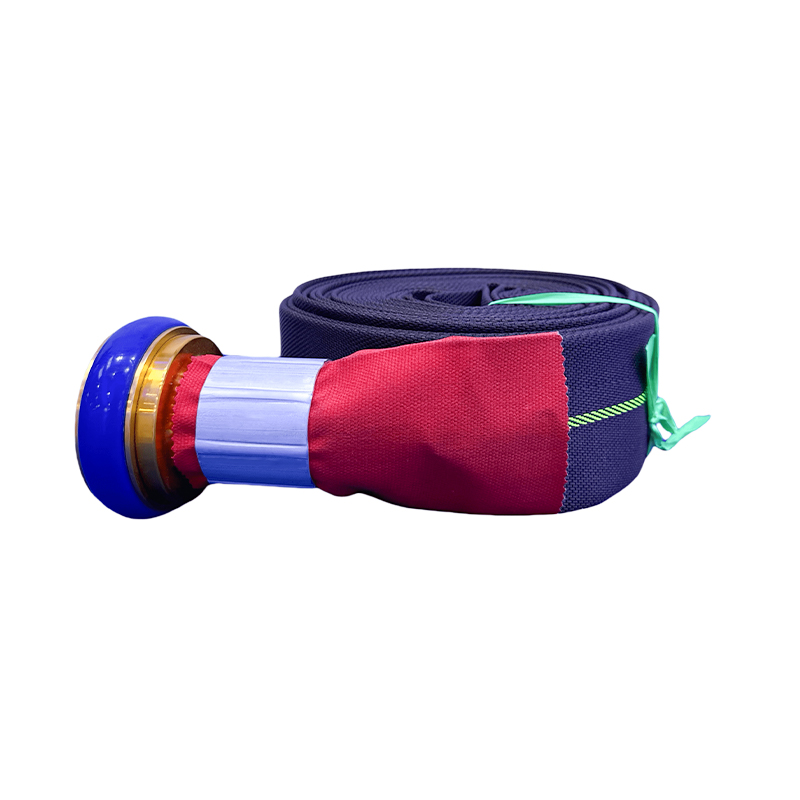
A TPU layflat hose is a flexible fluid transfer hose built around a thermoplastic polyurethane construction, often reinforced with a woven fabric core for pressure resistance. When empty, the hose collapses into a flat profile, which is what makes it easy to coil, transport, and store in a fraction of the space a rigid pipe would need.
Once connected to a pump and pressurized, the hose rounds into a full circular cross-section, allowing fluid to move through it efficiently. That transformation from flat to round and back again, repeated across thousands of deployment cycles, is the core engineering challenge the TPU material and its reinforcement layer are built to survive.
Flat for storage. Round under pressure. Built to repeat that cycle for years.
Why Is TPU Material Suitable for Industrial Hose Manufacturing?
TPU withstands the friction of dragging across rough ground, gravel, and job-site debris far better than softer hose materials.
The material stays pliable across temperature swings, making the hose easy to unroll, coil, and maneuver on site.
Good tear resistance keeps the hose intact under the repeated flexing and impact that field use puts it through.
TPU tolerates a wider range of transported fluids than many alternative hose materials, extending its usable applications.
What Are the Key Advantages of TPU Layflat Hose?
How Does TPU Layflat Hose Improve Industrial Fluid Transfer Efficiency?
Speed of deployment matters as much as raw performance in most field operations. A layflat hose unrolls quickly, connects to standard pump fittings without complicated setup, and moves fluid efficiently once pressurized. That combination reduces the installation complexity that rigid piping or bulkier hose types introduce, which is exactly why the format works equally well for temporary emergency deployments and longer-term transfer systems.
Where Are TPU Layflat Hoses Commonly Used?
Agricultural Irrigation
Water distribution across large fields depends on hose that can be repositioned quickly as irrigation needs shift throughout a growing season.
Firefighting
Emergency water delivery and portable pumping systems rely on hose that can be deployed in seconds and packed away just as fast once the job is done.
Industrial Applications
Mining operations, construction sites, and wastewater transfer projects all use layflat hose for general fluid handling where flexibility and durability both matter.
Why Is TPU Layflat Hose Suitable for Heavy Duty Applications?
Heavy duty environments punish hose in ways lighter-duty applications never do: constant folding and unfolding, exposure to outdoor weather extremes, and the risk of impact damage from equipment or debris. TPU layflat hose is built to resist wear and impact across repeated deployment cycles, adapt to outdoor environmental swings, and hold reliable pressure performance even after extended field use.
How Does TPU Layflat Hose Compare With Traditional Hose Materials?
| Attribute | TPU Layflat Hose | Traditional PVC Hose |
| Abrasion resistance | Higher | Moderate |
| Flexibility | Better cold-weather performance | Stiffens in low temperatures |
| Service life | Longer under repeated use | Shorter in harsh conditions |
| Cost | Higher upfront investment | More economical |
| Best fit | Demanding, high-cycle applications | General, lower-intensity use |
Neither option is universally superior. Projects with tight budgets and light-duty needs often do fine with PVC, while operations that put hose through frequent, harsh redeployment get a faster return on the investment a TPU layflat hose represents.
What Factors Should Buyers Consider When Choosing TPU Layflat Hose?
- Inner diameter matched to required flow rate
- Hose length suited to the deployment distance
- Working pressure rating for normal operating conditions
- Burst pressure margin for safety under peak load
- Temperature range for the operating environment
- Fluid compatibility with the specific liquid being transferred
- Reinforcement structure appropriate to the pressure class
- Application environment, including terrain and exposure conditions
How Is TPU Layflat Hose Manufactured?
Quality control runs alongside the entire process rather than waiting for a final check. Dimensional accuracy is verified as the hose takes shape, pressure testing confirms the finished product holds its rated working pressure, abrasion testing simulates the wear the hose will face in the field, and durability evaluation checks how the material performs across repeated flex cycles before it ever ships.
What Are the Future Trends of TPU Layflat Hose Development?
Formulation improvements continue to push TPU hose toward lighter, stronger structures that hold up to even harsher field conditions without adding bulk. Customized hose solutions, tailored to specific pressure ratings and diameters, are becoming more accessible as manufacturers refine their production flexibility. Wider adoption across both agricultural and industrial applications is a natural next step as buyers weigh long-term durability against the higher upfront cost of premium hose materials.
- Core material: thermoplastic polyurethane, often fabric-reinforced
- Format: flat for storage, round under pressure
- Primary advantages: abrasion resistance, flexibility, wear resistance, lightweight handling
- Common sectors: agriculture, firefighting, mining, construction, wastewater transfer
- Top buyer checkpoints: diameter, pressure rating, temperature range, fluid compatibility