en
en
 عربى
عربى

Content
- 1 What is a heavy duty layflat hose and how does it work in fluid transfer systems?
- 2 What are the main types of heavy duty layflat hoses?
- 3 What industries use heavy duty layflat hose most?
- 4 What performance properties should heavy duty layflat hose provide?
- 5 How is heavy duty layflat hose manufactured?
- 6 How do you select the right heavy duty layflat hose for your application?
- 7 What are common problems or limitations of layflat hoses?
- 8 What is the future trend of heavy duty layflat hoses in global markets?
- 9 FAQ
Fluid transfer failures on a job site or field almost always trace back to one decision: the hose. A heavy duty layflat hose is built specifically for high-volume water transfer in demanding environments, and choosing the wrong construction, pressure rating, or reinforcement can mean burst lines, downtime, and lost material on irrigation, mining, and industrial sites. This guide breaks down what the hose is, how it is built, and how to select the right one for your application.
What is a heavy duty layflat hose and how does it work in fluid transfer systems?
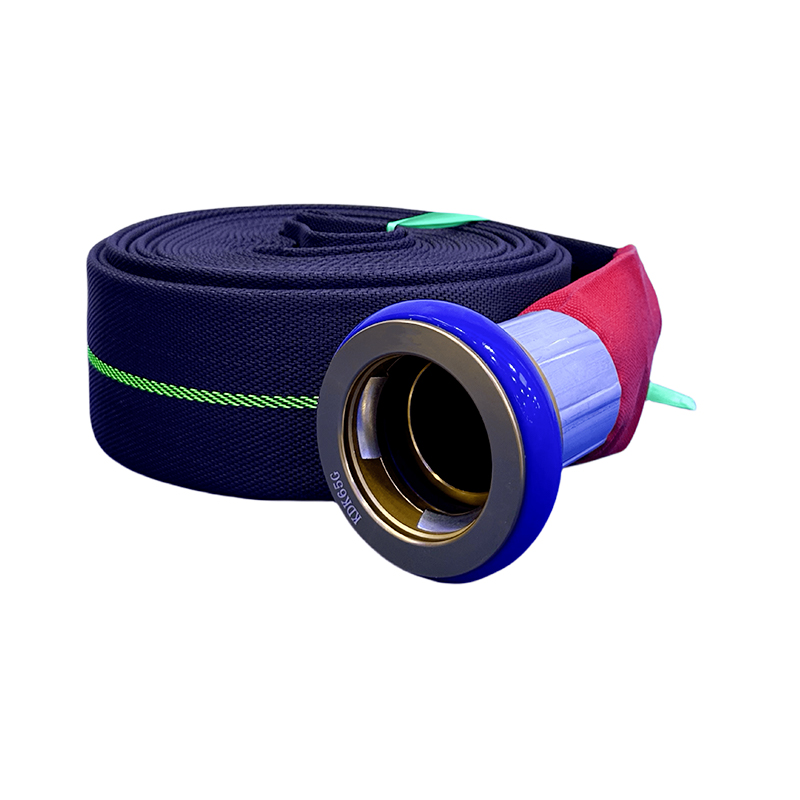
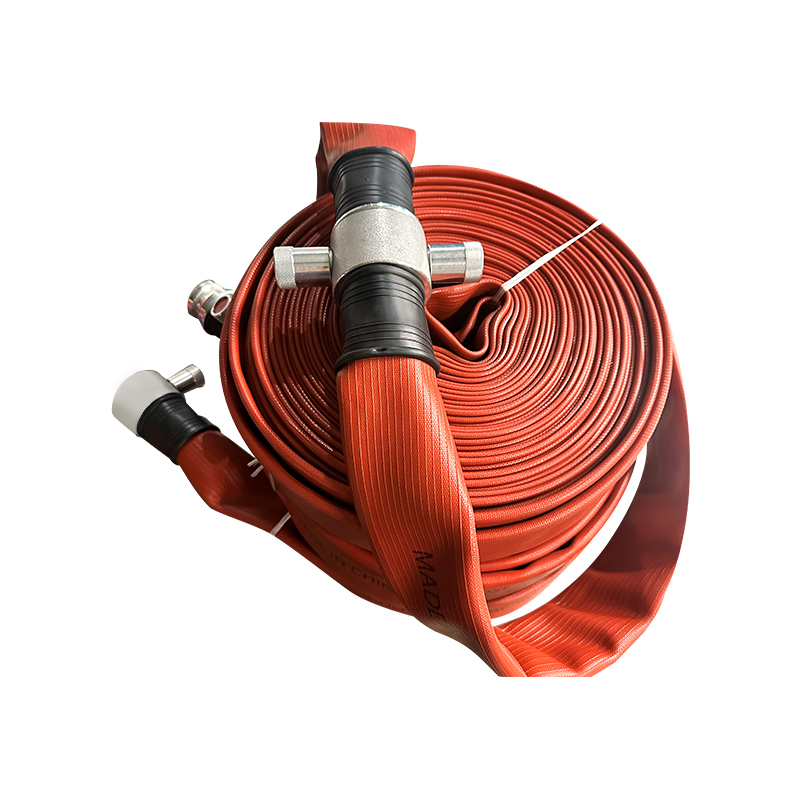
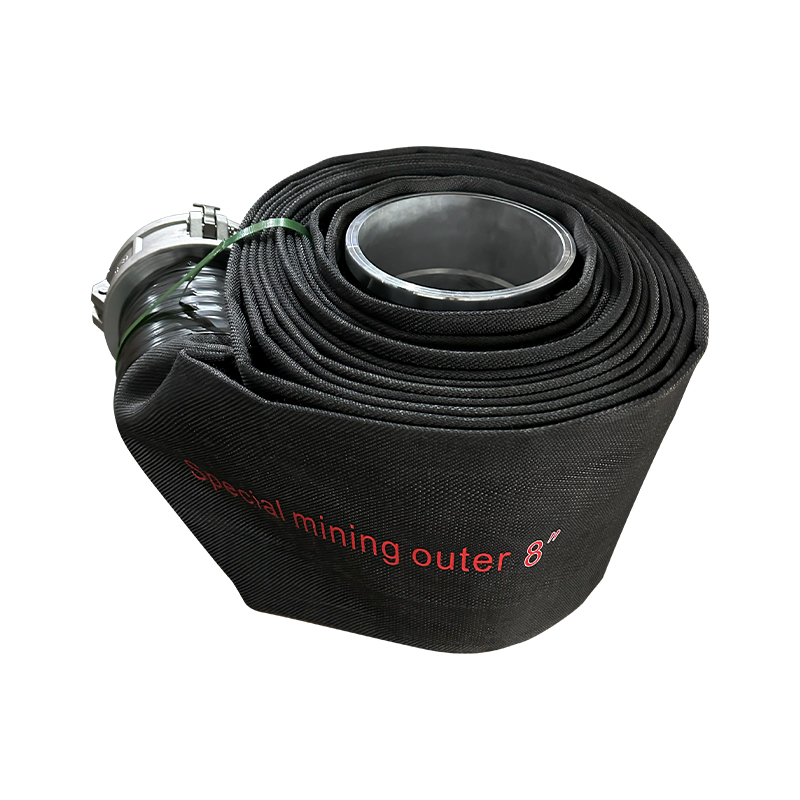
A heavy duty layflat hose definition centers on its collapsible construction: the hose lies flat when empty and rounds into a cylindrical shape once pressurized water flows through it. A typical PVC layflat discharge hose structure combines a woven textile reinforcement core with an inner and outer polymer coating, giving the hose enough strength to handle sustained flow while remaining light enough to roll and transport.
This flexible water discharge hose system design allows large volumes of water to move across long distances without the weight and rigidity of a rigid pipe. A flat irrigation hose construction works the same way at a smaller scale, while heavier industrial layflat tubing system variants are built with thicker reinforcement for higher pressure and abrasion demands.
- Outer layer: abrasion and weather resistant polymer coating
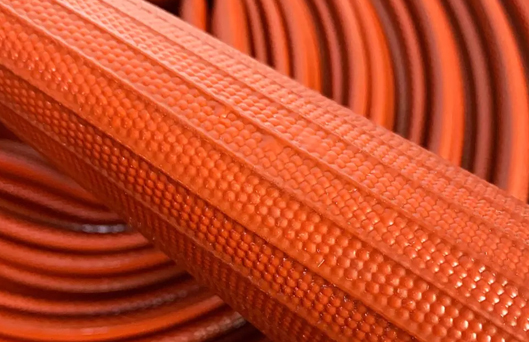
- Reinforcement core: woven textile fabric for burst strength
- Inner layer: smooth polymer lining for consistent flow
In short, what is heavy duty layflat hose used for comes down to any situation needing to move large volumes of water quickly across distance, then store the hose compactly when the job is done.
What are the main types of heavy duty layflat hoses?
| Type | Key trait |
| PVC layflat hose | Cost-effective, widely used for general water transfer |
| TPU layflat hose | Higher abrasion and puncture resistance for demanding sites |
| Reinforced discharge hose | Heavier woven core for higher burst strength |
| High pressure layflat hose | Built for elevated operating pressure applications |
| Agricultural irrigation hose | Lighter-duty format optimized for seasonal field use |
A PVC vs TPU layflat hose comparison generally comes down to environment: PVC remains the standard choice for general agricultural and municipal use, while TPU is selected where the hose will be dragged across rough or abrasive ground repeatedly. High pressure layflat hose applications typically call for a heavier reinforcement layer than a standard irrigation hose, since the woven core has to withstand greater internal force without ballooning or bursting.
What industries use heavy duty layflat hose most?
The hose format shows up anywhere large water volumes need to move quickly across a temporary or semi-permanent route.
Moves water from wells or reservoirs across fields during growing seasons.
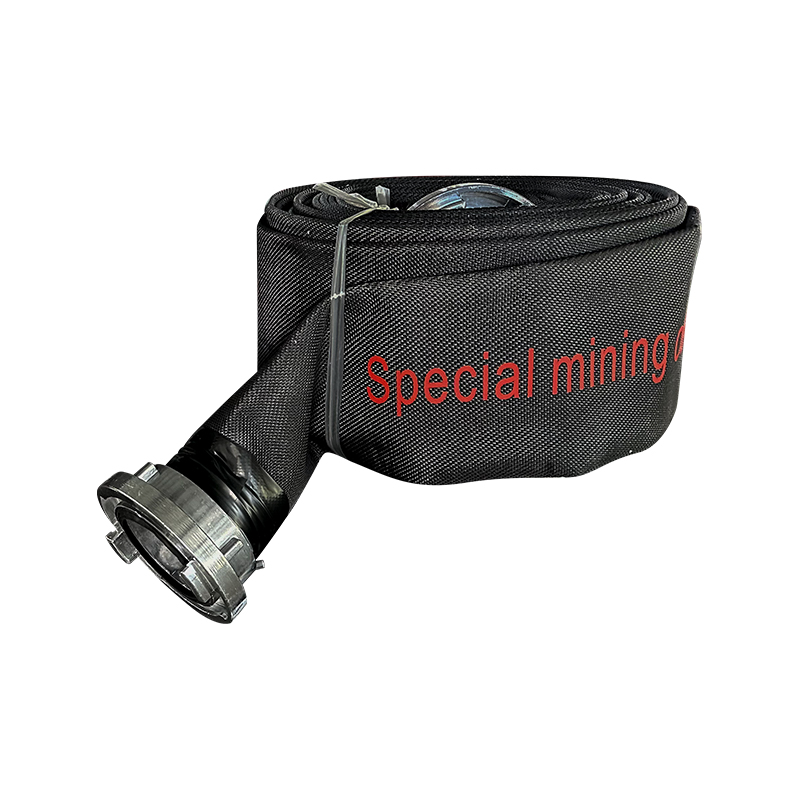
Removes accumulated water from pits and underground workings.
Clears standing water from excavation and foundation areas.
Supports temporary process water routing between tanks or facilities.
Provides rapid emergency water diversion during flood response.
Layflat hose for irrigation farming applications and heavy duty hose for mining water discharge share the same core requirement: consistent flow performance over long runs with a hose that can be rolled up and redeployed elsewhere once the job moves.
What performance properties should heavy duty layflat hose provide?
A properly specified hose needs to satisfy several measurable performance requirements at once, not just one standout feature.
A high burst pressure hose rating should always exceed the expected working pressure with a reasonable safety margin, since pressure spikes during pump start-up are common in the field. An abrasion resistant hose surface matters most where the hose will be dragged over rock, gravel, or concrete rather than laid on smooth ground. UV resistance in agricultural layflat hoses affects how long a hose left outdoors during the growing season will resist surface cracking, and a flexible lightweight hose system remains easier to deploy and roll up at the end of each job.
How is heavy duty layflat hose manufactured?
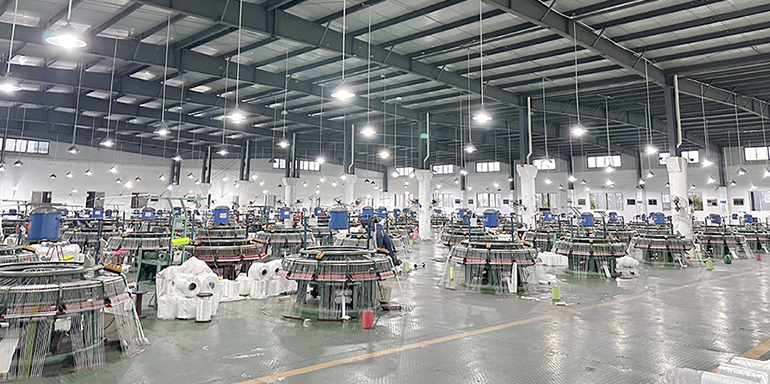
Textile reinforcement weaving
High-strength yarns are woven into a tubular fabric core that determines burst strength.
PVC extrusion coating process
The woven core passes through extrusion equipment that applies inner and outer polymer coatings.
TPU lamination process hose
For TPU variants, thermoplastic film layers are laminated onto the fabric core instead of extrusion coating.
High pressure hose bonding
Layers are bonded under heat and pressure to fuse the coating to the reinforcement core.
Finishing and inspection
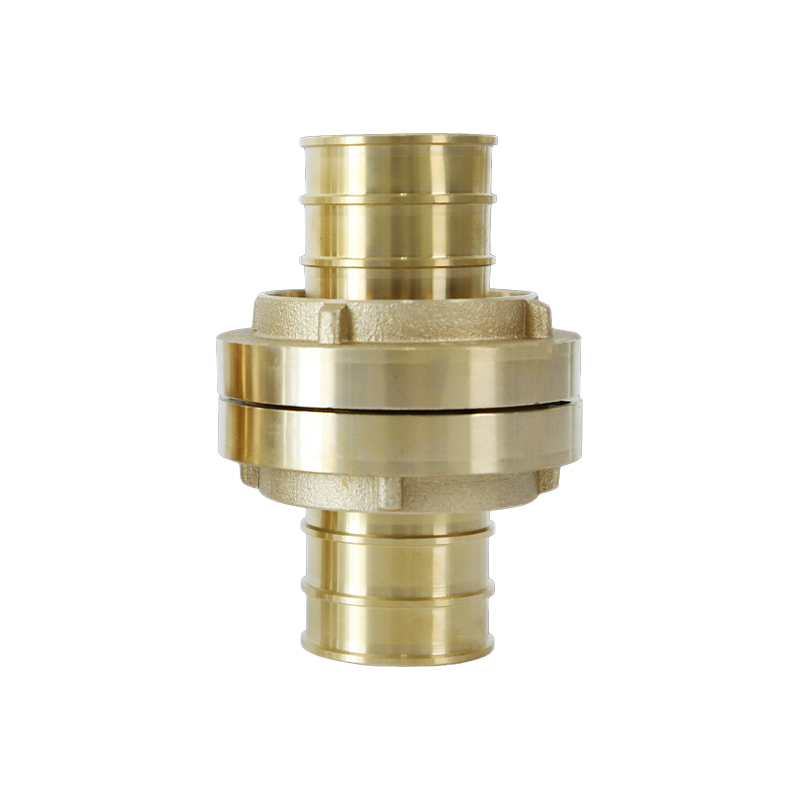
The finished hose is cut to length, fitted with couplings, and pressure-tested on the industrial hose production line.
How layflat hose is made step by step ultimately determines its field performance: a manufacturing process of PVC layflat discharge hose that skips proper bonding or uses thin reinforcement will show weaknesses long before a properly built reinforced irrigation hose production method reaches its rated service life.
How do you select the right heavy duty layflat hose for your application?
A practical selection process runs through a short set of technical checks before ordering.
| Selection factor | What to confirm |
| Hose diameter selection | Match flow rate requirements and pump outlet size |
| Pressure rating selection | Confirm rated pressure exceeds expected working and surge pressure |
| Reinforcement layer thickness | Match to abrasion and burst strength needs of the site |
| Working temperature range hose | Verify suitability for site climate extremes |
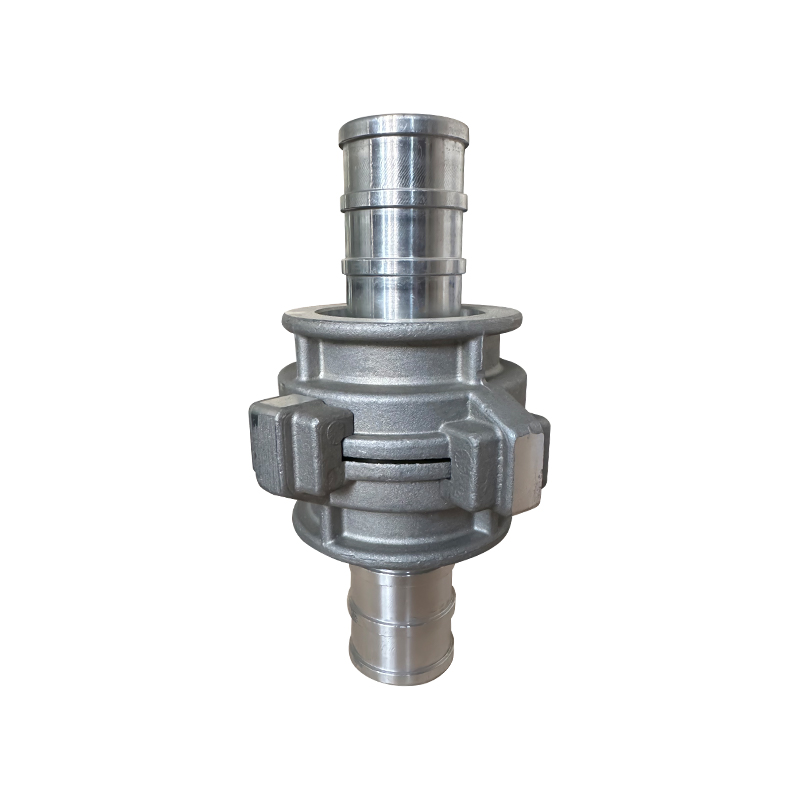
| Coupling compatibility hose system | Confirm fittings match existing pump and hose infrastructure |
How to choose layflat hose size for irrigation and selecting high pressure layflat hose for mining both come down to matching these five factors to the real operating environment rather than defaulting to whatever diameter happens to be on hand. This same guide to choosing PVC or TPU layflat hose logic applies across nearly every heavy duty application.
What are common problems or limitations of layflat hoses?
Hose kinking issues occur most often when a hose is dragged around tight corners or over uneven ground, restricting flow and creating stress points that accelerate wear.
Abrasion wear damage builds up gradually on the outer coating when hoses are repeatedly dragged across rough surfaces, eventually exposing the reinforcement layer beneath. Pressure burst risk increases sharply when a hose is operated beyond its rated pressure or when a damaged section is not identified before reuse. UV aging degradation weakens the outer coating over long-term outdoor exposure, and coupling leakage problems typically stem from mismatched fittings or worn gaskets rather than the hose body itself.
Why layflat hose bursts under pressure and disadvantages of layflat irrigation hose both usually trace back to the same root causes, and how to prevent hose wear and tear generally comes down to routine inspection, correct pressure operation, and avoiding sharp bends during use.
What is the future trend of heavy duty layflat hoses in global markets?
Water-intensive industries are increasingly evaluating heavy duty layflat hose products through a sustainability lens alongside raw performance. Sustainable irrigation systems are driving demand for lightweight high strength hose materials that reduce transport weight without sacrificing burst performance.
Recyclable industrial hose products are gaining attention as manufacturers look for end-of-life recovery options beyond landfill disposal. Smart irrigation water systems that pair layflat hose networks with flow monitoring are also expanding in large-scale agricultural operations. Overall, durable agriculture water transfer solutions are expected to keep favoring hoses that balance strength, weight, and material traceability as procurement standards continue to tighten.
 |
 |
FAQ
What is heavy duty layflat hose?
It is a collapsible, woven-reinforced hose used to transfer large volumes of water, lying flat when empty and rounding into shape under pressure.
Is layflat hose good for irrigation?
Yes, it is widely used in agricultural irrigation because it is lightweight, easy to roll and redeploy across fields, and available in pressure ratings suited to typical pump systems.
How long does layflat hose last?
Service life depends on material grade, UV exposure, and handling conditions, but well-maintained hoses commonly provide several seasons of reliable service.
What pressure can layflat hose handle?
Pressure ratings vary significantly by construction and reinforcement, so the specific rated working pressure should always be confirmed against the application's expected operating pressure.
PVC vs TPU layflat hose which is better?
PVC suits general-purpose water transfer at a lower cost, while TPU offers stronger abrasion and puncture resistance for harsher or rocky terrain.
Can layflat hose be used for mining?
Yes, heavy duty and reinforced layflat hose variants are commonly used in mining dewatering operations where high flow volume and abrasion resistance are both required.