en
en
 عربى
عربى

Content
Selecting the right hose material and construction directly affects irrigation efficiency, service life, and total cost of ownership on agricultural and water transfer projects. Lay Flat Irrigation Hose is widely used across farming operations, dewatering jobs, and temporary water distribution systems because it is lightweight, compact for storage, and capable of moving large water volumes over long distances. This guide covers the main construction types, application scenarios, performance properties, and installation practices buyers should evaluate before specifying lay flat hose for a project.
Types of Lay Flat Irrigation Hose
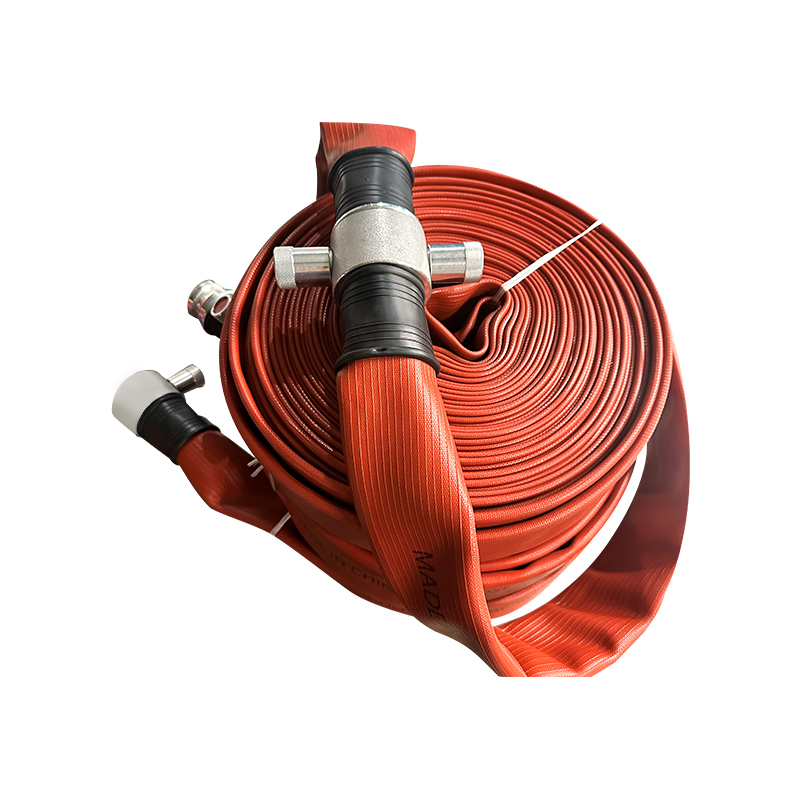
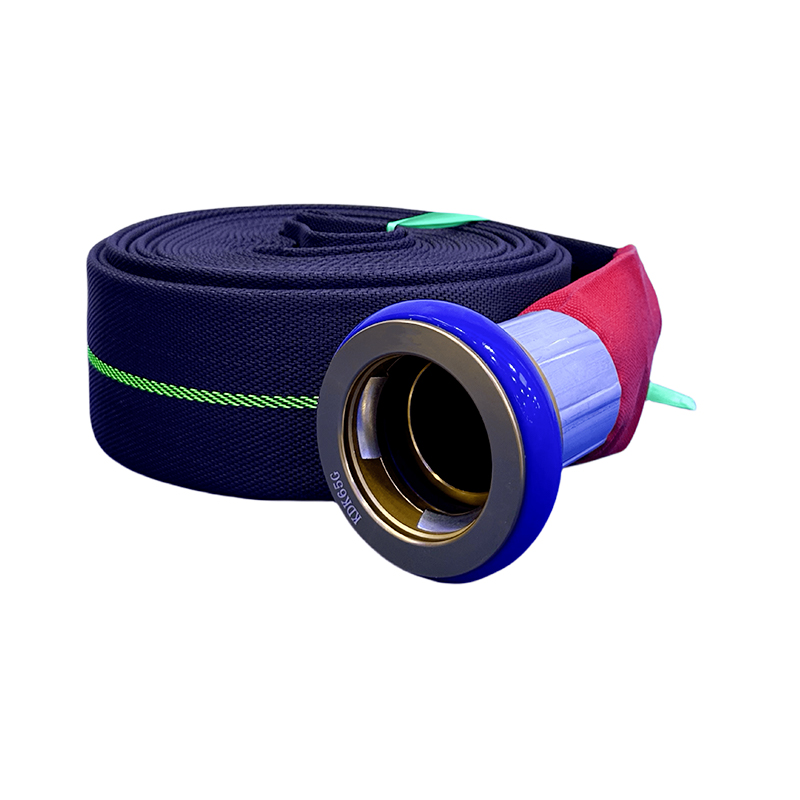
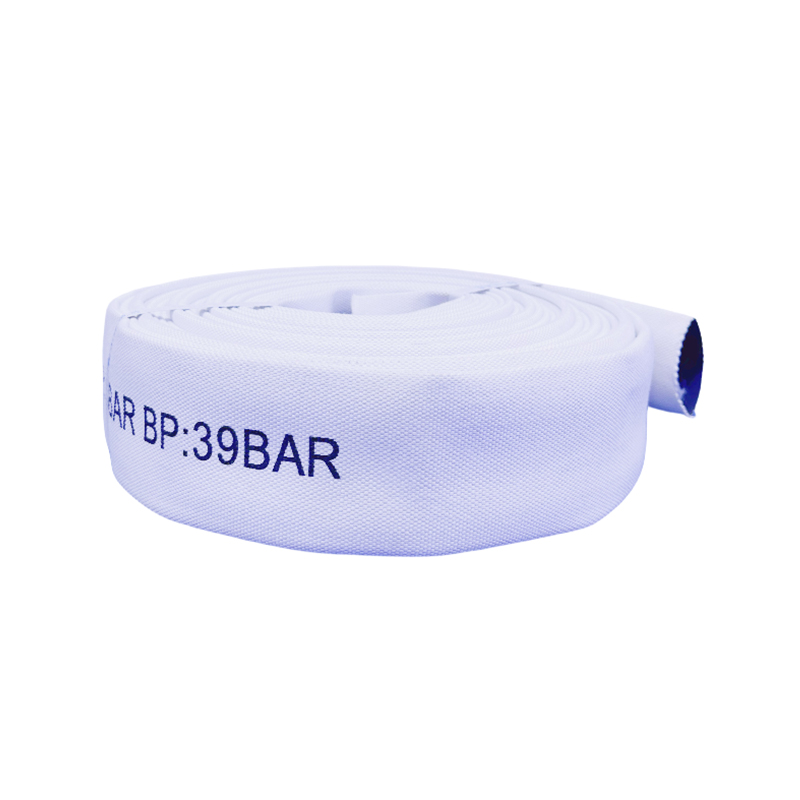
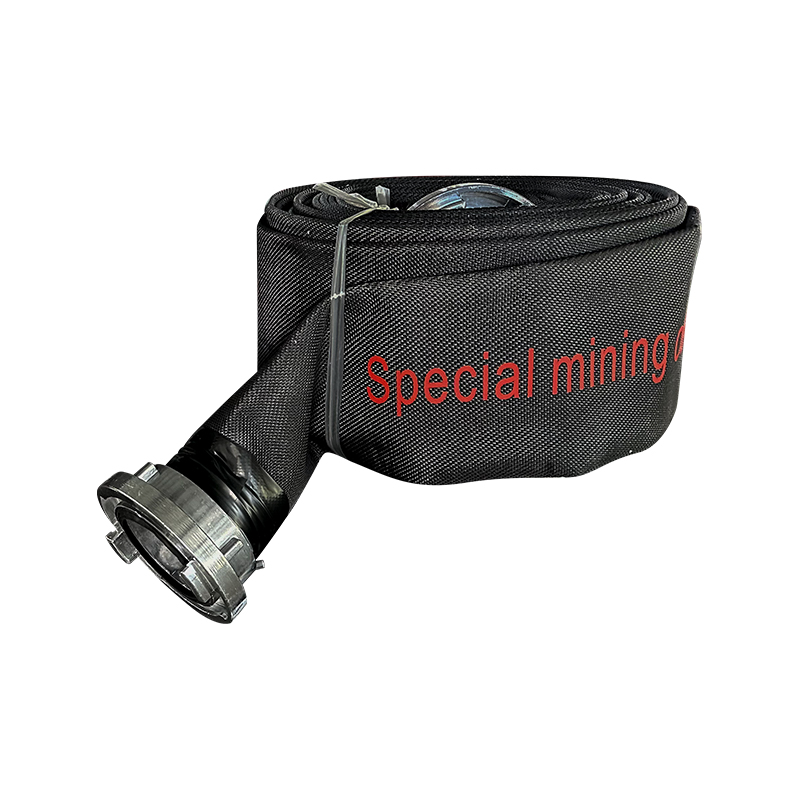
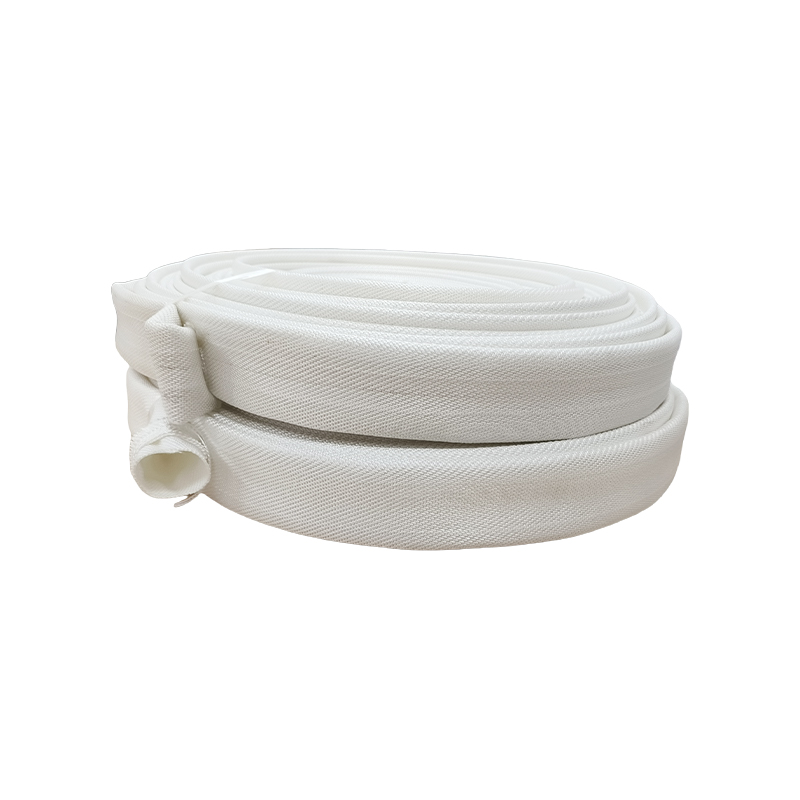
Lay flat irrigation hose is a flexible, flattenable hose that expands to a round cross-section once pressurized, allowing it to deliver water while remaining compact and lightweight when empty. Construction and reinforcement vary by manufacturer and application, so understanding the main product categories helps buyers narrow their selection.
-
PVC Lay Flat Hose — Built with a PVC-based tube and cover, offering good chemical resistance and flexibility across a wide temperature range. PVC construction is common for general agricultural water transfer.
-
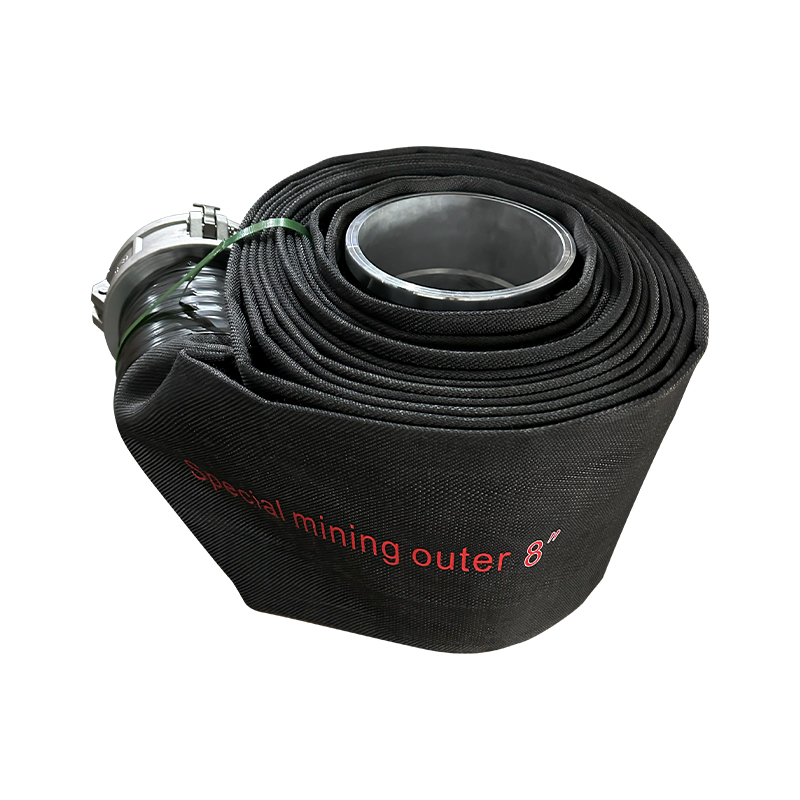
Reinforced Lay Flat Hose — Incorporates a woven polyester or similar textile reinforcement layer between the inner tube and outer cover, increasing burst pressure resistance for higher-demand transfer jobs.
-
Heavy Duty Lay Flat Hose — Features a thicker wall and denser reinforcement structure, intended for continuous-duty pumping operations or sites with rougher ground conditions.
-
Discharge Lay Flat Hose — Optimized for pump discharge lines, typically paired with camlock or threaded couplings to connect directly to pump outlets and downstream distribution hardware.
Buyers comparing lay flat irrigation hose options for a specific job should weigh reinforcement level against expected operating pressure and terrain conditions, since a lighter-duty hose may be sufficient for low-pressure gravity-fed systems while pump-driven, long-distance transfer typically calls for reinforced or heavy duty construction.
Applications of Lay Flat Irrigation Hose
Lay flat irrigation hose is used wherever water needs to move efficiently from a source to a point of use without the cost and permanence of buried piping.
Agricultural Irrigation
Farm irrigation hose applications include transferring water from wells, ponds, or canals to field irrigation systems, supplying center pivot and traveling gun systems, and feeding drip or sprinkler irrigation networks. Because the hose lays flat when not pressurized, it can be rolled out along field edges and repositioned as crop rotation or seasonal layout changes occur, which suits operations that move irrigation infrastructure between fields.
Water Transfer and Dewatering
Beyond farming, lay flat hose functions as a general water transfer hose for construction dewatering, municipal water bypass during maintenance work, and emergency water supply during drought or firefighting support operations. Its lightweight, low-storage-volume profile makes it practical for temporary setups where crews need to deploy and retrieve hose runs quickly.
Drainage and Water Delivery
Lay flat hose is also specified as a drainage hose for redirecting excess surface or groundwater away from construction sites, agricultural fields, or flood-prone areas. As a water delivery hose, it supports livestock watering systems and rural water supply lines where trenching a permanent pipe is not practical or cost-effective.
Pivot, traveling gun, and sprinkler feed lines
Construction site and excavation water removal
Temporary municipal or firefighting water lines
Rural and pasture water delivery systems
Permanent Piping
Fixed installation, buried, higher upfront labor and material cost, minimal seasonal flexibility, long-term fixed infrastructure.
Lay Flat Irrigation Hose
Surface-laid, quick to deploy and retrieve, compact for off-season storage, well suited to rotating field layouts and temporary transfer needs.
Key Performance Properties Buyers Should Evaluate
Comparing lay flat irrigation hose options comes down to a handful of measurable performance characteristics that determine whether a hose will hold up to the intended operating conditions.
Pressure Rating
Every lay flat irrigation hose carries a working pressure rating and a separate, higher burst pressure rating set by the manufacturer. High pressure lay flat hose products use reinforced layers to maintain shape and integrity under pump-driven flow, and buyers should always select a hose rated above their expected operating pressure, including any pressure spikes from pump startup or valve closure.
Abrasion and Wear Resistance
Because lay flat hose is typically dragged across fields, gravel, or construction surfaces during deployment and retrieval, abrasion resistant irrigation hose covers reduce surface wear that could otherwise lead to premature failure. Cover thickness and material composition both influence how well a hose tolerates repeated ground contact.
UV and Weather Resistance
UV resistant irrigation hose formulations help the outer cover resist degradation from prolonged sun exposure, which is a common condition for hose runs left in open fields for extended periods. UV stabilizers in the cover compound slow the breakdown that would otherwise cause cracking or stiffness over time.
| Property | Standard Duty | Heavy Duty |
| Reinforcement | Light to moderate | Dense woven layer |
| Recommended Use | Gravity-fed, low pressure | Pump-driven, continuous duty |
| Abrasion Tolerance | Moderate | High |
| Typical Setting | Short seasonal runs | Long-distance, frequent use |
Match hose specification to the most demanding condition in the run, not the average condition. A hose sized for typical operating pressure may still fail if it also has to tolerate rocky terrain or a pump surge, so buyers should evaluate pressure rating and abrasion resistance together rather than in isolation.
Installation and Usage Considerations
Correct handling extends the service life of lay flat irrigation hose and reduces the likelihood of leaks or premature wear during a season of use.
- 1
Route Planning — Lay hose runs along the flattest practical path, avoiding sharp objects, exposed rebar, or debris that could abrade the cover during pressurization and movement.
- 2
Coupling Connections — Use camlock, threaded, or crimped fittings appropriate to the hose diameter and pressure class, and confirm gaskets are seated correctly before pressurizing the line.
- 3
Gradual Pressurization — Bring pump pressure up gradually rather than opening a valve fully at once, which reduces surge stress on couplings and hose walls.
- 4
Draining Before Storage — Fully drain and dry hose sections before rolling for off-season lay flat irrigation hose storage, which prevents residual moisture from contributing to mildew or material degradation.
- 5
Rolling and Storage — Store rolled hose out of direct, continuous sun exposure where practical, and avoid stacking heavy loads on top of stored rolls to prevent flat-spotting.
FAQ
What is a lay flat irrigation hose?
It is a flexible hose that lies flat when empty and expands into a round shape once pressurized, used to transfer water between a source and a point of use without permanent piping.
What is lay flat irrigation hose used for?
It is used for agricultural field irrigation, construction dewatering, temporary municipal water transfer, livestock watering, and general water delivery in settings where a flexible, storable hose is preferable to fixed pipe.
How long does lay flat irrigation hose last?
Service life depends on construction quality, operating pressure, UV exposure, and handling practices; heavy duty reinforced hoses used within their rated pressure and properly stored during off-season periods generally last longer than lighter-duty hoses used beyond their intended conditions.
How do you choose lay flat irrigation hose?
Start by identifying required flow rate and operating pressure, then select a reinforcement level and cover type suited to the terrain and UV exposure of the deployment site, ensuring the pressure rating exceeds expected operating conditions including surges.
Can lay flat hose be used for high pressure applications?
Yes, when the hose is specifically rated for high pressure lay flat hose service with appropriate reinforcement; standard duty hoses should not be used beyond their rated working pressure.
How should lay flat irrigation hose be stored?
Drain and dry the hose fully, roll it without sharp creases, and store it away from prolonged direct sun and heavy loads to preserve the cover material and reduce the risk of cracking before the next season.
Final Thoughts
Choosing the right lay flat irrigation hose depends on matching construction type and reinforcement level to the pressure, terrain, and duty cycle of the intended application. Buyers who evaluate pressure rating, abrasion resistance, and UV stability alongside the specific agricultural or water transfer use case are best positioned to select a hose that delivers reliable performance across its expected service life.