en
en
 عربى
عربى

Content
- 1 TPU Lay Flat Hose Pressure Rating: What PSI Can It Handle?
- 2 TPU Lay Flat Hose Abrasion Resistance: Built for Rough Terrain
- 3 TPU Lay Flat Hose Durability: Lifespan Under Real Working Conditions
- 4 TPU Lay Flat Hose Flexibility: Easy to Roll, Store, and Deploy
- 5 TPU Lay Flat Hose for Irrigation: Why Farms Are Switching
- 6 TPU Lay Flat Hose Industrial Applications: Beyond the Farm
- 7 Choosing the Right TPU Lay Flat Hose for Your Application
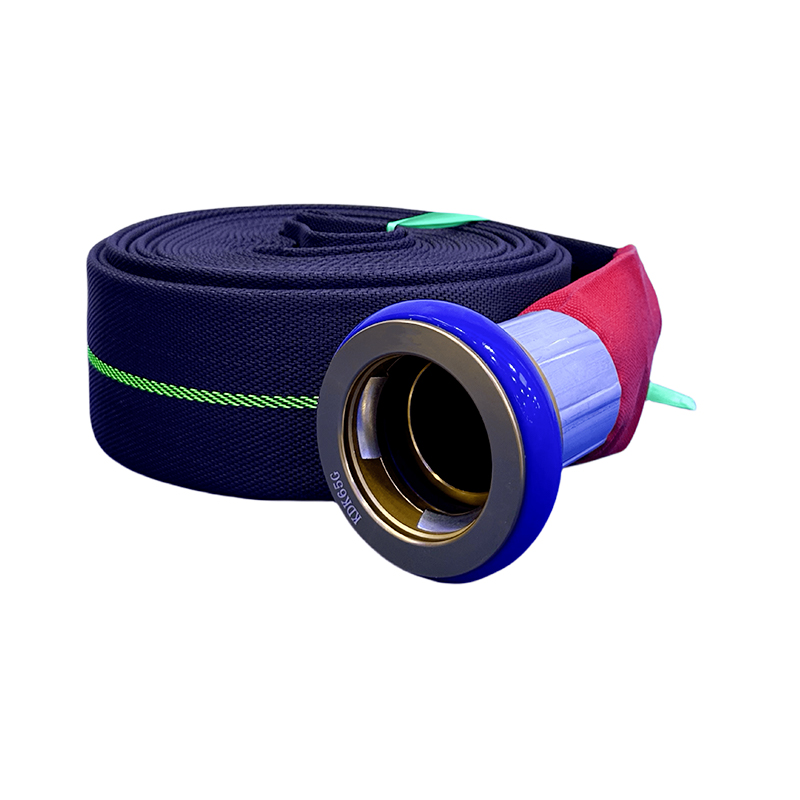
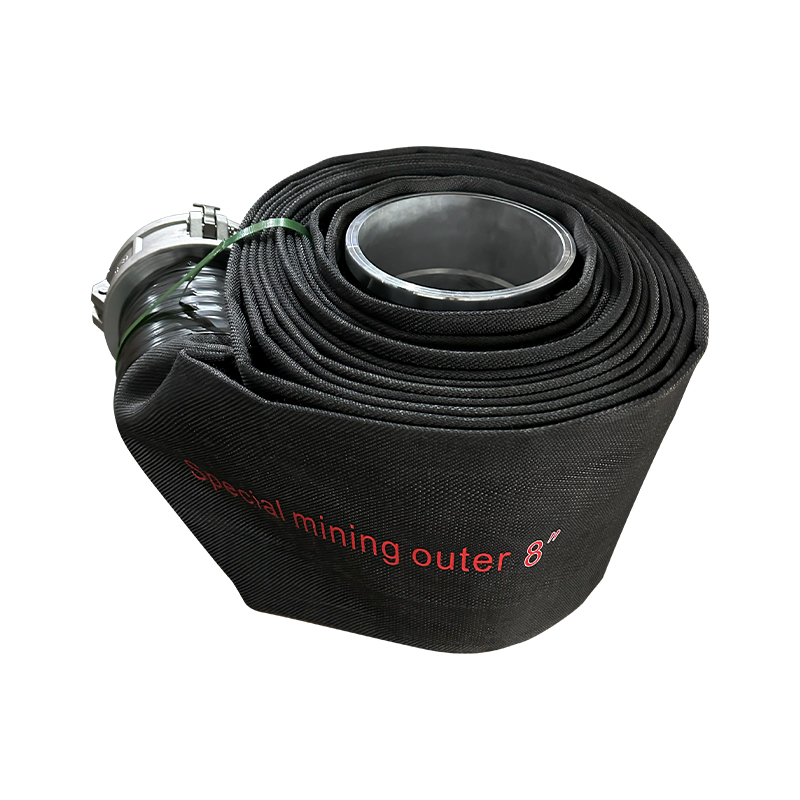
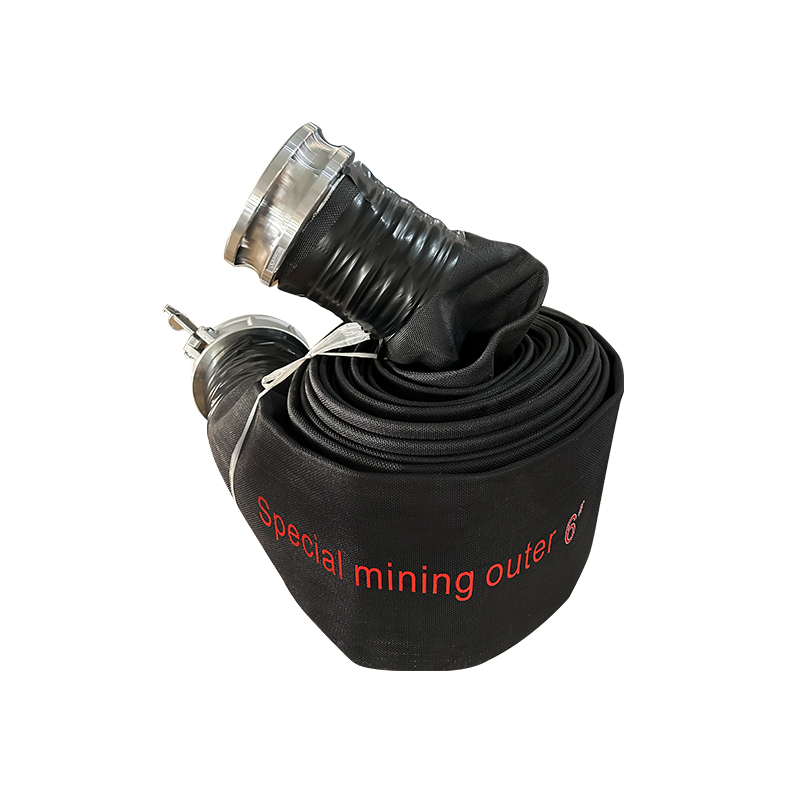
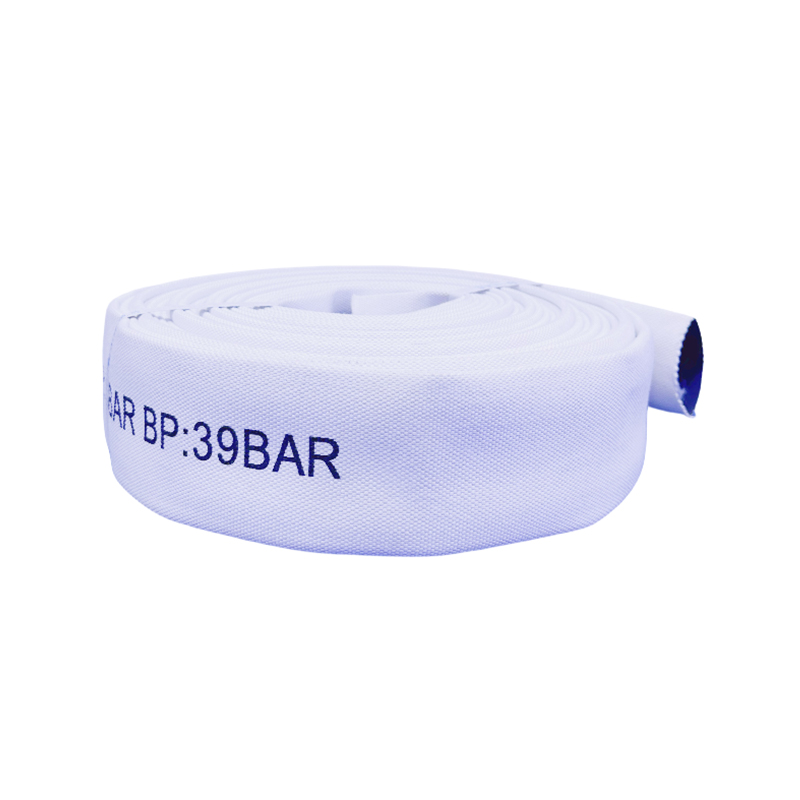
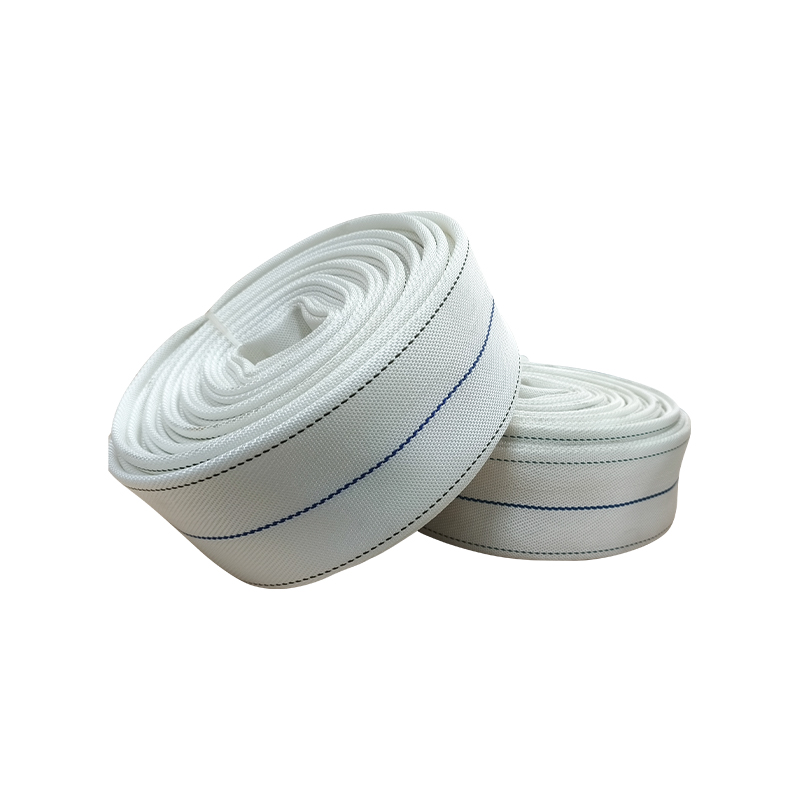
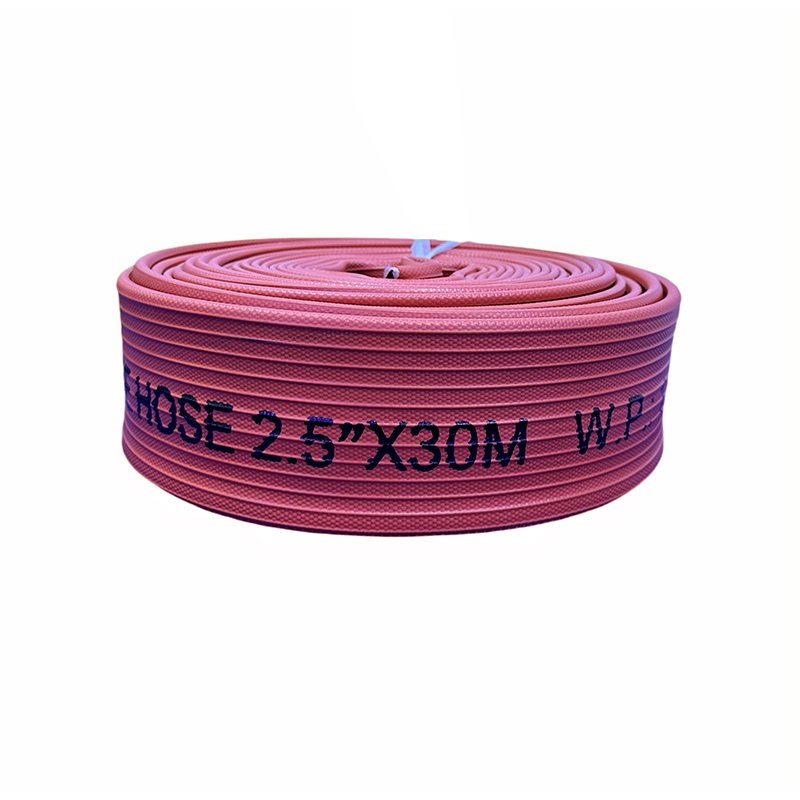
A TPU lay flat hose is a flexible, collapsible water-transfer hose built from a thermoplastic polyurethane lining bonded to a high-tenacity polyester yarn reinforcement, then welded into a continuous tube that folds flat for storage and rounds out under pressure. This construction gives TPU lay flat hose systems a combination of high burst strength, lightweight portability, and resistance to oils, fuels, and abrasion that standard PVC or rubber discharge hoses cannot match. Farms, mine sites, construction crews, and emergency response teams all rely on the same core design for very different jobs.
TPU Lay Flat Hose Pressure Rating: What PSI Can It Handle?
Pressure rating is the first spec buyers check, and TPU lay flat hose typically carries a working pressure of 100 to 150 PSI with a burst pressure of 300 to 450 PSI, giving a safety factor of roughly 3:1 as required by most industrial hose standards. Diameters commonly range from 2 inches to 12 inches, with larger diameters generally rated toward the lower end of the pressure range because wall stress increases with circumference. By comparison, standard PVC lay flat hose is usually limited to 80 to 100 PSI working pressure, making TPU the preferred choice for high-volume pumping over distance.
TPU Lay Flat Hose Abrasion Resistance: Built for Rough Terrain
Abrasion resistance determines how long a hose survives being dragged over gravel, concrete, asphalt, and rocky ground during deployment and retrieval. TPU's Shore A hardness typically falls between 85A and 95A, and in standard Taber abrasion testing it shows roughly two to three times the wear resistance of PVC coatings of comparable thickness. This matters most in mining, construction, and dewatering jobs where the hose is repeatedly dragged across uneven surfaces by heavy equipment, since a single puncture or worn patch can shut down a pumping operation until the section is repaired or replaced.
TPU Lay Flat Hose
- Abrasion resistance: 2-3x PVC in Taber testing
- Working life: 5-10 years average
- Cold weather: stays flexible to -20°C
- Chemical resistance: handles oils, fuels, fertilizers
Standard PVC Lay Flat Hose
- Abrasion resistance: wears quickly on rough ground
- Working life: 2-3 years average
- Cold weather: stiffens and cracks near 0°C
- Chemical resistance: degrades with fuel or oil contact
TPU Lay Flat Hose Durability: Lifespan Under Real Working Conditions
Durability covers how a hose holds up across temperature swings, UV exposure, and chemical contact over its working life. TPU lay flat hose is typically rated for continuous use between -20°C and 60°C, resists ozone and most hydrocarbons, and includes UV stabilizers that prevent the surface cracking common in unprotected PVC after a season or two outdoors. With proper storage and routine inspection for pinholes at the weld seams, a quality TPU hose commonly lasts 5 to 10 years in regular rotation, well beyond what entry-level PVC lay flat hose delivers under similar conditions.
TPU Lay Flat Hose Flexibility: Easy to Roll, Store, and Deploy
Flexibility is what separates lay flat hose from rigid pipe in temporary applications. TPU's elastomeric lining stays pliable even in cold weather, allowing the hose to fold completely flat for transport and roll into a compact coil that a single worker can carry and deploy. A typical 4-inch TPU lay flat hose weighs roughly 0.3 to 0.4 kg per meter when empty, far lighter than an equivalent rubber discharge hose, which speeds up setup and breakdown on job sites where crews move hundreds of meters of hose in a single shift.
TPU Lay Flat Hose for Irrigation: Why Farms Are Switching
In agriculture, TPU lay flat hose has become the standard for temporary irrigation mainlines, dewatering flooded fields, and feeding mobile sprinkler or pivot systems from a pond or well. Its resistance to fertilizers, pesticides, and fuel residue means the same hose can move treated water without the lining degrading, while its light weight lets one or two workers reposition hundreds of meters across a field between irrigation cycles. Farmers switching from PVC report fewer mid-season failures, since the TPU lining resists the cracking that PVC develops after repeated folding and UV exposure.
For irrigation mainlines longer than 200 meters, oversize the hose diameter by one size. This offsets friction loss and keeps pressure steady at the far end of the run.
TPU Lay Flat Hose Industrial Applications: Beyond the Farm
Outside agriculture, TPU lay flat hose is standard equipment for mine site dewatering, construction site water transfer, temporary fire suppression lines, and flood response, anywhere crews need to move large volumes of water over long distances without installing permanent pipe. Its chemical resistance also makes it suitable for transferring process water containing mild oils or solvents in industrial settings, while its compact storage profile means a contractor can carry several hundred meters of hose in the back of a single truck rather than dedicating a trailer to rigid pipe sections.
Choosing the Right TPU Lay Flat Hose for Your Application
Before ordering, run through these four checks to make sure the hose matches the job rather than just the budget. Each one addresses a common reason lay flat hose fails early in the field.
- Match diameter to flow rate. Undersized hose increases friction loss and can starve sprinklers or pumps at the far end of a long run.
- Confirm the pressure rating. Check working pressure against your pump's discharge rating and keep the 3:1 safety margin between working and burst pressure intact.
- Check chemical compatibility. Verify the lining is rated for fertilizers, fuel residue, or any mild solvents present in the water being transferred.
- Inspect seams and fittings. Examine weld seams and end couplings each season, since seam separation is the most common point of failure on lay flat hose.