en
en
 عربى
عربى

Content
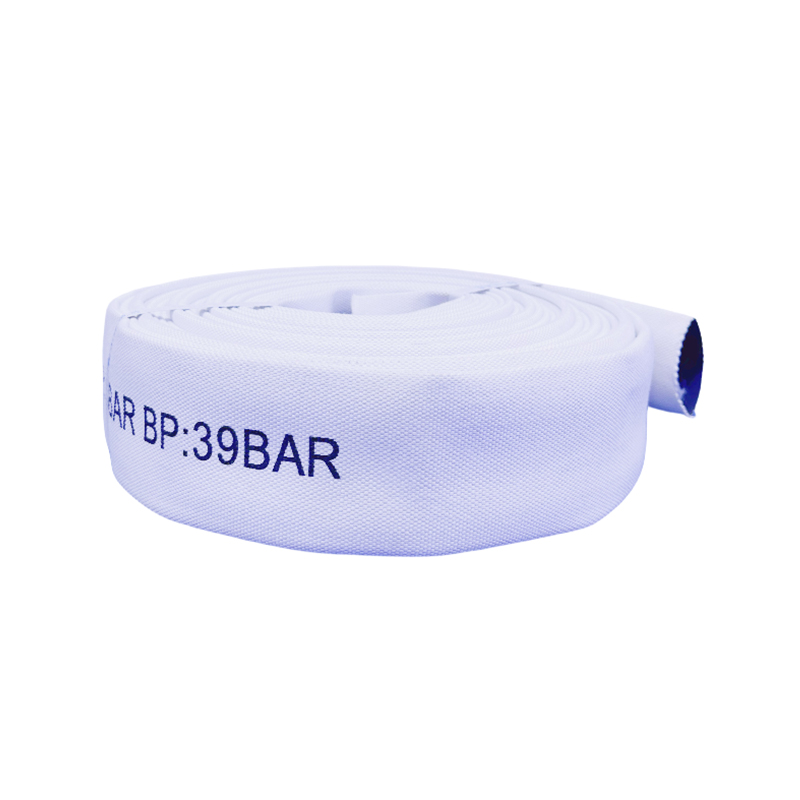
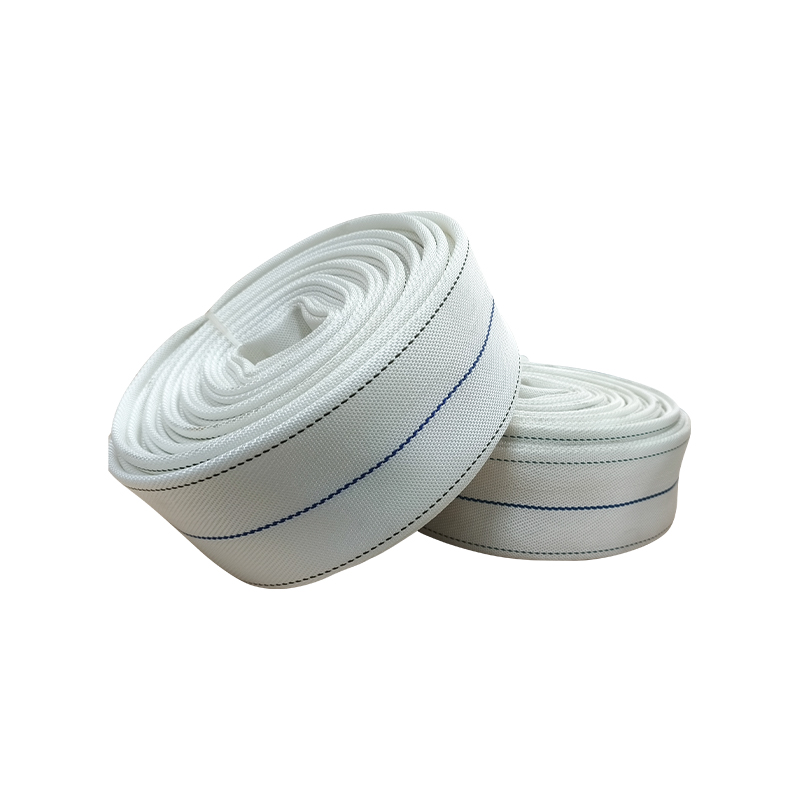
In large-scale industrial, agricultural, and emergency operations, the energy consumed by pumping systems accounts for a significant portion of operational overhead. Efficient liquid logistics depend heavily on the internal surface dynamics of the delivery conduit. A TPU lay flat hose (Thermoplastic Polyurethane) has emerged as the engineering standard for high-pressure, long-distance applications due to its superior smooth-bore internal lining. Taizhou Jun'an Fire Technology Co., Ltd., located near the Shanghai trading hub, specializes in the R&D and production of professional-grade PU lined hoses. By integrating advanced production equipment and senior technical expertise, we provide high-performance solutions like the large diameter TPU lay flat hose for irrigation and emergency water supply, designed specifically to minimize friction loss and optimize pump efficiency.
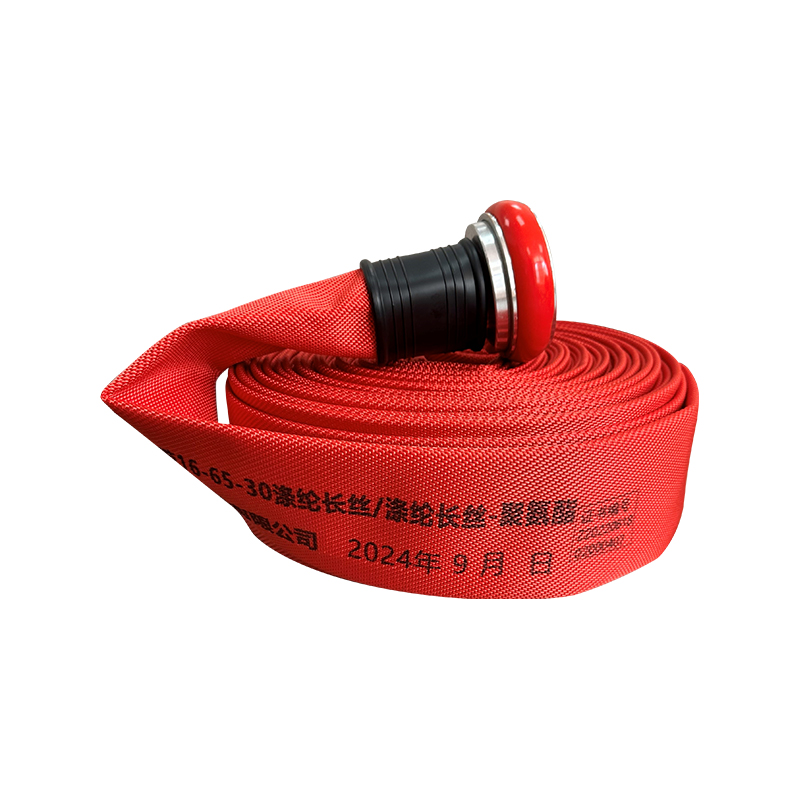
Hydrodynamic Efficiency: Minimizing Friction Loss through Smooth-Bore Technology
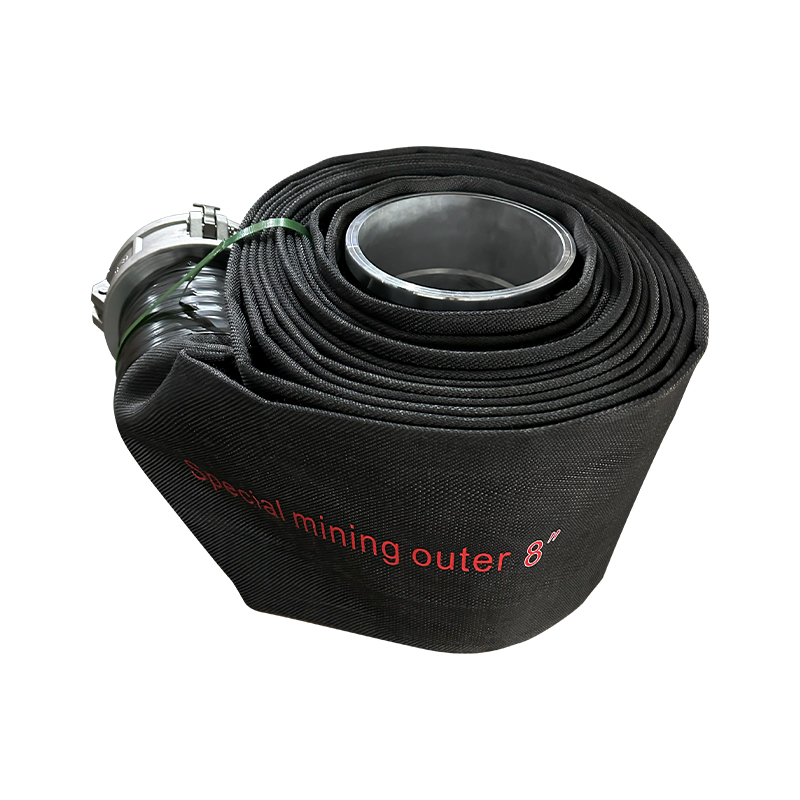
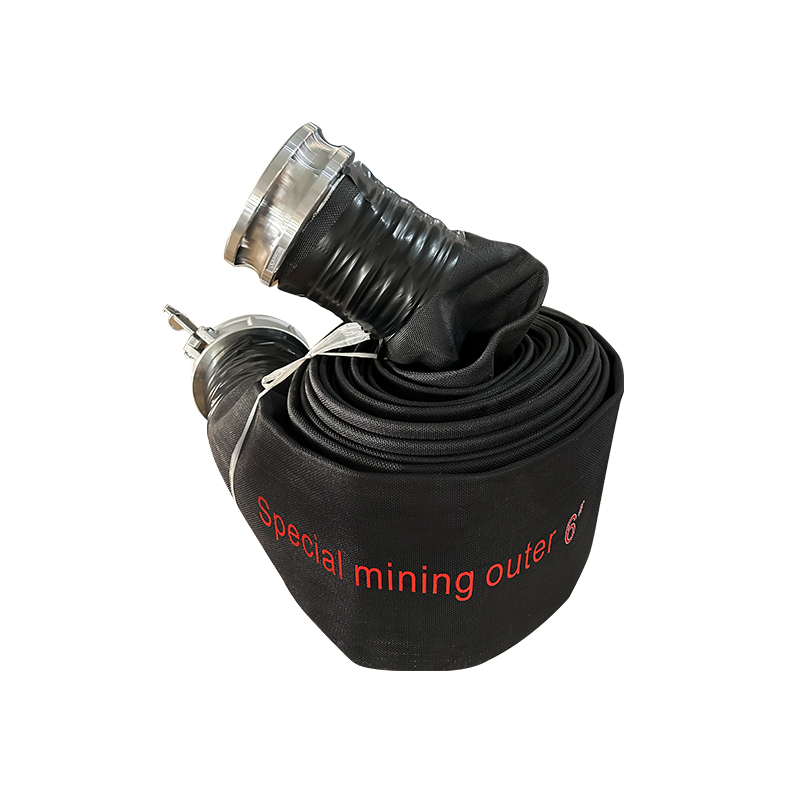
The internal surface roughness of a hose directly dictates the pressure drop over distance, a phenomenon known as friction head loss. A TPU lay flat hose features a high-tenacity polyester reinforcement encased in a smooth TPU lining, which provides a significantly lower friction coefficient compared to traditional rubber or PVC hoses. According to the 2024 Global Industrial Hose Market Outlook by the International Association of Plastics Distribution (IAPD), the transition to polyurethane-lined systems in liquid transfer can reduce energy consumption by up to 15-20% by allowing pumps to operate at lower RPMs while maintaining the same flow rate. This is particularly critical for high pressure TPU lay flat hose for fracking and mining, where liquid must be moved across kilometers of uneven terrain.
Source: IAPD - International Association of Plastics Distribution: 2024 Technical Performance Report
Comparative Analysis: Internal Surface Roughness and Pressure Drop
While rubber-lined hoses exhibit higher surface friction due to the material's natural texture, TPU's mirror-like internal finish facilitates laminar flow, reducing the energy required to overcome turbulence.
| Hose Material Type | Surface Friction Coefficient | Relative Energy Consumption |
| Traditional Rubber Lined | High (0.016 - 0.019) | 100% (Baseline) |
| Standard PVC Lay Flat | Medium (0.012 - 0.014) | ~85% |
| TPU lay flat hose | Ultra-Low (0.007 - 0.009) | ~70% - 75% |
Weight Dynamics and Deployment Efficiency
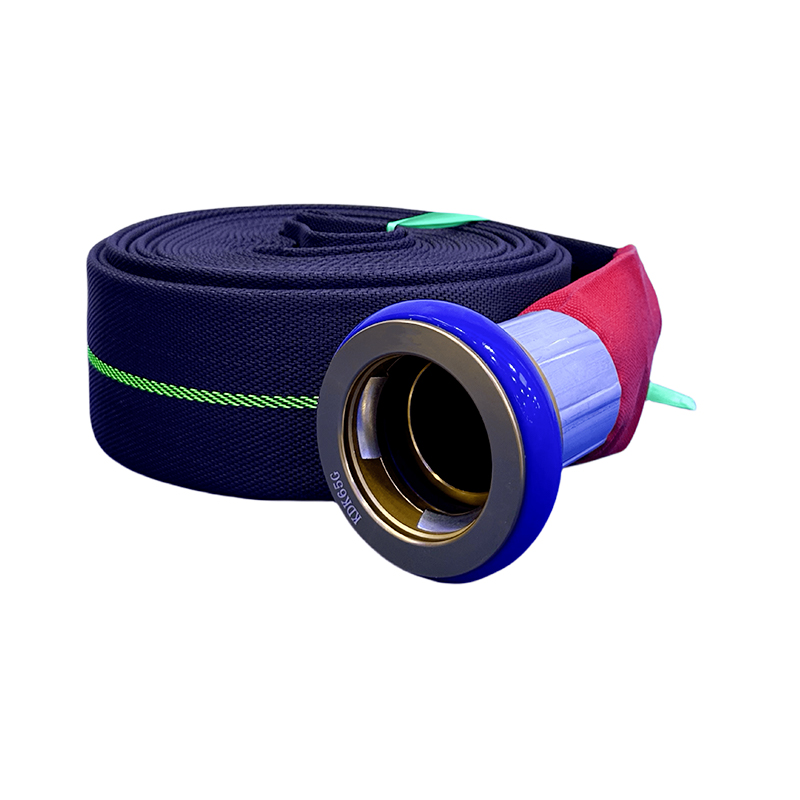
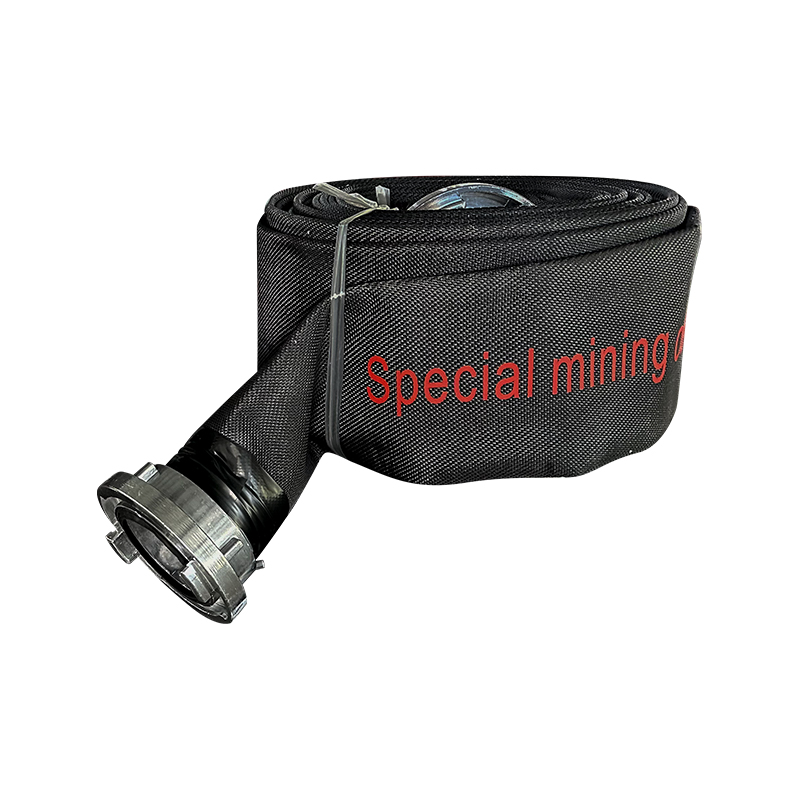
Energy savings in long-distance liquid transfer are not limited to electricity or fuel consumed by pumps; they also encompass the logistics of deployment. A lightweight TPU lay flat hose for emergency water supply is roughly 30% to 50% lighter than its rubber counterparts of the same diameter and pressure rating. This weight reduction translates to lower fuel consumption for transport vehicles and less manpower for field layout. As noted in the 2025 Emergency Equipment Standards by the National Fire Protection Association (NFPA), the use of high-strength synthetic polymers has revolutionized rapid-response logistics, enabling faster setup times in critical infrastructure failure scenarios. For B2B procurement, choosing UV resistant TPU lay flat hose for mining ensures that the material maintains its lightweight flexibility even after prolonged exposure to harsh sunlight and ozone.
Source: NFPA - National Fire Protection Association: 2025 Equipment Guidelines
Comparison: Physical Properties and Logistical Impact
The strength-to-weight ratio of TPU allows for longer continuous lengths on a single reel, reducing the number of heavy metallic couplings which are often the primary points of leakage and pressure loss.
| Technical Specification | Heavy Duty Nitrile Rubber | TPU lay flat hose |
| Weight per Meter (4" ID) | ~2.2 kg | ~1.1 kg |
| Maximum Coil Length | 100 - 200 meters | Up to 400+ meters |
| Tensile Strength | Moderate | Extremely High |
| Logistical Cost | High (Requires heavy machinery) | Low (Manual or light-vehicle assist) |
Durability and Operational Longevity
Long-term energy cost reduction must also factor in the "embedded energy" of replacement cycles. An abrasion resistant TPU lay flat hose for construction sites can outlast PVC or rubber hoses by a factor of 4:1 in high-wear environments. TPU's molecular structure provides exceptional resistance to hydrolysis and microbial attack, which are common failure points in agricultural liquid transfer. Taizhou Jun'an Fire Technology Co., Ltd. utilizes specialized high-carbon TPU blends to ensure that our products resist the "snaking" effect under pressure, which maintains a straight flow path and further minimizes energy-wasting turbulence. Whether providing large diameter TPU lay flat hose for irrigation or industrial bypass, our commitment to first-class equipment ensures a high-quality after-sales service and long-term business reliability.
- Laminar Flow Optimization: Smooth internal walls reduce boundary layer thickness, allowing for higher velocity at lower pressure.
- Chemical Resistance: TPU resists oils, fuels, and common agricultural chemicals, preventing internal swelling that restricts flow.
- High Pressure Stability: Maintains a consistent internal diameter under surge loads, preventing energy loss through wall expansion.
- Zero Leakage Policy: Advanced extrusion-through-the-weave technology ensures an inseparable bond between the lining and the jacket.
Frequently Asked Questions (FAQ)
1. How does TPU improve pump efficiency compared to PVC?
A TPU lay flat hose has a significantly smoother internal "bore" than PVC. This reduces the friction loss (head loss), meaning the pump doesn't have to work as hard to push the same volume of water, directly lowering energy costs.
2. Is the TPU hose suitable for potable water transfer?
Yes, many of our TPU linings are manufactured to food-grade standards. For specialized needs, we provide lightweight TPU lay flat hose for emergency water supply that meets international safety certifications for drinking water.
3. Can the hose withstand extreme temperatures in mining?
Absolutely. Our UV resistant TPU lay flat hose for mining is designed to operate in temperatures ranging from -50°C to +80°C without losing flexibility or structural integrity.
4. What is the benefit of "Large Diameter" TPU hoses?
Using a large diameter TPU lay flat hose for irrigation allows for a higher volume of water at lower velocities. This reduces friction loss exponentially (as friction is related to the square of the velocity), resulting in massive energy savings.
5. Does Taizhou Jun'an provide customization?
Yes, we offer both OEM and ODM services. We can customize the pressure rating, color, and length of your abrasion resistant TPU lay flat hose for construction or fire-fighting needs to meet specific project requirements.