en
en
 عربى
عربى

Content
- 1 Thermal Stability and Resistance to Extreme Environments
- 2 Chemical and Abrasion Resistance in Petrochemical Settings
- 3 Optimizing Flow Efficiency and Pressure Handling
- 4 Frequently Asked Questions (FAQ)
- 4.1 1. Why is synthetic rubber preferred for oil field firefighting?
- 4.2 2. Can a synthetic rubber fire hose be used for agricultural purposes?
- 4.3 3. How does the maintenance of rubber hoses compare to PVC?
- 4.4 4. Are custom lengths available for specialized industrial sites?
- 4.5 5. Is the high pressure synthetic rubber hose for industrial fire resistant to UV?
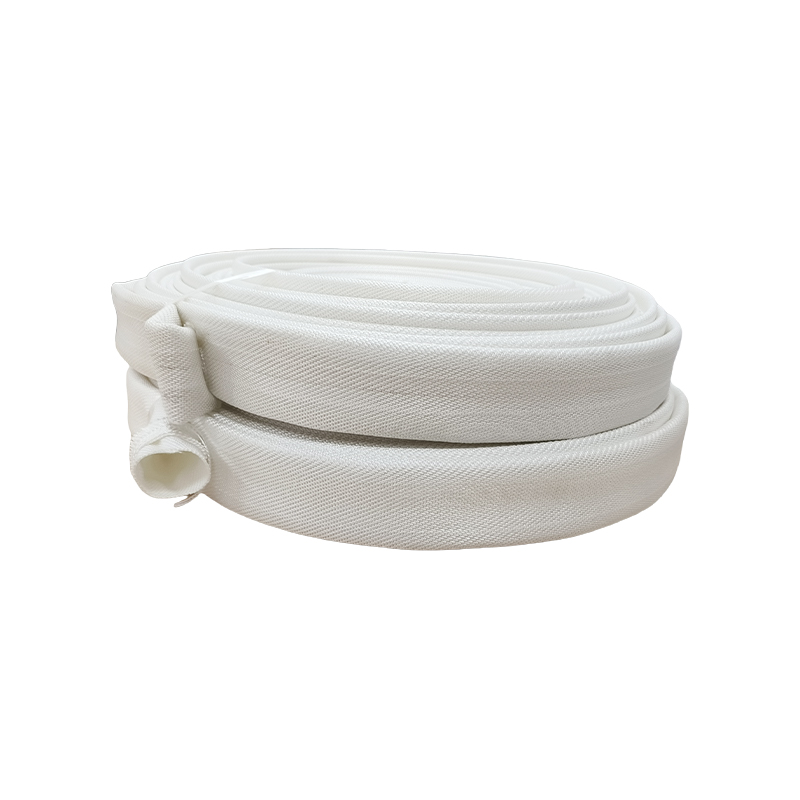
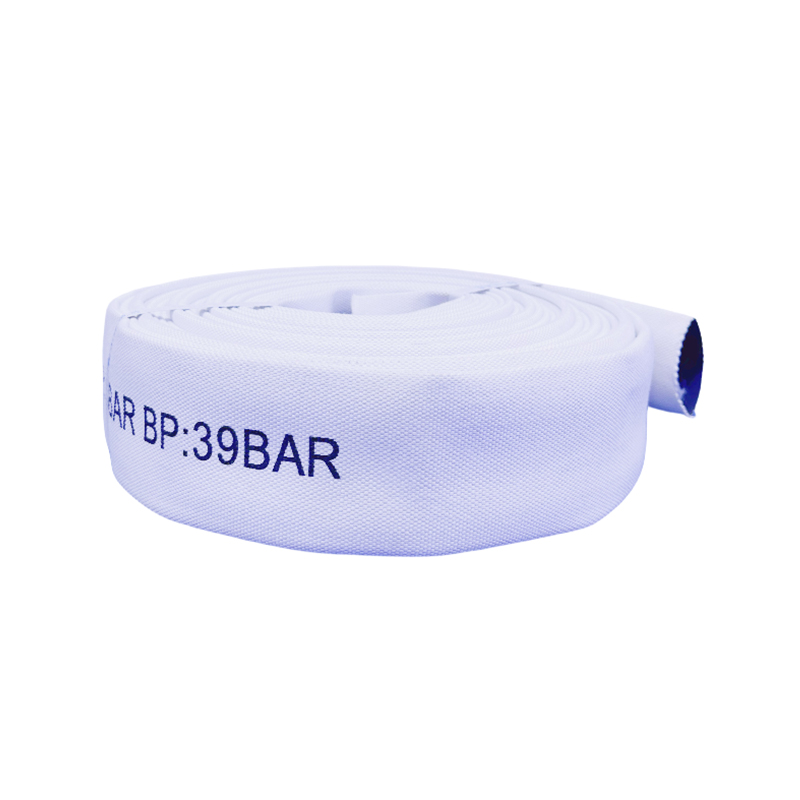
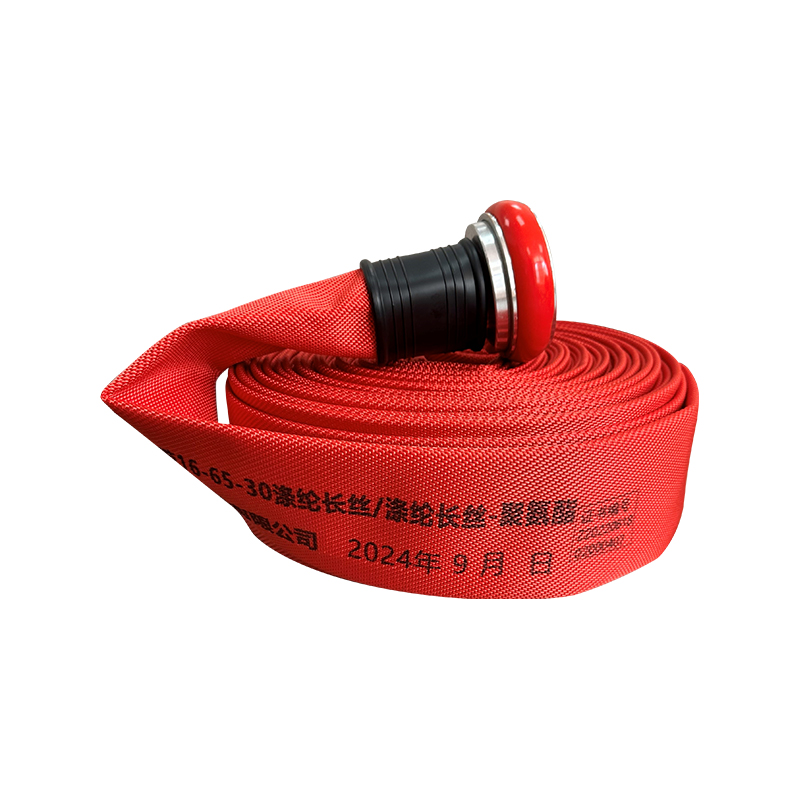
In high-stakes industrial environments such as petrochemical plants and oil fields, the reliability of fluid delivery systems can be the difference between a controlled incident and a catastrophe. Selecting a Synthetic Rubber Fire Hose over traditional PVC alternatives is a decision rooted in material science and operational safety. Taizhou Jun'an Fire Technology Co., Ltd., strategically located near the Shanghai trading port, specializes in the R&D and manufacture of rubber, PVC, and PU lined fire hoses. By integrating advanced production equipment and senior technical designers, we provide first-class heavy duty nitrile rubber fire hoses for oil fields that meet the rigorous demands of global industrial firefighting. Understanding the mechanical divergence between synthetic rubber and PVC is essential for B2B procurement specialists who prioritize long-term performance and high-pressure integrity.
Thermal Stability and Resistance to Extreme Environments
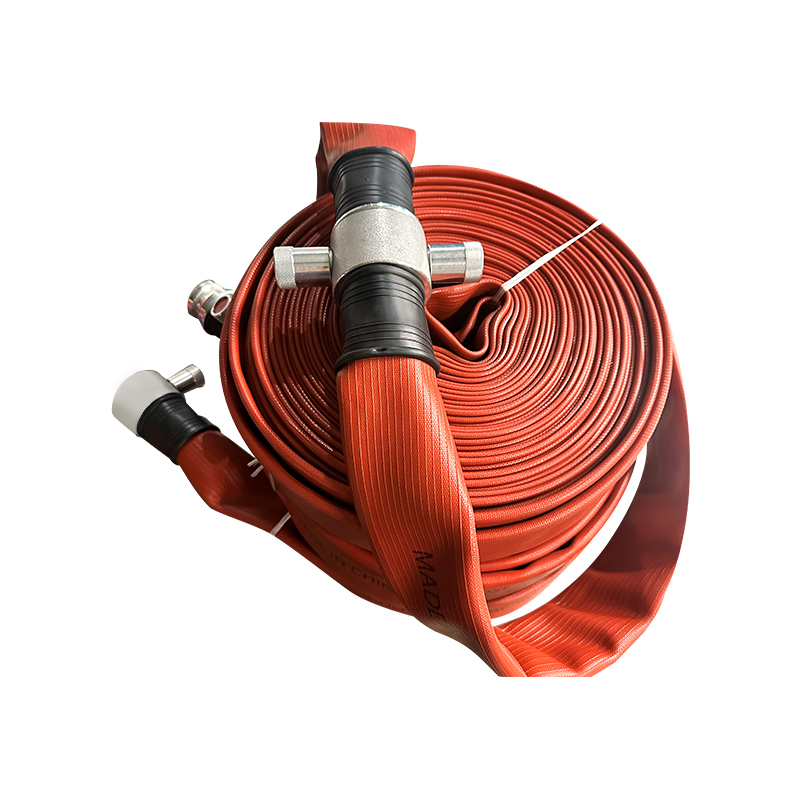
One of the primary advantages of a Synthetic Rubber Fire Hose is its thermal resilience. Industrial firefighting often involves radiant heat and contact with hot surfaces that would cause PVC hoses to soften, lose structural integrity, or even melt. According to the 2024-2025 Fire Protection Equipment Market Analysis by the National Fire Protection Association (NFPA), synthetic elastomers like Nitrile and EPDM have shown a 40% higher resistance to thermal degradation compared to thermoplastic polymers in high-temperature exposure tests. This makes a high pressure synthetic rubber hose for industrial fire suppression the industry standard for hazardous zones where heat exposure is constant.
Source: NFPA - Fire Protection Research and Equipment Standards 2024
Comparison: Temperature Tolerance and Flexibility
While PVC hoses become rigid and brittle in freezing temperatures and lose strength in high heat, synthetic rubber remains flexible from -30°C to +80°C. This ensures that a durable nitrile rubber fire hose for chemical resistance can be deployed rapidly in any climatic condition without the risk of cracking or "set" memory.
| Performance Factor | PVC Fire Hose | Synthetic Rubber Fire Hose (Nitrile/EPDM) |
| Heat Resistance | Softens at >50°C (Risk of burst) | Stable up to 100°C (Radiant heat resistant) |
| Cold Flexibility | Becomes brittle and prone to cracking | Remains highly flexible at sub-zero temperatures |
| Lifespan in Oil Fields | Short (Prone to environmental stress) | Long (Excellent UV and ozone resistance) |
Chemical and Abrasion Resistance in Petrochemical Settings
In oil fields and chemical plants, hoses are frequently exposed to hydrocarbons, solvents, and abrasive surfaces. A durable nitrile rubber fire hose for chemical resistance is engineered with a high-density molecular structure that prevents the penetration of oils, which typically cause PVC to swell and delaminate. Furthermore, recent technical breakthroughs in 2025, documented by the International Organization for Standardization (ISO), highlight that vulcanized rubber compounds now offer up to 3 times the abrasion resistance of standard PVC when dragged over jagged industrial flooring or gravel. This is critical for wholesale synthetic rubber fire hoses for refinery use, where durability directly impacts the total cost of ownership.
Source: ISO 4642-1:2024 - Rubber and Plastics Hoses for Firefighting
Material Integrity and Oil Resistance Comparison
PVC is a thermoplastic that can be dissolved or weakened by various aromatic hydrocarbons found in oil fields. Synthetic rubber, particularly Nitrile (NBR), is specifically formulated to be chemically inert when in contact with fuels and lubricants.
| Chemical Property | PVC Material Response | Synthetic Rubber (Nitrile) Response |
| Oil & Fuel Resistance | Poor (Absorbs oils, becomes tacky) | Excellent (Impermeable to hydrocarbons) |
| Abrasion Resistance | Moderate (Easily scuffed) | High (Designed for rough terrain) |
| Adhesion Strength | May delaminate under pressure | Superior vulcanized bonding |
Optimizing Flow Efficiency and Pressure Handling
For industrial firefighting, flow rate and pressure maintenance are non-negotiable. A high pressure synthetic rubber hose for industrial fire applications is designed with a high-tenacity polyester reinforcement jacket that is fully encapsulated by the rubber lining and cover. This "through-the-weave" construction eliminates the risk of "kinking" which is common in cheaper PVC hoses. For B2B buyers, custom length synthetic rubber fire hose for fire departments ensures that specific site requirements—such as long-distance relay pumping in refineries—are met without sacrificing pressure stability or increasing friction loss.
- Advanced Manufacturing: Taizhou Jun'an uses modern extrusion technology to ensure uniform wall thickness and concentricity.
- Quality Assurance: Every hose undergoes rigorous pressure testing to ensure it exceeds international safety margins.
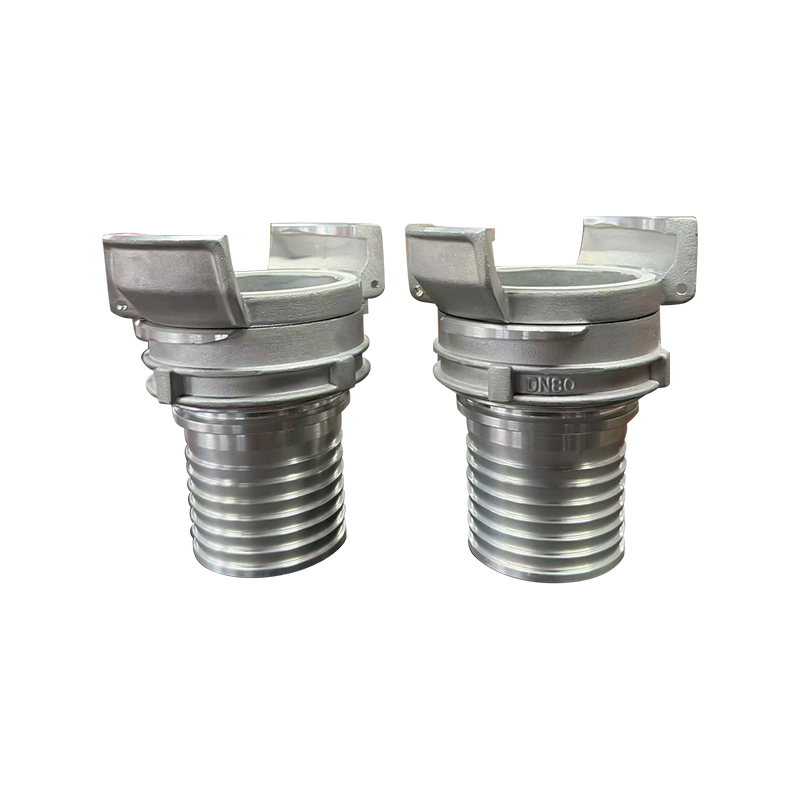
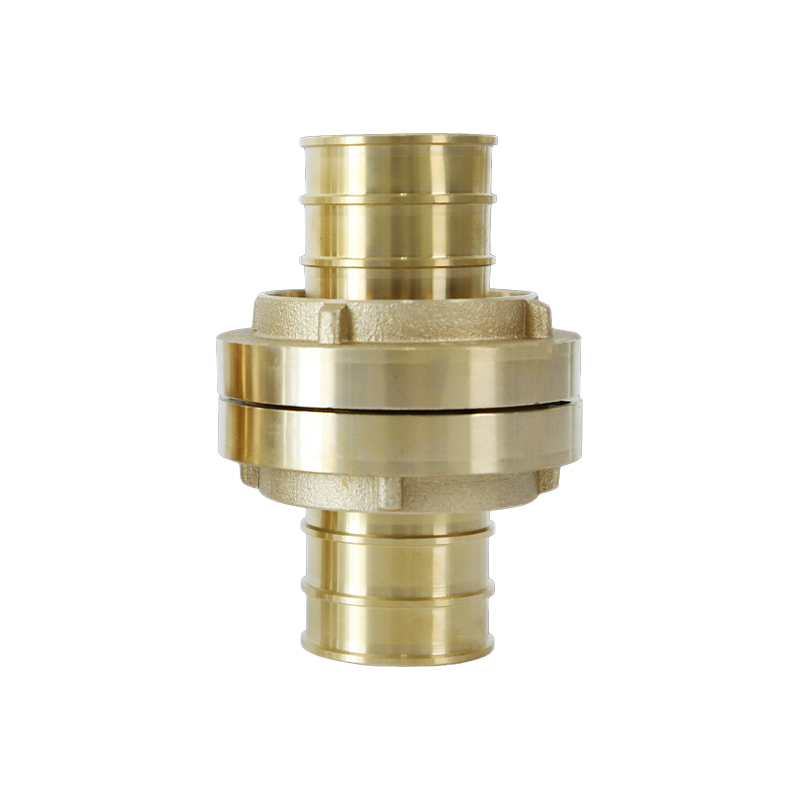
- OEM/ODM Services: We provide tailored solutions including specific color-coding and coupling attachments for heavy duty nitrile rubber fire hoses for oil fields.
- Expert Design: Our senior technical designers focus on absorbing the best global product advantages to create superior emergency rescue equipment.
Frequently Asked Questions (FAQ)
1. Why is synthetic rubber preferred for oil field firefighting?
Synthetic rubber, specifically NBR, provides unparalleled resistance to hydrocarbons. A heavy duty nitrile rubber fire hose for oil fields will not swell or degrade when exposed to crude oil or gasoline, unlike PVC which can fail rapidly in these environments.
2. Can a synthetic rubber fire hose be used for agricultural purposes?
Yes. While designed for fire safety, its durability makes it an excellent agricultural hose. Many clients seek wholesale synthetic rubber fire hoses for refinery use because they also perform exceptionally well in high-pressure irrigation and sludge discharge.
3. How does the maintenance of rubber hoses compare to PVC?
A Synthetic Rubber Fire Hose requires less maintenance because it does not need to be "exercised" to prevent cracking. It is ozone-resistant and can be stored for longer periods without the material degradation often seen in thermoplastic PVC.
4. Are custom lengths available for specialized industrial sites?
Absolutely. Taizhou Jun'an provides custom length synthetic rubber fire hose for fire departments and industrial plants to ensure the hose fits the specific dimensions of their fire manifolds and trucks.
5. Is the high pressure synthetic rubber hose for industrial fire resistant to UV?
Yes. The outer cover of our high pressure synthetic rubber hose for industrial fire is treated with UV stabilizers and ozone-resistant compounds, ensuring it can be left outdoors in harsh sunlight without the surface "alligatoring" or cracking.