en
en
 عربى
عربى

Content
- 0.1 1. Factors Affecting Adhesion Strength
- 0.2 2. Impact of Lining Surface on Friction Loss
- 0.3 3. Preventing Delamination in Industrial Applications
- 0.4 4. Balancing Adhesion and Water Flow Performance
- 0.5 5. Maintenance and Inspection Practices
- 1 FAQs
- 1.1 1. How is adhesion strength of EPDM fire hose adhesion strength tested?
- 1.2 2. Does inner surface roughness affect water flow efficiency?
- 1.3 3. What manufacturing practices prevent delamination?
- 1.4 4. Can EPDM hoses be used safely for industrial high-pressure applications?
- 1.5 5. How often should adhesion and friction be inspected?
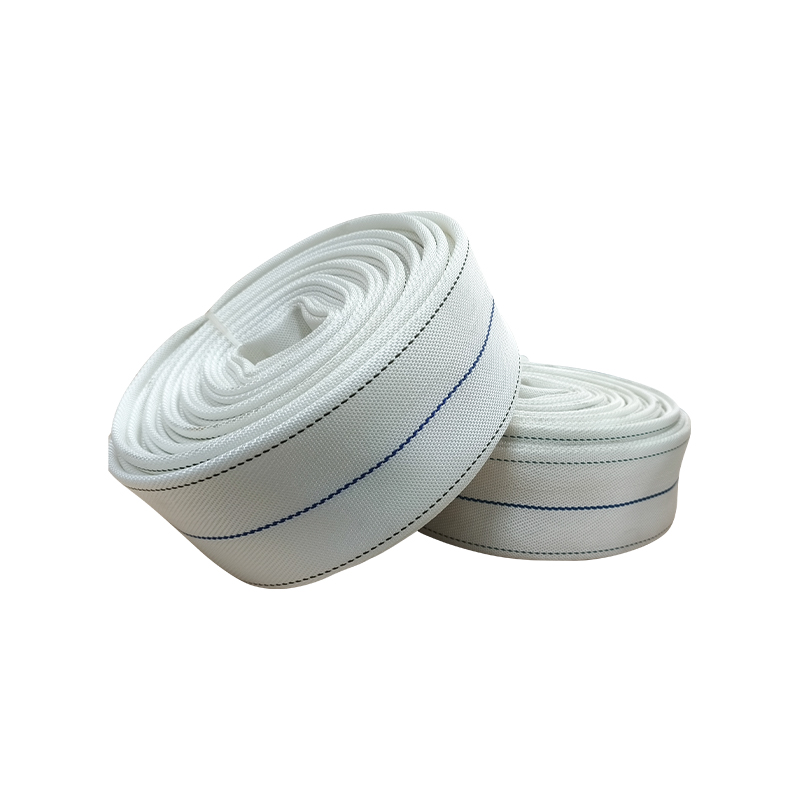
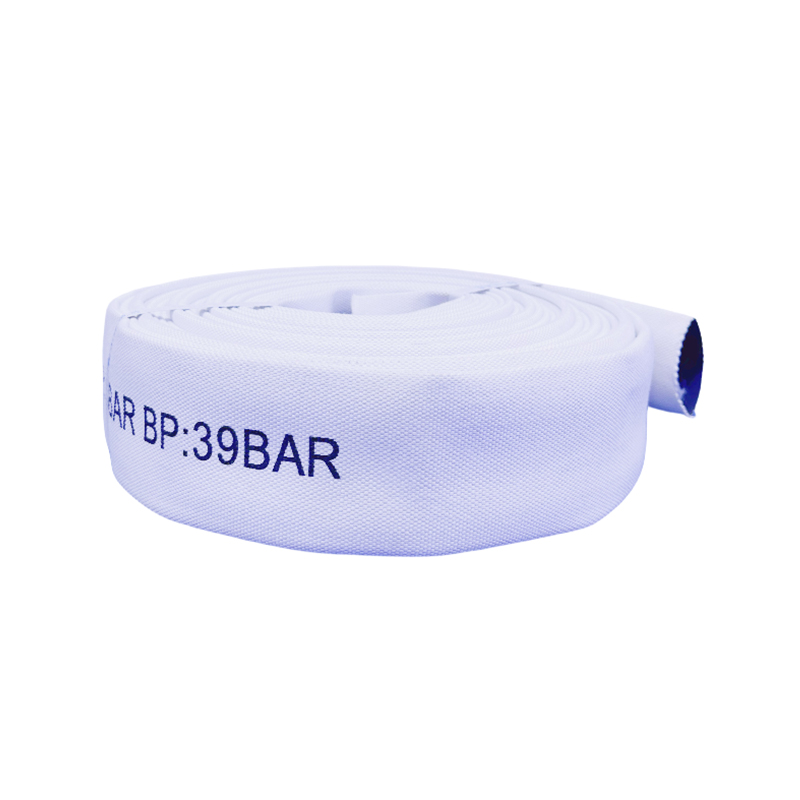
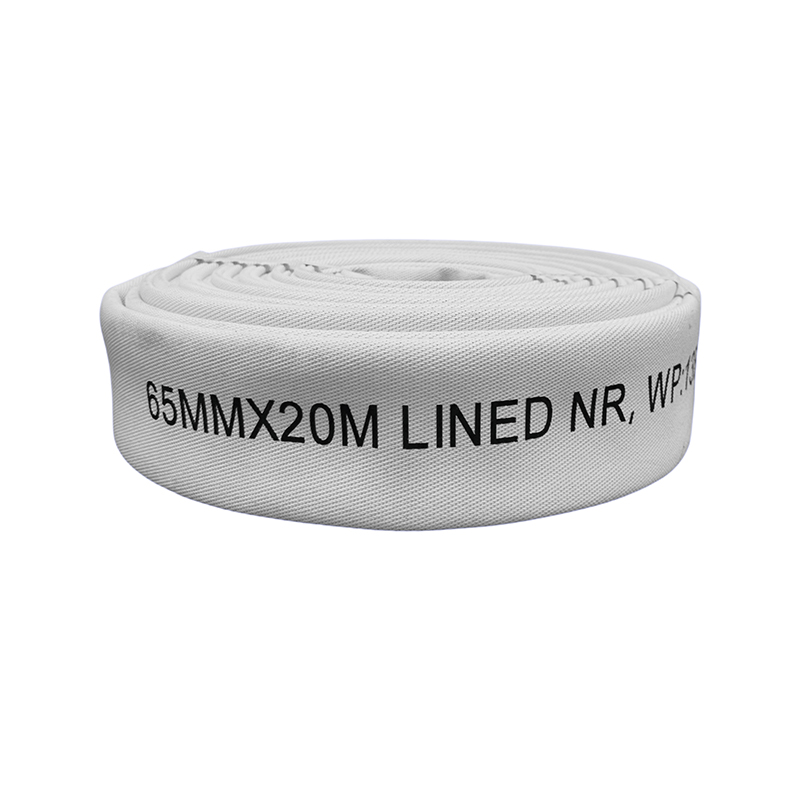
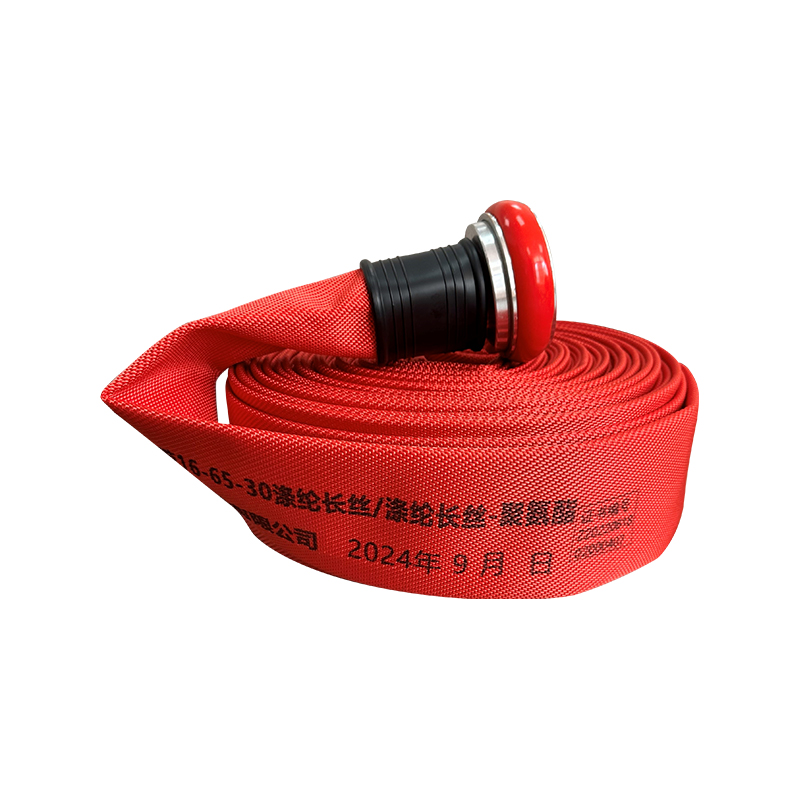
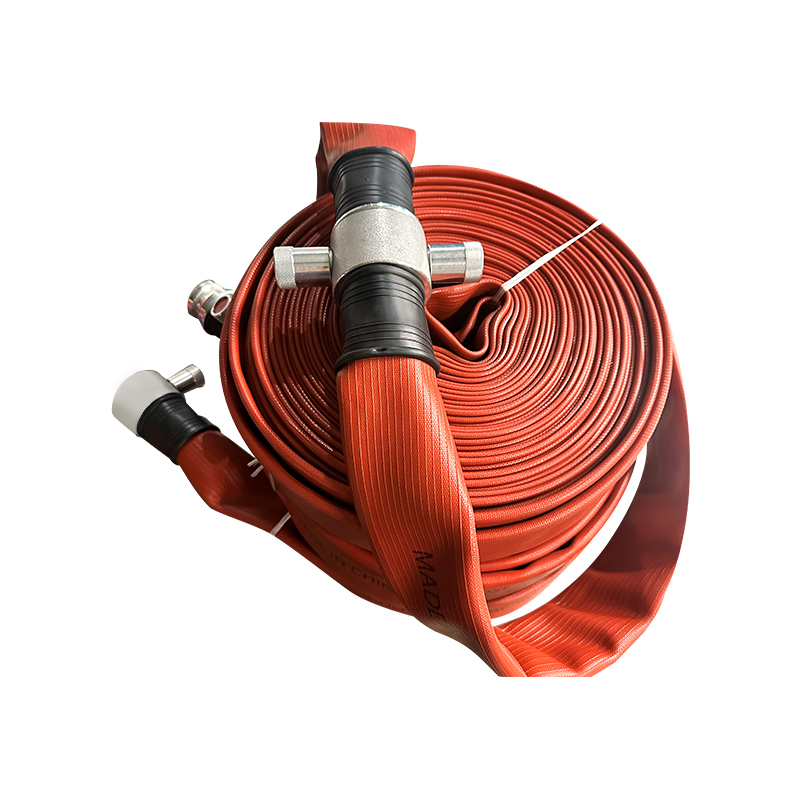
EPDM Fire Hose is critical for industrial, firefighting, and municipal applications. Ensuring strong adhesion between the inner lining and the outer jacket is essential to prevent delamination during high-pressure operation. Additionally, the surface roughness of the lining directly impacts friction loss and effective water discharge distance, affecting firefighting efficiency.
1. Factors Affecting Adhesion Strength
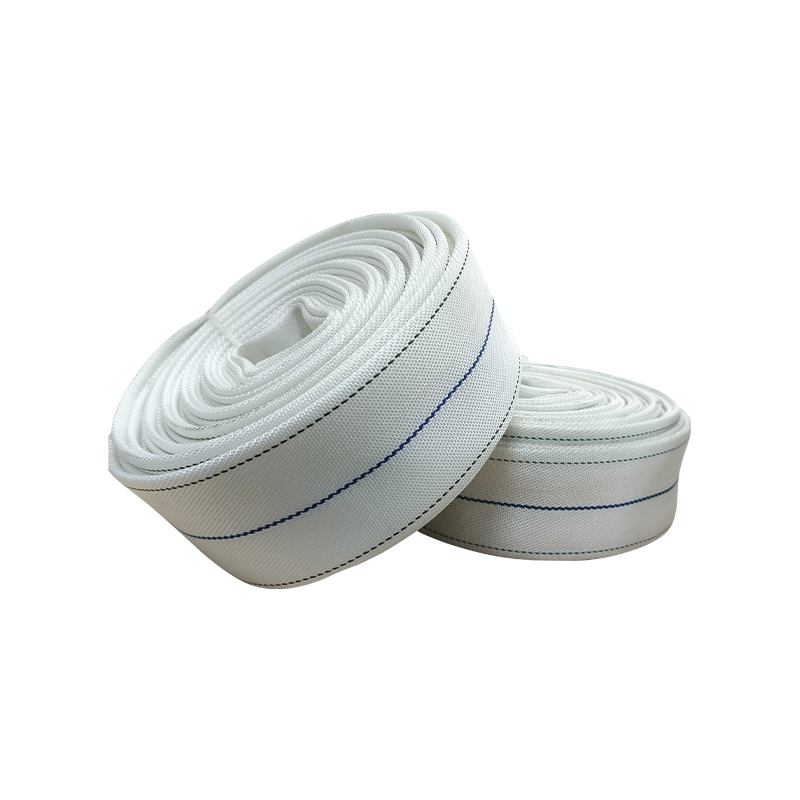
Adhesion between the EPDM fire hose lining and outer jacket is influenced by:
- Curing temperature and pressure during manufacturing
- Surface preparation, including roughness and cleanliness
- Compatibility of inner and outer materials
- Use of bonding agents or primers
| Factor | Effect on Adhesion | Recommended Practice |
|---|---|---|
| Surface Roughness | Increased roughness enhances mechanical interlocking | Micro-roughened lining surface before bonding |
| Material Compatibility | Mismatch reduces adhesion, risk of delamination | Select EPDM and jacket materials with compatible chemical composition |
| Bonding Agents | Enhances chemical adhesion | Apply appropriate primer before vulcanization |
2. Impact of Lining Surface on Friction Loss
The inner surface roughness of high-performance EPDM water hose affects water flow efficiency:
| Surface Type | Friction Loss | Water Discharge Distance |
|---|---|---|
| Smooth Lining | Low friction | Maximized effective range |
| Micro-Roughened Lining | Moderate friction | Balanced adhesion and range |
| Highly Rough Lining | High friction | Reduced range but improved bonding |
3. Preventing Delamination in Industrial Applications
Using rubber lined fire hose delamination prevention techniques ensures operational safety:
- Strict quality control during extrusion and vulcanization
- Testing adhesion strength with peel and shear tests
- Maintaining consistent curing temperature and pressure
- Regular inspection and maintenance of hoses in the field
4. Balancing Adhesion and Water Flow Performance
For friction loss in EPDM hoses, an optimal compromise between inner surface smoothness and adhesion must be achieved:
| Design Goal | Recommended Surface Finish | Outcome |
|---|---|---|
| Max Adhesion | Micro-roughened | Reduced delamination, moderate friction loss |
| Max Flow Efficiency | Smooth | Low friction loss, careful bonding needed |
| Balanced Performance | Controlled roughness | Reliable adhesion and acceptable water range |
5. Maintenance and Inspection Practices
Regular checks enhance durability of industrial EPDM fire hose durability:
- Inspect for signs of inner lining separation
- Monitor surface wear and erosion
- Ensure hoses are stored properly to prevent deformation
- Schedule pressure tests and adhesion evaluations periodically
FAQs
1. How is adhesion strength of EPDM fire hose adhesion strength tested?
Peel tests and shear tests are used. A standardized force is applied to the lining to measure detachment resistance, ensuring minimum delamination risk under operational pressure.
2. Does inner surface roughness affect water flow efficiency?
Yes. Smooth surfaces reduce friction loss in EPDM hoses and increase effective water discharge distance. Roughened surfaces improve adhesion but slightly reduce flow efficiency.
3. What manufacturing practices prevent delamination?
Surface preparation, bonding agents, precise curing, and material compatibility are key to prevent delamination of rubber lined fire hose delamination prevention.
4. Can EPDM hoses be used safely for industrial high-pressure applications?
Yes, provided the high-performance EPDM water hose undergoes adhesion testing, proper curing, and surface finish optimization to maintain structural integrity.
5. How often should adhesion and friction be inspected?
For industrial EPDM fire hose durability, quarterly or semi-annual inspections are recommended, including visual checks, pressure tests, and peel tests to ensure long-term safety.