en
en
 عربى
عربى

Content
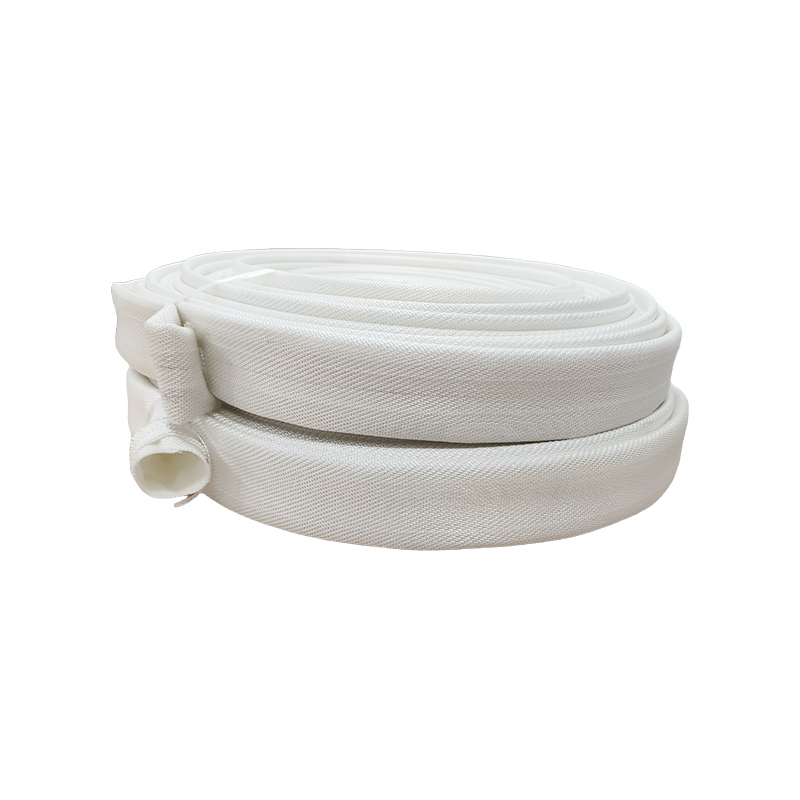
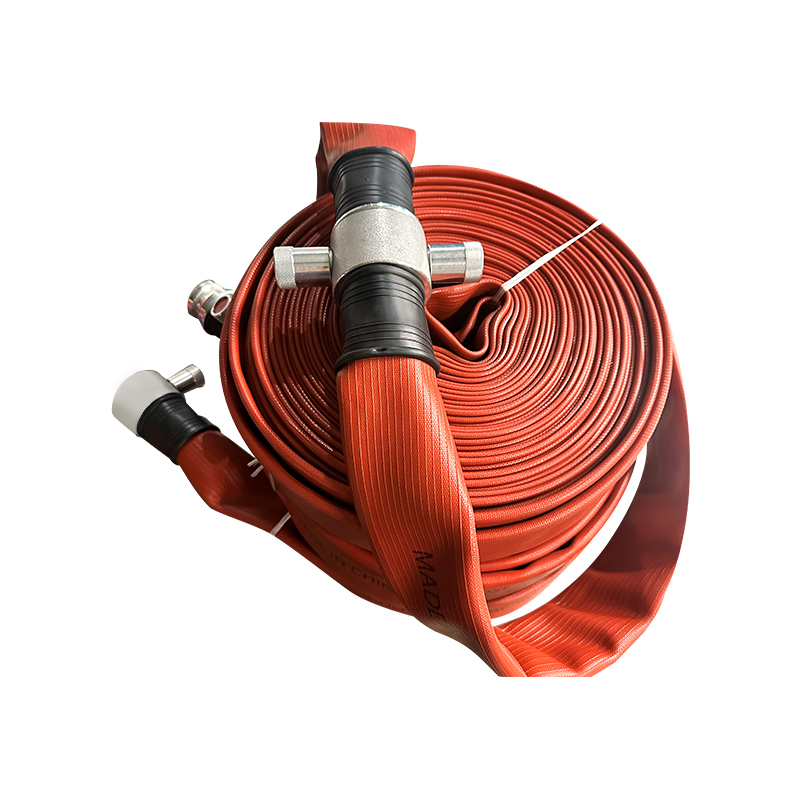
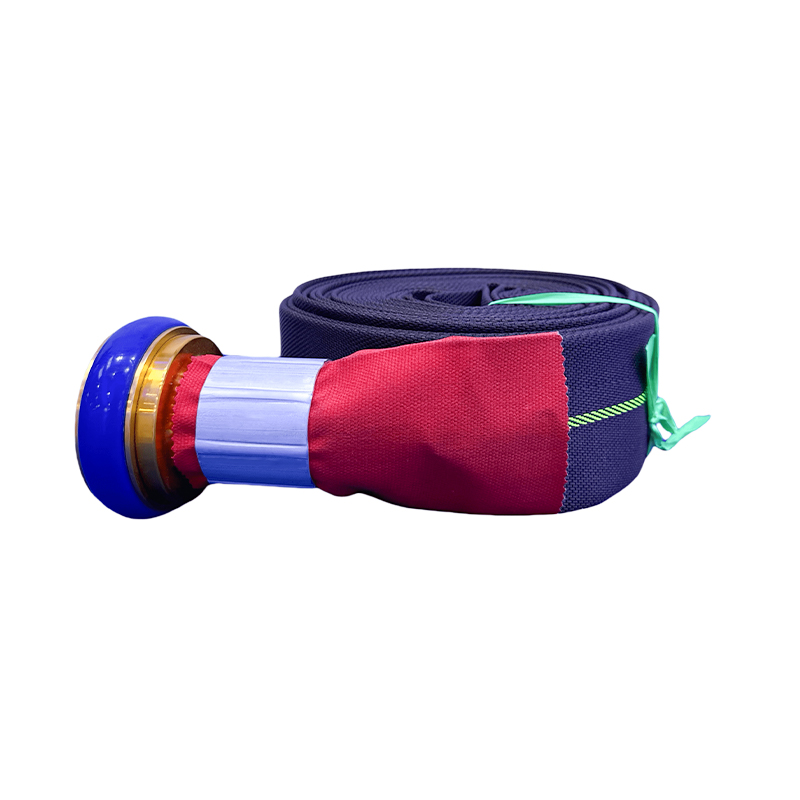
A TPU layflat hose earns its place in three very different worlds — farm fields, fire trucks, and industrial job sites — because thermoplastic polyurethane delivers a combination few other materials match: abrasion resistance, high tensile strength, elasticity, and resistance to oils and chemicals, all in a hose that rolls flat and stores in a fraction of the space a rigid pipe needs.
Here is where that combination actually gets used, what makes the material work, and how to pick the right hose for the job.
That three-layer construction is what lets the hose hold pressure without expanding, resist wear from rough ground and equipment, and still fold flat for transport once the fluid has drained.
Where It Works: Three Core Industries
Agriculture
- Field irrigation and sprinkler systems
- Drip irrigation water supply
- Crop spraying and fertilizer delivery
- Greenhouse and nursery irrigation
Firefighting
- Fire engine water supply
- Emergency and flood response
- Temporary disaster relief water lines
- Long-distance fire water transfer
Industrial
- Construction and mining dewatering
- Slurry and dust suppression systems
- Wastewater and sludge transfer
- Temporary oil and fuel-related transfer
Why TPU Outperforms Other Hose Materials
Handles rough surfaces and repeated dragging without premature wear.
Easier transport and faster deployment with less labor.
Reinforced structure supports demanding flow requirements.
Rolls flat to save warehouse and vehicle space.
Holds up outdoors and against many industrial fluids.
TPU Layflat Hose vs Other Materials
| Feature | TPU Layflat Hose | PVC Layflat Hose |
| Abrasion Resistance | Higher | Moderate |
| Flexibility | Excellent | Good |
| Service Life | Longer | Moderate |
| Heavy Duty Applications | Excellent | Suitable for general use |
| Feature | TPU Layflat Hose | Rubber Hose |
| Weight | Lightweight | Heavier |
| Storage | Easy to roll | More difficult |
| Wear Resistance | High | High |
| Transportation | More convenient | Less flexible |
Pressure rating and diameter get the most attention — but reinforcement layer strength and duty rating decide whether a hose survives a full season of field or fireground use.
Choosing the Right Hose
Match working and burst pressure ratings to the pump and system requirements.
Size for the required flow rate, transfer distance, and equipment connections.
Account for temperature swings, abrasion conditions, and chemical exposure.
Check yarn strength and layer construction against the pressure the hose must hold.
Get those four factors right and a TPU layflat hose holds up across seasons of irrigation, emergency call-outs, or job site dewatering without becoming a recurring line item on the replacement budget.
FAQ
Can a TPU layflat hose be used for both irrigation and firefighting?
Yes, though the specific hose specification — pressure rating, diameter, and reinforcement — should be matched to each use case rather than assumed to be interchangeable.
How does TPU compare to PVC for heavy-duty use?
TPU generally offers higher abrasion resistance, better flexibility, and a longer service life, making it better suited to demanding or rough-surface conditions.
Does a TPU hose need special storage?
It should be drained and dried before rolling to prevent mildew or material degradation, but otherwise stores compactly flat with no special equipment needed.
What determines how much pressure a layflat hose can handle?
The textile reinforcement layer is the primary factor, along with hose diameter and overall wall construction.