en
en
 عربى
عربى

Content
- 1 1. Analyzing Service Life Under Extreme Thermal and UV Stress
- 2 2. Maintenance Cost Analysis and Operational ROI
- 3 3. Engineering for Chemical and Abrasion Resistance
- 4 Conclusion: A Professional Choice for Long-Term Reliability
- 4.1 Frequently Asked Questions (FAQ)
- 4.1.1 1. What is the typical heavy-duty synthetic rubber fire hose service life?
- 4.1.2 2. Are maintenance costs for industrial fire hoses higher for rubber?
- 4.1.3 3. How to reduce fire hose maintenance costs in chemical environments?
- 4.1.4 4. What is the standard fire hose pressure rating for rubber hoses?
- 4.1.5 5. Do you offer OEM and ODM services for specific climate needs?
- 4.2 Industry References
- 4.1 Frequently Asked Questions (FAQ)
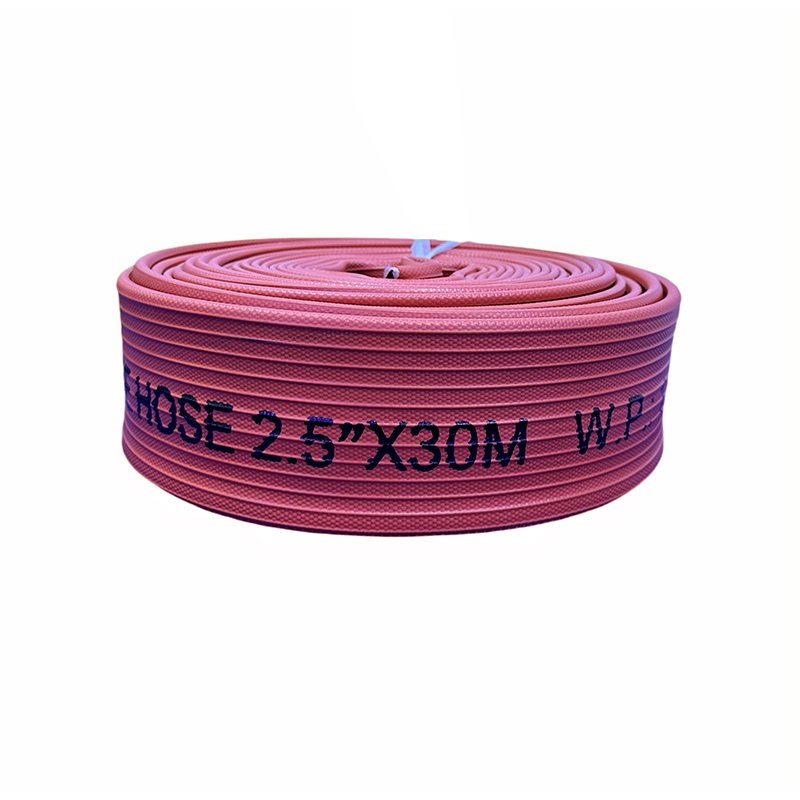
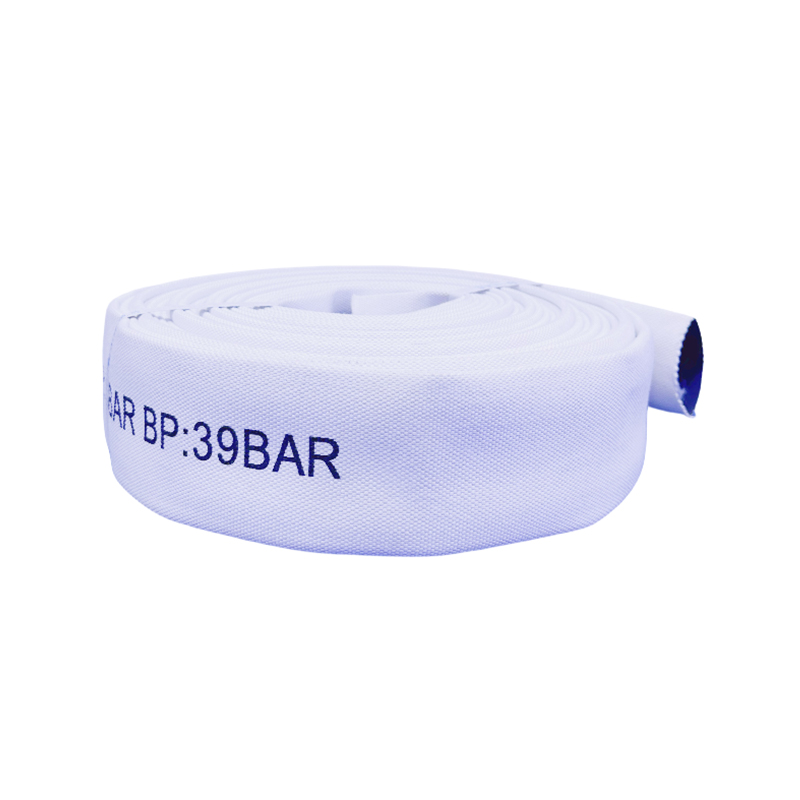
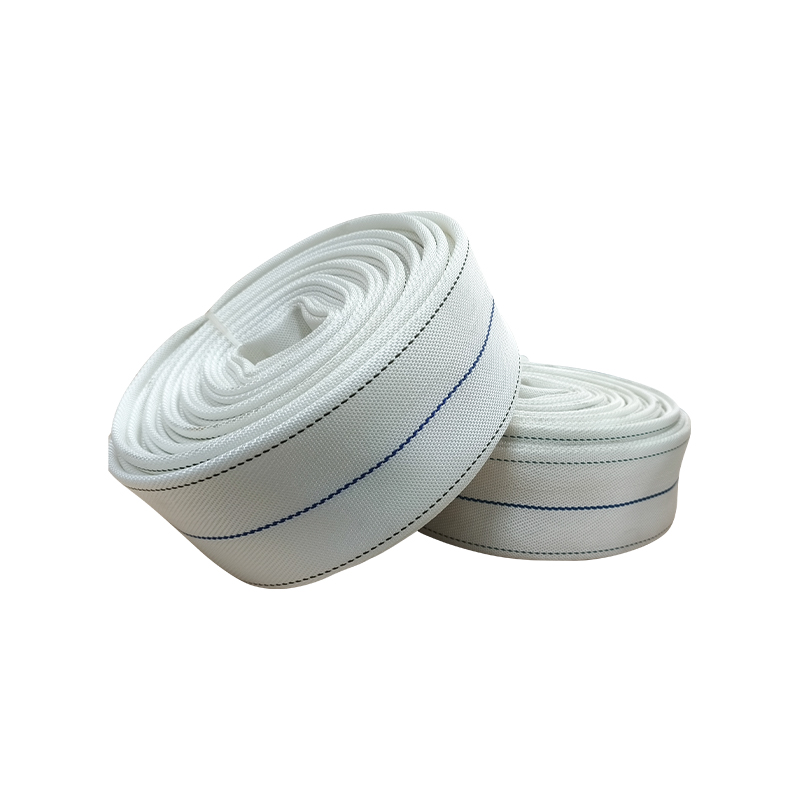
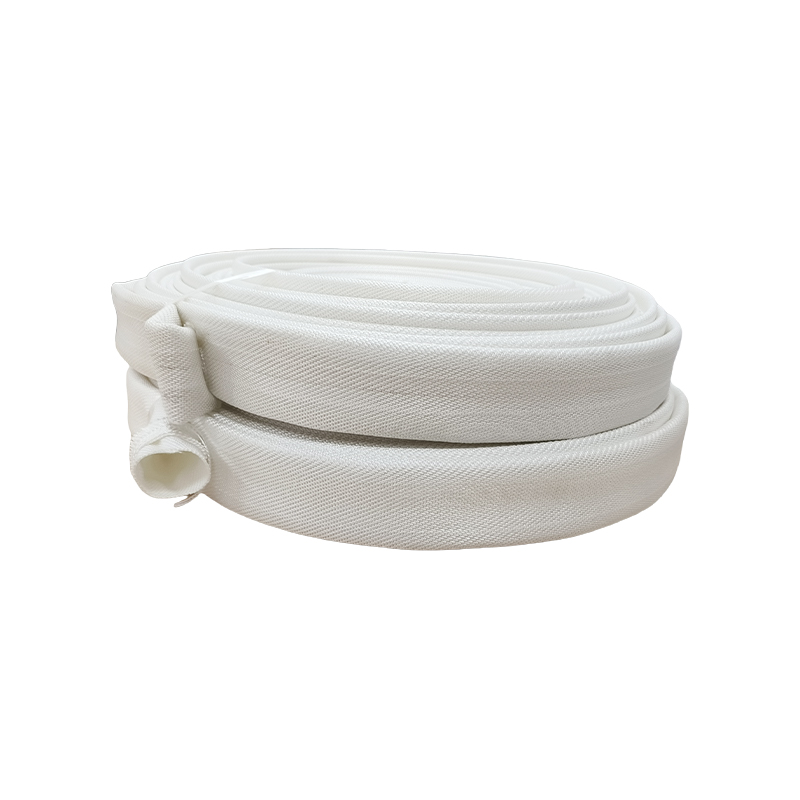
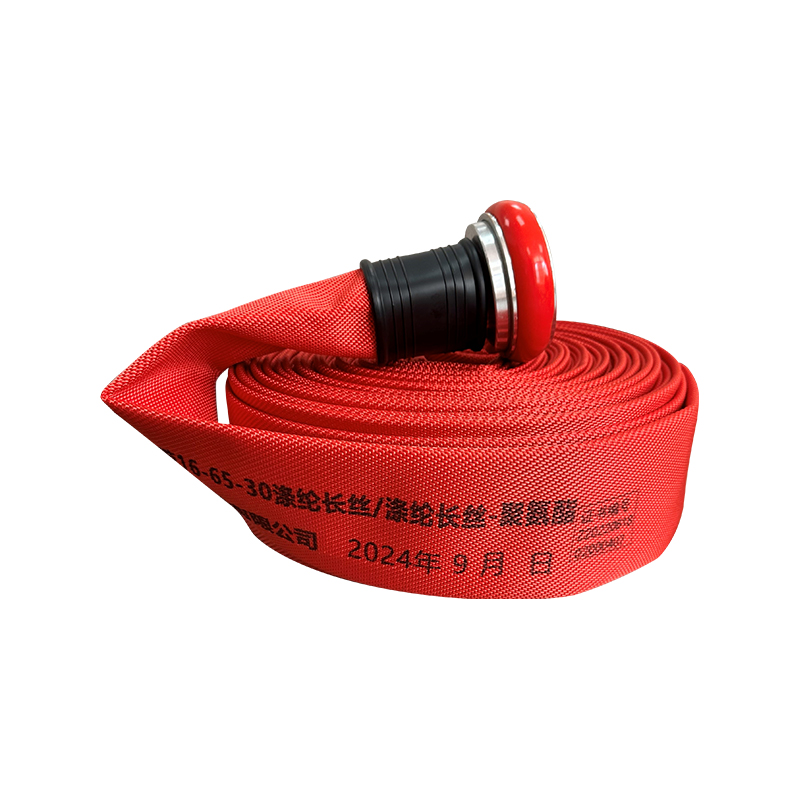
In industrial fire protection and emergency response, the choice of equipment can be the difference between operational success and catastrophic failure. A synthetic rubber fire hose is often the preferred solution for environments where extreme heat, chemical exposure, or sub-zero temperatures are prevalent. Taizhou Jun'an Fire Technology Co., Ltd., located near the global trading hub of Shanghai, specializes in the R&D and manufacturing of high-performance fire equipment. Our synthetic rubber fire hose range is engineered to absorb the technical advantages of international standards, offering robust OEM and ODM solutions. This article provides a technical breakdown of heavy-duty synthetic rubber fire hose service life and the associated long-term fire hose maintenance costs when deployed in harsh climates.
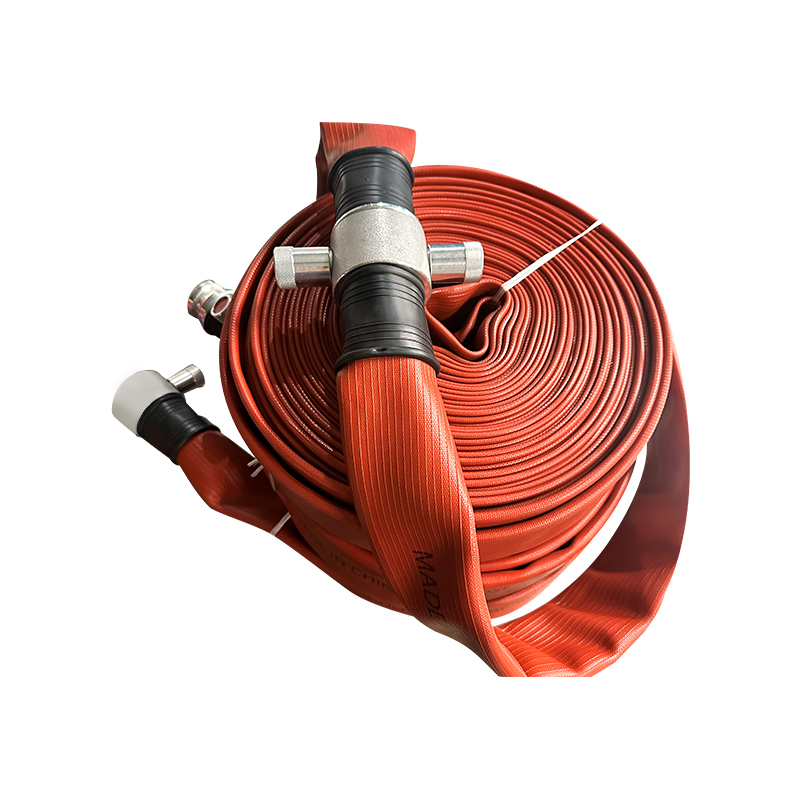
1. Analyzing Service Life Under Extreme Thermal and UV Stress
The expected lifespan of rubber fire hoses is significantly influenced by the polymer's resistance to ozone and ultraviolet radiation. In harsh, high-UV environments, standard jackets can become brittle, but a high-quality synthetic rubber fire hose utilizes Nitrile or EPDM blends to maintain flexibility. Comparing Nitrile rubber vs PVC fire hose longevity reveals that while PVC is cost-effective for indoor use, synthetic rubber offers superior resistance to thermal aging. Furthermore, the benefits of nitrile rubber fire hoses for chemical plants include a stable molecular structure that prevents leaching and cracking. When evaluating fire hose durability in high-temperature environments, engineers look at the "brittle point" and "service temperature range," which for premium rubber hoses typically spans from -30°C to +80°C.
Thermal Performance Matrix
- UV Resistance: Synthetic rubber contains carbon black and antioxidants that shield the internal reinforcement from radiation.
- Cold Flex Properties: Unlike plastic-based hoses, rubber remains pliable at sub-freezing temperatures, preventing "memory set" failures.
| Material Type | Avg. Service Life (Harsh Climate) | Thermal Resistance Profile |
| Standard PVC Lined | 3 - 5 Years | Poor (Becomes brittle in cold/UV) |
| PU Lined Fabric | 5 - 8 Years | Moderate (Sensitive to hydrolysis) |
| Synthetic Rubber Fire Hose | 10 - 15+ Years | Excellent (All-weather performance) |
2. Maintenance Cost Analysis and Operational ROI
While the initial procurement cost of a heavy-duty rubber fire hose may be higher than lightweight alternatives, the maintenance costs for industrial fire hoses are often lower over the product's lifecycle. How to reduce fire hose maintenance costs involves selecting "through-the-weave" extruded hoses that require no drying after use, effectively eliminating the labor costs associated with traditional jacketed hoses. Common maintenance requirements for synthetic rubber hoses are primarily limited to annual hydrostatic testing and visual inspections for coupling integrity. Because these hoses are resistant to mildew and rot, the need for climate-controlled storage is less stringent, further reducing the total cost of ownership. Understanding why synthetic rubber fire hoses are worth the investment requires an engineering look at the "cost-per-year" rather than the "cost-per-unit."
Annual Maintenance Sequence
- Visual Inspection: Checking for "alligatoring" or deep abrasions on the outer ribbing.
- Hydrostatic Testing: Pressurizing the hose to its rated service pressure (e.g., 300 PSI) as per NFPA 1962 standards.
- Coupling Torque Check: Ensuring the expansion rings and gaskets remain airtight under fire hose pressure rating for rubber hoses.
| Maintenance Task | Jacketed Fabric Hose | Synthetic Rubber Fire Hose |
| Drying After Use | Mandatory (to prevent rot) | Optional (non-wicking) |
| Cleaning Labor | High (stain sensitive) | Low (wipe-clean surface) |
| Yearly Cost Estimate | $50 - $100 per length | $15 - $30 per length |
3. Engineering for Chemical and Abrasion Resistance
In harsh industrial climates, such as oil refineries or mining sites, a synthetic rubber fire hose must withstand more than just weather. The impact of abrasion on fire hose service life is mitigated by the external ribbing found on heavy-duty models. Evaluating fire hose durability in high-temperature environments also means assessing the hose's ability to resist "hot ember" contact. A high-pressure synthetic rubber hose for oil and gas is designed to be oil-resistant, preventing the outer cover from swelling or delaminating when exposed to hydrocarbons. At Taizhou Jun'an, we ensure our products absorb the best global designs, offering fire hose pressure rating for rubber hoses that exceed standard industrial requirements, ensuring safety in even the most volatile conditions.
Structural Integrity Features
- External Ribbing: Acts as a sacrificial wear layer during dragging across rough terrain.
- Integrated Reinforcement: The high-tenacity polyester yarn is fully encapsulated by the rubber to prevent delamination.
Conclusion: A Professional Choice for Long-Term Reliability
Ultimately, a synthetic rubber fire hose offers the best balance of longevity and cost-efficiency for harsh climates. With an expected service life exceeding 10 years and significantly lower fire hose maintenance costs, it remains the gold standard for heavy-duty applications. Taizhou Jun'an Fire Technology Co., Ltd. is dedicated to providing domestic and foreign customers with first-class equipment and high-quality after-sales service. By focusing on evaluating fire hose durability in high-temperature environments and maintaining modern production standards, we deliver the trust and support that professional firefighters and industrial safety managers require.
Frequently Asked Questions (FAQ)
1. What is the typical heavy-duty synthetic rubber fire hose service life?
When properly maintained, a high-quality rubber hose can last 10 to 15 years, even in harsh climates. This is significantly longer than PVC or standard single-jacketed hoses.
2. Are maintenance costs for industrial fire hoses higher for rubber?
Actually, they are lower. Because rubber hoses do not absorb water, they do not need expensive drying towers or specialized cleaning, saving hundreds of labor hours annually.
3. How to reduce fire hose maintenance costs in chemical environments?
Switch to a synthetic rubber fire hose with Nitrile components. These are resistant to oil and chemicals, preventing the hose from breaking down and requiring frequent replacement.
4. What is the standard fire hose pressure rating for rubber hoses?
Most industrial-grade rubber fire hoses have a service pressure of 250-300 PSI (1.7-2.0 MPa) and a burst pressure of at least 750-900 PSI (5.1-6.2 MPa).
5. Do you offer OEM and ODM services for specific climate needs?
Yes. Taizhou Jun'an provides full OEM and ODM services to customize the liner and cover material to meet the specific "harsh climate" challenges of our global partners.
Industry References
- NFPA 1961: Standard on Fire Hose.
- NFPA 1962: Standard for the Care, Use, Inspection, Service Testing, and Replacement of Fire Hose.
- ISO 14557: Fire-fighting hoses — Rubber and plastics suction hoses and hose assemblies.
- Jun'an Technical Whitepaper: "Polymer Resilience in Extreme Marine and Desert Climates" (2025).