en
en
 عربى
عربى

Content
- 1 Hydraulic Performance and NFPA 1961 Service Testing
- 2 Material Science of Synthetic Rubber Jackets and Linings
- 3 Municipal Sourcing and Quality Management
- 4 Technical FAQ
- 4.1 What is the difference between NFPA 1961 and NFPA 1962?
- 4.2 Is a UL 19 listing mandatory for all municipal fire hoses?
- 4.3 Can synthetic rubber hoses be used in freezing temperatures?
- 4.4 How often should municipal fire hoses be service tested?
- 4.5 Why do rubber hoses have higher friction loss than PU-lined hoses?
- 5 Technical References
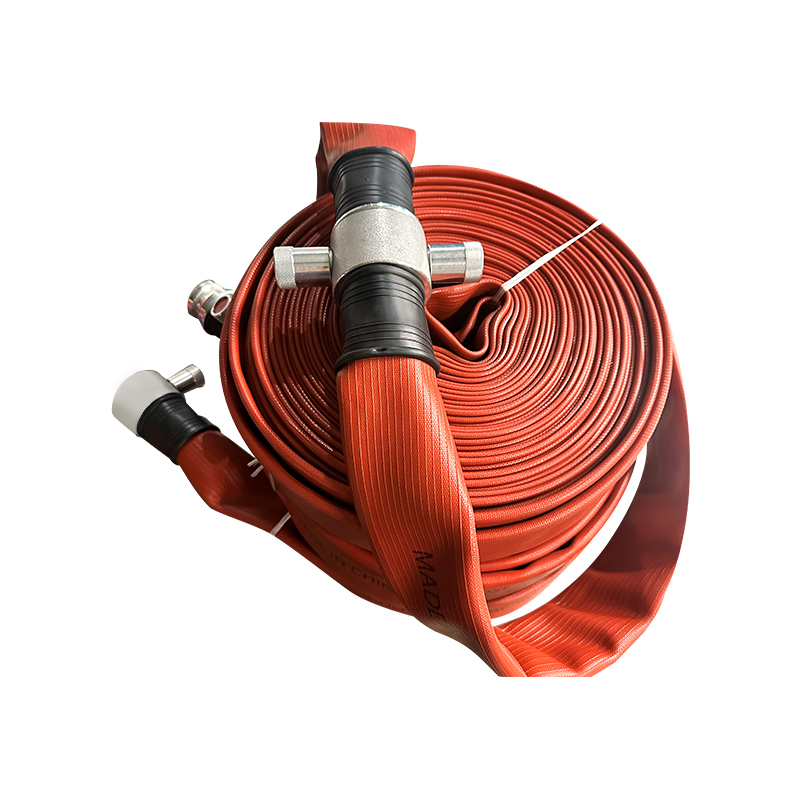
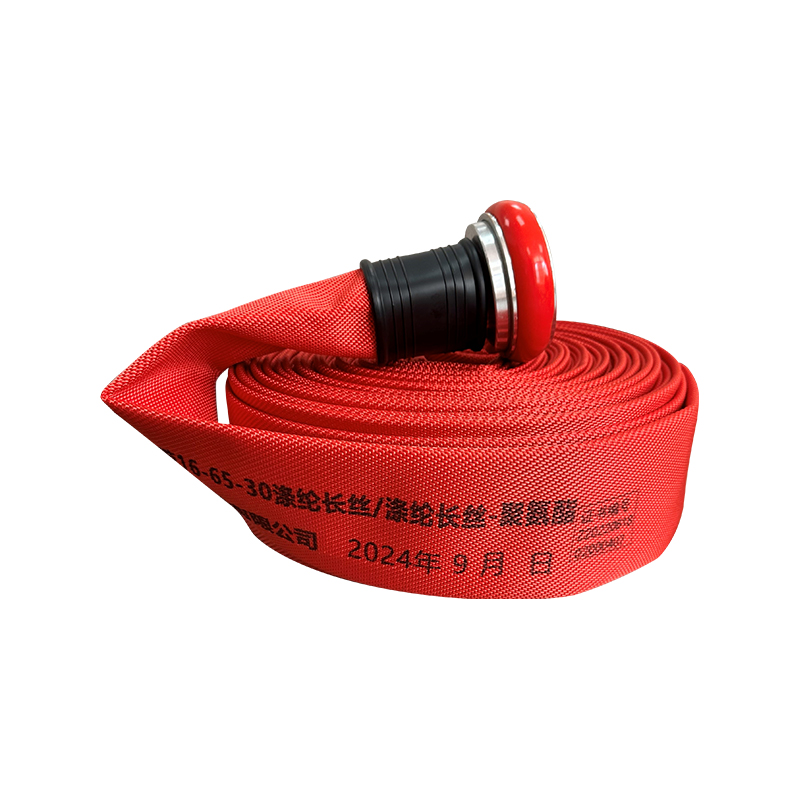
In municipal fire suppression, the mechanical integrity of a rubber fire hose is the primary factor in ensuring consistent hydraulic flow under extreme thermal stress. Sourcing personnel must move beyond general specifications to audit the specific NFPA 1961 fire hose standards, which dictate the construction, testing, and performance parameters for all attack and supply lines. This technical evaluation focuses on the UL 19 lining adhesion requirements and the tensile strength of the synthetic elastomer jackets used in modern high-pressure firefighting environments.
Hydraulic Performance and NFPA 1961 Service Testing
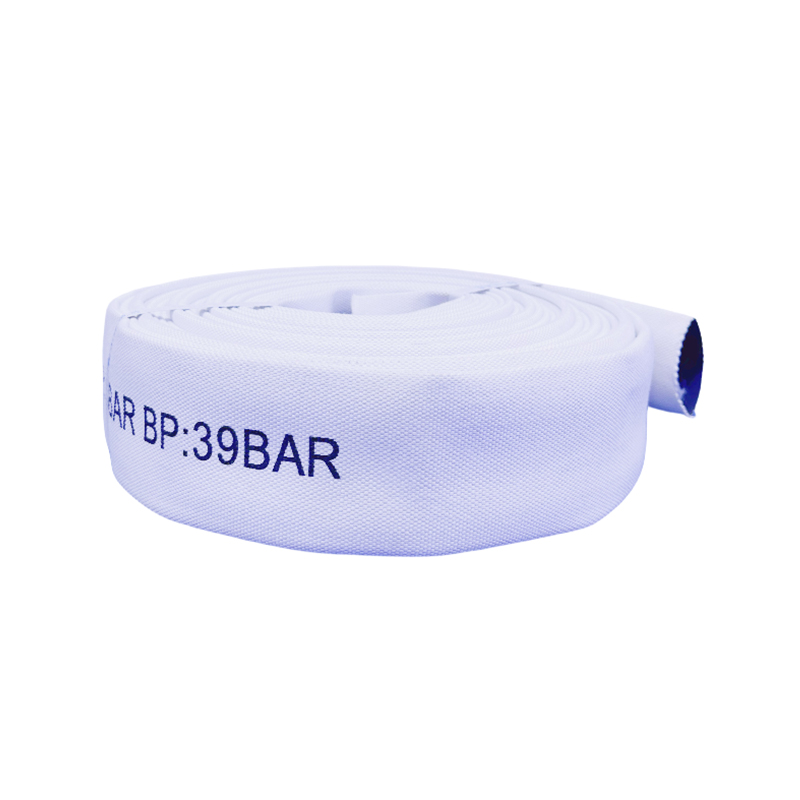
The NFPA 1961 certification for municipal fire hoses requires that each length of rubber fire hose undergoes rigorous proof pressure and kink testing. For municipal use, the operating pressure of synthetic rubber hoses typically ranges from 250 psi to 400 psi, with a safety burst factor of 3 to 1. Why NFPA 1962 is important for hose maintenance involves the mandated annual service testing to detect fiber degradation or lining delamination in fire hoses. A high-grade rubber fire hose utilizing EPDM or Nitrile synthetic liners must demonstrate an elongation at break of less than 10% under full load to prevent "snaking" during critical water delivery phases.
Taizhou Jun'an Fire Technology Co., Ltd. is strategically located adjacent to the world's largest trading port—Shanghai. We are an enterprise specializing in the production of fire hoses, fire equipment, and emergency rescue equipment. With modern, advanced production equipment and a team of senior technical designers, we manufacture rubber/PVC/PU lined fire hoses and agricultural hoses that absorb the structural advantages of leading international designs. Jun'an provides OEM and ODM services, maintaining a professional management system to deliver first-class equipment. Our rubber fire hose products are engineered for high-stability and long-term business relationships with domestic and foreign municipal agencies.
| Technical Metric | Reference Standard | Engineering Target |
| Proof Pressure | NFPA 1961 | 600 psi - 800 psi |
| Service Test Pressure | NFPA 1962 | Minimum 300 psi / 400 psi |
| Lining Adhesion | UL 19 | Minimum 12 lbs/inch width |
Material Science of Synthetic Rubber Jackets and Linings
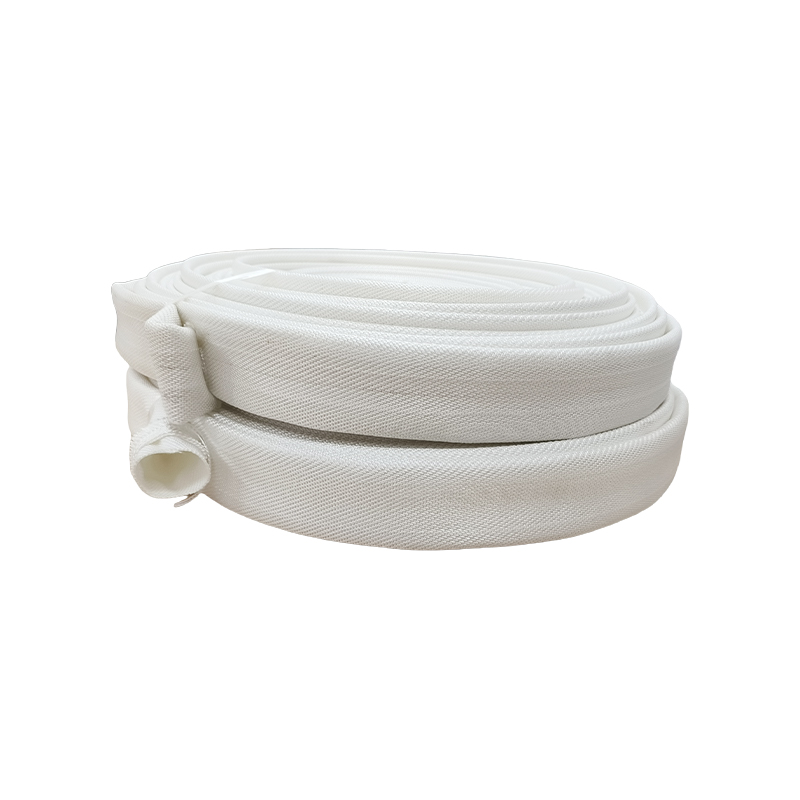
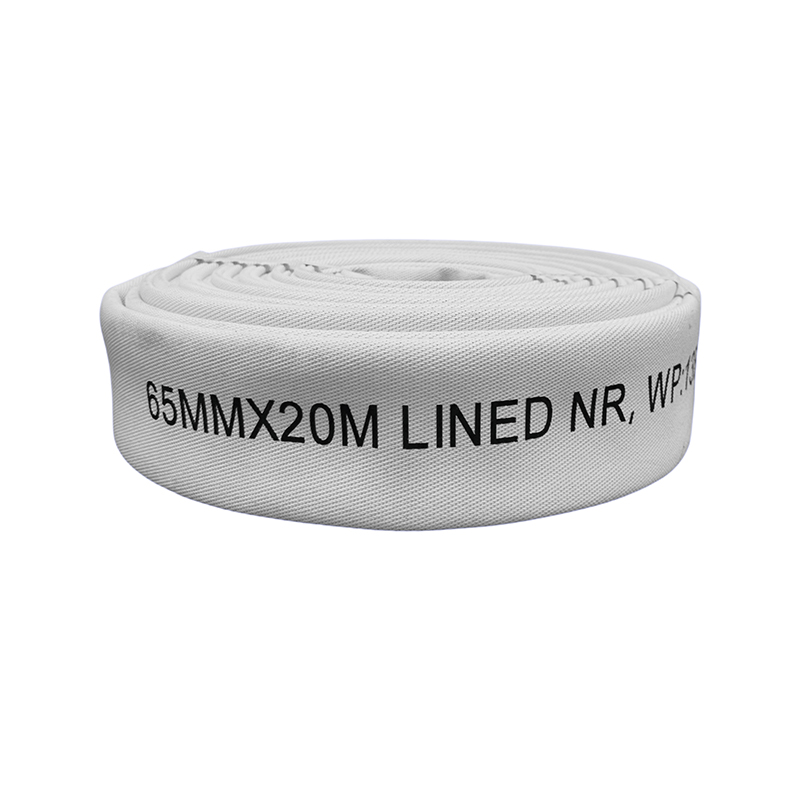
The durability of UL 19 listed fire hoses is largely dependent on the vulcanization process of the synthetic liner. Municipal attack lines must withstand high abrasive loads; therefore, evaluating abrasion resistance of Nitrile rubber hoses (often exceeding 50,000 cycles on Taber tests) is mandatory. In comparing PVC vs rubber fire hose linings, synthetic rubber offers a superior Ra surface finish inside the tube, which significantly reduces friction loss and enhances the flow rate of municipal attack lines. Furthermore, the UV and ozone resistance of synthetic rubber ensures that the hose remains pliable and free from ozone cracking when stored in external apparatus racks for extended periods.
- Chemical Resistance: Ensuring petroleum and chemical resistance for industrial rubber hoses to prevent degradation in hydrocarbon spill zones.
- Thermal Stability: Verifying fire hose performance at low temperatures (down to -30 degrees Celsius) without loss of flexibility.
- Weight Optimization: Balancing tensile strength of the polyester reinforcement with the weight of heavy-duty rubber hoses to reduce firefighter fatigue.
How does UL 19 impact fire hose lining adhesion?
UL 19 certification for fire hose construction strictly regulates the adhesion strength between the woven polyester jacket and the rubber lining. If the lining adhesion of municipal fire hoses fails, the liner can "pocket," creating hydraulic blockages during a fire event. Taizhou Jun'an utilizes advanced extrusion and bonding technology to ensure our synthetic rubber hoses exceed the minimum peel strength for fire hoses, providing a high-stability solution that absorbs the structural advantages of the world's best firefighting equipment.
Municipal Sourcing and Quality Management
When sourcing synthetic rubber hoses for municipal fire departments, verifying the hydrostatic burst pressure of rubber hoses is only the first step. Procurement officers must demand ISO 9001 certified fire hose manufacturing documentation to ensure batch-to-batch consistency. The service life of municipal rubber hoses can be extended through the use of anti-mildew treatments and specialized color-coded coatings for hose deployment visibility. By partnering with a manufacturer that gathers senior technical designers and Gathered senior technical and professional designers, municipalities can secure custom fire hose OEM solutions that meet UL and NFPA compliance for emergency rescue.
| Property | Test Method | Requirement |
| Heat Resistance | UL 19 (Oven aging) | Retain 75% of tensile strength after 96h |
| Burst Pressure | NFPA 1961 Section 5.1 | Minimum 3x proof pressure |
| Twist and Warp | ASTM D380 | Zero twist under service pressure |
Why is Taizhou Jun'an the ideal partner for fire technology?
Located near the port of Shanghai, Taizhou Jun'an Fire Technology Co., Ltd. provides one-stop fire equipment manufacturing with a focus on stable quality and reasonable pricing. Our dedicated after-sales service and ability to manufacture to strict municipal fire hose specifications have won the trust of global customers. Whether you require a customized rubber fire hose for emergency rescue or standard-grade agricultural hoses, our professional management personnel ensure that every length of hose delivered meets the highest technical and safety standards in the fire-fighting industry.
Technical FAQ
What is the difference between NFPA 1961 and NFPA 1962?
NFPA 1961 is the standard for the design and manufacture of new fire hoses, while NFPA 1962 covers the care, use, inspection, and service testing of fire hoses already in use.
Is a UL 19 listing mandatory for all municipal fire hoses?
While not federally mandated in all regions, a UL 19 listing is the industry-recognized benchmark for safety and quality, and most municipal insurance policies require UL-listed equipment.
Can synthetic rubber hoses be used in freezing temperatures?
Yes. Synthetic rubber (EPDM/Nitrile) maintains flexibility at much lower temperatures than PVC, making it the standard for cold-climate municipal fire departments.
How often should municipal fire hoses be service tested?
According to NFPA 1962, all fire hoses should be service tested at least once a year and after any repair or suspected damage.
Why do rubber hoses have higher friction loss than PU-lined hoses?
Typically, PU linings have a smoother internal surface (lower Ra surface finish), but rubber linings offer significantly better heat and chemical resistance, making them more durable in heavy-duty structural firefighting.
Technical References
- NFPA 1961: Standard on Fire Hose (Current Edition 2024).
- UL 19: Standard for Safety for Lined Fire Hose and Hose Assemblies.
- ASTM D380: Standard Test Methods for Rubber Hose.