en
en
 عربى
عربى

Content
- 1 The Chemical Superiority of EPDM Against Ozone Cracking
- 2 UV Shielding and Thermal Stability in Municipal Settings
- 3 Engineering Excellence at Taizhou Jun'an Fire Technology
- 4 Conclusion: The Strategic Choice for Municipal Safety
- 5 Operational Standards: Ensuring Pressure Integrity
- 6 Frequently Asked Questions (FAQ)
- 7 Industry References
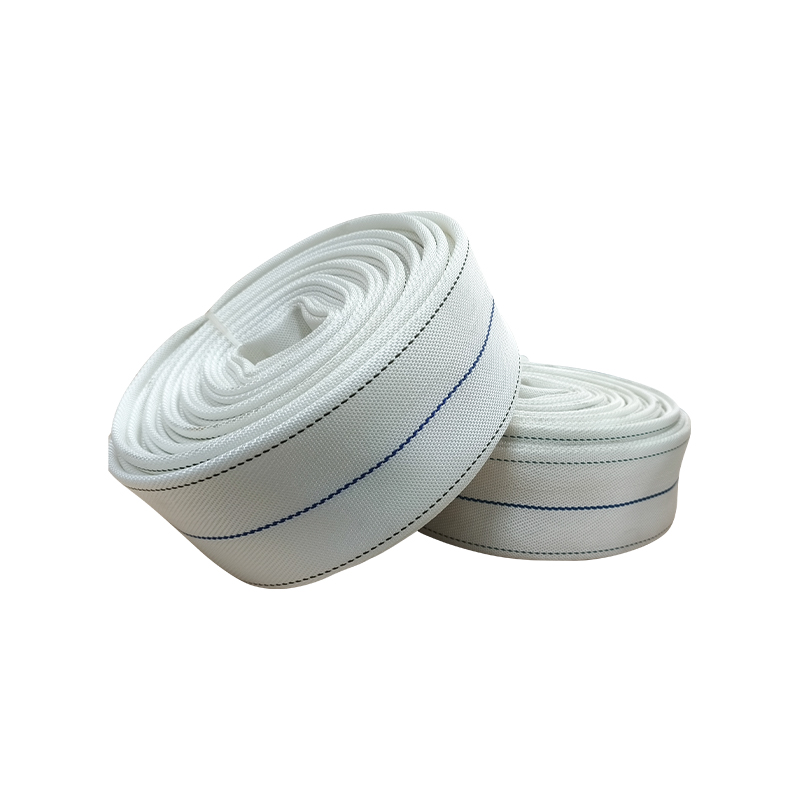
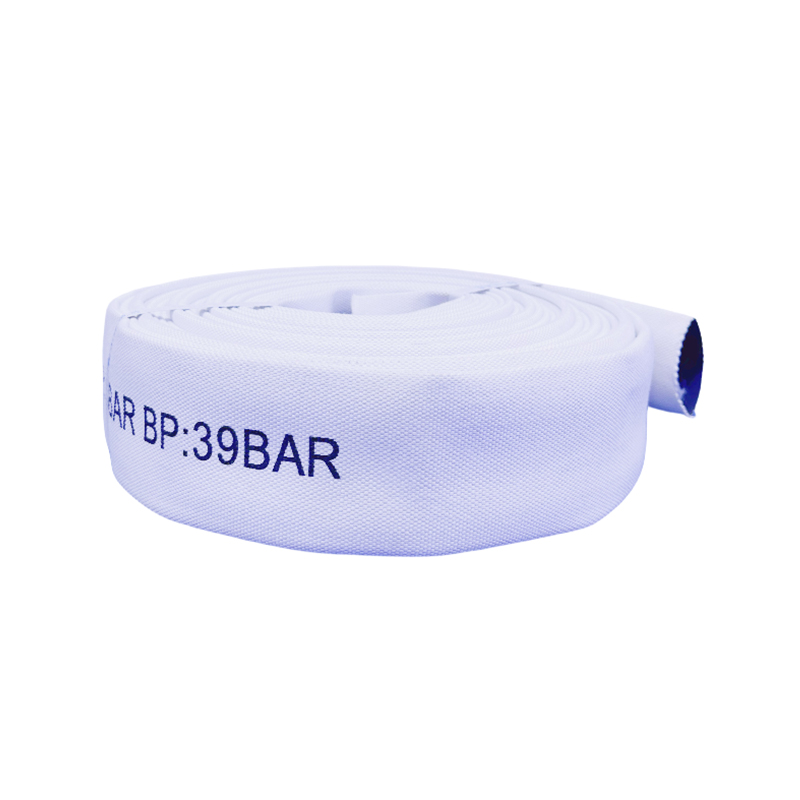
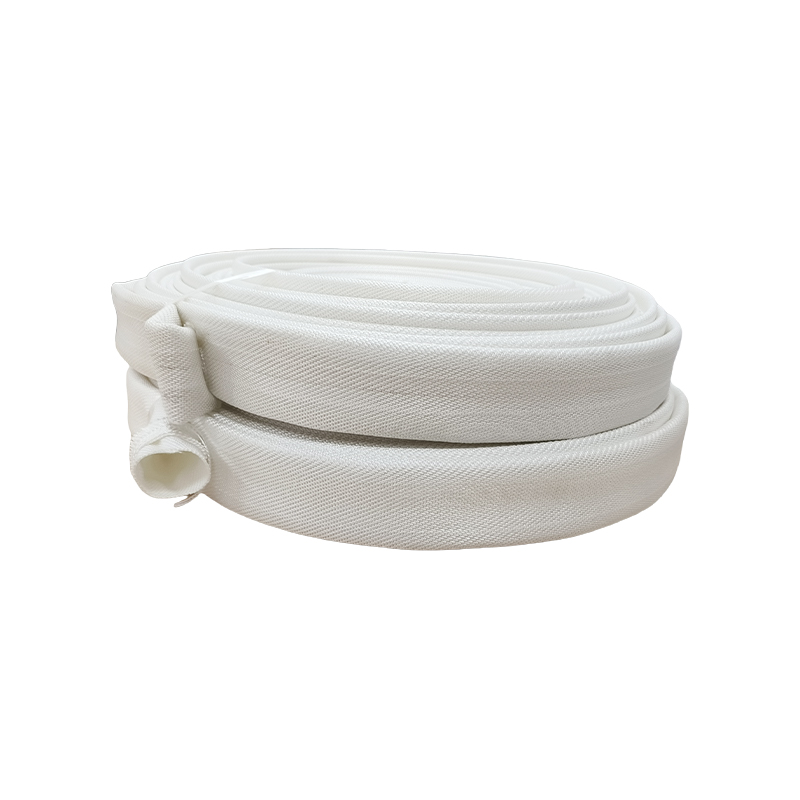
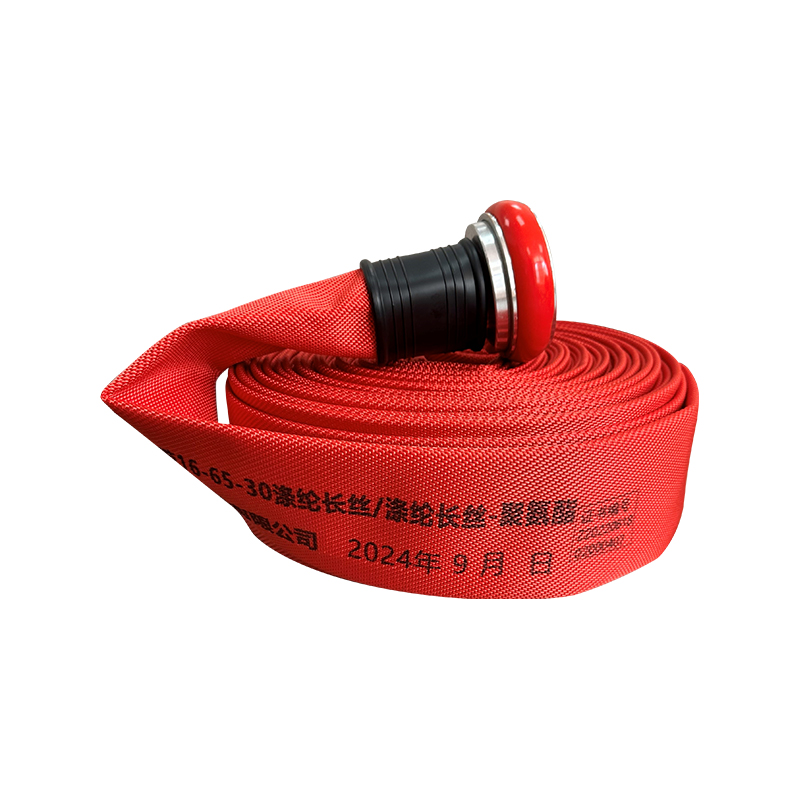
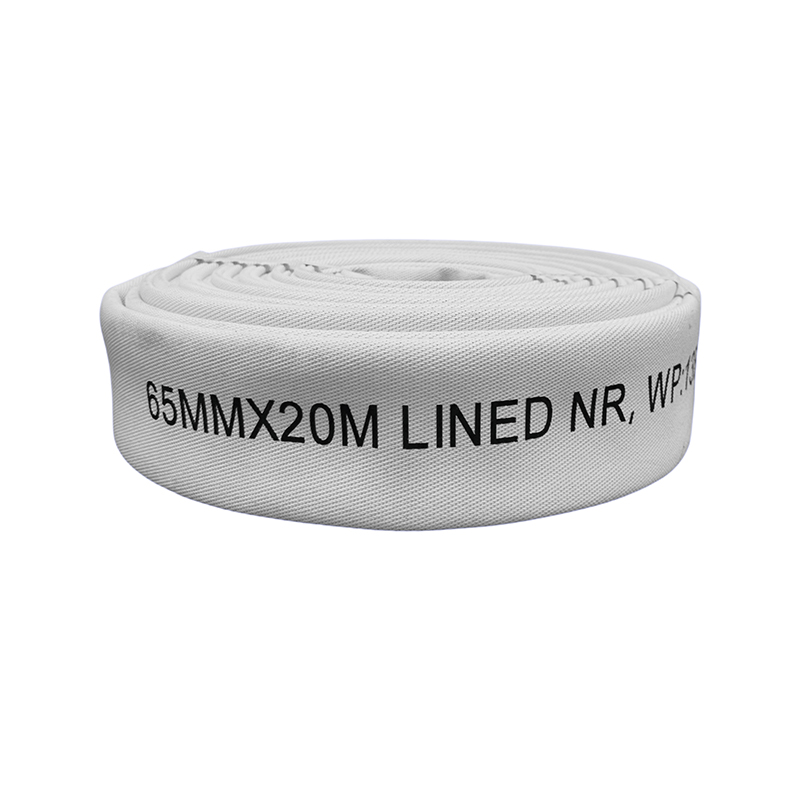
In the demanding sector of municipal fire protection, equipment is frequently exposed to environmental stressors that can compromise structural integrity. Among these, ozone cracking and ultraviolet (UV) degradation are the most significant threats to hose longevity. An EPDM Lined Fire Hose (Ethylene Propylene Diene Monomer) is specifically engineered to counteract these oxidative forces. Taizhou Jun'an Fire Technology Co., Ltd., strategically located near the Shanghai trading port, specializes in the R&D and manufacturing of advanced fire hoses and emergency rescue equipment. By integrating modern production technology with high-grade synthetic elastomers, we produce durable EPDM fire hose for municipal use that outperforms traditional rubber or PVC linings in extreme outdoor conditions.
The Chemical Superiority of EPDM Against Ozone Cracking
Ozone ($O_3$) is a highly reactive gas present in urban environments that attacks the unsaturated carbon-carbon double bonds in natural rubber, leading to "ozone cracking." The saturated polymer backbone of an EPDM Lined Fire Hose contains very few double bonds in the main chain, making it inherently resistant to atmospheric ozone. While a standard high pressure fire hose with EPDM lining remains flexible and intact under high ozone concentrations, traditional natural rubber linings will develop deep fissures perpendicular to the stress direction, eventually leading to catastrophic bursts during operation. This chemical stability is essential for industrial grade EPDM fire hose for chemical plants where ozone levels may be elevated due to electrical equipment or pollution.
| Material Property | Natural Rubber/PVC Lining | EPDM Synthetic Lining |
| Molecular Structure | Unsaturated (High double-bond density) | Saturated (Low reactive-site density) |
| Ozone Resistance | Poor; prone to rapid cracking. | Excellent; resists atmospheric aging. |
| Flexibility Retention | Hardens over time in outdoor storage. | Maintains elasticity across decades. |
UV Shielding and Thermal Stability in Municipal Settings
Municipal fire hoses are often subjected to prolonged solar exposure during training or long-distance water relay operations. UV radiation triggers photo-oxidation in many polymers, causing them to become brittle. A double jacket EPDM lined fire hose utilizes its outer polyester reinforcement to provide a physical shield, while the EPDM liner itself contains carbon black and specialized stabilizers that absorb and dissipate UV energy. Unlike PVC-lined hoses, which may soften or experience plasticizer migration in high heat, EPDM maintains its mechanical properties at temperatures up to 150°C. This makes it the preferred heavy duty EPDM fire hose for forestry applications where heat and sunlight are constant variables.
Comparative Thermal and Solar Resilience
EPDM exhibits superior thermal aging characteristics compared to thermoplastic linings, ensuring that the hose remains deployable after years of rack storage in non-climate-controlled municipal stations.
| Environmental Factor | PVC/Thermoplastic Lining | EPDM Lining |
| UV Degradation Rate | High; causes discoloration and brittleness. | Ultra-low; inherently UV-stable. |
| Temperature Range | -10°C to +50°C (Narrow) | -40°C to +150°C (Wide) |
| Service Life (Outdoor) | Short to Moderate | Long-term / Decades |
Engineering Excellence at Taizhou Jun'an Fire Technology
At Taizhou Jun'an Fire Technology Co., Ltd., we leverage advanced production equipment to manufacture high-performance EPDM Lined Fire Hose products that fully absorb the technical advantages of domestic and international designs. Our senior technical team ensures that every high pressure fire hose with EPDM lining meets rigorous safety standards, providing OEM and ODM services to global partners. By focusing on material innovation and strict quality control, we deliver emergency rescue equipment that wins the trust of municipal departments worldwide through high-quality after-sales service and reasonable pricing.
- Precision Manufacturing: Modern advanced equipment ensures a seamless bond between the EPDM liner and the polyester jacket.
- Material Innovation: Use of high-carbon synthetic EPDM for maximum abrasion and chemical resistance.
- Full Process Control: From professional design to final hydraulic testing, we guarantee first-class equipment.
Conclusion: The Strategic Choice for Municipal Safety
For municipal authorities, the total cost of ownership is reduced when investing in a durable EPDM fire hose for municipal use. The resistance to ozone, UV radiation, and thermal aging ensures that the hose remains reliable during critical fire-fighting maneuvers. Taizhou Jun'an Fire Technology Co., Ltd. is dedicated to providing these high-tech solutions, fostering long-term business relationships through quality and integrity. Whether for urban fire-fighting or industrial grade EPDM fire hose for chemical plants, our products stand as a testament to engineering excellence in fire safety.
Operational Standards: Ensuring Pressure Integrity
The reliability of a high pressure fire hose with EPDM lining is verified through annual service testing. At Taizhou Jun'an, our modern production equipment ensures that the adhesion between the EPDM liner and the polyester jacket can withstand repeated expansion cycles, but field usage—including exposure to debris and sharp corners—demands regular mechanical verification.
1. Annual Service Pressure Testing
Every double jacket EPDM lined fire hose must undergo a hydrostatic test to 1.5 times its intended working pressure. This identifies microscopic delamination or jacket frays that could lead to a burst under the high-surge conditions typical of municipal fire-fighting.
| Testing Parameter | Requirement | Engineering Rationale |
| Test Pressure | 150% of rated working pressure. | Verifies the safety factor of the EPDM Lined Fire Hose. |
| Hold Time | Minimum of 3 minutes. | Allows for the detection of slow-leak "pinholes." |
| Twist & Kink Limit | < 15° per meter (under pressure). | Ensures the heavy duty EPDM fire hose for forestry doesn't whip. |
2. Visual and Mechanical Inspection Checklist
Before and after the hydraulic test, a physical audit is required. Because an industrial grade EPDM fire hose for chemical plants may be exposed to corrosive substances, the inspection must focus on both chemical and mechanical degradation.
- Jacket Abrasion: Inspect for "bald spots" where the outer weave is broken. If the inner double jacket EPDM lined fire hose layer is visible through the outer layer, the hose must be retired.
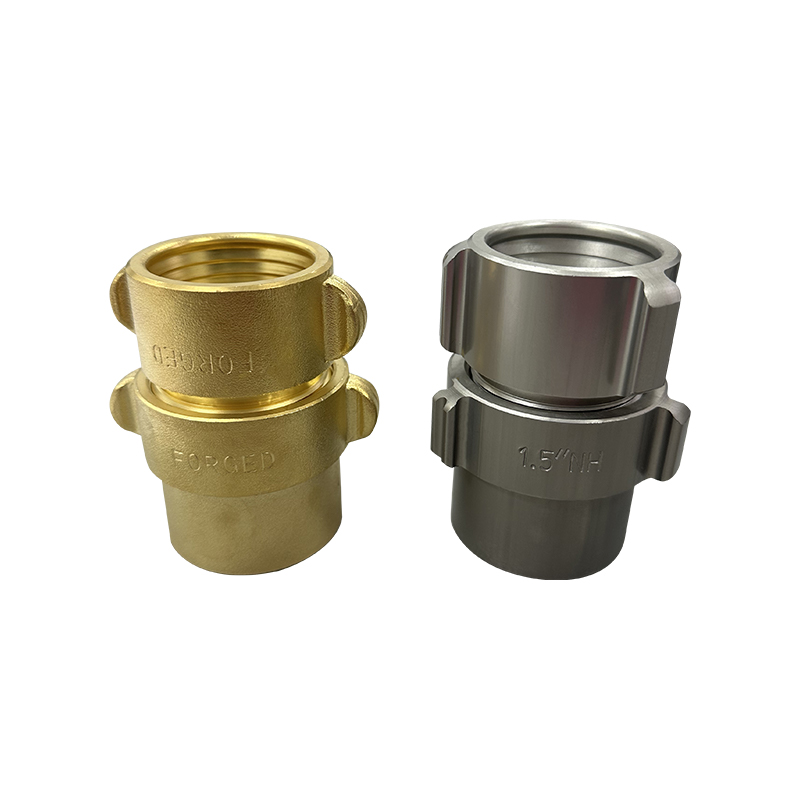
- Coupling Integrity: Check for "out-of-round" couplings and ensure that the expansion rings are tight. A loose coupling can become a projectile under 400 PSI.
- Lining Observation: Inspect the EPDM interior for any signs of separation or blockages. Our EPDM liners are engineered to resist ozone, but physical gouges from gravel intake can compromise the seal.
3. Post-Deployment Maintenance and Drying
While the EPDM Lined Fire Hose is inherently resistant to rot and mildew, moisture trapped within the textile jacket can lead to the growth of bacteria that weaken the polyester fibers over time.
| Maintenance Stage | Procedure | Benefit |
| Washing | Use mild soap and soft brushes to remove salt/oil. | Prevents chemical degradation of the EPDM Lined Fire Hose. |
| Drying | Hang in a ventilated tower or use a mechanical dryer. | Prevents jacket rot and maintains the weight-to-strength ratio. |
| Storage | Roll loosely with the male coupling inside. | Reduces stress on the EPDM fold lines and protects threads. |
4. Strategic Partnership and Professional Service
Taizhou Jun'an Fire Technology Co., Ltd. is dedicated to providing not just first-class equipment, but the high-quality after-sales service needed to support municipal and industrial safety. By following this maintenance protocol, you ensure that your fleet of EPDM Lined Fire Hose products remains a reliable asset in emergency rescue operations. We look forward to working with you to provide OEM/ODM solutions tailored to your technical requirements.
Frequently Asked Questions (FAQ)
- Q1: Why is EPDM preferred over PVC for municipal fire hoses?
A: EPDM offers significantly better ozone and heat resistance. While PVC is lighter, it becomes brittle under UV exposure and loses flexibility in cold or extremely hot municipal environments. - Q2: Can an EPDM Lined Fire Hose be used with foam concentrates?
A: Yes. EPDM is chemically resistant to most fire-fighting foams and many industrial chemicals, making it ideal for diverse emergency responses. - Q3: How long can I expect a double jacket EPDM lined fire hose to last?
A: When properly maintained and dried after use, an EPDM-lined hose can have a service life of 10 to 20 years, far exceeding the lifespan of natural rubber linings. - Q4: Does Taizhou Jun'an provide custom lengths and couplings?
A: Yes, we provide full OEM and ODM services, including custom lengths, colors, and various international coupling standards to meet your specific sourcing requirements. - Q5: Is EPDM lining resistant to mold and mildew?
A: EPDM is a synthetic elastomer that does not support the growth of mold or mildew, though the outer textile jacket should still be dried to maintain its own structural strength.
Industry References
- NFPA 1961: Standard on Fire Hose - National Fire Protection Association.
- ISO 14557: Fire-fighting hoses — Rubber and plastics suction hoses and hose assemblies.
- ASTM D1149: Standard Test Methods for Rubber Deterioration — Cracking in an Ozone Controlled Environment.
- BS 6391: Specification for non-percolating layflat delivery hoses and hose assemblies for fire fighting purposes.