en
en
 عربى
عربى

Content
A fire hose can spray water 75 to 100 feet (23–30 meters) horizontally under standard operating pressure, withstands pressures between 100–300 PSI depending on type, must be tested annually per NFPA 1962, and can kink — but proper handling and quality hose construction minimize this risk significantly.
How Far Can a Fire Hose Spray?
The effective horizontal range of a fire hose depends on nozzle type, water pressure, and hose diameter. Under typical firefighting conditions:
| Hose Type | Typical Range | Pressure (PSI) |
|---|---|---|
| 1.5" Attack Line | 40–60 ft | 100–150 PSI |
| 1.75" Attack Line | 50–75 ft | 150–175 PSI |
| 2.5" Attack Line | 75–100 ft | 200–250 PSI |
| Master Stream / Deck Gun | 150–200+ ft | 80–100 PSI at nozzle |
A smooth bore nozzle at 50 PSI nozzle pressure with a 1.125" tip produces roughly 250 GPM and can reach over 100 feet in calm conditions. Fog or spray patterns reduce range considerably — a wide-angle fog setting may only project water 20–30 feet. Wind, elevation changes, and friction loss in long hose lays also shorten effective reach.
For wildland firefighting, lightweight 1" forestry hose is often used at lower pressures (50–100 PSI), with effective reach around 30–50 feet — enough for direct attack on ground-level flames.
How Much Pressure Does a Fire Hose Have?
Pressure varies across the hose system — from the pump to the nozzle — and "pressure" can mean different things in context:
- Pump discharge pressure: Typically 150–250 PSI on a standard engine. High-rise operations may push 300+ PSI to overcome elevation friction loss.
- Nozzle pressure: NFPA recommends 75–100 PSI for smooth bore attack lines and 100 PSI for combination nozzles. Master streams run 80 PSI at the nozzle.
- Service test pressure: Attack hose is tested at 300 PSI; supply hose at 200 PSI per NFPA 1962.
- Burst pressure: Quality fire hose is rated to withstand 600–900 PSI before failure — a wide safety margin above operational use.
Firefighters monitor residual pressure carefully. Operating below 20 PSI residual at the hydrant signals the water supply is being taxed, while operating above 200 PSI at the nozzle creates dangerous nozzle reaction force — making the line hard and unsafe to control.
Do Fire Hoses Kink?
Yes — fire hoses can and do kink, and a kink is more than an inconvenience. A sharp kink can reduce flow by 50% or more, delay suppression at a critical moment, and damage hose jacket fibers over time.
Why Kinking Happens
- Tight radius bends when deploying hose quickly around corners or obstacles
- Improper loading — hose packed without consistent folds develops memory creases
- Older hose that has lost jacket flexibility
- Low internal pressure during initial deployment before water fills the line
How to Prevent Kinking
- Use proper hose loads — accordion, flat, or horseshoe loads all reduce kink risk compared to random coiling
- Deploy with a controlled forward lay — flaking the hose off the bed in a straight line before charging
- Use hose rollers or hose bridges at doorways and around sharp corners
- Charge the line steadily — sudden high-pressure surges worsen kinks already in the hose
- Choose quality construction — double-jacketed hose with a flexible polyurethane liner resists kinking better than single-jacket alternatives
Modern synthetic rubber-lined hose (EPDM or EDPM blends) is significantly more kink-resistant than older rubber or unlined hose. If a kink does occur, straightening it before charging or while at low pressure is far easier than fighting it under full operational PSI.
How Often Does a Fire Hose Need to Be Tested?
NFPA 1962 — the standard governing fire hose inspection, care, and use — requires annual service testing for all hose in active service. Here is a summary of key requirements:
| Requirement | Detail |
|---|---|
| Test frequency | Annually (at minimum) |
| Test pressure — attack hose | 300 PSI for 3 minutes |
| Test pressure — supply hose | 200 PSI for 3 minutes |
| Pass criterion | No leaks, bulges, or jacket damage |
| Record keeping | Date, length tested, pressure applied, results, tester ID |
| After major incident | Inspect and retest before returning to service |
Beyond annual testing, NFPA 1962 also requires visual inspection every time hose is used and after any high-pressure event. Hose that has been run over by apparatus, exposed to chemicals, or subjected to rough terrain deployment should be pulled for inspection immediately regardless of when it was last tested.
Hose that fails service testing must be removed from active service. It can be repurposed for training evolutions or recycled, but it cannot be relied upon in a life-safety situation.
Inspection Checklist Between Tests
- Check couplings for cracks, damaged threads, or loose swivel rings
- Look for cuts, abrasions, burns, or mildew on the outer jacket
- Feel for soft spots or hard spots in the liner that suggest internal damage
- Confirm gaskets are present and in good condition
- Verify hose ID tag or band matches apparatus inventory records
Choosing the Right Fire Hose for the Job
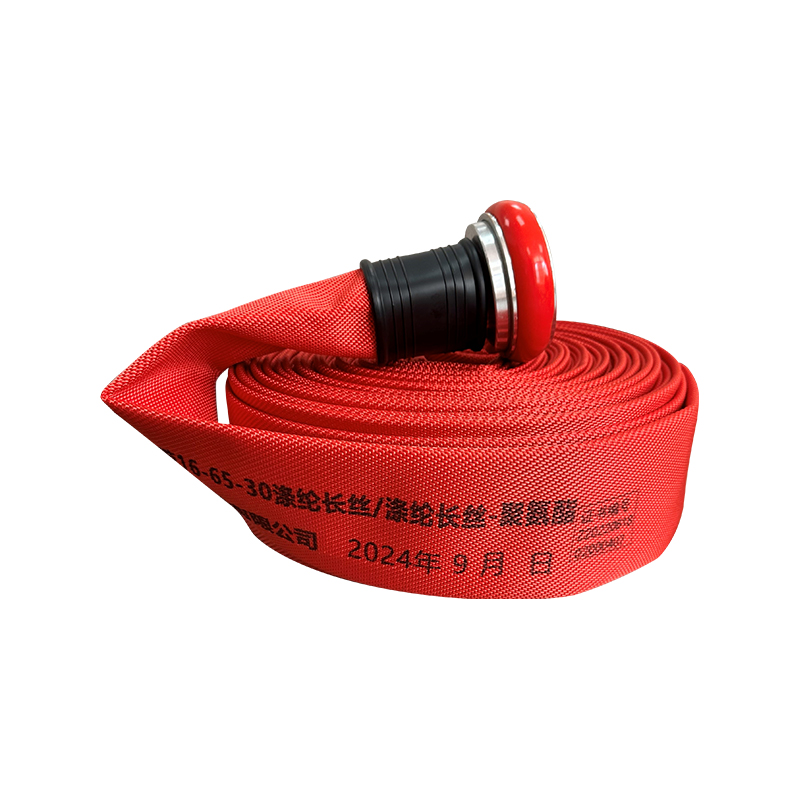
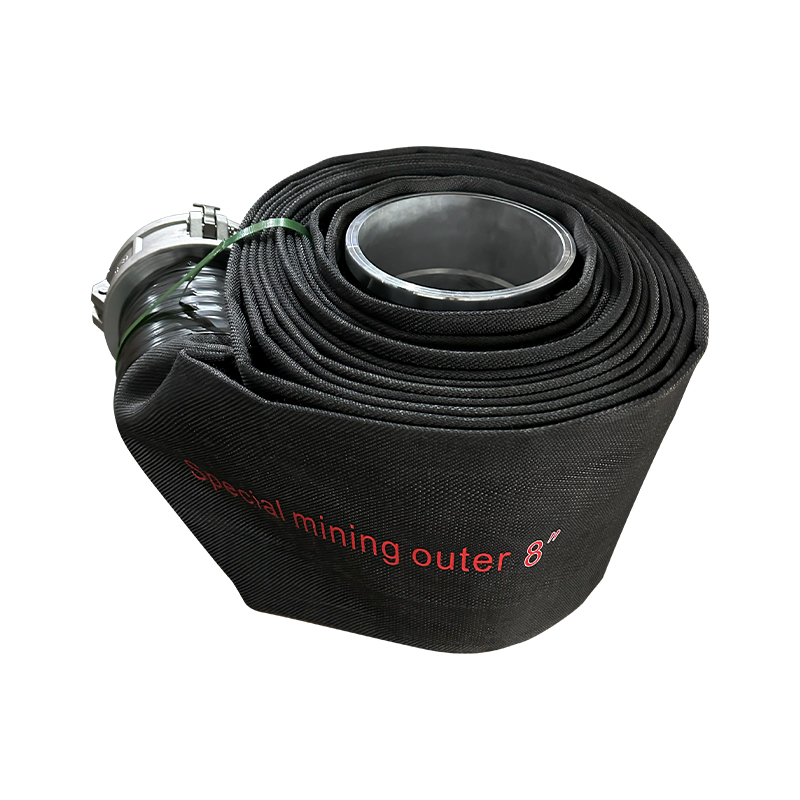
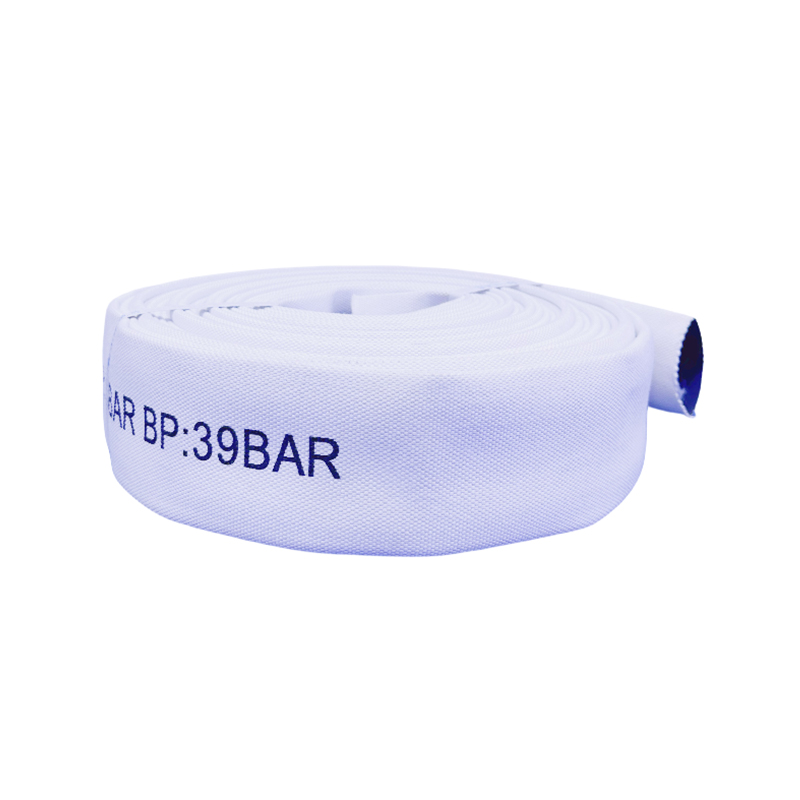
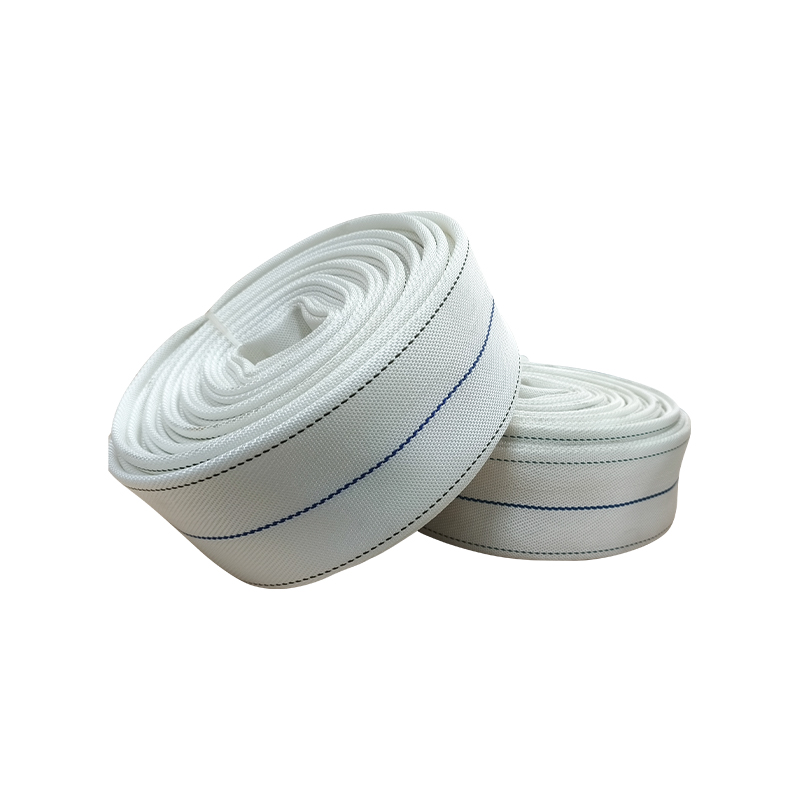
Not all fire hose is interchangeable. Selecting the right diameter, construction, and lining material matters for both performance and longevity.
| Hose Category | Common Sizes | Best For |
|---|---|---|
| Attack hose | 1.5", 1.75", 2.5" | Direct structural firefighting |
| Supply / LDH hose | 3", 4", 5" | Hydrant to pump water supply |
| Forestry / wildland hose | 1", 1.5" | Brush, grass, and wildland fires |
| Booster hose | 3/4", 1" | Small car fires, overhaul, wash-down |
| Hard suction hose | 4", 5", 6" | Drafting from static water sources |
For industrial or municipal buyers, the jacket material also matters. Woven polyester jackets are the most common — durable, abrasion-resistant, and relatively lightweight. For environments with chemical exposure risk, a nitrile or EPDM-lined hose with a tighter jacket weave offers better resistance to fuel, oil, and mild acids.
Extending Fire Hose Service Life
A quality fire hose with proper care can last 10–20 years in active service. The biggest killers of hose life are avoidable:
- Storing wet — always dry hose completely before reloading; mildew degrades jacket fibers within weeks
- UV exposure — prolonged sun exposure breaks down polyester jackets; store hose in compartments or covered hose beds
- Vehicle traffic — running over charged or uncharged hose with apparatus causes internal liner damage that may not be visible externally
- Chemical contamination — flush hose thoroughly after foam, AFFF, or chemical exposure
- Improper storage temperature — avoid freezing or storing near heat sources above 120°F
Rotating hose inventory — moving hose from front-line apparatus to reserve, then to training — maximizes value and ensures front-line hose always has the most service life remaining.