en
en
 عربى
عربى

Content
Quick answers: Fire hoses are legally required in many commercial and residential buildings depending on occupancy and local codes. Standard hose reels are 30–36 m long; cabinet hoses run 15–30 m. Anyone trained in its operation can use a fire hose reel, though professional hoses require firefighter training. Like most firefighting equipment, fire hoses do expire — they need regular inspection and replacement, typically every 5–10 years or per manufacturer guidelines.
Are fire hoses required in buildings?
Yes — in most jurisdictions, building codes and fire safety regulations mandate fire hose systems in a wide range of occupancies. Requirements vary by country, building type, floor area, and risk classification, but the following general rules apply in most developed nations:
- Commercial and industrial buildings above a certain floor area (commonly 500 m² or more) are typically required to have hose reels or standpipe connections.
- High-rise residential buildings (usually above 25 m in height) must have dry or wet standpipe systems with hose connections on each floor.
- Hospitals, schools, and places of public assembly almost universally require hose reels under life-safety codes such as NFPA 14 (USA), BS 5306 (UK), or AS 2441 (Australia).
- Warehouses and factories storing flammable materials are nearly always required to install hose reels, often in addition to automatic sprinklers.
In the United States, NFPA 14 governs standpipe and hose systems, specifying that Class I systems serve trained personnel, Class II systems serve occupants, and Class III systems cover both. The International Building Code (IBC) Section 905 further defines where hose connections must be installed.
In the UK, Approved Document B of the Building Regulations requires hose reels where a building has a floor area exceeding 500 m², or where travel distances to an exit exceed recommended limits. Australia's National Construction Code (NCC) references AS 2118 and AS 2441 for similar requirements.
Even where not legally mandated, fire hoses are strongly recommended by fire risk assessors as a first-response tool that can suppress a fire before it spreads, often preventing the need for full sprinkler activation or fire brigade intervention.
How long are fire hoses?
Fire hose length depends on the type of hose system installed:
| Hose type | Typical length | Common use |
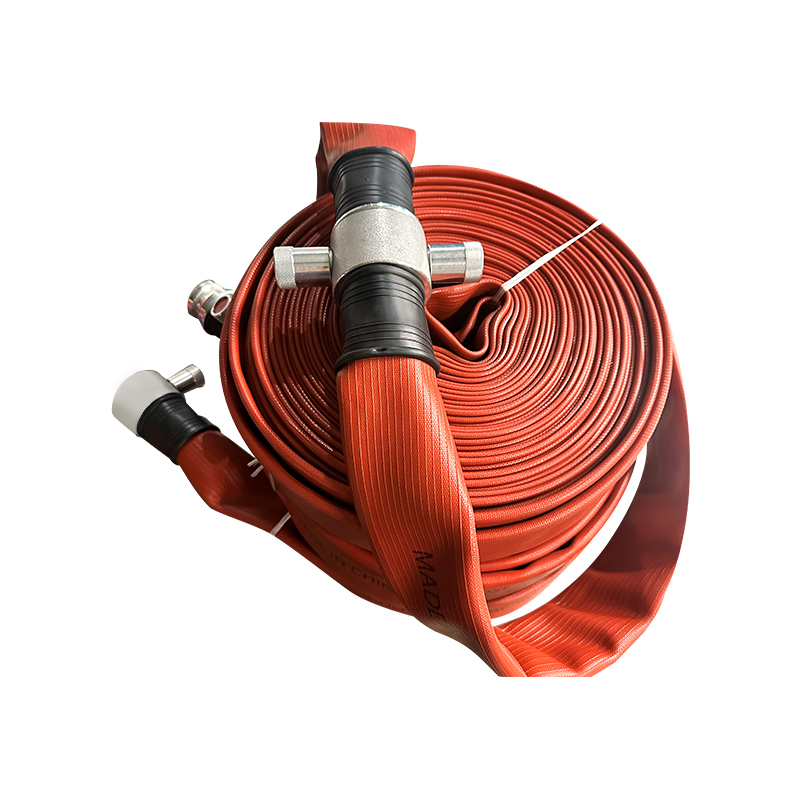
| Fire hose reel (semi-rigid) | 30–36 m (some up to 45 m) | Occupant use in commercial/residential buildings |
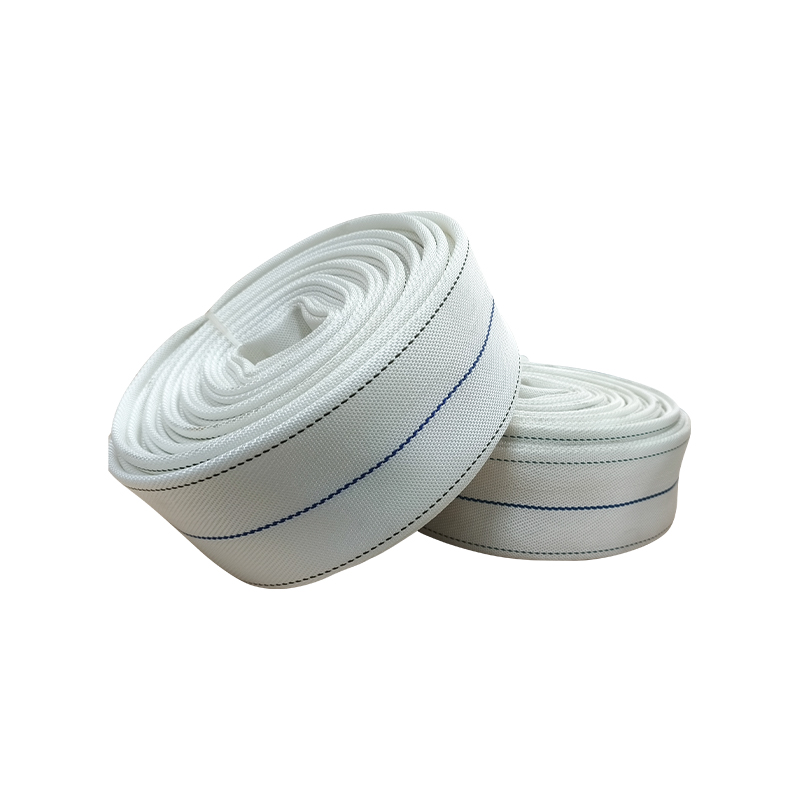
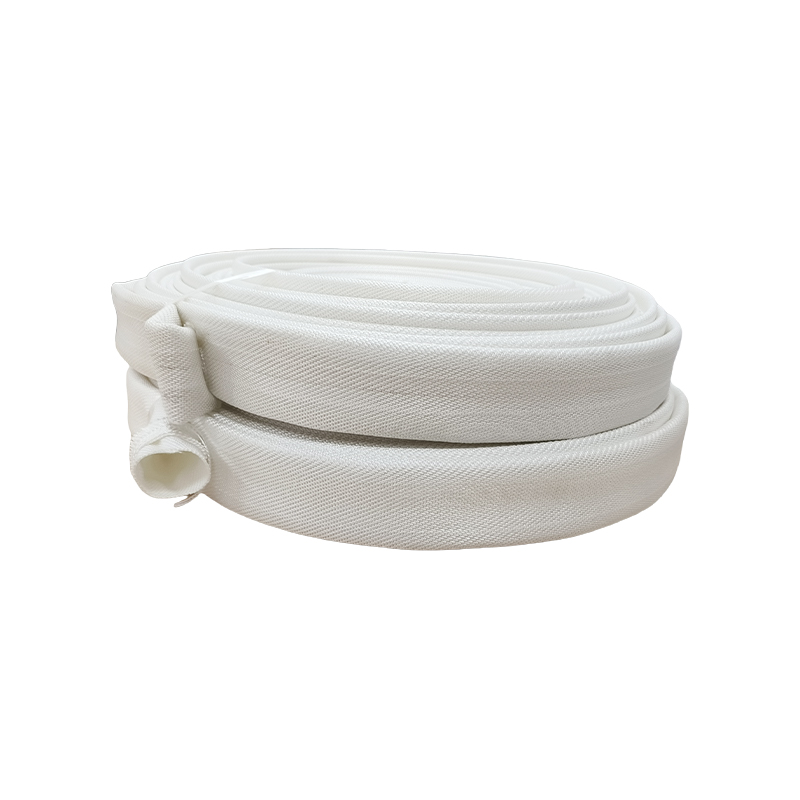
| Fire cabinet hose (flat/lay-flat) | 15–30 m | Standpipe cabinets in offices, hotels, hospitals |
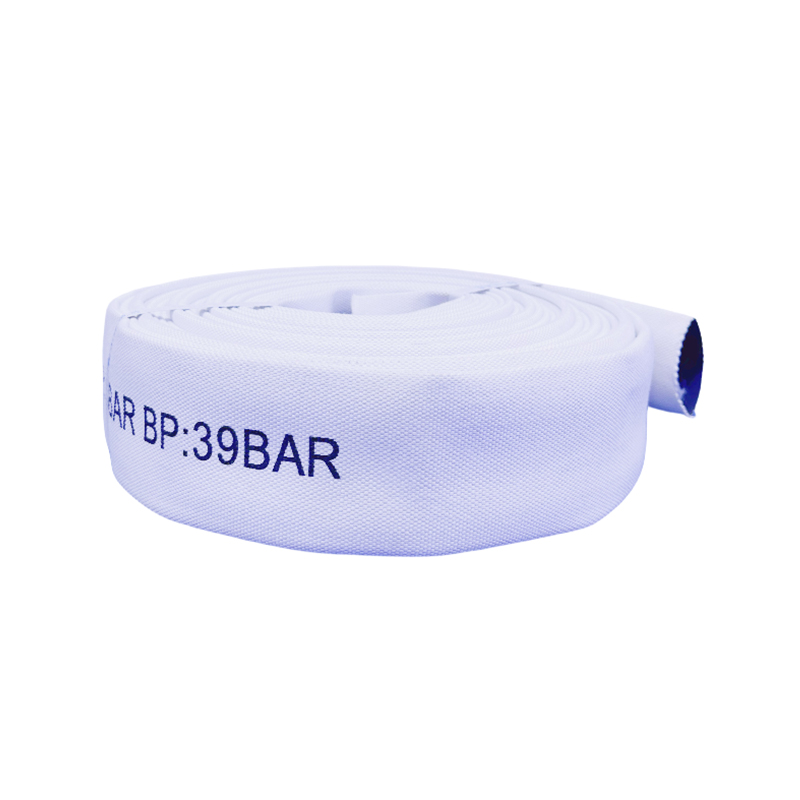
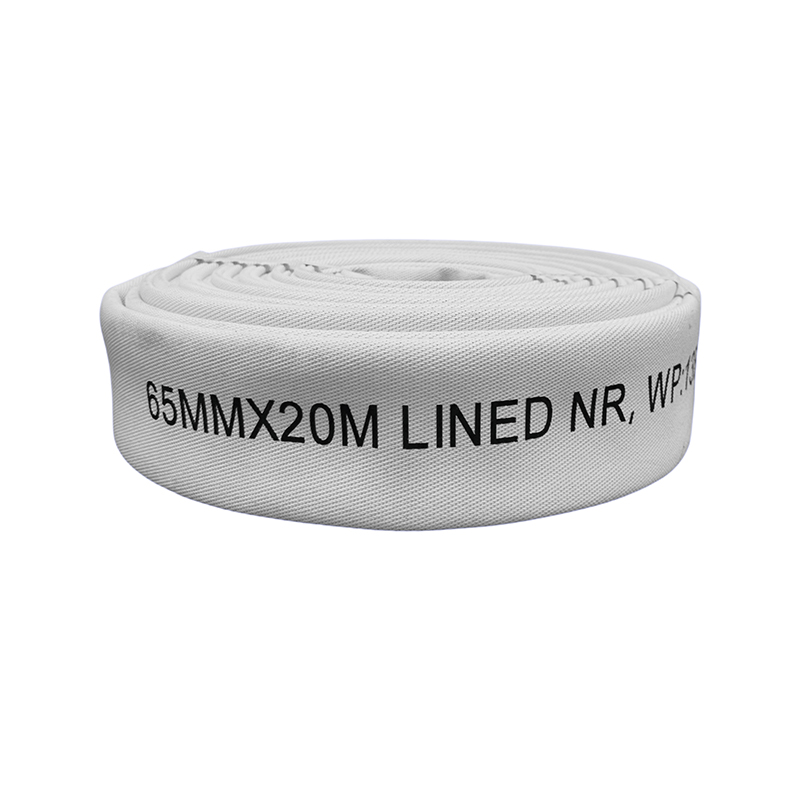
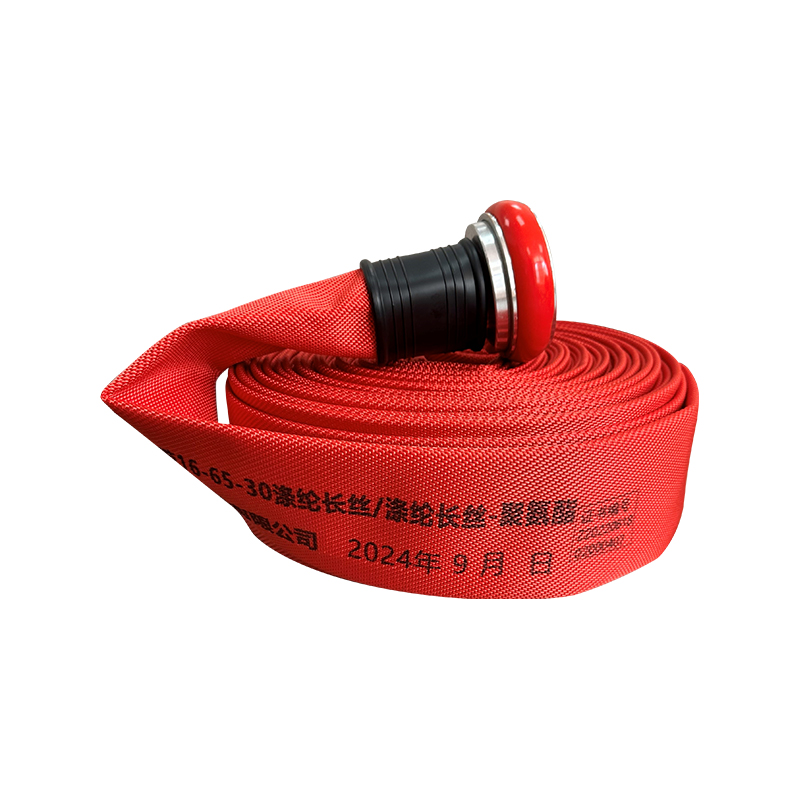
| Firefighter attack hose (65 mm) | 15–30 m per length; multiple coupled together | Fire brigade offensive operations |
| Supply/feeder hose (100–150 mm) | 20–30 m per length; up to 400+ m when coupled | Water supply from hydrant to pump appliance |
| Forestry/wildland hose | 30 m standard | Bushfire suppression, rural operations |
For building occupants, the most relevant figure is the 30 m hose reel, which is specifically sized to reach any point within a standard commercial floor plate from a centrally positioned reel. NFPA 14 requires that hose connections be located so that the combined reach of the hose and a 9 m water stream covers the entire floor area.
Diameter also matters. Occupant hose reels typically use 19–25 mm bore tubing, delivering around 0.4–0.6 L/s at 3.5 bar. Firefighter attack hoses use 45–65 mm bore at significantly higher pressures and flow rates.
Who can use a fire hose reel?
The short answer: any trained adult occupant can use a building-installed hose reel. The longer answer depends on the hose type and system class.
Occupant use (Class II / hose reel systems)
Fire hose reels and Class II standpipe connections are designed for use by building occupants — not just trained fire wardens. They are intentionally simple to operate: open the valve, pull out the hose, and direct the jet at the base of the fire. However, most fire safety authorities and employers strongly recommend that:
- All staff receive at least basic fire warden training covering hose reel operation.
- Occupants only attempt to fight a fire in its incipient (early) stage — roughly the first 1–2 minutes.
- No one uses a hose reel if the fire has spread to ceiling level, the room is smoke-filled, or an escape route could be compromised.
Professional hose systems (Class I / Class III)
Class I standpipe systems with 65 mm connections are intended exclusively for trained fire brigade personnel. Using these incorrectly can cause injury from uncontrolled high-pressure flow (65 mm hoses at full pressure require two or more operators to hold safely) or can interfere with fire brigade operations.
Practical training recommendation
Fire safety standards in the UK (BS 5306-1), Australia (AS 1851), and US (NFPA 10) all recommend that any person expected to use a hose reel receives hands-on demonstration training at least once. Many organisations include this in annual fire warden refresher days. Training takes approximately 15–30 minutes and dramatically improves effective use under stress.
Do fire hoses expire?
Yes. Fire hoses deteriorate over time due to UV exposure, heat cycling, physical abrasion, and internal pressure stress. They do not have a single universal "expiry date" stamped on them, but all major standards bodies specify regular inspection intervals and maximum service lives.
Inspection requirements
Most standards require fire hoses to be inspected annually at minimum, with more frequent checks (quarterly or after any use) for high-risk sites. During inspection, technicians check for:
- Cracks, brittleness, or delamination of the hose lining
- Mildew, rot, or chemical contamination
- Damaged couplings, worn gaskets, or corroded fittings
- Kinks, twist sets, or abrasion damage to the outer jacket
- Correct pressure testing results (typically 1.5× working pressure)
Typical service life by standard
| Standard / region | Inspection interval | Recommended replacement |
| NFPA 1962 (USA) | Annually + after every use | Retire if it fails hydrostatic test; no fixed age limit, but most departments replace at 10 years |
| BS 5306-1 (UK) | Annually (more often in high-use sites) | Replace if defects found; manufacturer guidance typically 5–10 years |
| AS 1851 (Australia) | 6-monthly routine + annual service | Replace at 10 years or on failure of flow/pressure test |
| EN 671 (Europe) | Annually | Maximum 20 years for semi-rigid reels; replace if leakage or deformation found |
Signs a hose needs immediate replacement
- Bulging or ballooning when pressurised — indicates inner lining separation
- Visible cracks or stiffness when unrolled — rubber degradation
- Weeping or leaking at couplings even after gasket replacement
- Failing hydrostatic test at the required test pressure
- Hose manufactured before the facility opened with no service records — date of manufacture is stamped on most hoses
A fire hose that fails in use — bursting, kinking, or leaking — is worse than no hose at all: it wastes critical seconds and can injure the operator. Regular inspection and timely replacement are non-negotiable parts of any building fire safety programme.