en
 عربى


Content
- 1 01Why Material Selection Matters for Fire Hose Performance
- 2 02How EPDM Improves Heat Resistance
- 3 03How EPDM Improves Durability
- 4 04Construction: What's Actually Inside the Hose
- 5 05EPDM vs Standard Rubber: Property Comparison
- 6 06What Actually Drives Fire Protection Reliability
- 7 07Matching Pressure and Size to the Application
- 8 08How to Choose the Right Hose
- 9 09Evaluating a Reliable Supplier
- 10 10Common Mistakes to Avoid
- 11 Conclusion
- 12 Frequently Asked Questions
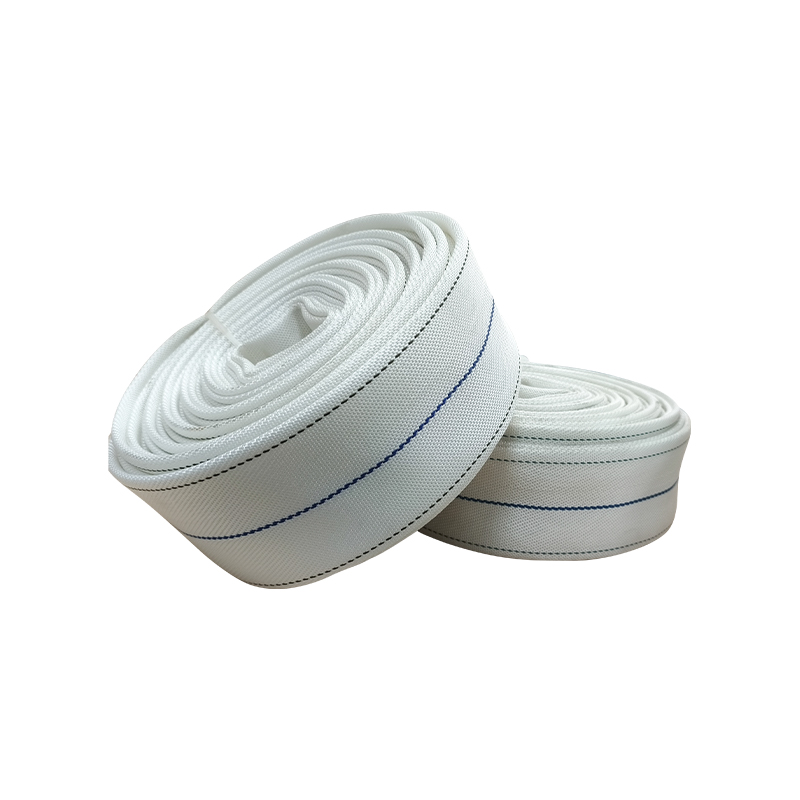
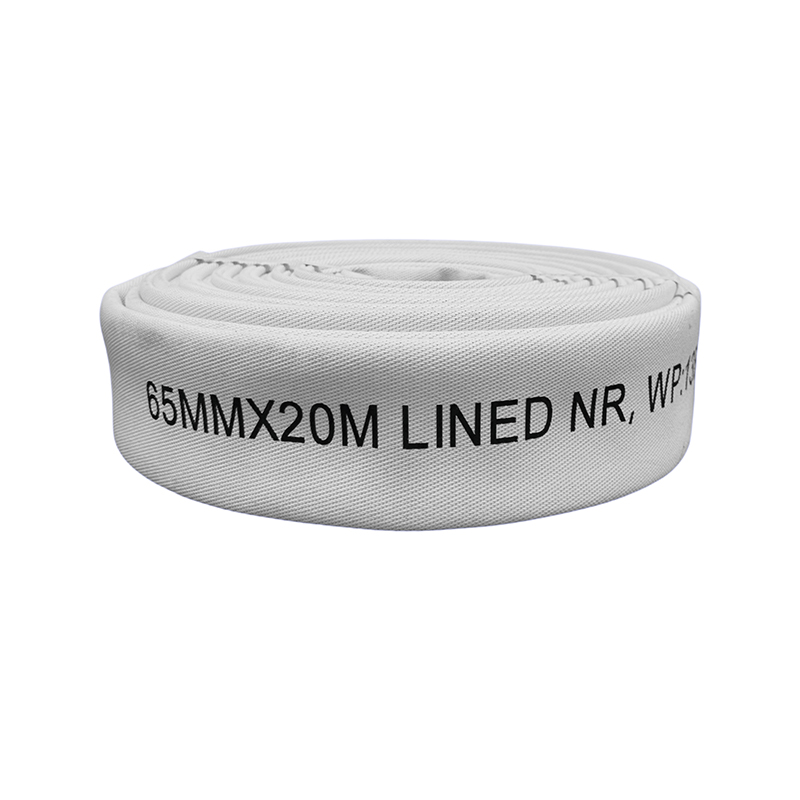
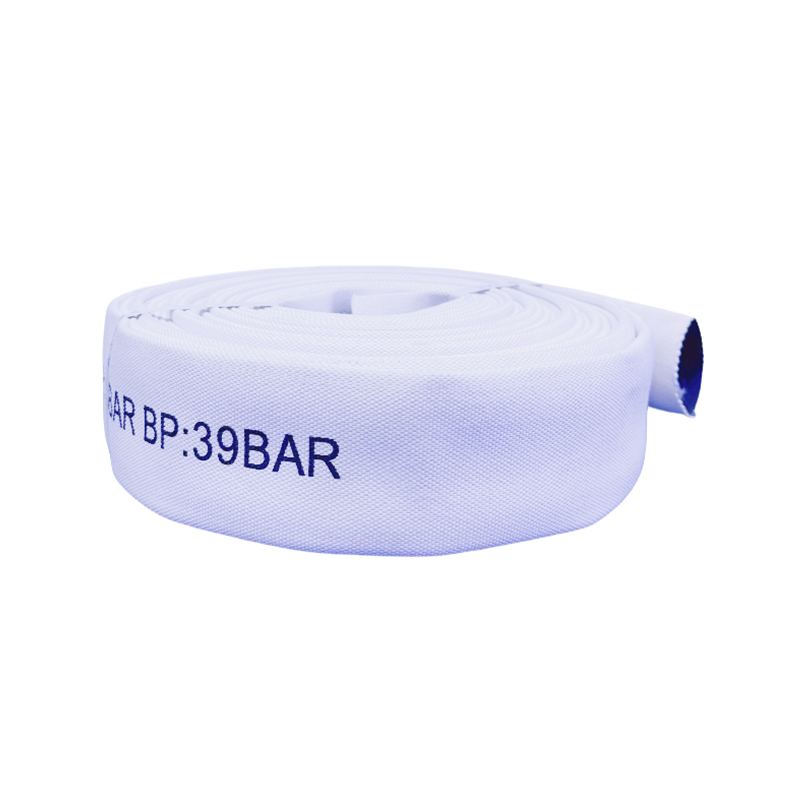
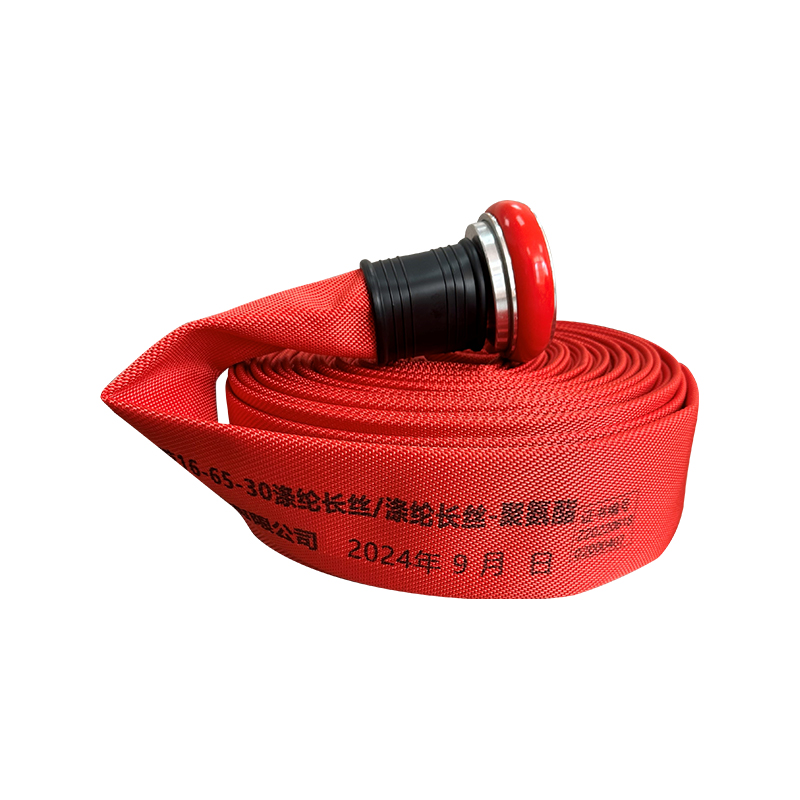
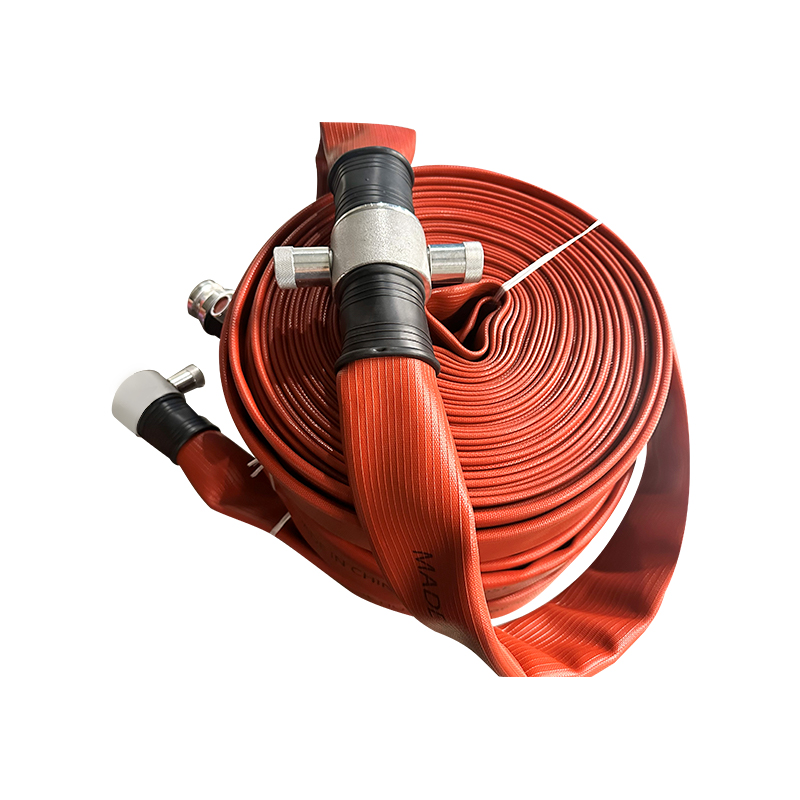
A fire hose that cracks, hardens, or leaks after a season of outdoor storage is not ready when it matters most. EPDM Fire Hoses lean on EPDM rubber's heat, weather, and ozone resistance to hold up under exactly those conditions, but material choice is only part of what makes a fire hose reliable. Here is how EPDM actually contributes to heat resistance and durability, and what else determines whether a hose performs when deployed.
01Why Material Selection Matters for Fire Hose Performance
Firefighting environments expose hoses to heat and thermal radiation, while outdoor storage adds sunlight, ozone, and humidity to the list of stresses the outer material has to survive. Cracking, hardening, surface damage, or leakage in a stored hose directly threatens firefighting readiness, which is why durability is not a secondary concern behind pressure rating. None of that works if the hose sacrifices flexibility for hardness, since handling performance during an actual deployment matters just as much as raw strength.
02How EPDM Improves Heat Resistance
That combination, heat tolerance plus retained flexibility, is what supports reliable performance through repeated use and water delivery during actual firefighting operations, rather than just in a lab test.
03How EPDM Improves Durability
Weather and ozone resistance are among EPDM's strongest advantages, which is a large part of why it holds up in outdoor and long-term storage scenarios where lower-grade rubber compounds degrade faster. Resistance to environmental aging, sun exposure, temperature variation, humidity, and ozone together, keeps the hose performing consistently over years, not just months. Flexibility for repeated unrolling, deploying, folding, and storing reduces friction in day-to-day handling, which matters as much operationally as any single lab-tested property.
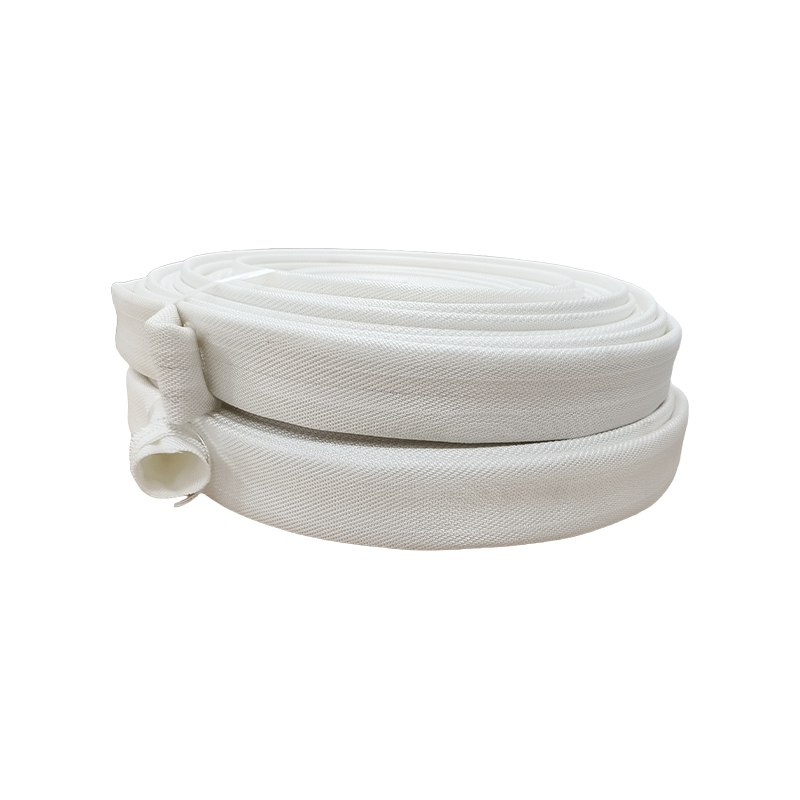
04Construction: What's Actually Inside the Hose
05EPDM vs Standard Rubber: Property Comparison
Illustrative Material Comparison
06What Actually Drives Fire Protection Reliability
Consistent water delivery depends on the hose holding steady within its rated working pressure range, not just surviving storage. Crack resistance, aging resistance, reinforcement quality, and manufacturing consistency together lower the risk of premature failure, but none of it replaces regular inspection, testing, cleaning, and proper storage. EPDM's material properties support readiness, they don't substitute for a maintenance program.
07Matching Pressure and Size to the Application
| Application | Typical Working Pressure | Common Diameter |
| Industrial Fire Protection | 8-16 bar | 65-75 mm |
| Commercial Fire Protection | 8-12 bar | 50-65 mm |
| Outdoor / Emergency Response | 10-16 bar | 65-100 mm |
Figures vary by product and application, so working pressure, burst pressure, and safety factor should always be confirmed against the specific system requirements rather than assumed from a general table.
08How to Choose the Right Hose
- Check working pressure, burst pressure, and safety factor against your application.
- Evaluate temperature requirements based on actual ambient and water temperature exposure.
- Confirm diameter and length against required flow rate and pump capacity.
- Verify coupling type and connection compatibility with existing firefighting equipment.
- Consider UV exposure, humidity, and storage conditions the hose will actually face.
09Evaluating a Reliable Supplier
Rubber formulation and material consistency are worth confirming directly, along with reinforcement structure and tube and cover thickness. Ask about hydrostatic pressure and burst testing, dimensional inspection, and which certifications and fire hose standards apply to your target market, since compliance requirements vary by region and application.
10Common Mistakes to Avoid
Choosing a hose on the strength of "EPDM" alone skips construction, reinforcement, and pressure rating, all of which determine actual performance. Ignoring working pressure requirements against the real fire system, and overlooking storage and maintenance even when the material itself resists aging well, are two of the most common ways a good hose underperforms. Assuming one hose fits every application also misses real differences in diameter, length, pressure, couplings, and standards across systems.
Conclusion
EPDM Fire Hoses can offer genuinely useful heat, weather, ozone, and aging resistance for the right fire protection applications. Actual reliability still comes down to more than the material: reinforcement, inner and outer construction, pressure rating, manufacturing consistency, and correct storage and maintenance all play a role. Sourcing decisions should weigh working pressure, temperature range, size, couplings, operating environment, and target-market fire standards together, not the material name on its own.
Frequently Asked Questions
Does EPDM make a fire hose fireproof?
No. EPDM improves heat, weather, and ozone resistance, but temperature limits and performance still depend on the specific product's construction and technical specification.
How often should EPDM fire hoses be inspected?
Regular inspection, testing, and proper storage are still required regardless of material, since EPDM's aging resistance supports but does not replace a maintenance program.
What working pressure should I look for in a fire hose?
It depends on the specific fire protection system, so working pressure, burst pressure, and safety factor should be checked against your application rather than a general guideline.
Is reinforcement layer quality as important as the EPDM material itself?
Yes. Reinforcement directly affects working pressure and burst resistance, so it needs to be evaluated alongside the inner tube and outer cover material, not assumed from the cover material alone.