en
en
 عربى
عربى

Content
Two PVC layflat hoses can look identical on a warehouse shelf. One holds 200 psi working pressure without visible swelling, lays flat when drained, and returns to shape after being driven over. The other bulges at 80 psi, kinks at every bend, and develops pinhole leaks before the season is over. Externally, both hoses have the same smooth PVC surface. The difference sits inside: the reinforcement layer.
That middle layer, typically a braided or woven yarn sandwiched between the inner tube and the outer cover, is the structural skeleton of a PVC hose. PVC provides sealing, chemical resistance, and a wear surface, but it cannot carry meaningful pressure on its own. The reinforcement does. It sets the working pressure, burst rating, kink resistance, dimensional stability, and, in most field conditions, the number of years the hose will last.
What a Reinforcement Layer Actually Does
Reinforcement gives a PVC hose strength along two axes: radial and longitudinal. When a hose is pressurized, the fluid pushes outward against the wall in every direction. Without reinforcement, that force stretches the PVC until it balloons and bursts. With a braided polyester layer, the yarns take the tension while the PVC tube simply contains the fluid. This division of labor is why a 2-inch reinforced layflat hose can hold 150–200 psi working pressure, while a single-wall unreinforced tube of similar thickness fails at a fraction of that pressure.
The Three-Layer Construction
Most reinforced PVC hoses are built with three bonded layers: an inner PVC tube that seals the fluid, one or more reinforcement layers that carry the pressure load, and an outer PVC cover that protects against abrasion, weather, and chemicals. The reinforcement layer is what determines the hose's mechanical limits.
| Layer | Primary job | What happens if it is weak |
|---|---|---|
| Inner PVC tube | Seals the fluid, resists chemical attack | Leaks, permeation, contamination of the braid |
| Reinforcement layer | Contains pressure, prevents stretching and bursting | Ballooning, burst, kinking, loss of layflat recovery |
| Outer PVC cover | Protects the reinforcement from abrasion and UV | Surface wear, exposed yarns, faster degradation |
At the factory level, braiding density, yarn count, and braid angle control the balance between strength and flexibility. A well-designed braid is laid close to 54.7 degrees, the angle at which a pressurized hose neither grows nor shrinks in length. A tighter, denser braid raises burst pressure but makes the hose stiffer; a looser braid keeps the hose flexible but lowers its rating. Manufacturers adjust these parameters so that a layflat hose can still fold flat for storage while holding its rated working pressure.
Reinforcement Types Used in PVC Hose
Braided Polyester Yarn
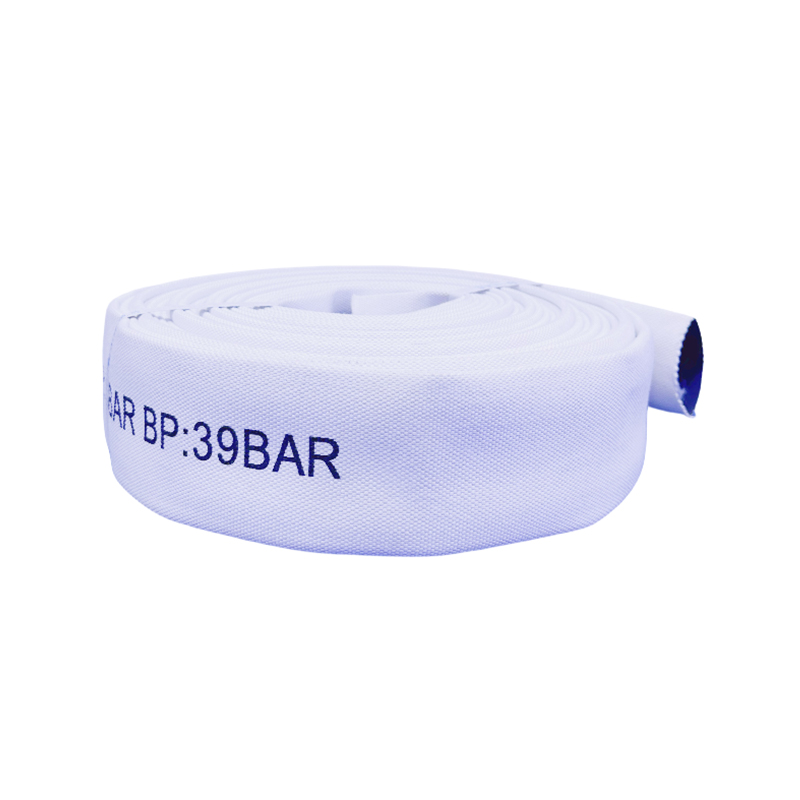
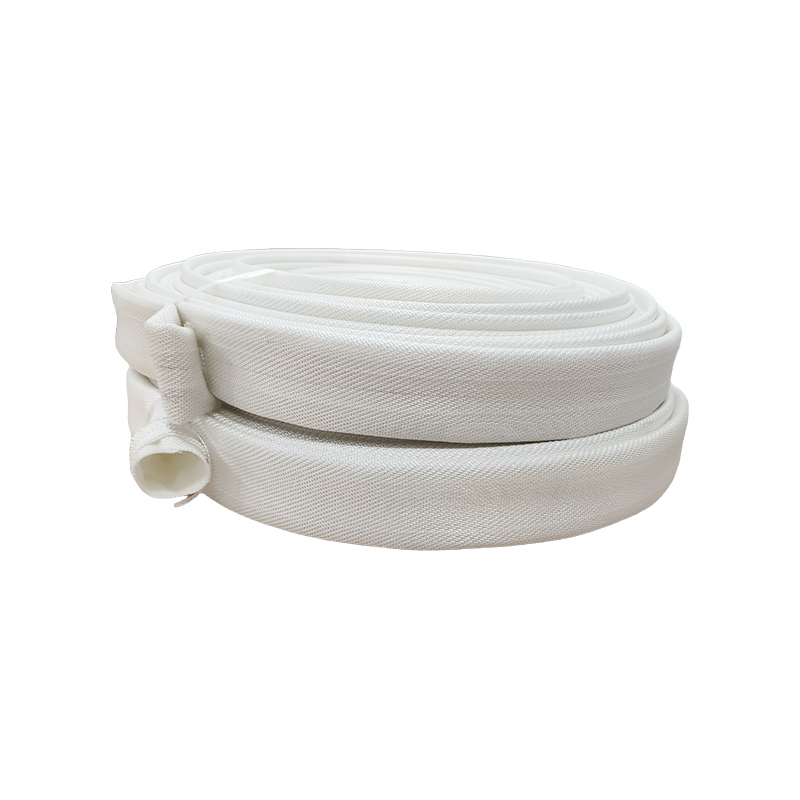
Braided polyester is the most common reinforcement for PVC layflat hoses and PVC-lined fire hose. Polyester offers high tenacity, good adhesion to PVC, and predictable behavior under repeated flexing. For most water transfer jobs, including irrigation, construction, mine dewatering, and firefighting, a single layer of balanced polyester braid provides the right combination of strength and economy.
Double Braid and Heavy-Duty Constructions
When working pressure or surge conditions demand more, manufacturers use two braided layers, or a single layer with heavier yarn and a denser weave. Double-braid construction is common in fire hose and high-pressure industrial transfer hose because it increases burst pressure while keeping the hose flexible enough to be coiled and deployed quickly.
Wire Helix for Suction Service
Wire-reinforced PVC hose is a different category. A spring-like wire helix is embedded in the wall to prevent collapse under vacuum. It makes the hose rigid along its length and unsuited to layflat storage, but it is necessary when the hose must draw water from a static source. Choosing between braided layflat reinforcement and wire helix reinforcement should follow the application, not the price.
How Reinforcement Improves Real-World Performance
Pressure Rating and Burst Safety Margin
Working pressure and burst pressure are not the same number. For braided PVC layflat hose, it is normal to see a burst rating three to four times the working pressure, and quality manufacturers verify that margin under factory test conditions. The reinforcement layer is the single factor that determines the margin. If you are comparing hoses from different suppliers, ask for the braid construction as well as the pressure numbers. A thinner braid with a similar label rating may pass at a lower burst pressure and leave less safety margin. This PVC layflat hose pressure and durability selection guide explains the numbers to compare before you buy.
Kink Resistance and Flow Recovery
An unreinforced hose flattens at the point of a bend and restricts flow; a properly braided hose holds its cross-section and returns to shape when the bend is straightened. Kink resistance matters most on firegrounds and construction sites, where the hose is dragged around corners and stepped on continuously. The reinforcement also helps the hose recover after being flattened for storage, which is why a good layflat hose keeps its shape after years of rolling and unrolling.
Fatigue Life Under Impulse and Flexing
Pumps create pressure pulses, and moving a hose creates repeated bending stress. Over time, these stresses concentrate at irregularities in the braid: a gap in the weave, a yarn splice, an uneven angle. Consistency in the braiding process is as important as the material itself. A uniform braid distributes stress across the entire length of the hose, so fatigue failures appear much later, if at all.
Abrasion and Damage Tolerance
The outer PVC cover handles normal scuffing, but job sites are not always normal. When a hose is dragged over concrete, rock, or steel edges, the cover can be cut through to the reinforcement. At that point, a good braid acts as a second line of defense. It contains the pressure long enough for the hose to be taken out of service safely instead of bursting immediately.
Matching Reinforcement to the Application
Firefighting and Emergency Water Supply
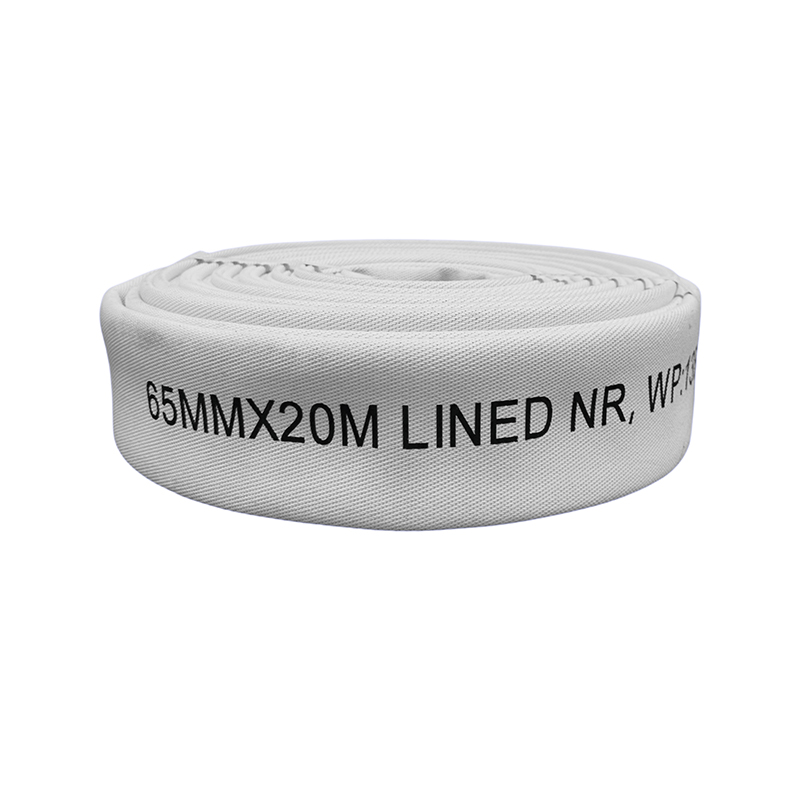
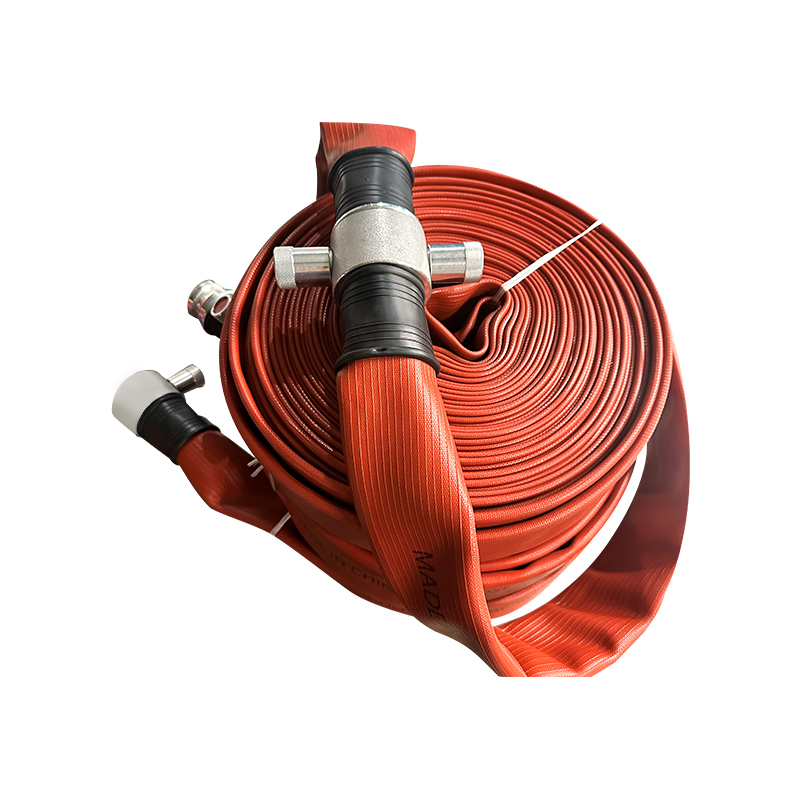
A fire hose needs to hold pressure under sudden valve closures, resist kinking when laid around obstacles, and survive being dragged over wet asphalt and debris. Double-jacket construction adds a second woven reinforcement layer for exactly these conditions. For buyers comparing hose options, the double jacket fire hose is worth reviewing alongside standard single-braid designs. The kink prevention and pressure testing guidance for fire hose walks through the conditions that matter most for fire service.
 Wholesale Double Jacket Layer Fire Hose With Reinforced Weave - Oil & Chemical Taizhou Jun an Fire Technology Co., Ltd Is Wholesale Double Jacket Layer Fire Hose With Reinforced Weave - Oil & Chemical Resistant Supp...View Product →
Agricultural Irrigation and General Water Transfer
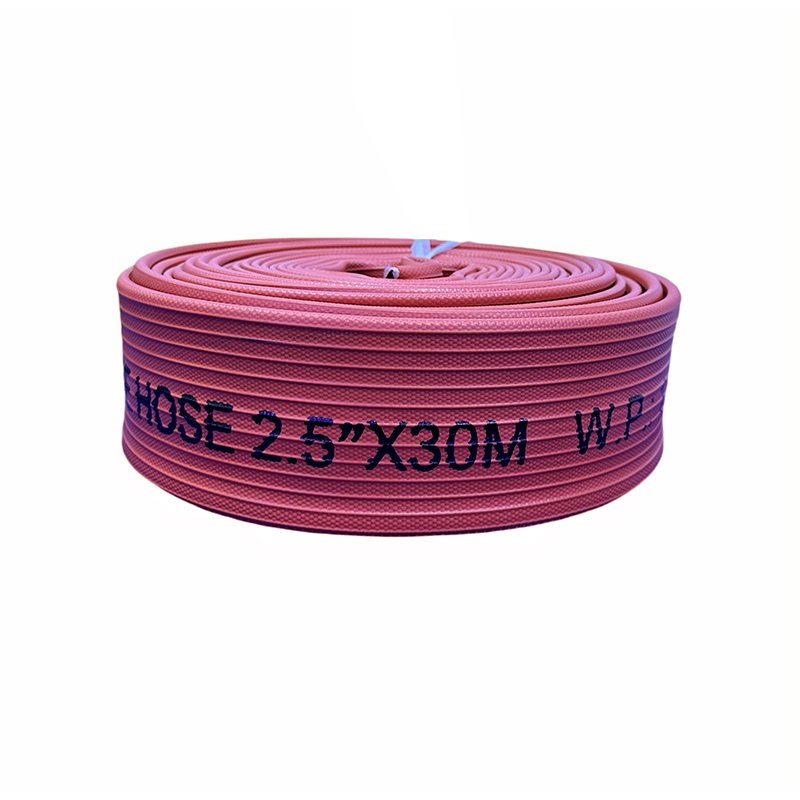
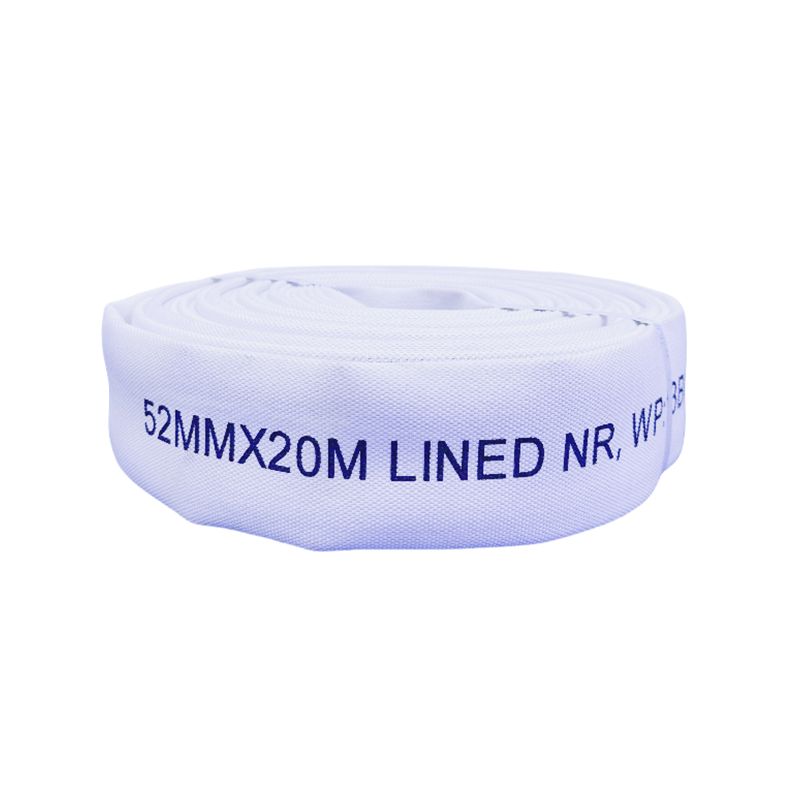
Irrigation service emphasizes flexibility, light handling, and the ability to lay flat when drained. A single braided polyester layer is usually the right choice here: it holds the pressure, keeps the hose flexible, and keeps the cost consistent with seasonal use. The PVC-lined layflat hose range is built around this balance of strength, weight, and service life for agricultural and general transfer duties.
 Wholesale Canvas Hose For Fire Extinguishing/Agricultural IrrigationTaizhou Jun'an Fire Technology Co., Ltd. Is China Wholesale Canvas Hose Suppliers, Exporter, Our Canvas Hose Is Mainly Used For Fire Figh...View Product →
Mining, Construction, and Industrial Dewatering
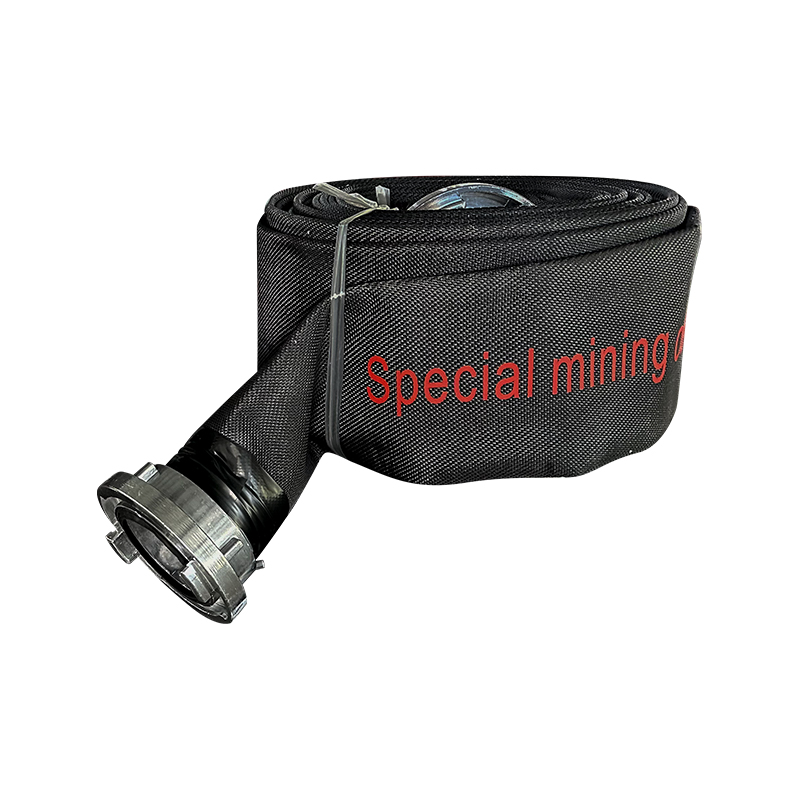
Mine dewatering combines high flow, abrasive water, and rough terrain. Large-diameter reinforced hoses carry heavy loads of water and sediment, so the reinforcement must tolerate both pressure and repeated dragging. For these conditions, buyers typically choose a heavier braid or double-braid construction with an abrasion-resistant cover. The 8-inch mining dewatering hose with Storz couplings is an example of a pressure-rated, wear-resistant flat hose designed specifically for this duty.
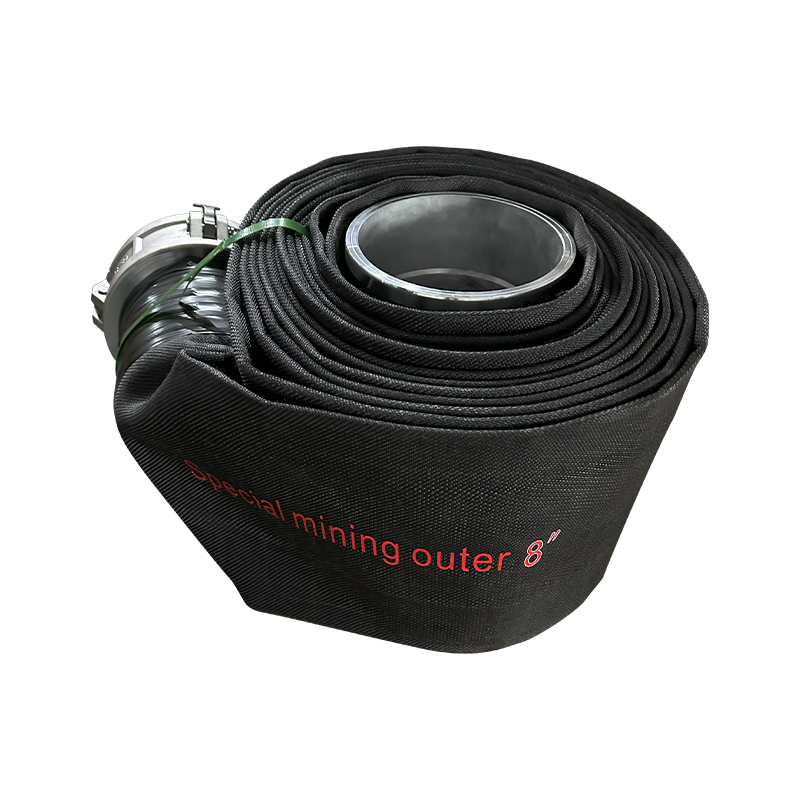 Wholesale 8-Inch Mining Pressure-Resistant External Drainage Flat Hose Pipe WithTaizhou Jun an Fire Technology Co., Ltd Is Wholesale 8-Inch Mining Pressure-Resistant External Drainage Flat Hose Pipe With Storz Connect...View Product →
What to Check Before Buying a Reinforced PVC Hose
Reinforcement is invisible, which is why purchasing decisions often ignore it. Check these five points before placing an order:
- Working pressure versus burst pressure. Confirm both numbers and verify the safety margin with a factory test report.
- Braid material and density. Ask what yarn is used and how many braid layers the construction contains.
- Application fit. Use layflat braid for transfer, double braid for fire and surge conditions, and wire helix only for suction service.
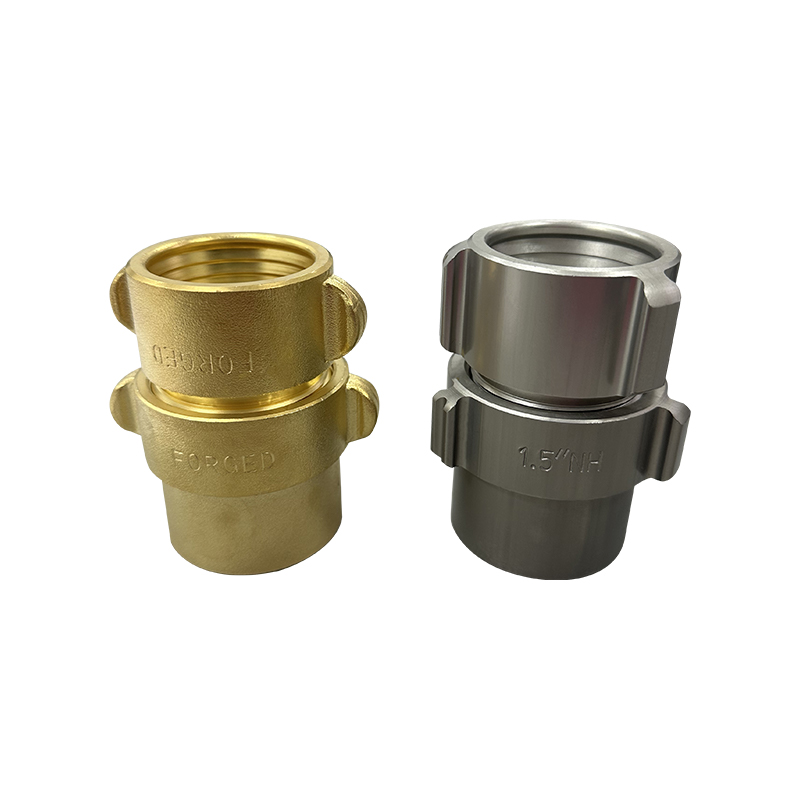
- End connections. The reinforcement must be captured under the coupling or collar; a weak termination turns a strong hose into a liability.
- Destination-market standards. Export buyers increasingly ask for pressure testing that matches EN, UL, or GOST requirements depending on the market.
Diameter changes pressure behavior too: for a given braid, a smaller diameter hose can be rated at a higher working pressure than a large one. The PVC layflat hose diameter selection guidance explains how to size a hose without losing rated performance.
The Reinforcement Layer Is the Specification That Matters
Reinforcement is not a manufacturing detail; it is the specification that determines what a PVC hose can do. Pressure rating, kink resistance, fatigue life, and damage tolerance all trace back to the braid. When you compare quotes, compare the reinforcement construction first and the wall thickness second. And when you buy from a manufacturer that controls the braiding process, you can verify that consistency before the hose ships, which is exactly what you want when the hose has to hold pressure on a fireground or in a mine.