en
en
 عربى
عربى

Content
- 1 What Defines a Heavy Duty Flat Hose?
- 2 Pressure Rating and Burst Strength
- 3 Abrasion and Snag Resistance in Abrasive Environments
- 4 Material Selection: Liner Chemistry Drives Service Life
- 5 Coupling Integrity and Connection Standards
- 6 Deployment, Handling, and Storage That Protect the Hose
- 7 Frequently Asked Questions
A 6-inch dewatering hose rated at 10 bar working pressure failed fourteen minutes after the pump started on a Queensland surface mine. The liner held and the couplings held. What gave way was the outer jacket, worn through at a drag point where the hose crossed thirty meters of crushed rock, exposing the reinforcement until it bulged and split. In industrial water handling, the printed pressure rating is a ceiling, not a promise; the hose that survives a site is the one specified against the full set of operating demands.
That is why procurement teams evaluating heavy duty flat hose need a fixed checklist: pressure containment, abrasion resistance, liner chemistry, coupling integrity, and deployment behavior. This guide walks through each requirement with the numbers, standards, and field logic that separate an industrial hose from a light-duty lay-flat tube.
What Defines a Heavy Duty Flat Hose?
A heavy duty flat hose is defined by its reinforcement structure, liner material, and rated duty cycle, not by its outer diameter or price per meter.
A heavy duty flat hose is a flexible lay-flat conduit with a woven or spiraled textile reinforcement layer and a polymer or rubber liner, engineered to sustain elevated working pressure, repeated deployment, abrasion, chemical exposure, and outdoor weathering without leaking or losing its round profile under flow.
Three structural elements decide whether a hose behaves as heavy duty in the field:
- Reinforcement density and weave pattern control burst pressure and kink resistance; a 2-inch hose and an 8-inch hose can share the same liner but need very different reinforcement to reach the same pressure class.
- Liner thickness and compound control chemical resistance, flex fatigue, and service life; thin liners fail earlier in suction and surge service.
- Coupling interface controls leak integrity; the hose wall alone cannot compensate for a poorly matched connection.
Confirm these three elements against the specification sheet before installation. The most common procurement error in industrial water transfer is buying a general-purpose lay-flat hose and expecting it to carry a heavy duty cycle.
Pressure Rating and Burst Strength
Working pressure for heavy duty flat hose typically runs from 4 bar to 16 bar, and burst pressure is normally three to four times the working rating, verified by batch test certificates rather than catalog promises.
Pressure rating is diameter-dependent. Hoop stress grows with tube radius, so an 8-inch hose built from the same liner and reinforcement as a 2-inch hose will burst at a lower pressure. Always specify hose size, pump dead-head pressure, and surge pressure at valve closure together; a pump that dead-heads at 8 bar can spike above the working rating when a discharge valve closes quickly.
| Liner material | Working pressure | Burst pressure | Best-fit duty |
| PVC | 4-10 bar | 12-24 bar | Irrigation, light industrial transfer |
| TPU | 6-16 bar | 20-32 bar | Abrasive slurry, mining, high-pressure transfer |
| EPDM | 5-10 bar | 15-24 bar | Hot water, chemical transfer, outdoor UV |
| Natural rubber | 6-12 bar | 18-28 bar | High-flex and fire-related service |
| Synthetic rubber | 8-16 bar | 24-32 bar | Mining dewatering, heavy abrasion |
For a deeper breakdown of how working pressure, test methods, and durability interact, read the TPU lay-flat hose pressure rating and durability guide.
Abrasion and Snag Resistance in Abrasive Environments
Outer jacket abrasion is the most under-specified heavy duty flat hose requirement, and in mining, aggregate, and construction dewatering it is usually the first factor to end a hose's working life.
A hose built for abrasive service needs both a thick outer cover and a liner compound that stays bonded to the reinforcement under repeated flexing. TPU and synthetic rubber liners wear dramatically better than PVC in drag contact; abrasion weight-loss tests on a typical TPU lining can show less than half the material loss of PVC under the same abradant load. In practice, that difference translates into months of extra service on a mine discharge line.
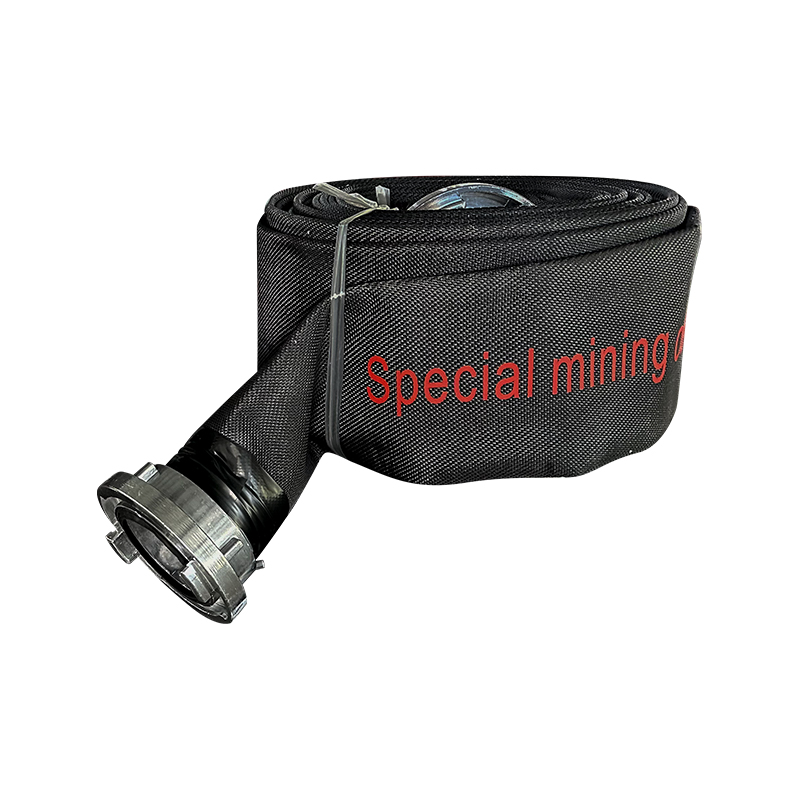
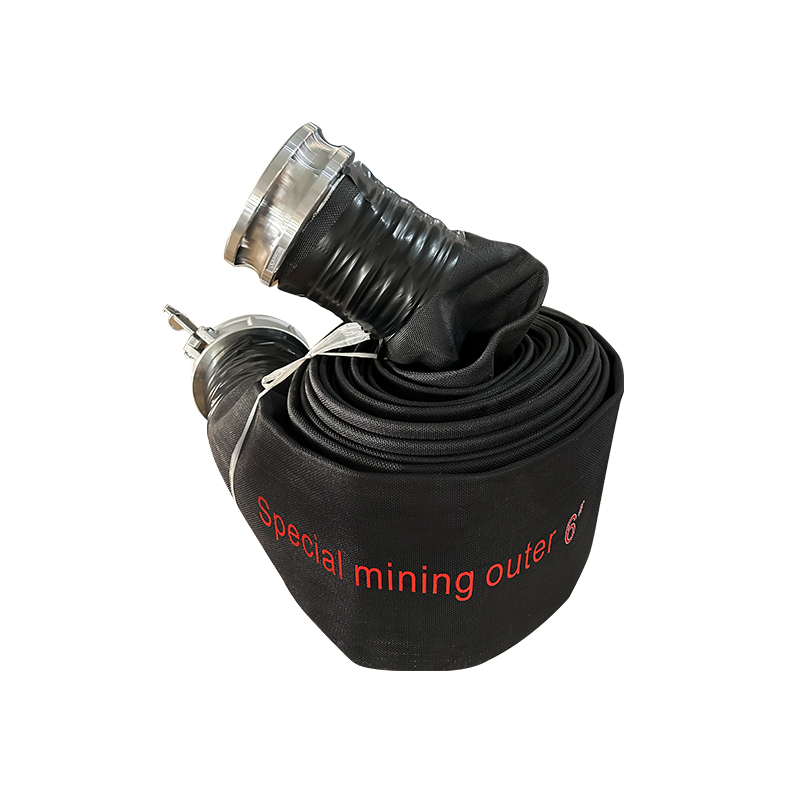 6-Inch Mining Flat Hose with Storz Quick-Connect CouplingsThis heavy-duty abrasion-resistant hose is designed for mine dewatering and slurry transfer, with reinforced construction and Storz connectors for rapid deployment in tough external drainage conditions.View Product →
For mine dewatering runs, the 6-inch wear-resistant flat hose with a Storz connector is a representative example of how heavy duty construction is packaged: reinforced outer cover, pressure-rated liner, and a connection system designed for rapid layout and retrieval. When a hose will be dragged rather than carried, compare the outer cover thickness in millimeters, not marketing terms.
Geometry also matters. Hoses dragged across sharp steel edges fail at the contact point, not along the whole length. Install sacrificial wear sleeves or reroute the run so the hose crosses edges at an angle above 30 degrees, and inspect drag points after every shift.
Field rule: once reinforcement is visible on the outer jacket, the hose has left its rated pressure envelope. Remove it from service immediately.
The special mining outer dewatering hose guide covers the same selection logic in more depth for site engineers.
Material Selection: Liner Chemistry Drives Service Life
Liner compound sets the ceiling on temperature, chemical compatibility, flex fatigue, and UV resistance, so material selection must happen before any other procurement decision and must be matched to the fluid and the climate.
TPU lining
Best where abrasion, cold flexibility, and pressure retention matter. Continuous service from roughly -35 C to 60 C, good oil and chemical resistance, and the highest tear strength of the common liner families. First choice for mining dewatering and high-pressure transfer.
EPDM lining
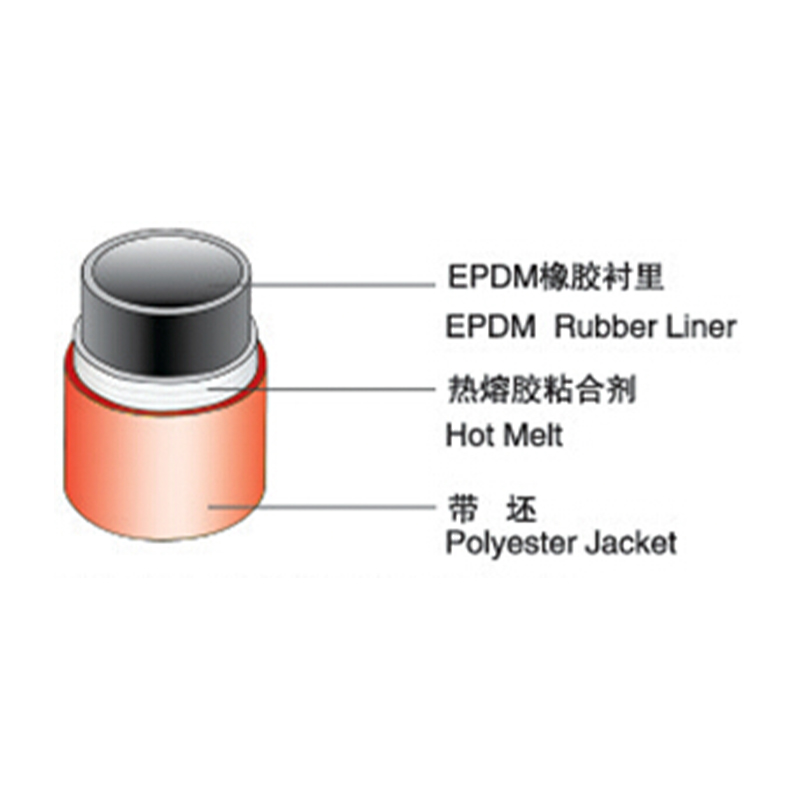
Superior ozone, UV, and heat resistance with good flexibility across a wide temperature band. Best for outdoor storage, hot-water service, and fire-related duty where the hose is exposed to weather between jobs.
For abrasive slurry transfer, the TPU lined hose is the standard upgrade path from PVC: the same diameter costs more per meter but delivers a materially longer service life where the hose contacts gravel or concrete.
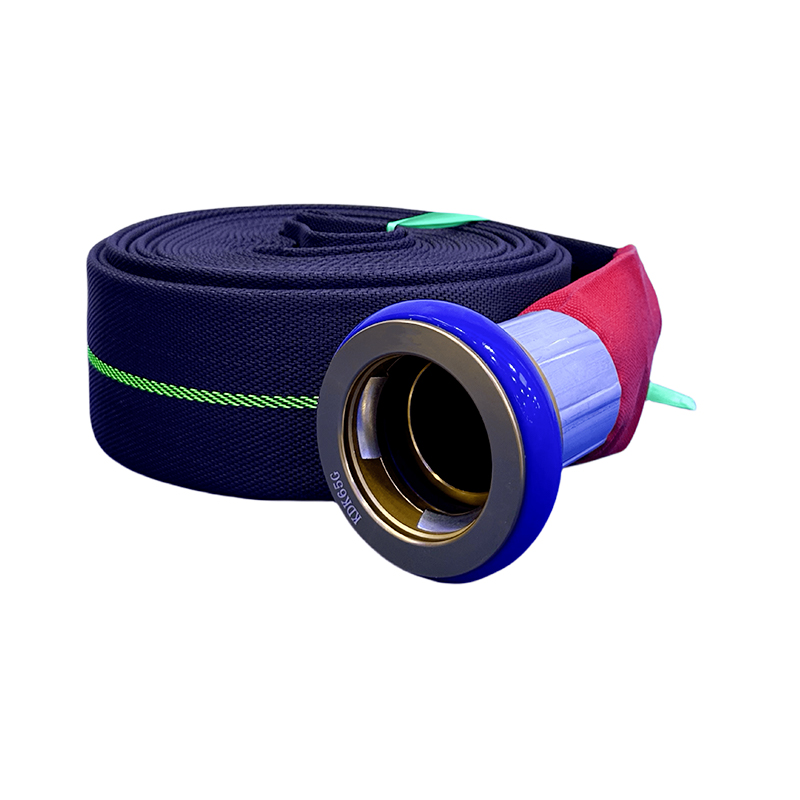
 TPU Layflat Hose for Heavy-Duty Irrigation and Water TransferBuilt with a through-the-weave TPU and polyester reinforcement, this lightweight yet durable hose resists abrasion, UV, and weather, making it a practical upgrade for abrasive slurry and outdoor delivery applications.View Product →
For outdoor utility and hot-water service, an EPDM lined hose resists the sun and ozone attack that cracks PVC jackets within two or three seasons, making it the lower lifetime-cost option for exposed installations.
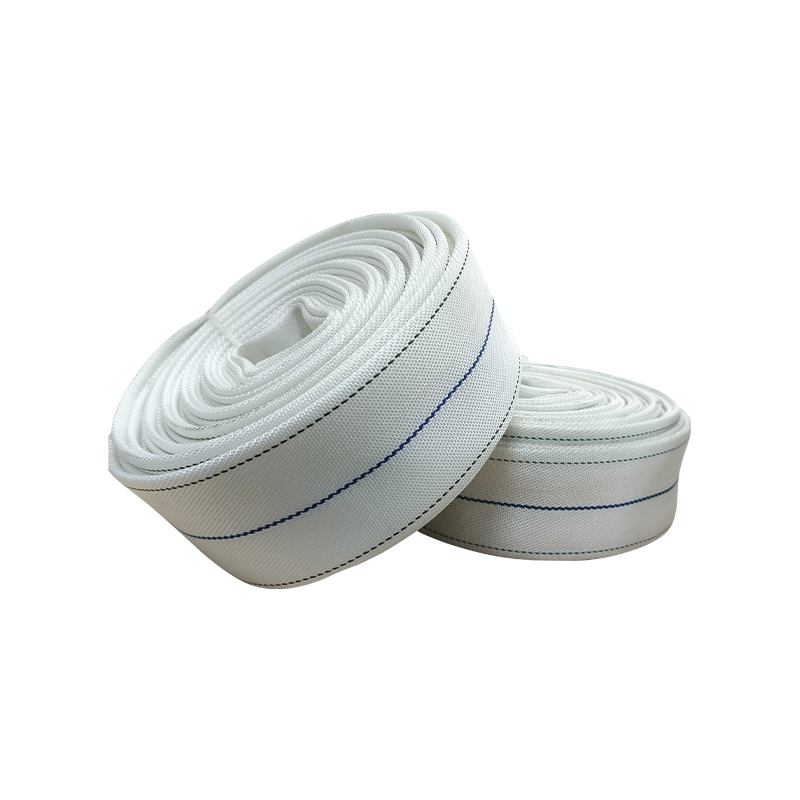 EPDM-Lined Fiber Canvas Fire Flat HoseThis hose pairs a woven polyester jacket with an EPDM inner liner for thermal stability and ozone resistance, suitable for fire suppression and industrial water transfer across a wide temperature range.View Product →
Two more families cover the rest of the heavy duty range:
- PVC lining remains the economical choice for light industrial duty, but it stiffens below freezing and wears poorly against abrasive surfaces.
- Natural rubber and synthetic rubber handle higher temperature peaks and flex fatigue better than PVC and are common in fire and emergency service.
Match the lining to the worst-case temperature and the most aggressive chemical in the fluid, then verify the manufacturer's compatibility table for that exact compound.
Coupling Integrity and Connection Standards
More heavy duty flat hose leaks happen at the coupling than along the hose body, and the root cause is usually a diameter class mismatch, the wrong standard, or an incomplete coupling fit.
The connector standard defines interchangeability with the existing pumping and discharge infrastructure. The groups an industrial buyer must know are:
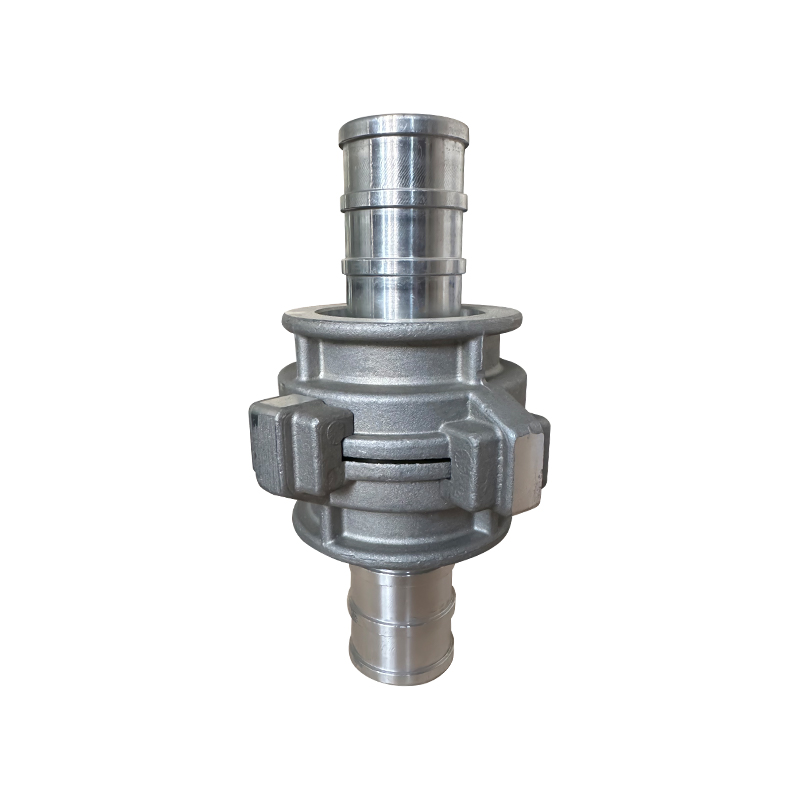
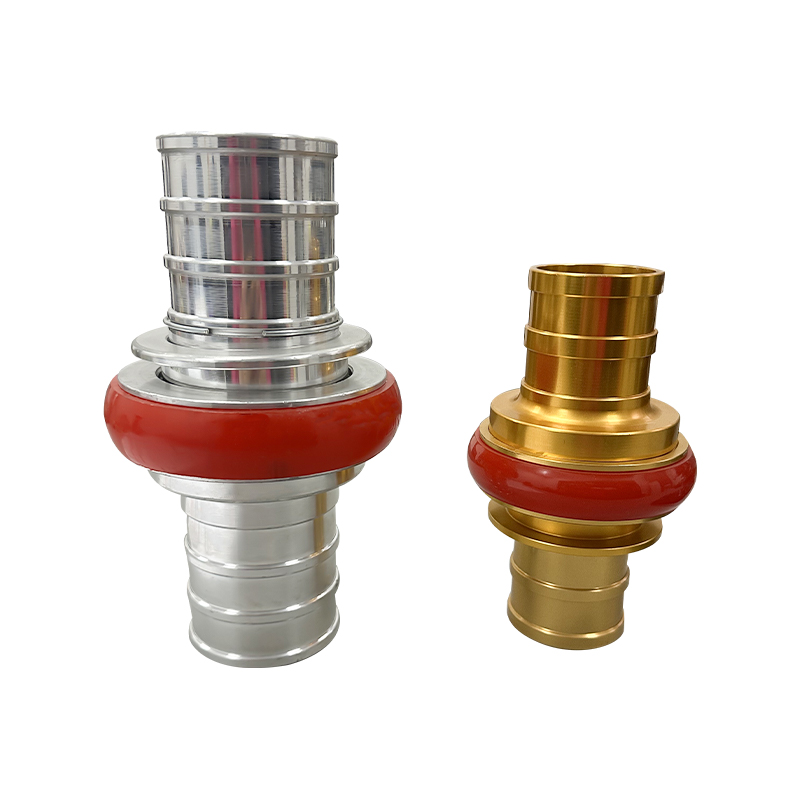
- Storz: quarter-turn symmetrical connection, common in mining dewatering and fire service worldwide.
- Camlock or cam-and-groove: fast connect and disconnect for transfer and suction lines.
- GOST and threaded connections: used in fixed installations and regional infrastructure systems.
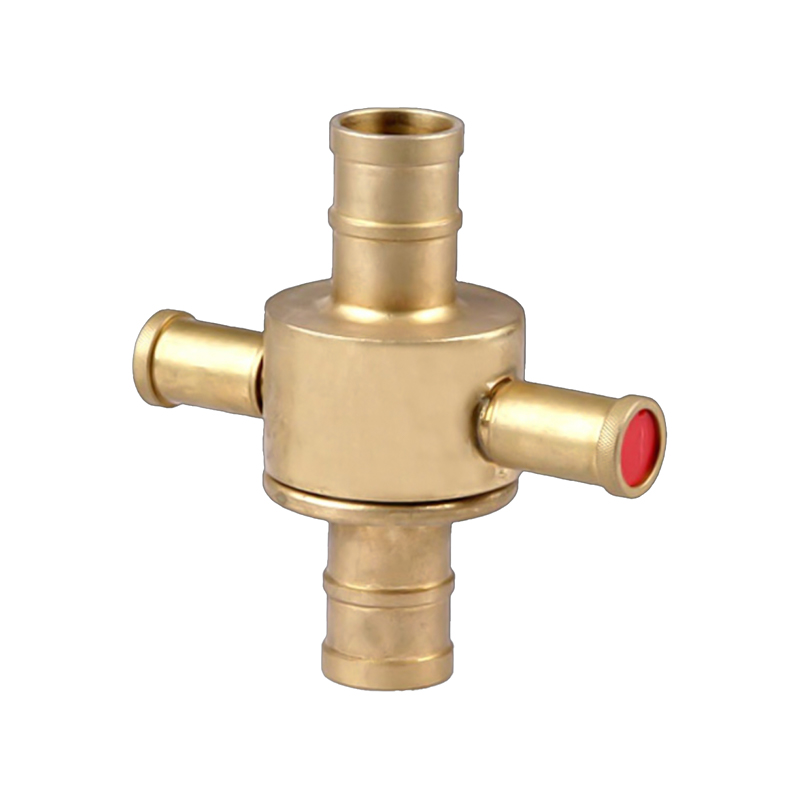
- DSP and Guillemin, Machino, and John Morris or BS instantaneous: each tied to specific regional markets.
Specify three numbers before ordering: hose inner diameter, coupling inner diameter, and pressure class. A coupling bored looser than the hose bore traps abrasives and disturbs flow; a coupling rated below the hose pressure becomes the weak point during surge.
When a factory supplies the hose and coupling from the same quality system, compatibility is documented and traceable per batch.
Deployment, Handling, and Storage That Protect the Hose
Most field failures in heavy duty flat hose are operator-controllable: kinking the hose at the pump outlet, twisting before pressurization, dragging the jacket over edges, and storing wet all shorten service life faster than normal pressure cycles.
Taizhou Jun'an Fire Technology Co., Ltd., a direct manufacturer of fire hose and industrial flat hose, supports OEM and ODM specifications and typically replies to technical requests within 12 work hours, which matters when a project needs a coupling standard changed or a liner compound verified quickly.
- Lay the hose out straight on a clean path before connecting; remove all twists by rotation at the coupling, never along the hose body.
- Connect and fully lock the couplings; confirm the standard matches the pump and disposal manifold before pressurizing.
- Pressurize gradually; open the discharge valve first and ramp pump speed in stages so the hose rounds up smoothly without slamming.
- Inspect drag points after every shift; move the hose or add wear sleeves before the jacket shows chafe.
Site rule: never lift a flat hose by the coupling alone, drag it folded, or store it with water inside. Coil it loosely, drain both ends, and keep the coil off the ground on a pallet or rack.
Frequently Asked Questions
What is the difference between working pressure and burst pressure on a heavy duty flat hose?
Working pressure is the maximum sustained pressure a hose is designed for in normal service; burst pressure is the level at which the hose ruptures and is normally three to four times the working rating. Confirm both numbers for the exact hose diameter and request the batch test certificate.
How do I choose between PVC, TPU, and EPDM lining?
Choose PVC for light industrial transfer on a budget, TPU for abrasive slurries and high pressure, and EPDM for outdoor UV, ozone, hot-water, and fire-related duty. Match the lining to the worst-case temperature and the most aggressive chemical in the fluid, then verify the manufacturer's compatibility table.
Which coupling standard is best for heavy duty flat hose?
Standardize on the connection type already installed on the pump and discharge infrastructure. Storz and camlock are the most common for portable industrial and mining lines; GOST, DSP, and threaded standards serve regional systems. Match the coupling pressure class to the hose working pressure, not to the hose price.
How often should industrial flat hose be pressure-tested?
Test at least annually for hoses in continuous service and after any visible impact or drag damage. For mining and fire-related applications, test at 1.5 times the working pressure and record the result. Replace the hose immediately if the jacket shows exposed reinforcement, blisters, or coupling play.