en
en
 عربى
عربى
Content
- 1 The Layflat Hose Manufacturing Process at a Glance
- 2 Material Selection: The First Quality Gate
- 3 Core Production Stages and Process Controls
- 4 Quality Control Testing Requirements
- 5 Common Production Defects and How to Screen Them
- 6 What Buyers Should Verify Before Placing an Order
- 7 Frequently Asked Questions
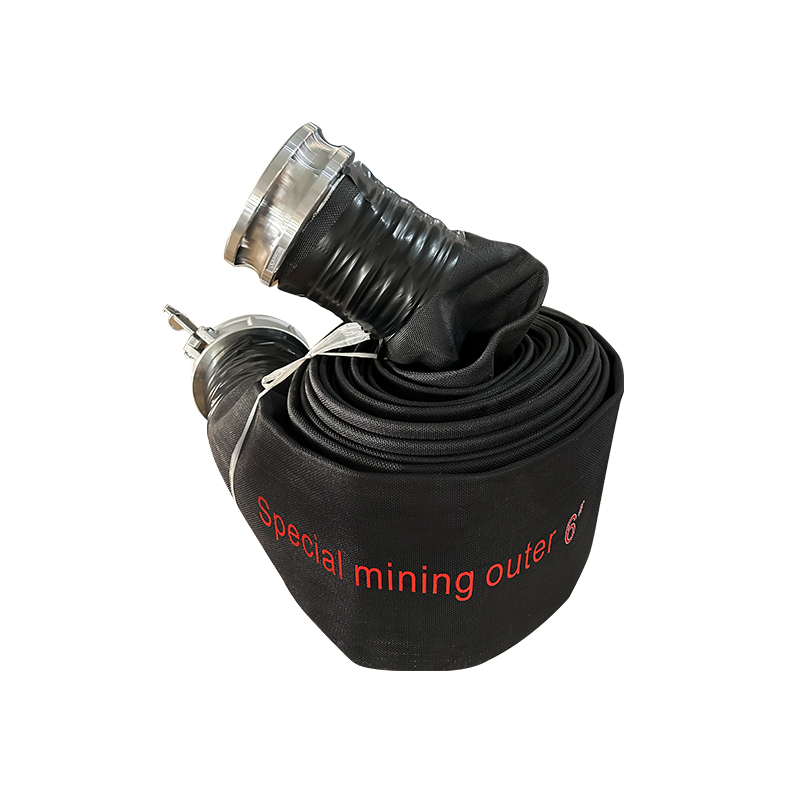
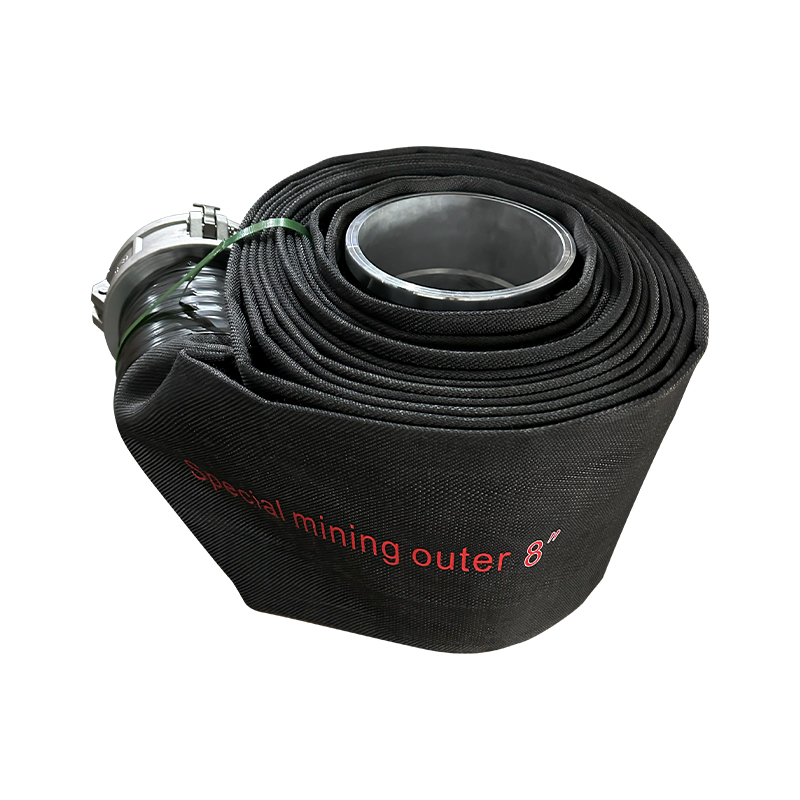
On a remote mining site, a 6-inch dewatering hose starts blistering between its liner and jacket within the first week of service. The pump pressure is inside its rating, the water is clean, and yet the hose is delaminating. The root cause sits in the manufacturing plant: an unstable adhesive process, a slightly damp polymer batch, or a curing oven running off temperature. These are the variables that layflat hose manufacturing requirements exist to control.
This guide covers the key production stages of layflat hose, the material decisions that determine performance, and the quality control tests that keep defective products from reaching the field. Plant engineers, procurement teams, and OEM buyers can use it as a reference when evaluating supply partners such as Taizhou Jun'an Fire Technology Co., Ltd., a direct manufacturer of fire, mining, agricultural, and industrial layflat hose.
The Layflat Hose Manufacturing Process at a Glance
Layflat hose manufacturing is a sequential process that merges a polymer liner with a textile reinforcement, and each stage imposes constraints on the next.
- Compounding and drying: polymer, plasticizer, stabilizer, and additives are weighed to the formula and mixed, then dried to a moisture target below 0.05 percent.
- Liner extrusion: the compound is extruded into a continuous tube with a controlled temperature profile that determines wall thickness and consistency.
- Reinforcement: polyester or nylon yarn is woven or knitted around the liner; yarn tension and weave density set the pressure rating of the hose.
- Lamination and adhesion: an adhesive layer bonds liner to reinforcement under controlled coat weight, heat, and nip pressure.
- Curing: the laminated hose passes through a curing zone that crosslinks the polymer and stabilizes the bond.
- Finishing and inspection: the hose is cut to length, fitted with couplings, printed with specifications, and checked against the final QC gates.
Material Selection: The First Quality Gate
Four liner families dominate layflat hose production: PVC, TPU, EPDM, and natural rubber. The liner material dictates working pressure, chemical resistance, temperature range, and abrasion tolerance, so the selection must match the intended duty rather than purchase price alone.
PVC is the default for irrigation and general dewatering because it balances cost, stiffness, and chemical resistance. TPU is preferred for mining and abrasive transfer, EPDM for hot water and ozone exposure, and natural rubber for high-flex fire and industrial service. For a deeper comparison of sizing and performance, see our PVC layflat hose selection guide.
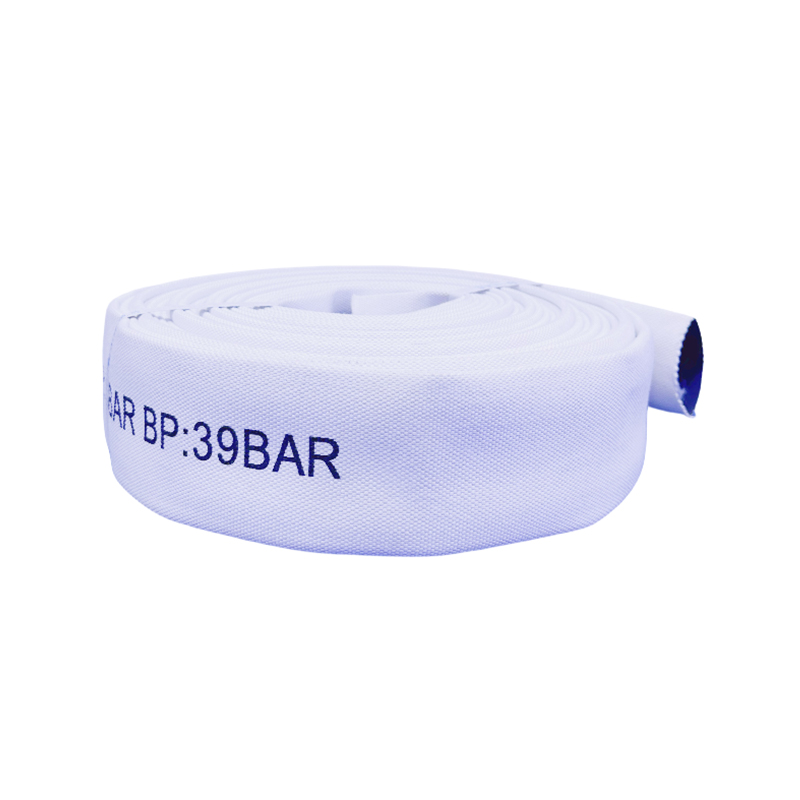
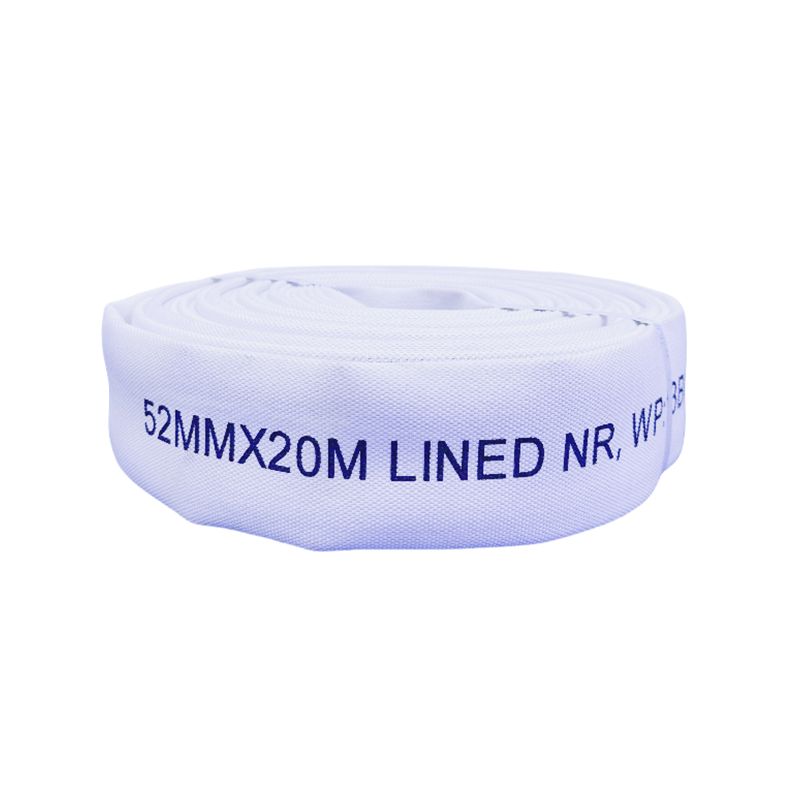 PVC-Lined Canvas Layflat Hose for Fire and Agricultural Water DeliveryThis lightweight yet strong hose pairs a polyester jacket with a smooth PVC lining, reducing friction loss and enabling compact storage. It suits fire protection and irrigation, with Storz coupling options noted nearby.View Product →
| Property | PVC | TPU | EPDM | Natural rubber |
| Typical working pressure | 4-10 bar | 6-16 bar | 5-15 bar | 4-10 bar |
| Temperature range | -5 to 60 °C | -40 to 80 °C | -40 to 120 °C | -20 to 70 °C |
| Abrasion resistance | Moderate | High | Moderate-high | High |
| Typical application | Irrigation, dewatering | Mining, oilfield | Hot water, chemical | Fire, agriculture |
Core Production Stages and Process Controls
Extrusion, reinforcement, and lamination are the three production stages where most layflat hose defects originate, and each one requires specific parameter monitoring.
Extrusion and Compounding
Moisture in the polymer batch is the leading cause of liner blisters. A target of 0.05 percent moisture or lower should be enforced, especially for TPU and nylon-based compounds. Barrel temperature, screw speed, and die centering are verified at every shift start, with wall thickness checked by an in-line laser gauge.
Reinforcement and Weaving
The textile reinforcement carries most of the internal pressure load. Yarn tension must be uniform across all ends; a variation above 10 percent creates weak zones that lower burst pressure. Weave density is monitored in picks per inch, and any drift outside the specification stops the loom.
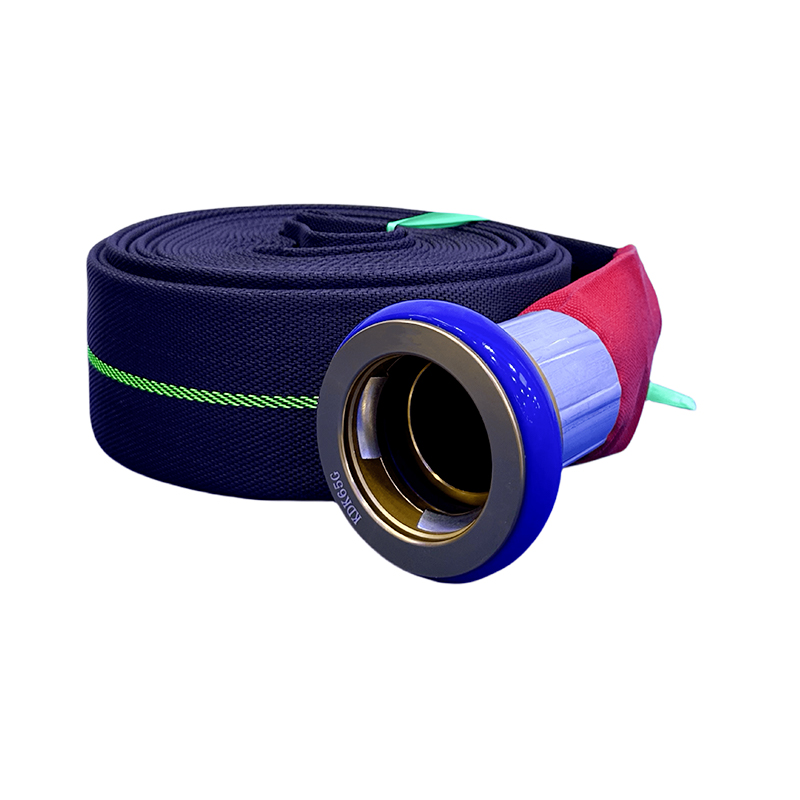
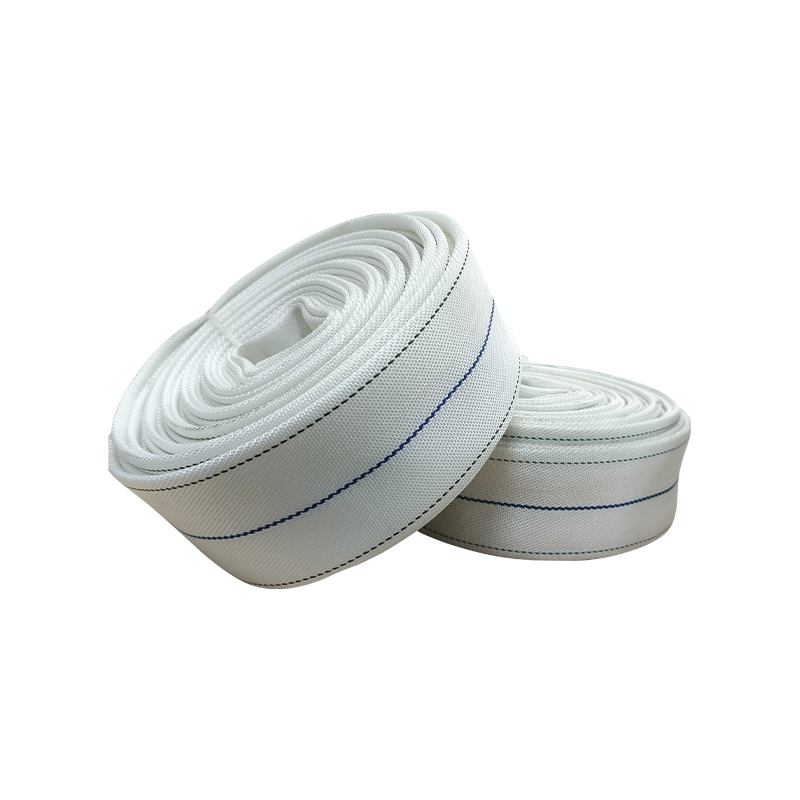 EPDM-Lined Fiber Canvas Flat Hose for Fire Suppression and Industrial UseFeaturing an EPDM interior for thermal stability and ozone resistance, this hose stays flexible across extreme temperatures while the woven polyester jacket handles pressure and abrasion, making it suitable for demanding fire and industrial applications.View Product →
Lamination and Curing
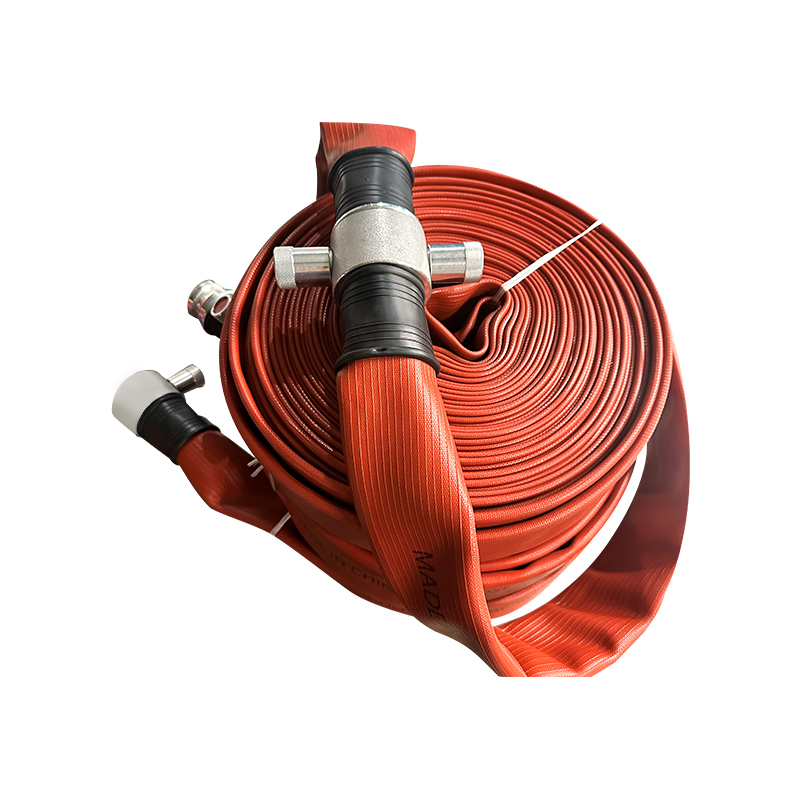
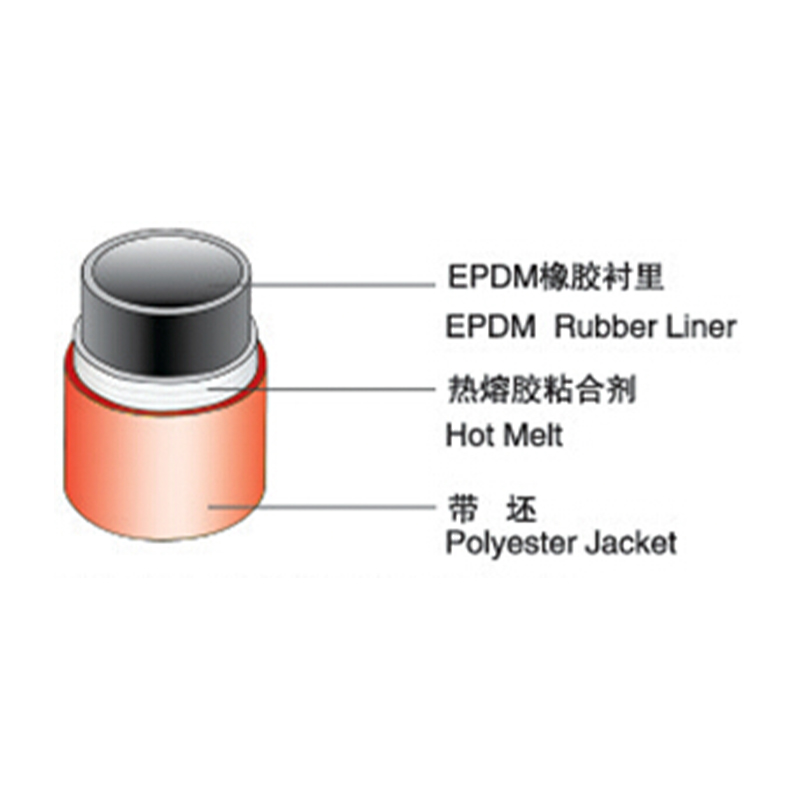
Adhesive coat weight typically runs between 30 and 50 grams per square meter for industrial layflat hose. Too low, and peel strength drops; too high, and adhesive bleeds through the jacket. Nip pressure and oven temperature are recorded continuously, and the curing profile is validated by a sample burst test at the end of each production run. For heat and chemical exposure, an EPDM-lined construction follows the same lamination sequence with a vulcanizing cure profile specific to EPDM chemistry.
Quality Control Testing Requirements
A layflat hose is not ready for shipment until it has cleared hydrostatic pressure, adhesion, dimensional, and visual inspection gates.
The standard production QC program includes the following tests:
- Hydrostatic proof test: 1.5 times the rated working pressure, held for 5 minutes, with zero leakage or visible deformation.
- Burst pressure test: minimum 3 times the working pressure; a lower ratio indicates a structural weakness in the reinforcement or lamination.
- Peel adhesion test: a strip of liner is pulled from the reinforcement; the minimum accepted value is 2 N/mm for industrial hose.
- Dimensional gauging: inside diameter tolerance of +/-2 percent and wall thickness tolerance of +/-10 percent.
- Visual and kink inspection: no blisters, pinholes, or uneven weave, and the hose must return to flat shape after repeated folding.
Common Production Defects and How to Screen Them
Most field failures in layflat hose trace to one of four production defects: delamination, blistering, uneven wall thickness, or weave distortion. Each has a specific root cause and a corresponding control in the factory.
| Defect | Root cause | Detection method | Prevention |
| Delamination | Low adhesive coat weight, moisture | Peel test, burst test | Adhesive weight verification, drying |
| Blistering | Moisture in polymer, trapped air | Visual, hydrostatic test | Material drying, degassing |
| Uneven wall thickness | Die misalignment, temperature drift | Laser gauge, micrometer | Die calibration at every shift |
| Weave distortion | Yarn tension variation, loom wear | Visual, burst test | Tension monitoring on the loom |
What Buyers Should Verify Before Placing an Order
Buyers should verify test records, production standards, and customization capability before committing to a supply partner, because the cost of a failed hose is far higher than the savings from a low bid.
- Request batch test certificates covering hydrostatic pressure, burst pressure, and peel strength for the exact product grade you intend to order.
- Confirm which standard governs production: EN 14540, NFPA 1962, or a documented internal specification with clearly stated acceptance criteria.
- Verify that the supplier operates its own extrusion and weaving lines, rather than reselling imported rolls under its own label.
- Require pre-shipment sample testing and independent laboratory verification for critical or high-pressure applications.
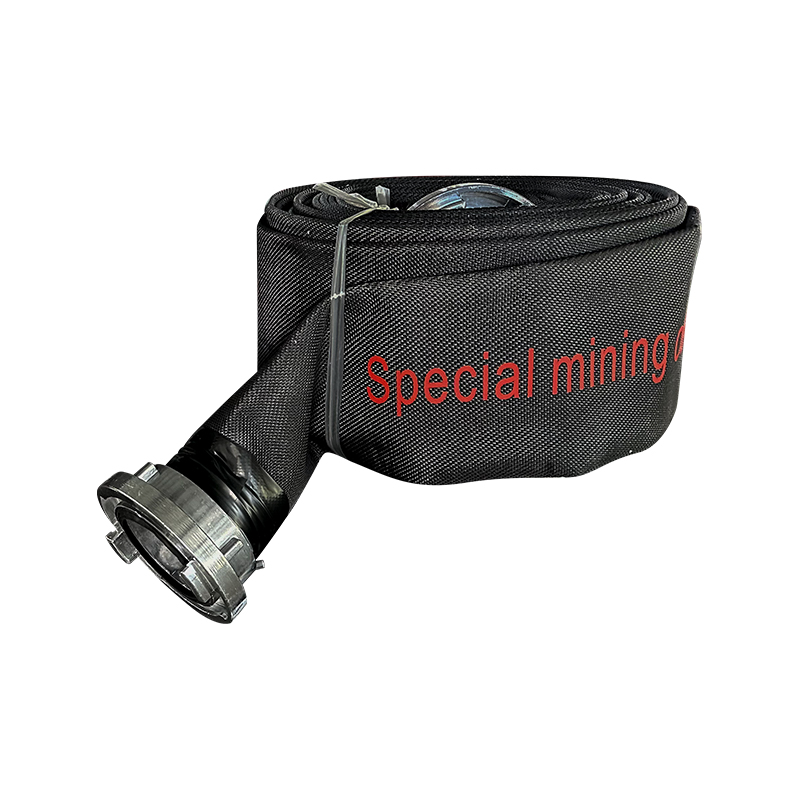
 Heavy-Duty TPU Layflat Hose for Irrigation and High-Abrasion ApplicationsThis hose uses a through-the-weave TPU extrusion for a strong, lightweight, and kink-resistant structure. It resists UV, oil, and abrasion, making it ideal for irrigation, construction, and demanding water transfer where PVC or rubber may fail.View Product →
A direct manufacturer with in-house production and an international trade department can provide this documentation efficiently. Taizhou Jun'an Fire Technology Co., Ltd., based in Jiangsu Province near Shanghai, manufactures PVC, TPU, EPDM, and natural rubber-lined layflat hose in its own factory, and supports OEM and ODM customization. Browse the full product range on the company website.
Frequently Asked Questions
What is the most common failure mode in layflat hose?
Delamination between the liner and the reinforcement is the most common failure mode. It results from inadequate adhesion during lamination, excessive moisture in the polymer, or an incorrect adhesive grade, and it appears as blistering or layer separation under pressure.
What pressure tests should a layflat hose manufacturer perform?
A hydrostatic proof test at 1.5 times the rated working pressure and a burst test at or above 3 times the working pressure. Both should be documented per production batch and made available to the buyer on request.
How is liner-to-reinforcement adhesion verified?
The standard method is a 180-degree peel test on a cut strip of the hose. A minimum peel strength of 2 N/mm is typically required for industrial layflat hose. Below that value, delamination is likely under cyclic pressure or repeated flexing.
Can layflat hoses be made with custom couplings and lengths?
Yes. Direct manufacturers can adjust liner thickness, reinforcement density, and length, and can fit couplings to regional standards including Storz, Camlock, American, and instantaneous types. OEM and ODM production is a standard service at Taizhou Jun'an Fire Technology Co., Ltd.