en
en
 عربى
عربى

Content
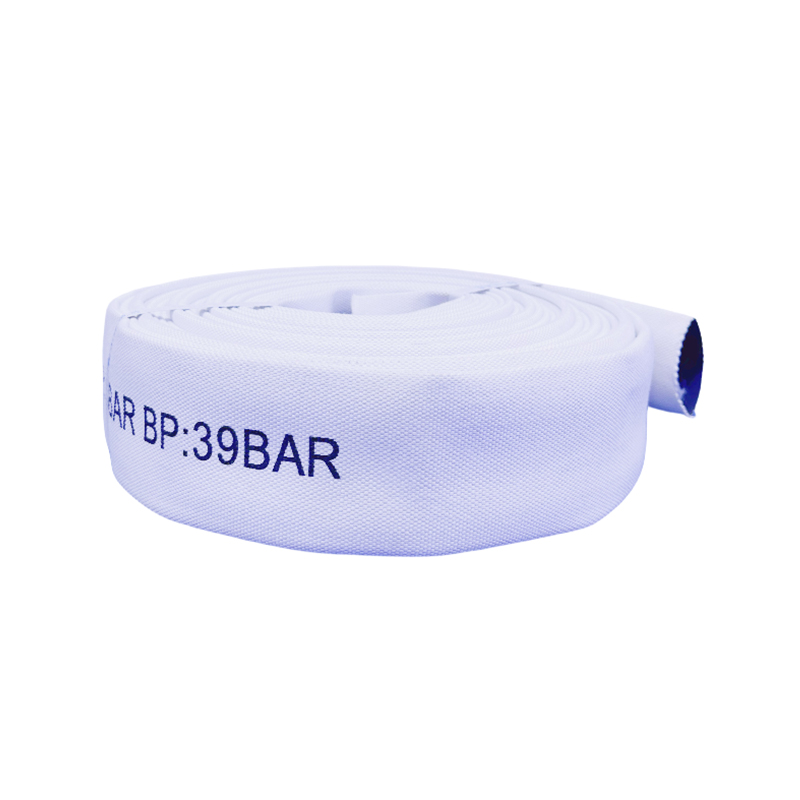
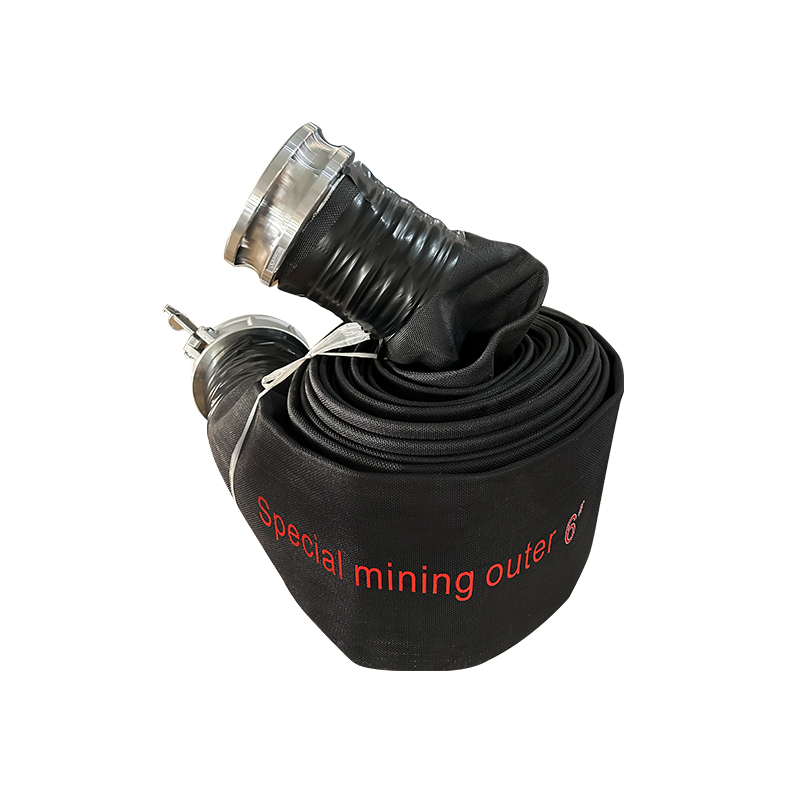
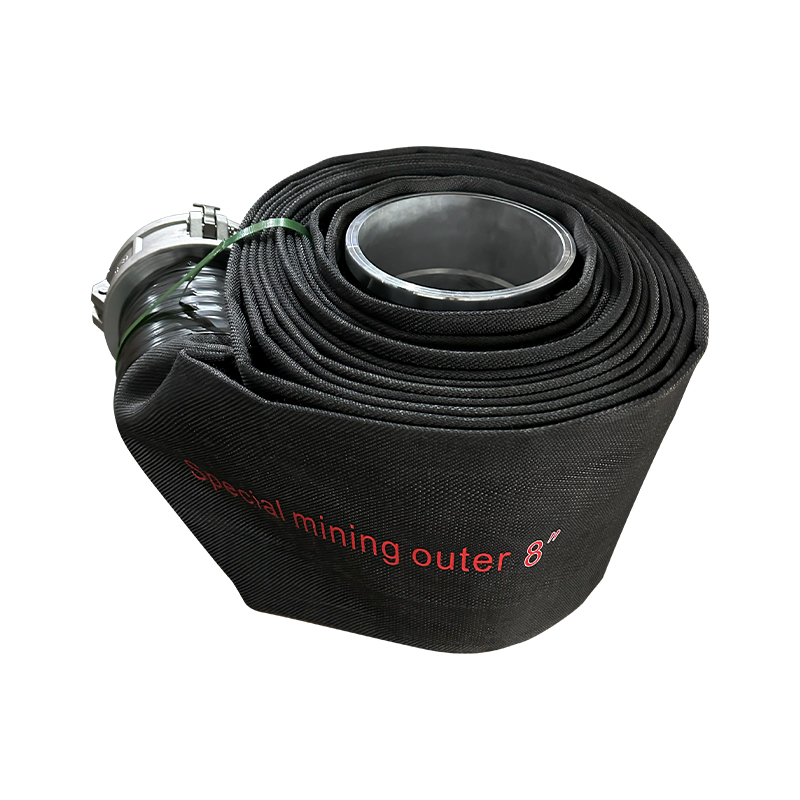
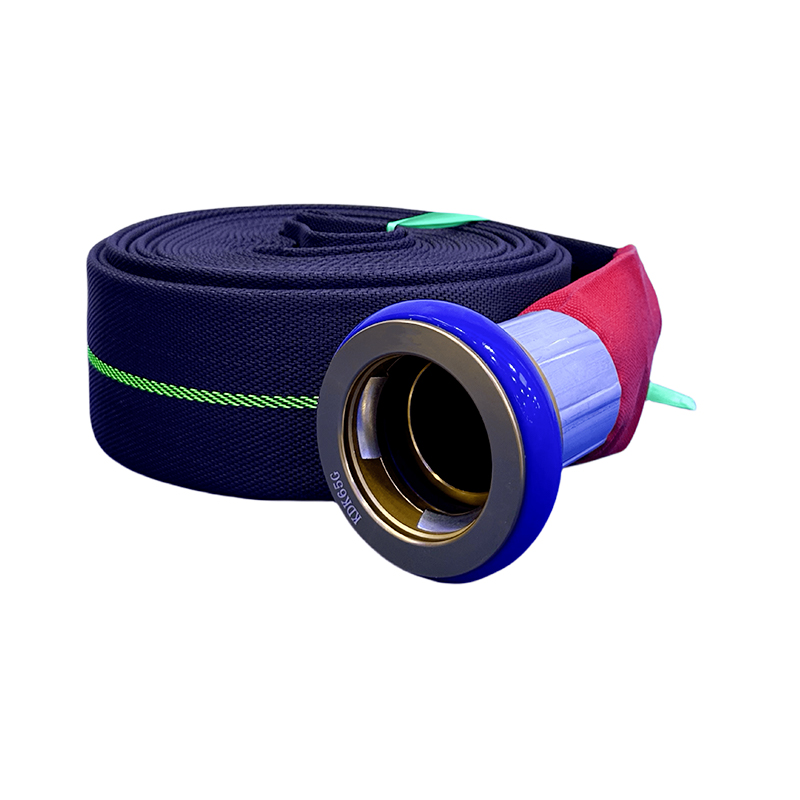
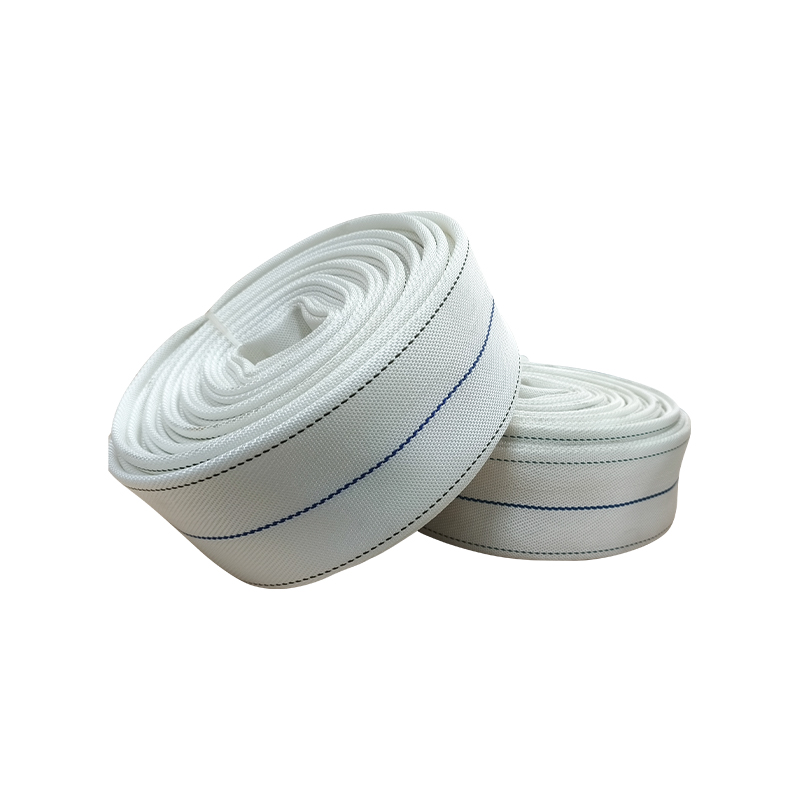
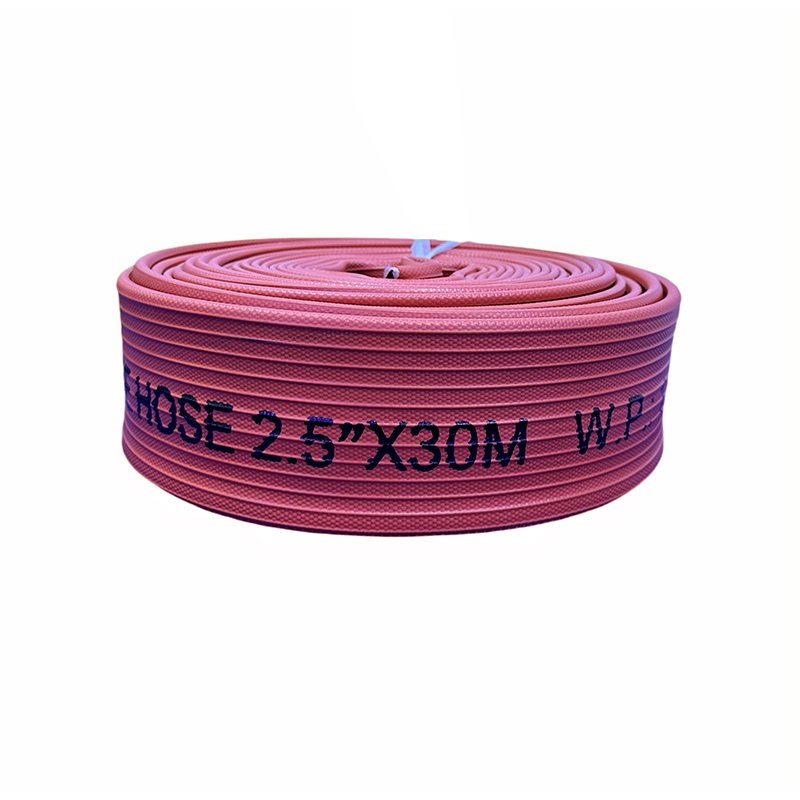
A PVC Lay Flat Discharge Hose spends its working life under internal pressure, repeated folding, and constant dragging across rough ground, so the quality built into the hose wall determines whether it survives one season or ten. For buyers evaluating hoses for irrigation, dewatering, or industrial pumping, durability and pressure resistance are not separate specs to check off, they are the direct outcome of material grade and construction method.
01Why Hose Quality Matters for Industrial Applications
A high-quality discharge hose keeps flow stable, reduces leakage risk, and holds up to daily handling across irrigation, drainage, and pumping projects. Weak construction shows up first as pinhole leaks at fold lines, then as cracking along the outer wall, and eventually as full wall failure under pressure spikes.
- Stable flow performance keeps pump output consistent across long transfer runs.
- Reduced leakage risk comes from uniform wall thickness with no thin spots.
- Repeated fold resistance prevents surface cracking after seasonal storage and reuse.
- Pressure fluctuation tolerance protects the hose during pump start and stop cycles.
02Key Quality Factors Affecting Durability
Four manufacturing factors determine how long a PVC lay flat hose lasts under real working conditions: resin quality, reinforcement construction, wall consistency, and surface protection.
PVC Resin Quality and Flexibility
High-grade PVC resin stays flexible across a wider temperature range and resists the aging that causes standard hose to stiffen and crack within one to two seasons.
Reinforcement Layer Construction
A tightly woven high-strength yarn layer is what actually carries pressure load, directly setting the hose's tensile strength, burst rating, and resistance to shape distortion under flow.
Wall Thickness and Manufacturing Consistency
Uniform wall thickness eliminates the weak points where premium hose most often fails first, while inconsistent extrusion leaves thin sections that burst well below the rated pressure.
Standard vs Premium Hose Performance Rating
A PVC lay flat discharge hose is defined by its reinforced woven core, which converts a flexible tube into a pressure vessel capable of carrying pumped fluid over long distances without deforming.
03How Hose Quality Affects Pressure Resistance
Reinforcement grade sets the working pressure ceiling, the burst safety margin, and how well the hose holds up during continuous pumping cycles.
Burst Pressure by Hose Grade (PSI)
04Applications Across Industries
Buyers across three sectors rely on lay flat discharge hose for different reasons, though pressure rating and abrasion resistance matter in every case.
Agricultural Irrigation
Farms use lightweight, easy-to-store hose for seasonal sprinkler and water distribution systems that need fast deployment and compact coiling.
Construction and Drainage Projects
Dewatering and flood control work demands high flow capacity and hose that can be laid and repositioned quickly across a changing job site.
Industrial Fluid Transfer
Pump discharge and wastewater transfer applications call for consistent wall strength across long, continuous pumping cycles.
05How to Choose the Right Hose
Matching hose specification to the job prevents both overspending on unneeded capacity and underspecifying a hose that fails early.
| Buying Factor | What to Check | Why It Matters |
| Working Pressure | Pump output vs hose rating | Prevents burst failure under load |
| Diameter and Length | Flow rate and transfer distance | Maintains efficient throughput |
| Environment | UV exposure and chemical contact | Avoids premature material aging |
| Supplier Capability | QC process and custom specs | Ensures consistent batch quality |
06Why Supplier Reliability Matters
Consistent product quality depends as much on the manufacturer as on the material spec sheet. A dependable PVC Lay Flat Discharge Hose supplier maintains stable production standards, offers customized diameter and length options, and provides technical support for pressure-rating questions before and after purchase.
Consistent quality control across every production batch is what separates a hose that performs for one project from one that performs for ten.
07Conclusion
Hose quality is not a marketing detail, it is the mechanical reason a discharge hose either survives daily field use or fails within its first season. Buyers who prioritize resin grade, reinforcement construction, and manufacturing consistency reduce both maintenance cost and unplanned downtime. Looking for reliable hose solutions for your fluid transfer applications? Contact a manufacturer directly for customized specifications and support.
Frequently Asked Questions
What working pressure should a lay flat discharge hose handle?
Most agricultural and light industrial applications need 6 to 8 bar working pressure, while high-volume pumping and dewatering projects often require 10 bar or higher.
How long does a quality PVC lay flat hose last?
A well-manufactured hose with strong reinforcement typically lasts several seasons longer than standard grade, depending on UV exposure and handling frequency.
Does hose diameter affect pressure resistance?
Diameter affects flow rate more than pressure rating directly, though larger diameters require proportionally stronger reinforcement to hold the same pressure safely.
Can lay flat hose be used for chemical transfer?
Standard PVC hose is best suited for water and general fluid transfer; chemical compatibility should always be confirmed with the manufacturer before use.