en
en
 عربى
عربى

Content
Picture this: you are standing next to a pump that needs to lift water from a pond 4 meters below. The hose on the intake side is labeled "PVC hose" and looks perfectly flat. The pump starts, and within a second the hose flattens completely. Water flow stops. The pump begins to cavitate. This is what happens when a PVC flat hose pipe is used where a PVC suction hose is required.
The short rule: PVC flat hose pipes are for discharge only, where pressure pushes water out. PVC suction hoses are for intake and lift, where atmospheric pressure pushes water into the hose and the hose must resist collapsing. They differ in construction, pressure rating, vacuum resistance, weight, and cost. Choosing the right one depends on which side of the pump you are connecting.
What Is a PVC Flat Hose Pipe?
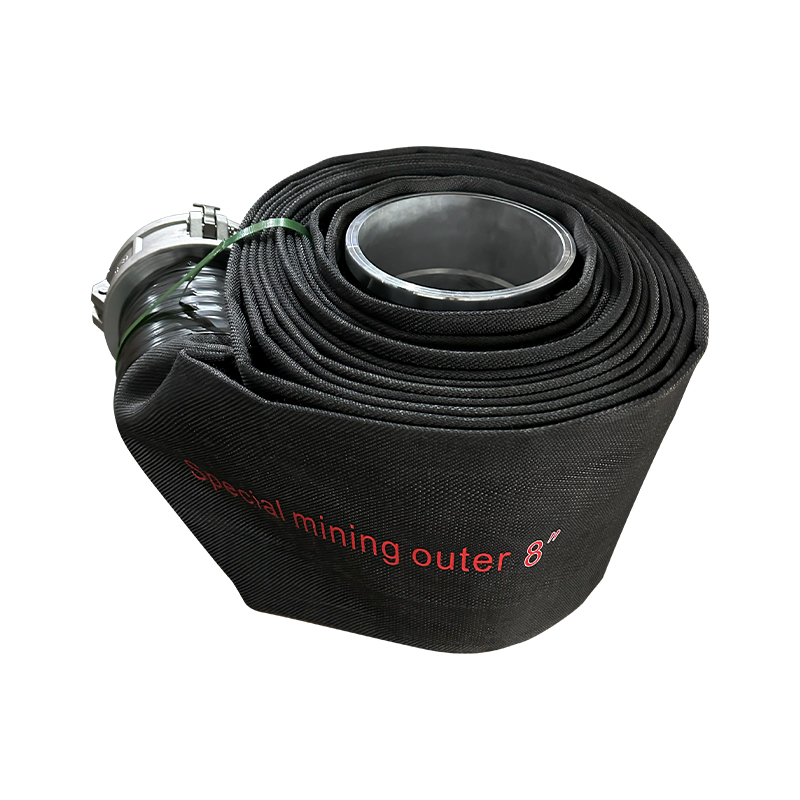
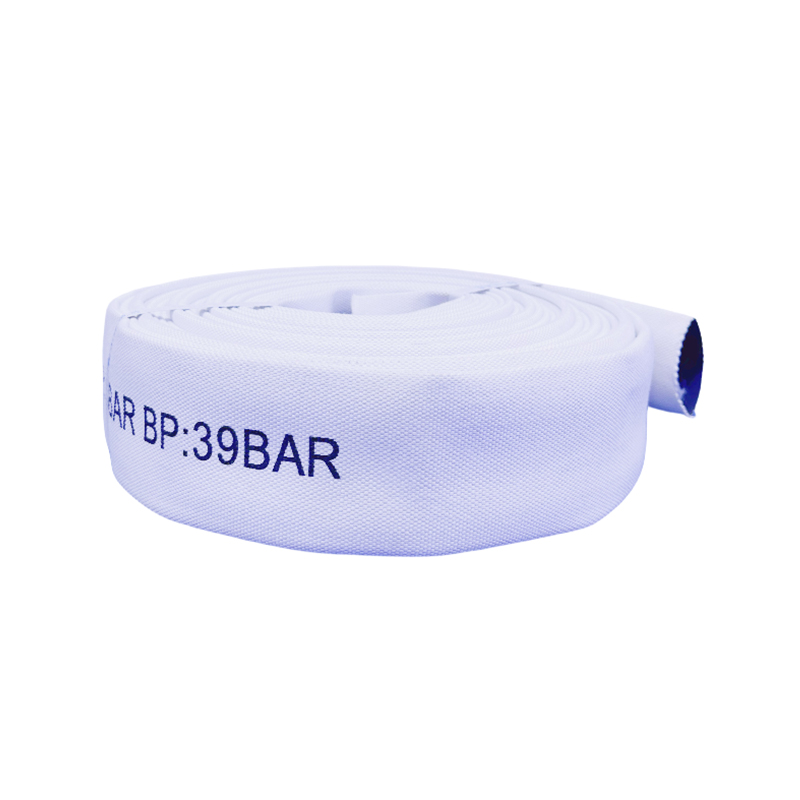
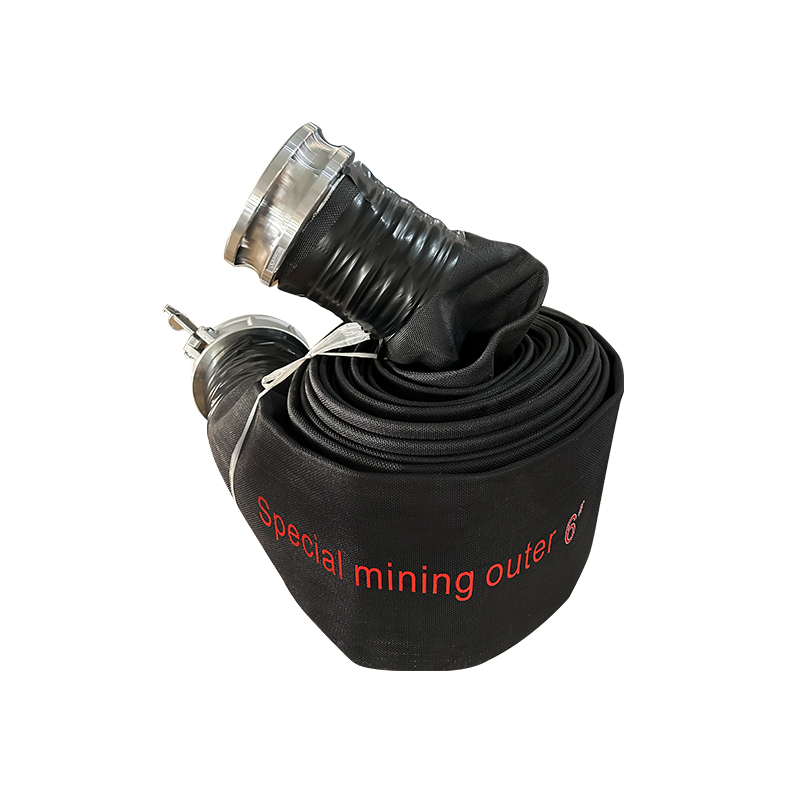
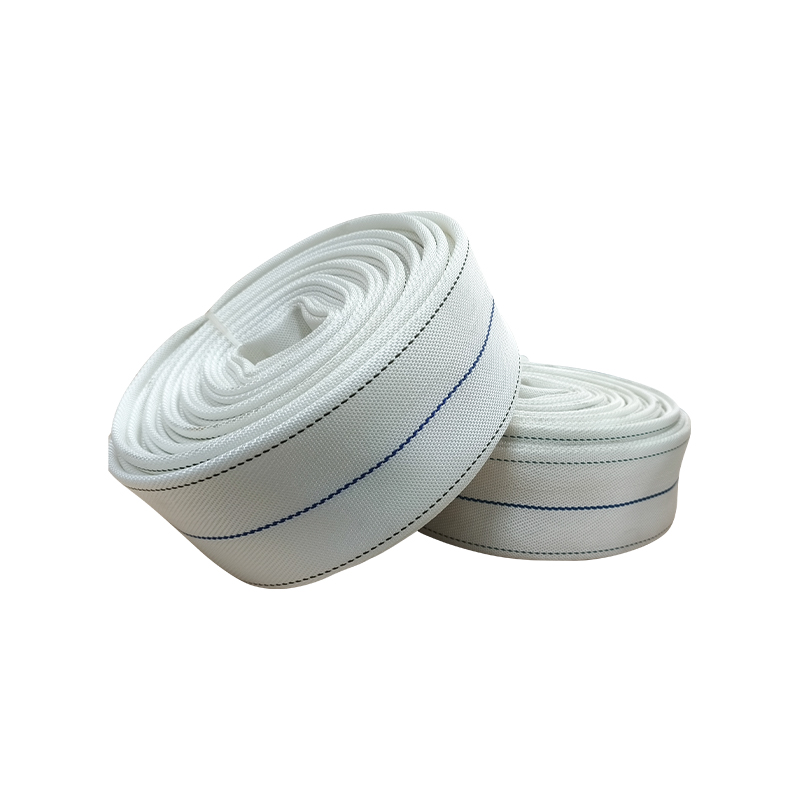
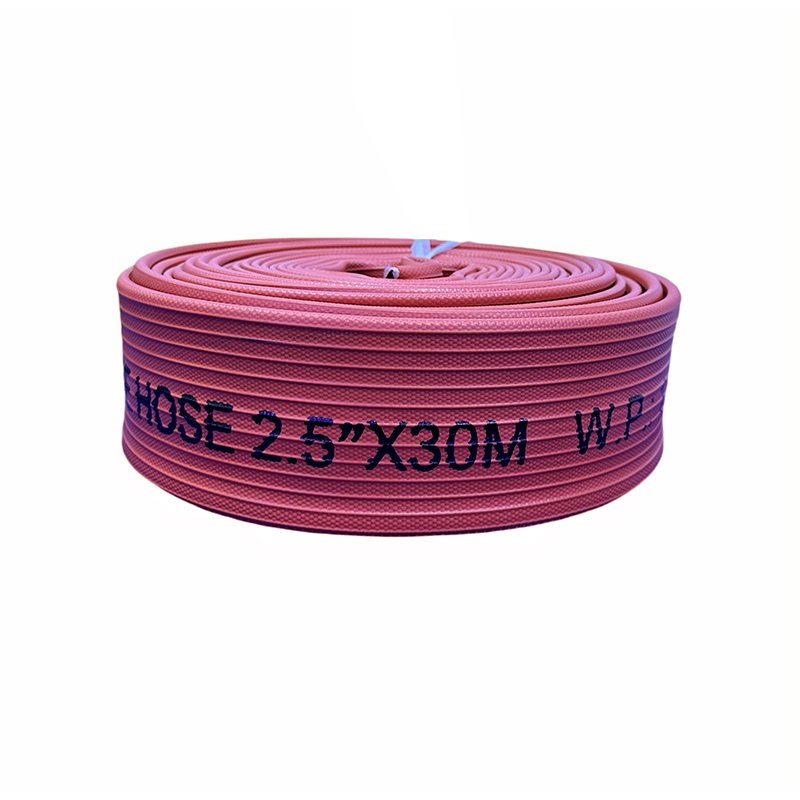
A PVC flat hose pipe, often called a PVC layflat hose, is a flexible, fabric-reinforced hose that lies flat when not under pressure. It is made from a polyester or synthetic fiber jacket coated inside and outside with PVC. Because there is no rigid helix, it can be rolled into compact coils, stored easily, and unrolled for irrigation, construction dewatering, and fire-fighting discharge lines.
These hoses are designed for positive pressure. The reinforcement carries the hoop stress of water being pumped through the hose, while the PVC layers provide a watertight seal. Typical working pressures range from 6 to 10 bar, with burst pressures much higher, depending on diameter and fabric weave. For many transfer jobs, a PVC layflat hose is the most economical choice. If you need a product built for this exact service, a PVC lined layflat hose offers a balanced combination of pressure capability, flexibility, and abrasion resistance.
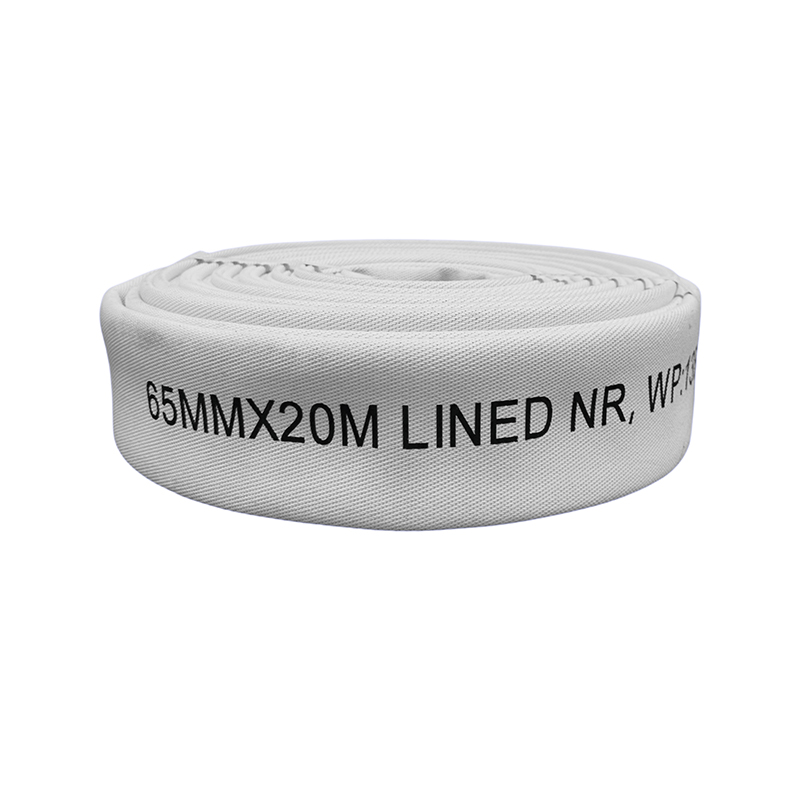
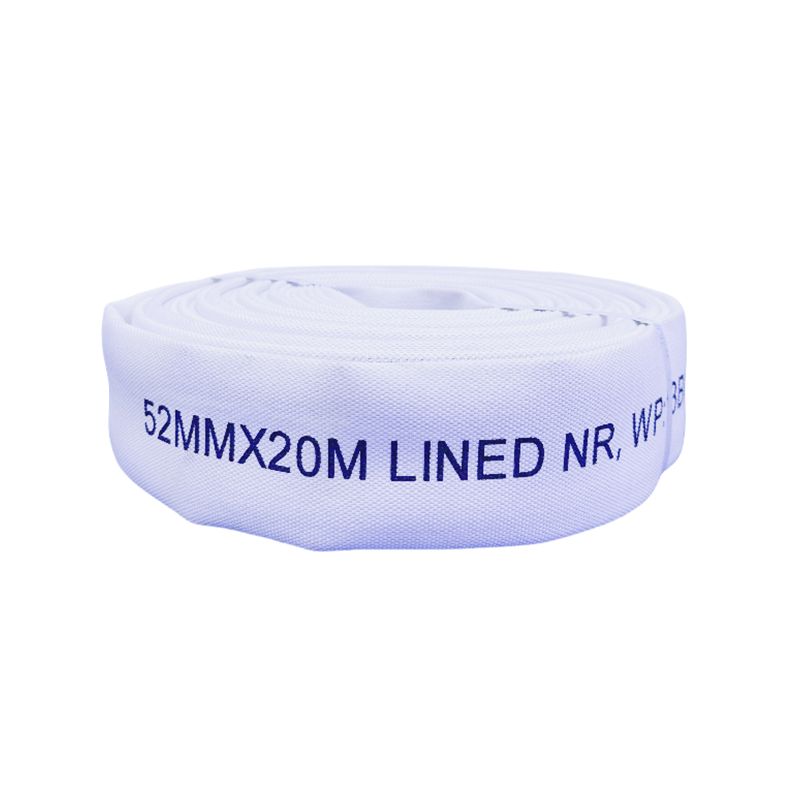 Wholesale Canvas Hose For Fire Extinguishing/Agricultural IrrigationTaizhou Jun'an Fire Technology Co., Ltd. Is China Wholesale Canvas Hose Suppliers, Exporter, Our Canvas Hose Is Mainly Used For Fire Figh...View Product →
What Is a PVC Suction Hose?
A PVC suction hose is a heavier, round-profile hose with an embedded helix wire or PVC spiral. The helix prevents the hose from collapsing under vacuum and allows it to withstand the external pressure created when a pump pulls water through the intake line. Suction hoses are used on the inlet side of pumps, where the pressure inside the hose is lower than atmospheric pressure.
In addition to vacuum resistance, suction hoses have thicker walls to resist kinking and crushing. They can be used for light discharge duties as well, but their main job is to maintain a clear, round bore during suction lift. Common applications include pump suction lines for agriculture, sewage handling, dredging, and transfer of water from tankers, ponds, or wells.
PVC Flat Hose vs PVC Suction Hose: Key Differences
Although both hoses are commonly made from PVC, they serve opposite roles in a fluid transfer system. The table below summarizes the practical differences you should consider before making a purchase.
| Property | PVC Flat Hose Pipe | PVC Suction Hose |
|---|---|---|
| Construction | Fabric-reinforced, no helix, collapsible | Helix wire or PVC spiral embedded in thick wall |
| Vacuum resistance | None or very little; collapses under negative pressure | Designed for full or partial vacuum, up to approximately -0.8 bar |
| Working pressure | Typically 6–10 bar discharge | Discharge rating varies, often lower than layflat; vacuum rating is the key spec |
| Weight | Light, easy to carry and store | Heavy due to helix and thicker wall |
| Flexibility | Very flexible and rolls flat | Flexible but retains round shape; less compact |
| Cost per meter | Lower | Higher |
| Typical applications | Irrigation, dewatering outlet, fire lines, water transfer | Pump suction lines, sewage, dredging, flooded intake lines |
Construction and Collapse Resistance
The single most important difference is the helix. A PVC flat hose has a smooth inner and outer surface with only textile reinforcement. Under vacuum, atmospheric pressure crushes the hose wall and the bore closes. A suction hose contains a rigid spiral that acts like a skeleton, holding the bore open even when the internal pressure drops to near vacuum. If you see a flat hose with a metal or PVC spiral strip, it is not a layflat hose; it is a suction hose.
Pressure and Flexibility
Flat hoses excel at discharge because the fabric resists hoop stress and burst. Suction hoses are designed to resist collapse, but their pressure ratings are often lower than those of a good layflat hose. In a system that requires both suction and long-distance discharge, you may need two different hoses: one on the inlet side and one on the outlet side. Trying to save money by using a suction hose for discharge, or a flat hose for suction, usually leads to premature failure.
Cost and Application Fit
PVC flat hose pipes are less expensive and take up less warehouse space. That makes them attractive for seasonal irrigation or temporary transfer lines. Suction hoses cost more because of the additional materials and heavier construction. For permanent pump stations or high-duty cycles, the higher cost is justified because a suction hose prevents downtime and pump damage.
Why You Should Not Use a PVC Flat Hose for Suction
The most common mistake is installing a PVC layflat hose on the suction side of a self-priming pump. As soon as the pump creates a vacuum, the hose collapses. The result is not just a stopped water flow; the pump runs dry, seals overheat, and the impeller may cavitate. In extreme cases, a collapsed hose can burst at the point where the fabric separates.
A flat hose should only be used for suction when the lift is zero and the water is fed to the pump by gravity, which is a flooded suction condition. Even then, a normal layflat hose is not recommended because any slight negative pressure from a partially blocked intake will cause collapse. For reliable suction lift, choose a hose that is explicitly rated for vacuum service.
How to Choose the Right Hose for Your Pump System
Before selecting a hose, identify where it will be installed relative to the pump. Answer these questions:
- Is the hose on the intake side or the discharge side of the pump?
- What is the suction lift in meters? A positive lift means vacuum will be present.
- What is the maximum working pressure of the pump outlet?
- Will the hose be dragged, stepped on, or exposed to sharp surfaces?
- Do you need to store the hose in a small space after use?
For discharge lines, a PVC layflat hose is usually the right choice. It is light, pressure-rated, and easy to handle. Use our PVC layflat hose sizing guide to match the correct internal diameter and pressure rating to your pump flow rate.
For suction lines, purchase a suction hose with a reinforcement helix and a vacuum rating that matches your pump’s lift. If you are still unsure, the general guidance in our article on choosing PVC layflat hoses explains how to balance pressure, capacity, and durability in practical terms.
A Note on Quality and Reinforcement
Not all PVC flat hoses are equal. The number of fabric layers, the denier of the polyester yarn, the thickness of the PVC coating, and the quality of the seam all affect burst pressure and service life. A hose with a lower working pressure may look similar but will fail sooner under cyclic pressure or when dragged over rough ground.
If you are buying in bulk, ask for a test certificate or a sample length before committing. For a deeper understanding of how PVC layflat hoses are constructed and compared, read our comprehensive guide on PVC layflat hose uses and maintenance. Also check the temperature range and UV stability if the hose will stay outdoors for long periods.
Final Recommendation
Use a PVC flat hose pipe for discharge and a PVC suction hose for suction. Do not rely on a flat hose to hold vacuum. If you need one hose that can handle both moderate suction and discharge, look for a reinforced PVC suction-and-discharge hose with a helix, not a standard layflat. When in doubt, put the suction hose on the intake side and the cheaper flat hose on the outlet side. That combination will protect your pump, keep the water flowing, and save you from a very flat, very frustrating hose.