en
en
 عربى
عربى

Content
- 1 Match the Test Sequence to the Duty
- 2 Visual Inspection: Surface, Folds, and Bore
- 3 Dimensional Checks: Wall Thickness, Diameter, and Length
- 4 Hydrostatic and Burst Pressure Testing
- 5 Material, Reinforcement, and Flexibility
- 6 Couplings and Connection Fit
- 7 Documentation and Batch Traceability
- 8 Practical Sampling Plan for Incoming Inspection
Match the Test Sequence to the Duty
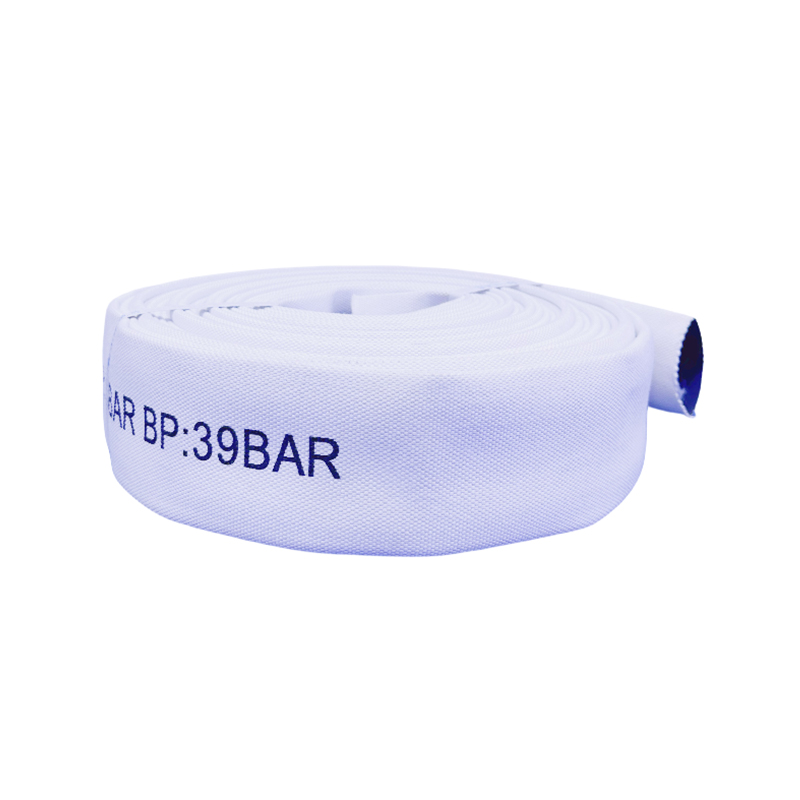
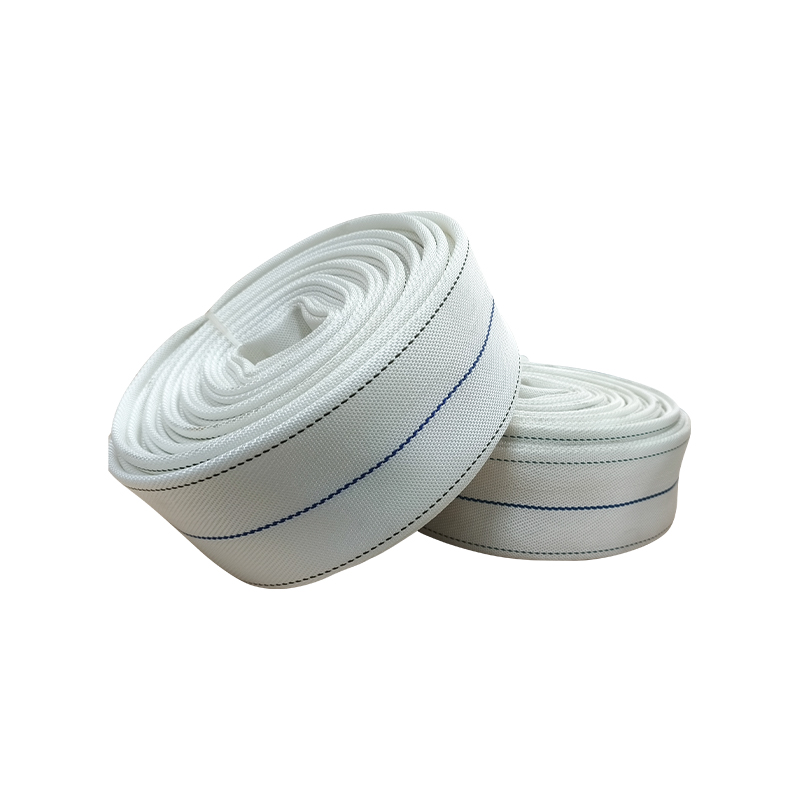
Imagine that 100 meters of PVC flat hose just arrived from a new supplier. The coil looks neat, the outer surface is glossy, and the price is attractive. But is that hose able to hold its rated pressure when the pump starts? You will not learn that by squeezing the coil or by reading the label.
In practice, a reliable quality test covers four areas: visual condition, dimensional accuracy, pressure performance, and material construction. Run these checks in order, and you will catch most bad batches before they reach the field.
Manufacturers divide testing into qualification, quality control, and assurance. You can apply the same logic: qualify a new supplier with a full batch test, repeat key checks on incoming coils, and periodically run an assurance test to catch drift in material quality.
Visual Inspection: Surface, Folds, and Bore
Start with the outside. Unroll a full sample length in good light and look for matte patches, black stripes, pinholes, blisters, or embedded particles. These are signs of uneven PVC compounding, poor plasticizer distribution, or contamination during extrusion. Matte areas are especially important because they often mean the outer layer will degrade faster under sunlight.
Surface defects you can catch without instruments
- Matte or dull patches on the cover
- Black stripes or color streaks
- Pinholes, blisters, or foreign particles
- Wrinkles or whitish stress marks along the fold lines
Fold and inner-wall condition
A PVC flat hose is folded flat for storage, so the fold area receives repeated mechanical stress. Run a finger along the fold line and look for cracks, whitening, or separation of the inner liner. Then open one end and inspect the bore. The inner wall should be smooth and free of bubbles, flaking, or rough texture. A rough bore increases friction loss and reduces flow in long hose runs.
Dimensional Checks: Wall Thickness, Diameter, and Length
A hose can look correct yet still be out of specification. Use a caliper or micrometer to measure wall thickness at several points around the circumference and along the length. For many layflat hoses, the common wall thickness tolerance is around ±0.2 mm, but confirm the values on the product data sheet. Uneven wall thickness creates weak spots and makes coupling fit unpredictable.
Wall thickness and inner diameter
Measure the inner diameter after opening the flat end, or use a go/no-go plug gauge. The measured diameter should match the stated nominal size, such as 1 inch, 2 inches, or 4 inches. Do not rely on the printed size alone; dimensional shrinkage after cooling can change the inside diameter by a noticeable fraction of a millimeter, so gauging is essential.
For a more detailed breakdown of usable diameters and typical tolerances, see our PVC layflat hose sizing guide.
Length and coil size
Measure delivered length on a flat surface without stretching the hose. A shortage of 1–2 percent on a 100-meter coil is a common problem and costs money over many orders. Check the actual end-to-end length, not just the label.
Hydrostatic and Burst Pressure Testing
Pressure testing is the core of any PVC flat hose quality check. Fill a sample completely with water, bleed out the air, and connect it to a pressure gauge and pump. Raise the pressure gradually to 1.5 times the rated working pressure and hold it for 30 seconds. The hose should show no leakage, swelling, droplet formation, or localized bulging.
Set up the test safely
Always test behind a protective barrier and keep the hose away from people. Air in the line turns a burst into a dangerous projectile, so purge it carefully. Secure one end, leave the other end accessible for connection, and increase pressure in small steps.
Interpreting the result
For a reinforced PVC layflat hose, a burst pressure of at least 2.5 times the working pressure is a common design ratio. If the sample fails below that ratio, the reinforcement layer is probably undersized or the PVC compound has degraded. To put this in context, many agricultural PVC flat hoses are rated at a minimum working pressure of 0.6 MPa. A 1.5 times hold would mean 0.9 MPa, and a burst sample should not fail below 1.5 MPa on a reinforced design.
In our production facility, we run a destructive burst test on samples from each material lot, but buyers can request the same test during a factory audit. You can also compare typical pressure ratings in our lay flat water hose pressure and durability guide.
Material, Reinforcement, and Flexibility
Two hoses can look identical but behave differently after a year in service. The difference is in the PVC compound and the reinforcing fabric. Look at a freshly cut end and examine the yarn layer: yarns should be uniform, tightly packed, and completely covered by the outer PVC. Exposed or loose yarns mean the cover is thin and abrasion resistance will be poor.
Liner-to-fabric adhesion
Try to separate the inner liner from the fabric by hand at the cut end. A strong hose resists separation; a weak hose peels easily. Poor adhesion allows the liner to collapse or move during bending. In our PVC lined layflat hose, the liner is fused to the reinforcement in the same production pass so that this weak point is controlled before packing.
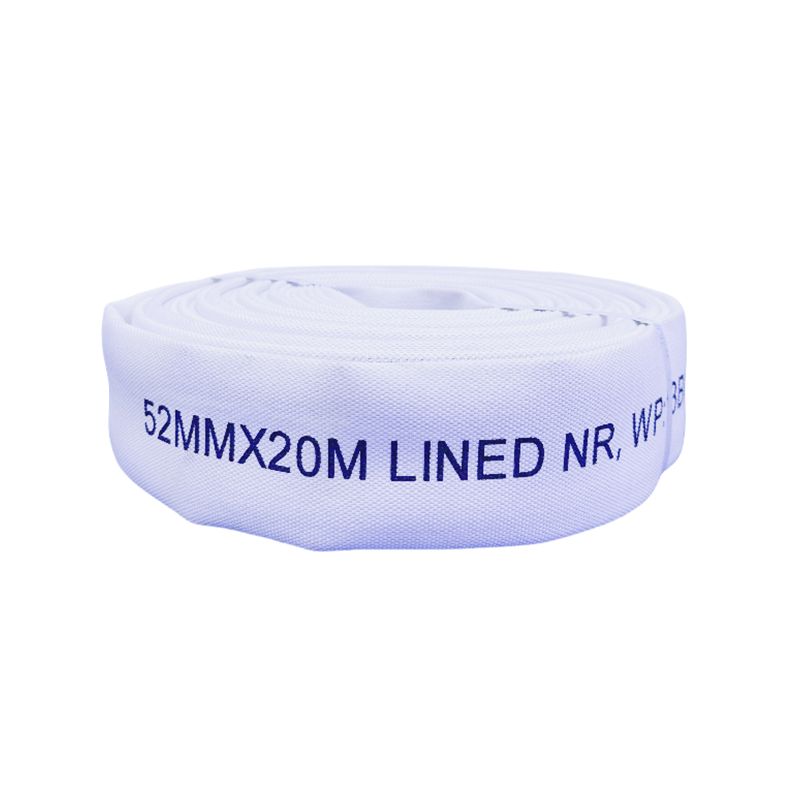 Wholesale Canvas Hose For Fire Extinguishing/Agricultural IrrigationTaizhou Jun'an Fire Technology Co., Ltd. Is China Wholesale Canvas Hose Suppliers, Exporter, Our Canvas Hose Is Mainly Used For Fire Figh...View Product →
Bend and cold-temperature behavior
Cut a short section and bend it 180 degrees around a pipe at room temperature. A quality hose should conform without kinking or cracking. If the hose will be used outdoors in winter, ask for low-temperature flexibility data or test the sample at the expected ambient temperature. Stiff PVC compounds crack at fold lines when the temperature drops.
Couplings and Connection Fit
The quality of a flat hose is only as good as its connection. A hose with a correct diameter and a coupling with a slightly larger spigot will leak, blow off, or fail under pressure. Check the coupling fit before crimping or clamping:
- Measure the coupling spigot diameter with a caliper.
- Insert the hose end into the coupling without forcing.
- For threaded or Storz connections, check the thread or lug type against a gauge.
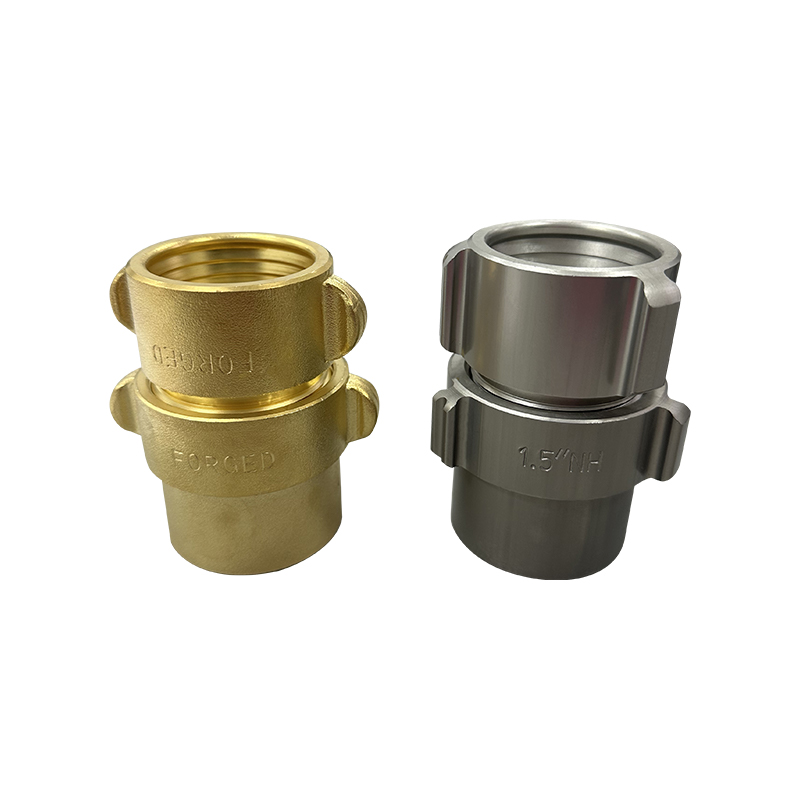
If your system uses fire-service connections, dimensionally matched Storz couplings reduce this fitting risk because the bore and shoulder dimensions are held to a tight tolerance.
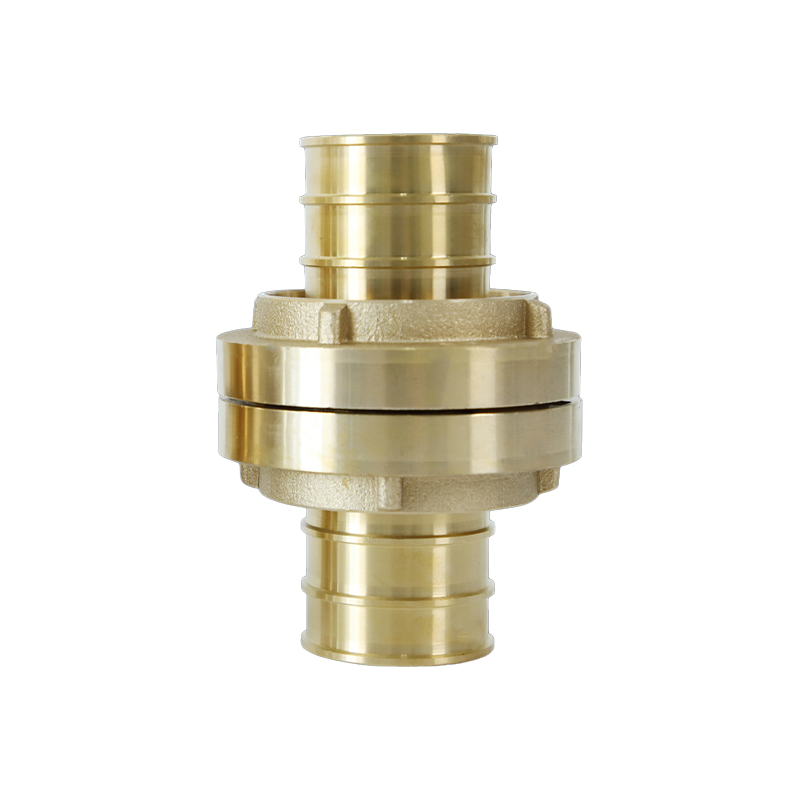 Wholesale Storz Couplings Fire Hose Connector Quick Release Camlock Fittings IndTaizhou Jun an Fire Technology Co., Ltd Is Wholesale Storz Couplings Fire Hose Connector Quick Release Camlock Fittings Industrial Suppli...View Product →
Documentation and Batch Traceability
A test result is only useful if it can be traced back to a specific batch. Before accepting a delivery, ask for a test certificate that includes working pressure, burst pressure, dimensions, and the production date. The hose itself should be marked with the manufacturer name, batch number, and pressure rating.
Check that the paperwork matches the physical product. A common shortcut is to read the label and skip the dimensional check, but printed information can be inaccurate. After you have verified a batch, follow the storage and care recommendations in our comprehensive PVC layflat hose comparison and maintenance guide to avoid premature damage.
Practical Sampling Plan for Incoming Inspection
Use the table below as a simple starting point. The exact sample size and pressure multiplier should match the application and the supplier's specifications.
| Check | Tool | Sample size | Basic acceptance |
|---|---|---|---|
| Visual | Naked eye + hand light | 5 rolls per batch | No matte patches, pinholes, black stripes, or fold cracks |
| Dimensional | Caliper / micrometer | 3 samples per batch | Wall thickness and inside diameter within stated tolerance |
| Pressure hold | Water pump, gauge, barrier | 1 sample per batch | No leakage at 1.5x rated working pressure for 30 s |
| Burst test | Destructive pressure rig | 1 sample per lot | Burst at least 2.5x rated working pressure |
| Coupling fit | Coupling gauge | Each hose end | Smooth insertion, no gap or forcing |