en
en
 عربى
عربى

Content
- 1 What Can Be Customized in a PVC Flat Hose
- 2 PVC vs TPU vs EPDM vs Rubber: Material Selection for Industrial Duty
- 3 Industrial Applications That Push Flat Hose Specifications
- 4 Step-by-Step: How to Write a Custom PVC Flat Hose Specification
- 5 Qualifying a Custom Flat Hose Manufacturer
- 6 Frequently Asked Questions
A copper mine in northern Chile lost a 6-inch water line twice in one season because the stock layflat hose was built for irrigation, not for abrasive mine water. The replacement order specified a heavier PVC wall, a two-ply polyester reinforcement, and pre-fitted Storz couplings. That order was a custom PVC flat hose solution.
A custom PVC flat hose pipe is engineered around a duty cycle, not pulled off a warehouse rack. The manufacturer adjusts the polymer recipe, reinforcement, diameter, length, color, and end fittings so the hose matches the pressure, temperature, abrasion, and chemical exposure of the job. This article covers what can be customized, how PVC compares with other materials, and how to write a specification a factory can quote accurately.
What Can Be Customized in a PVC Flat Hose
Every mechanical and chemical property of a PVC flat hose can be adjusted through five levers: polymer formulation, reinforcement layers, bore size, reel length, and end fittings.
A PVC layflat hose is a collapsible transfer hose built from a PVC inner and outer layer bonded to a square-mesh polyester reinforcement. The fabric carries the pressure; the PVC layer contains the fluid and protects the fabric.
Plasticizer content sets low-temperature flexibility; stabilizers set UV and ozone life.
Fabric plies determine pressure. The same 4-inch bore can be built for 4 bar or more than 20 bar.
Diameter drives flow; wall thickness trades weight against crush and abrasion resistance.
50 m and 100 m reels are standard; longer continuous lengths reduce joints in a line.
Blue for water, red for fire, plus printed pressure ratings, production dates, and logos.
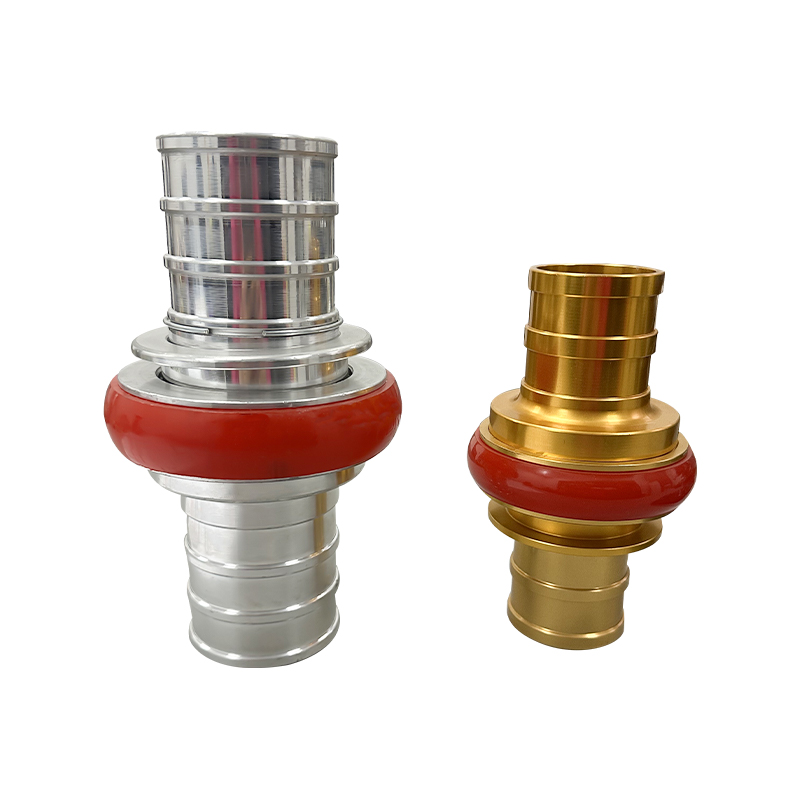
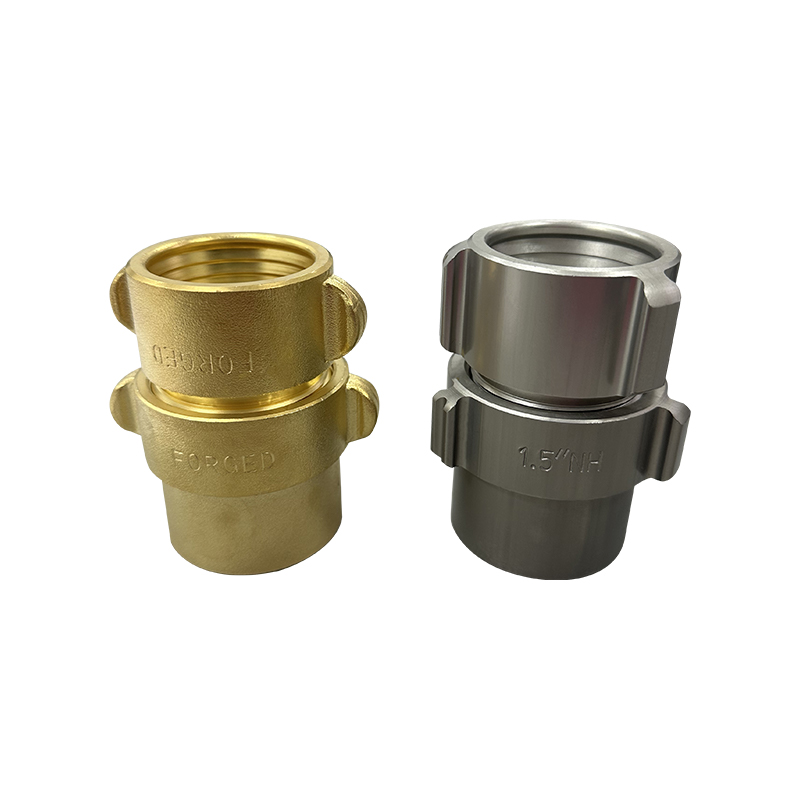
Storz, camlock, threaded, and flange options are installed at the factory.
PVC vs TPU vs EPDM vs Rubber: Material Selection for Industrial Duty
PVC wins on cost and weight for clean water applications, while TPU, EPDM, and synthetic rubber become justified when abrasion, temperature, or outdoor exposure is the dominant failure risk.
| Material | Working pressure | Abrasion resistance | UV and weather | Relative cost | Best-fit duty |
| PVC layflat | 4 to 25 bar | Good | Good with stabilizers | Lowest | Water, irrigation, light slurry |
| TPU layflat | 6 to 25 bar | Excellent | Good | Mid to high | Abrasive slurry, low-temperature duty |
| EPDM layflat | 6 to 20 bar | Good | Excellent | Mid | Long-term outdoor and fire ground use |
| Synthetic rubber | 8 to 28 bar | Excellent | Good | Highest | High-pressure discharge, heavy fire duty |
Reference values depend on fabric density and pressure rating; confirm the actual coil weight with the manufacturer.
Choose PVC when water stays below roughly 60 degrees Celsius, the fluid is not a strong solvent, cost matters more than maximum abrasion life, and low weight simplifies handling. Diameter affects flow most of all; the PVC layflat hose sizing guide covers flow-to-bore calculations in practical terms.
- Water temperature below 60 degrees Celsius in continuous duty.
- Fluid is clean water, runoff, or mildly abrasive slurry.
- Weight and storage space are procurement priorities.
- Fittings must match existing fire or irrigation hardware.
Industrial Applications That Push Flat Hose Specifications
Mining dewatering, irrigation, fire protection, construction water supply, and emergency flood response each place different demands on a PVC flat hose, so each duty ends up with a different specification.
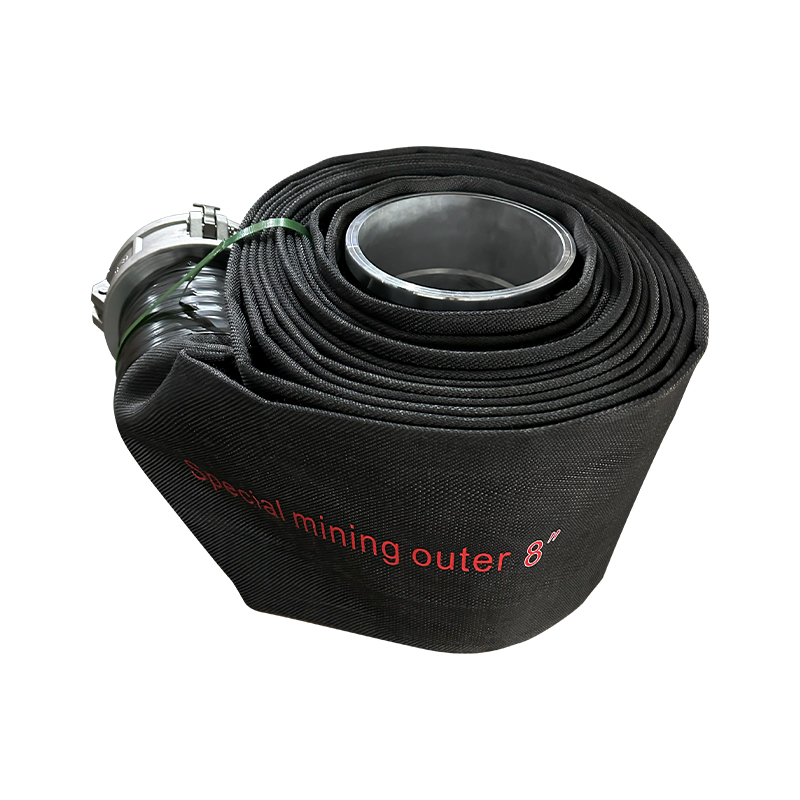
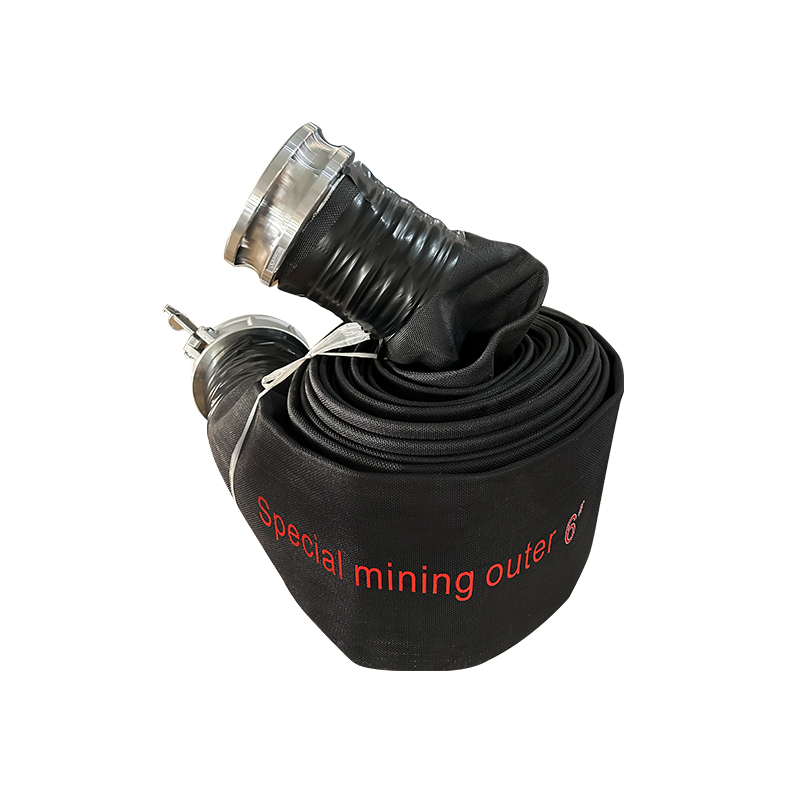
- Mining dewatering moves water with suspended solids, drags over rock, and connects to high-flow pumps. Operators choose thicker walls and factory-fitted Storz ends; for severe abrasive duty they use a dedicated special mining outer dewatering hose
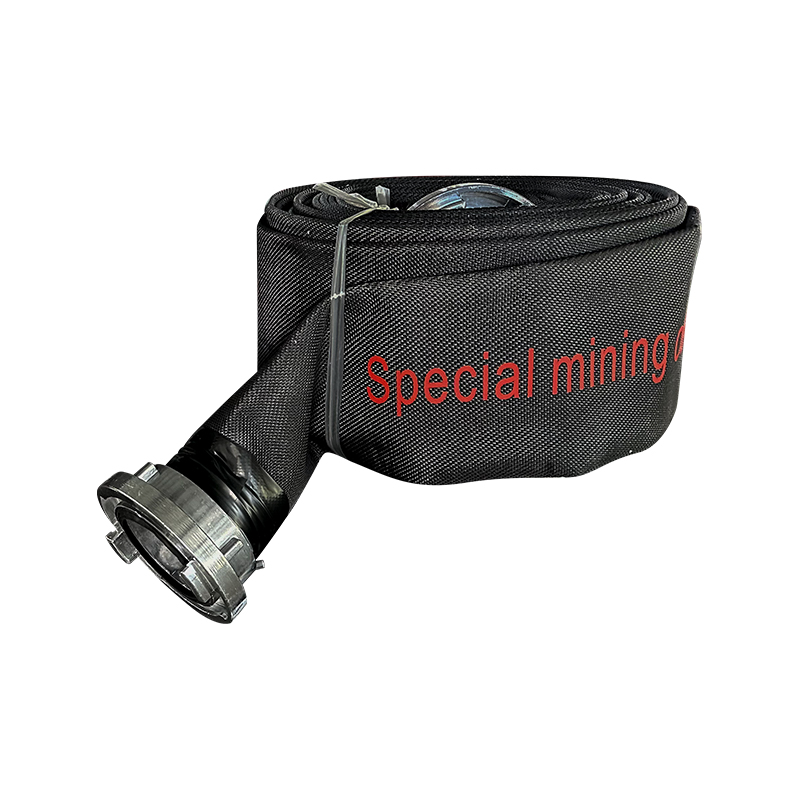 Custom Special Mining Outer Dewatering Hose Manufacturers, FactoryTaizhou Jun an Fire Technology Co., Ltd Is China Special Mining Outer Dewatering Hose Manufacturers and Special Mining Outer Dewatering H...View Product → built for external drainage lines.
 - Agricultural irrigation favors large bores, light reels, and UV-stabilized polymer because the hose spends months in the field and must be rolled and stored repeatedly.
- Fire protection demands pressure margins and fitting discipline. Fire-service buyers often select a PVC lined industrial fire hose
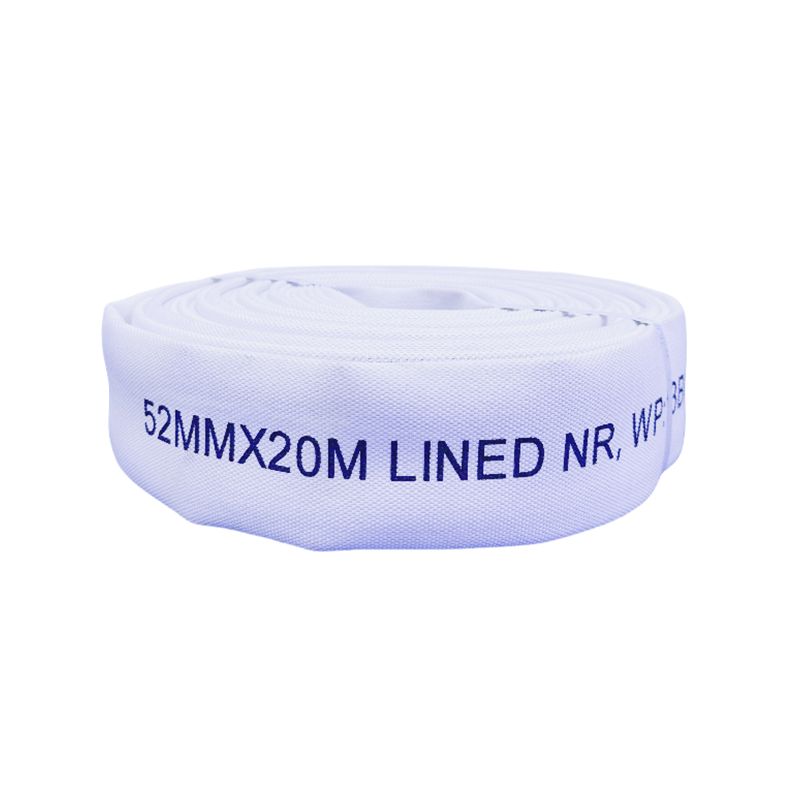 Wholesale Canvas Hose For Fire Extinguishing/Agricultural IrrigationTaizhou Jun'an Fire Technology Co., Ltd. Is China Wholesale Canvas Hose Suppliers, Exporter, Our Canvas Hose Is Mainly Used For Fire Figh...View Product → variant that keeps pumping losses low while meeting the weight and coupling expectations of the local brigade.
 - Construction and municipal water supply need puncture resistance, weather tolerance, and fast coupling because the line is moved, stepped on, and reconnected daily.
- Flood and emergency response need light, foldable hose that deploys quickly and keeps flexibility in cool weather.
Step-by-Step: How to Write a Custom PVC Flat Hose Specification
A factory can quote a custom PVC flat hose in hours when the specification is complete; a vague inquiry produces a generic quote that misses the duty.
Define the fluid and temperature
Water, slurry, or chemicals change the polymer grade and plasticizer system.
Set working and test pressure
Include pump surge and water hammer; the test value is normally 1.5 times the working pressure.
Choose the bore from flow rate
Keep water velocity below roughly 5 meters per second. A 4-inch hose at 4 meters per second delivers about 1.9 cubic meters per minute.
Select the end fittings
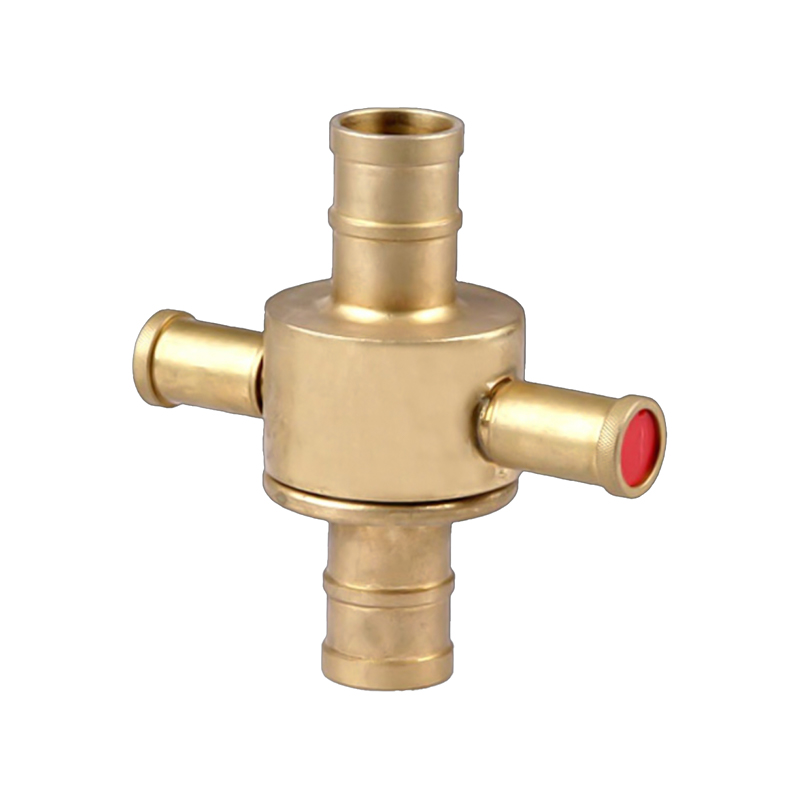
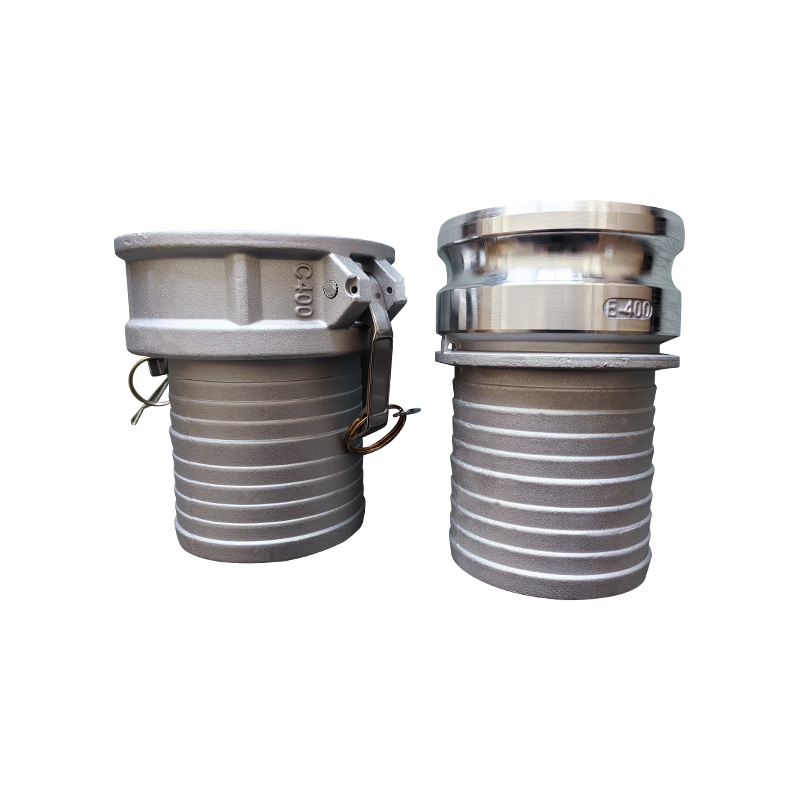
Factory-installed Storz couplings, camlock, threaded, or flange connections remove field failure points and speed connection.
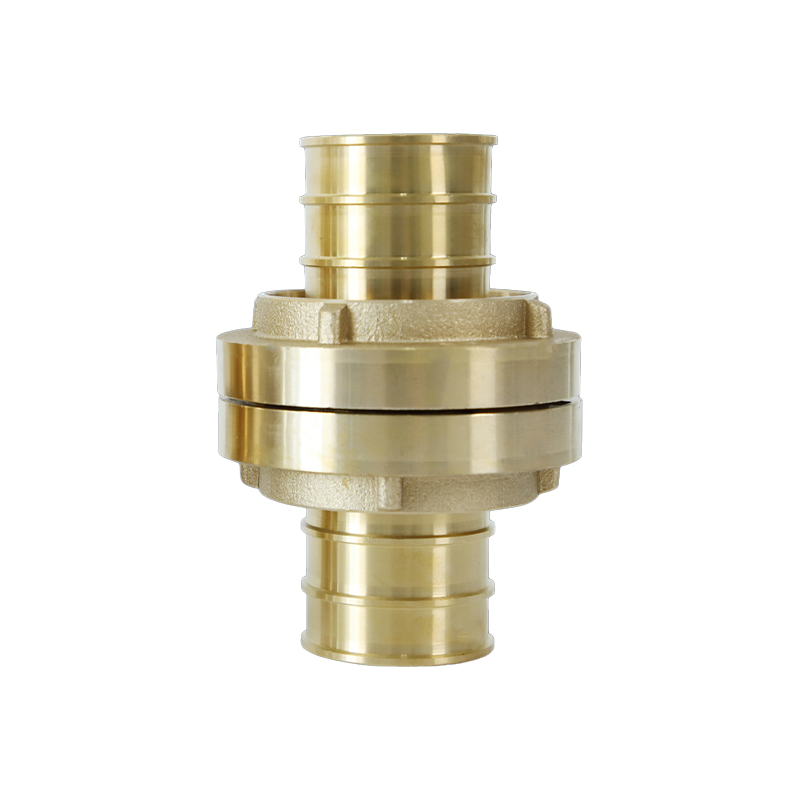 Wholesale Storz Couplings Fire Hose Connector Quick Release Camlock Fittings IndTaizhou Jun an Fire Technology Co., Ltd Is Wholesale Storz Couplings Fire Hose Connector Quick Release Camlock Fittings Industrial Suppli...View Product →
State the environment and marking
Include UV exposure, abrasion, storage conditions, printing, and certification. Review the pressure and capacity considerations for choosing a PVC layflat hose before finalizing the document.
Qualifying a Custom Flat Hose Manufacturer
Buy from a direct manufacturer when you need repeatable specifications, consistent color, branded printing, and fast responses on revisions.
Taizhou Jun'an Fire Technology Co., Ltd. is a direct manufacturer of PVC, TPU, EPDM, and rubber lined fire hoses, layflat hoses, and emergency equipment. The company runs its own production lines and export department, supports OEM and ODM programs, and manufactures couplings for American, Storz, GOST, Guilemin, Italian, BS, and Machino standards. The plant sits near Shanghai, simplifying export to Europe, the Americas, and the Middle East.
- In-house production: confirm whether the supplier extrudes and weaves or simply resells imported rolls.
- OEM and ODM records: validate private-label capacity, custom printing, and sample-based development.
- Coupling compatibility: multi-standard fitting stock shortens lead times and reduces mismatches.
- Testing discipline: pressure test records and burst safety margins should be documented per batch.
- Response speed: a direct producer with an export desk answers a detailed inquiry within one working day.
Frequently Asked Questions
How long does a custom PVC flat hose last in industrial service?
Service life ranges from 2 to 3 years in continuous outdoor use to 5 years or more with indoor storage. The main factors are plasticizer stability, fabric quality, and dragging over abrasive surfaces. The PVC layflat hose maintenance guide lists storage practices that extend life.
Can a PVC flat hose handle hot water or aggressive chemicals?
Continuous operating temperature is typically up to 60 degrees Celsius. PVC is not suitable for hydrocarbons, strong solvents, or concentrated acids; use EPDM or rubber constructions for those fluids.
Which end fittings are available for custom PVC flat hose?
Storz, camlock, threaded, and flange couplings can be factory-installed by banding or vulcanizing. The fitting must match the hose pressure class so the joint is not the weakest point in the line.
How do I calculate the right diameter for a PVC flat hose?
Keep water velocity below roughly 5 meters per second. At 4 meters per second, a 4-inch hose moves about 1.9 cubic meters per minute; larger bores flow proportionally at the same velocity.