en
en
 عربى
عربى

Content
- 1 The Material Advantage of TPU in Arctic Conditions
- 2 Preventing Delamination Through Advanced Bonding
- 3 Applications in High-Pressure and Emergency Rescue
- 4 Technical Specification: TPU vs. PVC/Rubber in Cold Climates
- 5 Why Choose Taizhou Jun'an Fire Technology?
- 6 Hardcore Technical FAQ
- 7 Technical References
The Material Advantage of TPU in Arctic Conditions
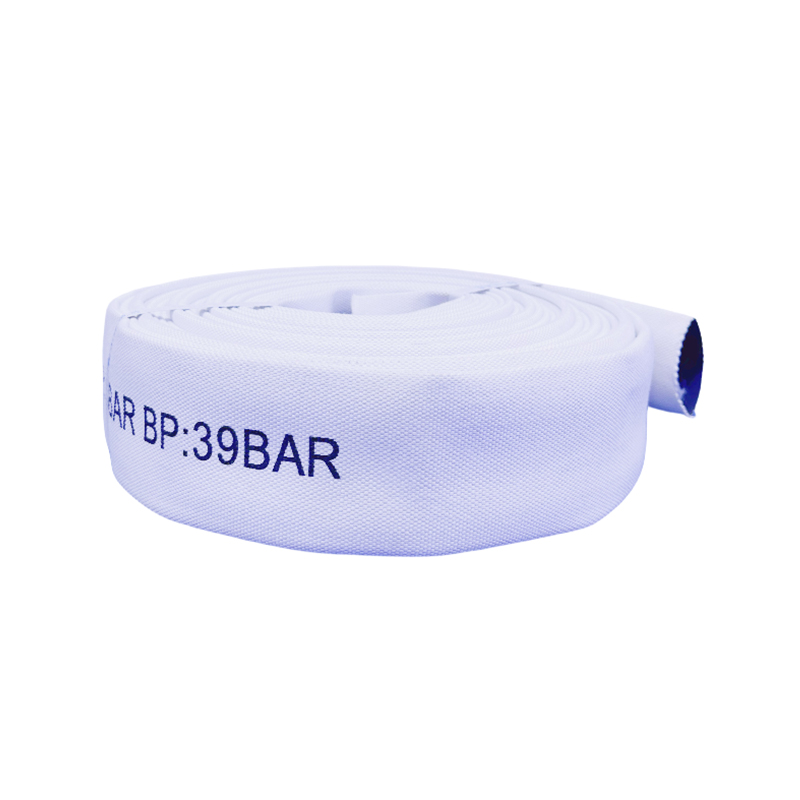
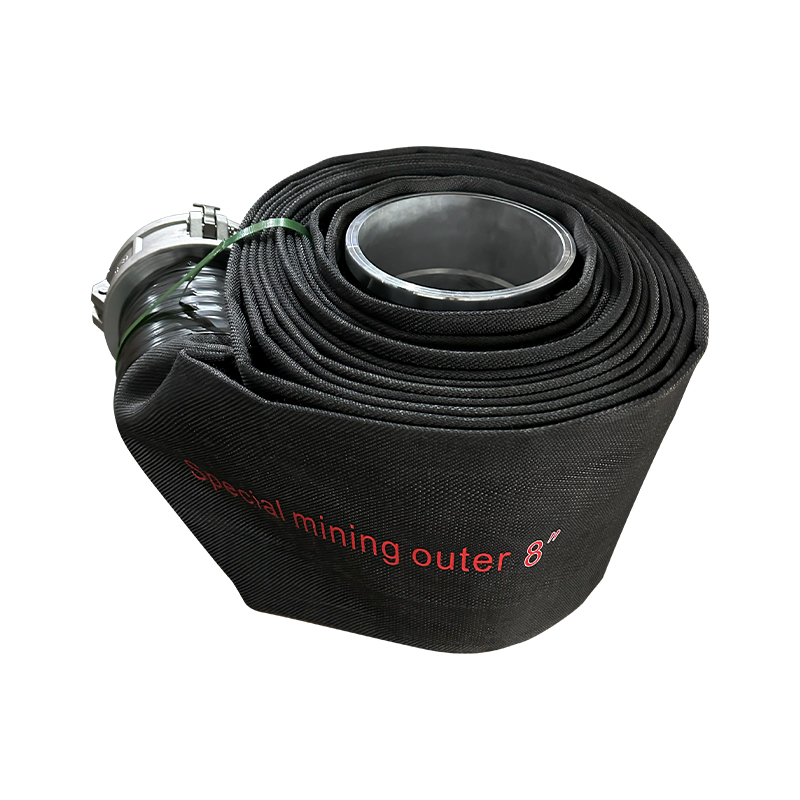
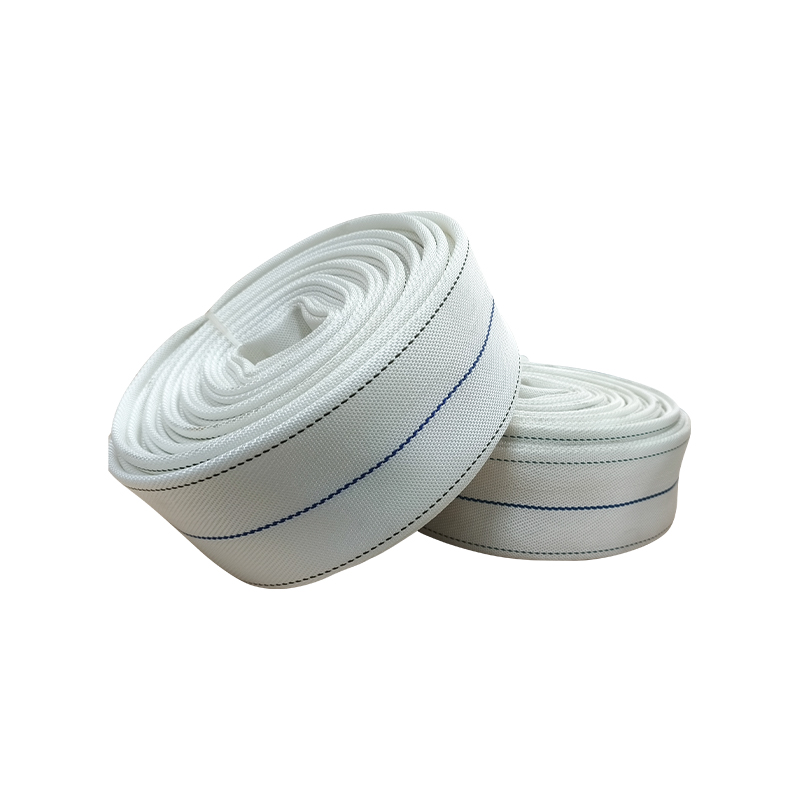
- Extreme Low-Temperature Flexibility: Unlike traditional PVC or standard rubber, Thermoplastic Polyurethane (TPU) is an elastomer known for its exceptionally low glass transition temperature. A high-quality TPU lay flat hose remains pliable at temperatures as low as -50°C, ensuring that emergency rescue or agricultural irrigation can proceed in the most severe winter environments without the material becoming "glass-brittle."
- Resistance to Thermal Cracking: Cracking occurs in lower-grade materials when the polymer chains lose mobility and snap under mechanical stress. The molecular structure of TPU used by Jun'an Fire Tech is engineered to retain its elastic memory, allowing the hose to be deployed and recoiled repeatedly in sub-zero conditions without surface fracturing.
- Strategic Manufacturing Location: Taizhou Jun'an Fire Technology Co., Ltd. is located adjacent to Shanghai, the world's largest trading port. This proximity facilitates the rapid global export of our specialized cold-resistant fire hoses and emergency equipment.
Preventing Delamination Through Advanced Bonding
- Co-Extrusion and Molecular Bonding: The primary risk at extreme temperatures is the separation of the inner lining from the textile reinforcement (delamination). Our TPU lay flat hose utilizes a high-tenacity polyester jacket and a "through-the-weave" extrusion process or advanced adhesive bonding that fuses the PU lining to the jacket. This ensures that the differential thermal contraction between the fabric and the elastomer does not compromise the bond.
- Professional Design and Engineering: Our team of senior technical designers has developed TPU-lined hoses that fully absorb the advantages of international fire-fighting standards. By optimizing the PU lining thickness and reinforcement weave density, we minimize the internal stresses that typically lead to delamination.
- Modern Production Standards: With modern and advanced production equipment, Jun'an Fire Tech provides OEM and ODM services to meet specific regional requirements, including specialized certifications for high-latitude utility and fire-fighting applications.
Applications in High-Pressure and Emergency Rescue
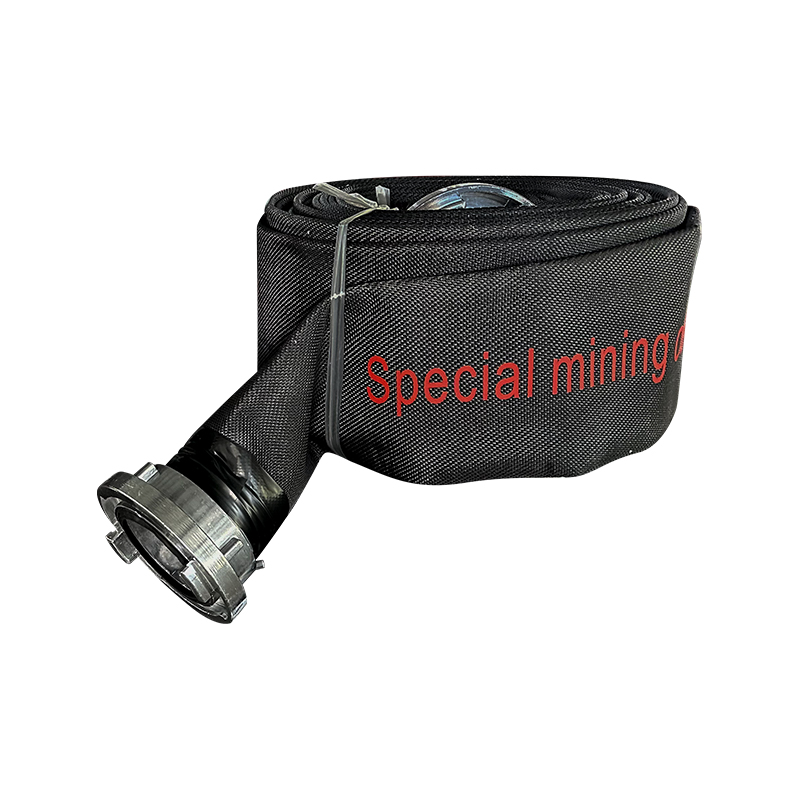
- Multi-Sector Reliability: Whether used as an agricultural hose for winter manure injection or as a fire hose for arctic emergency response, TPU's abrasion resistance and oil resistance remain superior to alternative materials. The smooth internal lining ensures high flow rates (low friction loss), which is critical when water viscosity increases slightly in cold temperatures.
- Long-Term Business Partnerships: With reasonable prices and high-quality products, we have won the trust of customers worldwide. Our commitment to high-quality after-sales service ensures that your investment in extreme-weather equipment is supported throughout its service life.
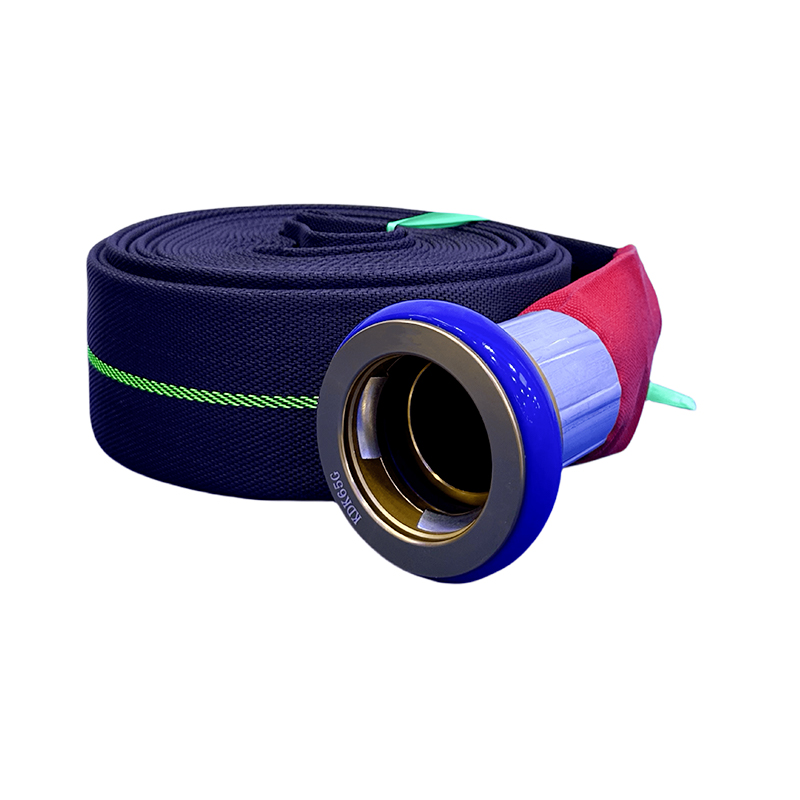
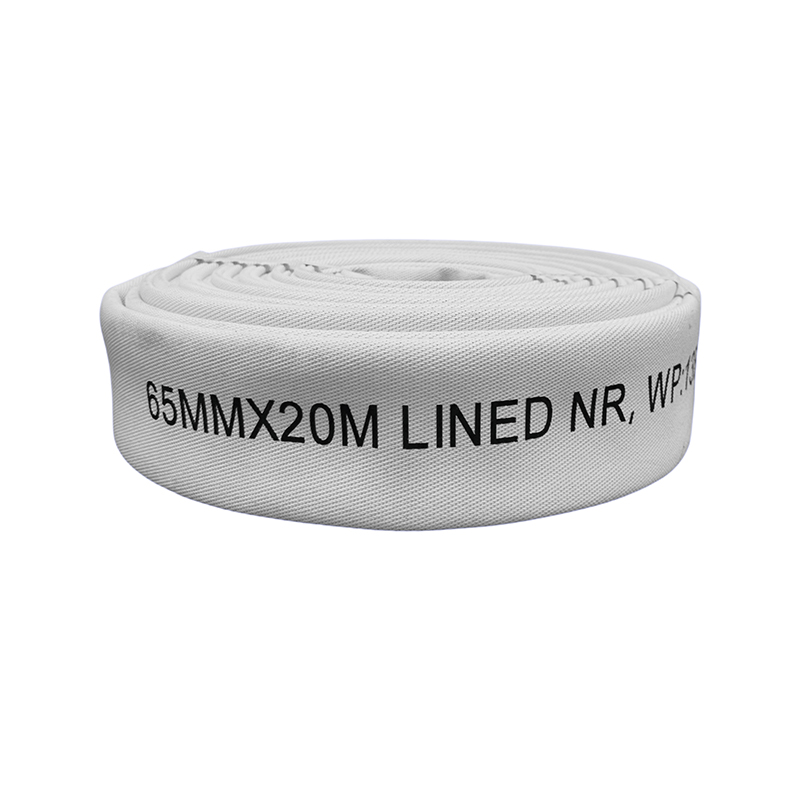
- Comprehensive Fire Solutions: Beyond lay flat hoses, Jun'an Fire Tech designs and manufactures rubber, PVC, and PU lined fire hoses, providing a diversified portfolio for domestic and foreign emergency rescue teams.
Technical Specification: TPU vs. PVC/Rubber in Cold Climates
| Performance Metric | PVC Lay Flat Hose | Nitrile Rubber Hose | Jun'an TPU Lay Flat Hose |
| Minimum Operating Temp | -10°C to -20°C | -30°C to -35°C | -50°C (Certified) |
| Flexibility at -40°C | Rigid / Unusable | Stiff | Highly Flexible |
| Risk of Cracking | Very High | Moderate | Extremely Low |
| Weight (Per Meter) | Moderate | Heavy | Lightweight / Ultra-Portable |
| Abrasion Resistance | Low | High | Excellent (Superior to Rubber) |
Why Choose Taizhou Jun'an Fire Technology?
- Specialized Expertise: We specialize in the production of fire hoses and emergency rescue equipment, gathering a group of senior technical professionals to ensure our products stand up to real-world crises.
- Global Export Capability: Being near Shanghai allows for efficient logistics and shorter lead times for international orders, ensuring your emergency inventory is always topped up.
- Dedicated R&D: We continuously iterate our designs by absorbing the advantages of global fire-fighting products, ensuring that our TPU lay flat hose remains a leader in high-performance fluid transfer.
Hardcore Technical FAQ
- Will the hose become "oval" or kinked if stored at -50°C?: Due to the high elastic recovery of TPU, the hose resists permanent deformation (kinking) even after long-term storage in a flattened state at low temperatures.
- Does TPU degrade in UV light while used in the sun?: Our TPU formulations include UV stabilizers to prevent the yellowing or degradation that can occur during high-altitude or summer use, making it a true all-season hose.
- Can this hose handle hot water discharge?: Yes. While it excels at -50°C, TPU is also stable at higher temperatures (up to 80°C), making it suitable for certain industrial hot water transfer applications.
- How do you test for delamination?: We perform adhesion peel tests in accordance with international fire hose standards (such as EN 14540 or BS 6391) both at room temperature and after extreme cold soak.
- What is the typical working pressure?: Depending on the reinforcement jacket, our TPU lined hoses can handle working pressures from 15 bar (217 psi) to over 40 bar (580 psi).
Technical References
- ISO 14557: Fire-fighting hoses — Rubber and plastics suction hoses and hose assemblies.
- NFPA 1961: Standard on Fire Hose (Technical requirements for liners and reinforcement).
- ASTM D2137: Standard Test Methods for Rubber Property—Brittleness Point of Flexible Polymers and Coated Fabrics.