en
en
 عربى
عربى

Content
- 1 Compound Reformulation Is the Engine of PVC Hose Innovation
- 2 Smart Hoses Put Data on the Water Line
- 3 Lightweight Construction Pushes PVC into Higher Pressure Classes
- 4 Circular-Economy Rules Reshape PVC Hose Procurement
- 5 Interoperable Couplings Decide Whether New Hose Technology Reaches the Field
- 6 PVC Hose Pipe Technology Questions Buyers Ask
Municipal fire services, mining contractors, and agricultural buyers in Germany, Denmark, and North America no longer purchase PVC hose pipe on price alone. Their specifications now demand non-phthalate compounds, traceable production batches, RFID-tagged assets, and burst margins that commodity garden-hose constructions cannot deliver. PVC hose pipe technology is splitting into two tiers: price-driven commodity lines and engineered, future-proofed systems built for pressure, data, and end-of-life compliance.
Compound Reformulation Is the Engine of PVC Hose Innovation
Compound reformulation, not extrusion speed or wall thickness, drives most of the measurable performance gains in PVC hose pipe technology over the next five years.
Regulation is the catalyst. The EU REACH regulation and the RoHS directive have pushed hose producers away from phthalate plasticizers such as DEHP and away from lead-based stabilizers. In their place, specifiers now find DOTP and DINP plasticizers combined with calcium-zinc stabilizers, UV absorbers, and hindered amine light stabilizers. These systems lower the brittle point to roughly -15 °C, reduce plasticizer migration in warm water service, and slow the surface whitening and cracking that once appeared after two seasons of outdoor irrigation.
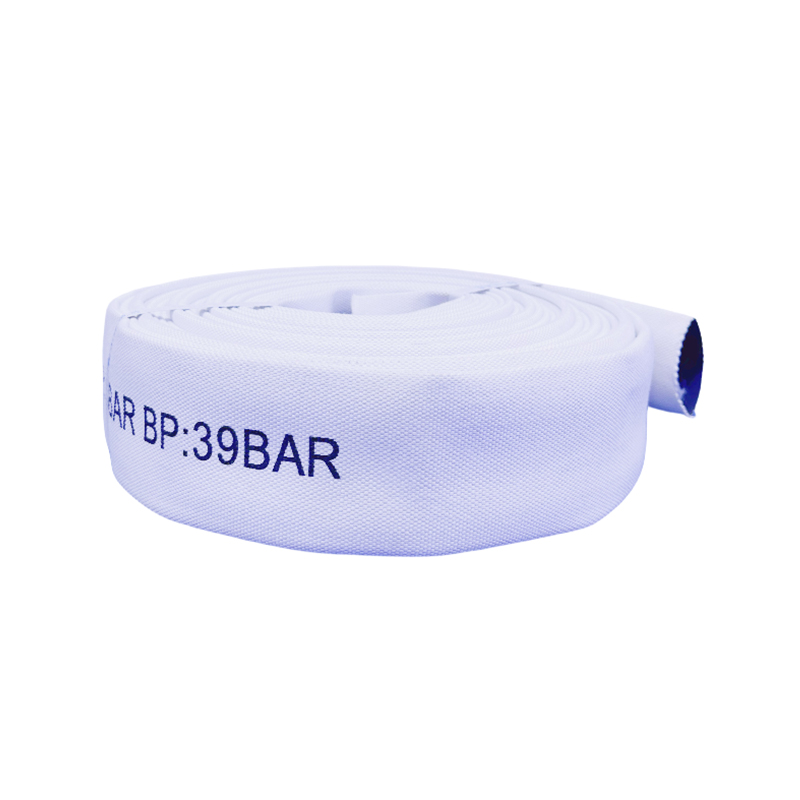
For a manufacturer such as Taizhou Jun'an Fire Technology Co., Ltd., compound selection now determines which export markets a hose can enter. A PVC-lined layflat hose built with a compliant compound keeps its flexibility in cold weather and still passes chemical safety screening. Buyers should request the plasticizer type, stabilizer package, and UV stabilization level in writing on every inquiry.
Core concept
A modern PVC hose compound is a balanced blend of suspension-grade PVC resin, non-phthalate plasticizers, calcium-zinc stabilizers, UV absorbers, and processing aids, formulated to pass chemical safety regulations without sacrificing flex fatigue life.
Irrigation contractors should treat UV-stabilized grades as the default rather than the premium, because one season of intense sun degrades unstabilized PVC and embrittles the jacket. For pressure-critical fire and industrial duties, pair a stabilized PVC-lined fire hose designed for pressure-critical applications with a correctly matched coupling and a documented test protocol. That combination is the lowest-risk entry point into the new PVC specification environment.
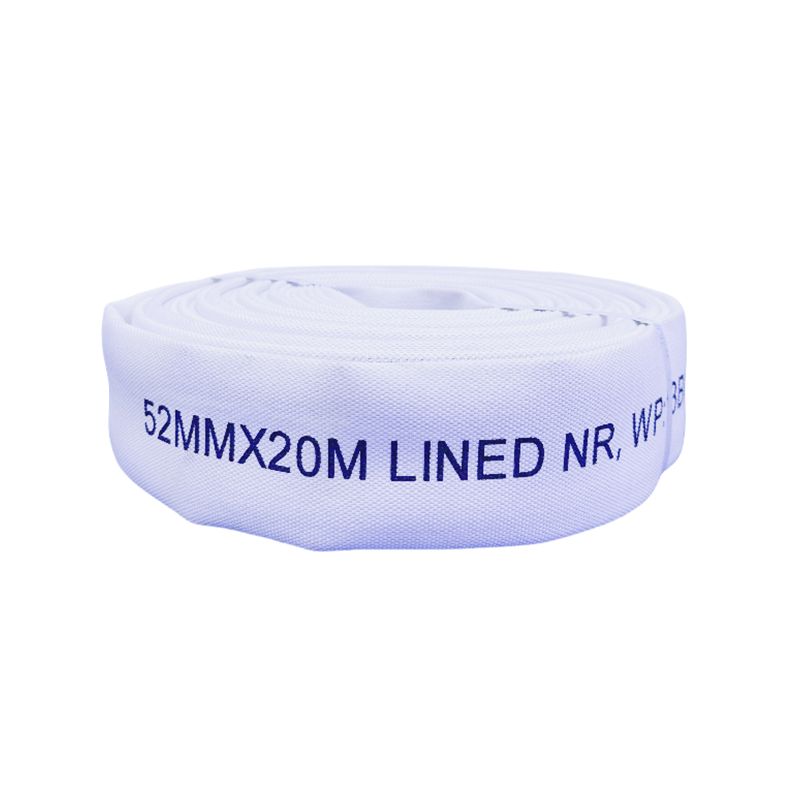 Wholesale Canvas Hose For Fire Extinguishing/Agricultural IrrigationTaizhou Jun'an Fire Technology Co., Ltd. Is China Wholesale Canvas Hose Suppliers, Exporter, Our Canvas Hose Is Mainly Used For Fire Figh...View Product →
Smart Hoses Put Data on the Water Line
Embedded sensing, RFID tagging, and digital maintenance records are moving from pilot projects into standard PVC hose pipe specifications for municipal and industrial operators.
Municipal fire departments use RFID tags laminated into the hose jacket to track inspection dates and deployment cycles, replacing paper logs that fail in wet field conditions. Mining operators fit pressure and temperature sensors into inline couplings to monitor dewatering lines that can run hundreds of meters from the pump. Agricultural teams combine flow telemetry with layflat hose networks to measure water applied per irrigation block.
The buying consequence is a shift from time-based to condition-based replacement. A hose that records its own pressure history is removed from service when fatigue data justifies it, not after an arbitrary number of years. For large fleets, that reduces unexpected failures and lowers total ownership cost.
Data is the second skin of a modern hose line.
When evaluating smart hose options, confirm which data layer the supplier actually integrates: RFID in the jacket, sensor-ready couplings, or a software platform. If you are comparing pressure and durability before adding instrumentation, the guide to choosing PVC layflat hoses by pressure, capacity, and durability gives the engineering baseline for selecting a hose that will still perform when sensors are added later.
Lightweight Construction Pushes PVC into Higher Pressure Classes
Reinforced PVC layflat hose now reaches working pressures of 10 bar and beyond while weighing roughly half as much as an equivalent rubber hose.
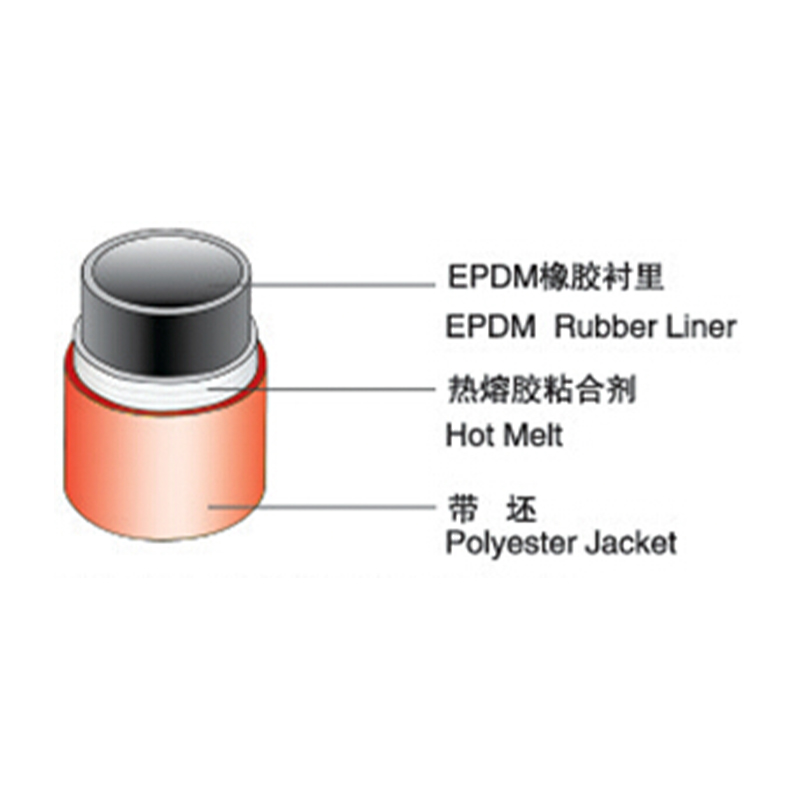
Two structural changes make this possible. High-tenacity polyester yarn is woven or spiraled between the inner tube and outer cover to distribute hoop stress evenly, and co-extruded multi-layer walls bond the reinforcement to the lining without delamination under impulse cycling. The result is a burst-to-working pressure ratio of 3:1 to 4:1, the margin most industrial and fire-service specifications require.
The weight advantage changes logistics and labor. A coiled 4-inch PVC layflat hose that weighs 30-50 percent less than rubber can be deployed by two people instead of four, and a truck carries more coils per load. These savings offset the slightly higher cost of a modern reinforced construction.
| Lining material | Working pressure | Weight vs rubber | Temperature range | Typical duty |
| PVC | 4-10 bar | 30-50% lighter | -15 to 60 °C | Irrigation, drainage |
| TPU | 6-15 bar | 20-30% lighter | -40 to 80 °C | Mining, abrasive slurry |
| EPDM | 6-12 bar | Similar to rubber | -30 to 110 °C | Hot water, chemicals |
| Natural rubber | 8-15 bar | Baseline | -20 to 70 °C | Firefighting, pumps |
For extreme cold and abrasive slurry duty, a TPU-lined layflat hose for high-pressure mining and industrial service extends the operating window beyond the reach of PVC, while rubber-lined constructions remain the benchmark for firefighting and high-pressure pump work.
 Wholesale TPU Layflat Hose - Heavy Duty, Lightweight, Durable Water Hose for IrrTaizhou Jun an Fire Technology Co., Ltd Is Wholesale TPU Layflat Hose - Heavy Duty, Lightweight, Durable Water Hose for Irrigation Suppli...View Product →
Choose PVC when
- cost per meter drives the bid
- duty is water transfer below 10 bar
- ambient temperatures stay above -15 °C
- fleet weight and handling time matter
Choose TPU or rubber when
- abrasive slurry is pumped daily
- extreme cold demands low-temperature flexibility
- the hose stays outdoors for years
- hot water or chemical contact is routine
Specification rule: verify the burst ratio, not only the working pressure. A hose rated at 10 bar with a 3.5:1 burst margin is safer for mining dewatering than a 12 bar hose with a 2.5:1 margin, because impulse spikes and coupling stress shorten life when the safety factor is thin.
Circular-Economy Rules Reshape PVC Hose Procurement
REACH, RoHS, and end-of-life requirements are now material gatekeepers for PVC hose pipe exports to Germany, Denmark, and the wider European market.
European buyers request compliance documentation before they ask for a price. Non-phthalate plasticizers, heavy-metal-free stabilizers, and a documented recycling pathway are becoming standard tender conditions. Producers that cannot demonstrate compliance lose access to the most consistent demand in the market: public infrastructure and water management projects.
The recycling picture is improving. Mono-material PVC hose constructions, where lining, reinforcement, and cover all feed the same PVC recycling stream, are easier to process than mixed-material composites. Recycled PVC content is rising in non-pressure agricultural duty, and take-back programs let distributors return end-of-life hose for material recovery.
Projected adoption of key technologies in new PVC hose specifications by 2030
Illustrative estimates based on 2026 procurement trend analysis.
By 2030, a PVC hose without a documented sustainability profile will be a commodity product with shrinking European demand.
Procurement teams should add three questions to every request for quotation: Which plasticizer and stabilizer system does the hose use? What recycled content is available? Is the construction designed for recycling at end-of-life? The comprehensive PVC layflat hose guide on uses, comparisons, and maintenance explains how these factors interact with real operating cost.
Interoperable Couplings Decide Whether New Hose Technology Reaches the Field
Standardized coupling systems determine how quickly PVC hose pipe technology is adopted, because a hose that does not connect to existing infrastructure is not purchased.
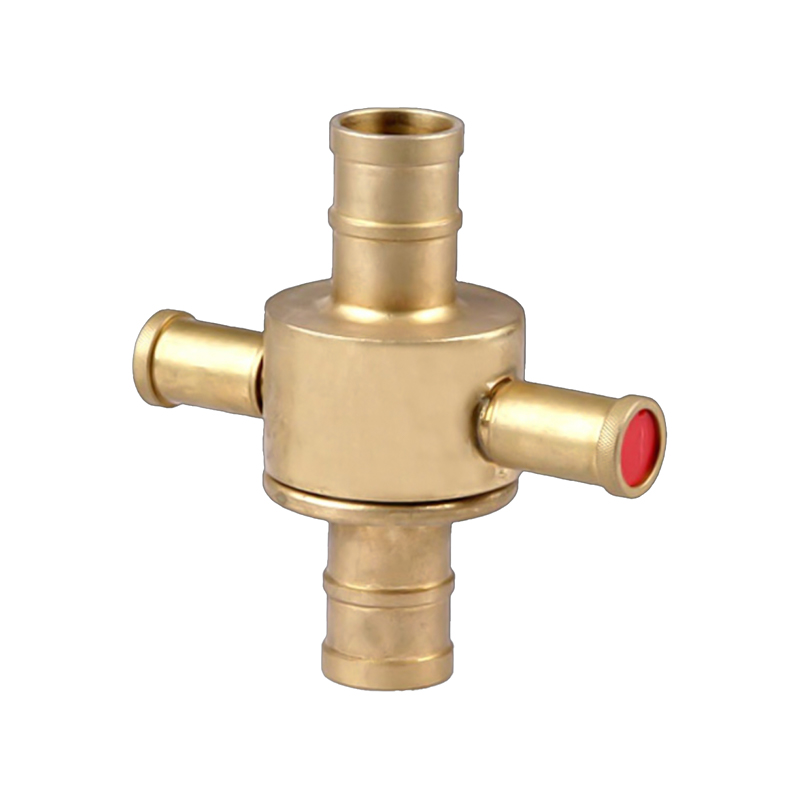
Storz couplings dominate mining dewatering and German fire service; camlock dominates industrial transfer; and national systems such as British instantaneous, Italian, GOST, and American connections remain mandatory for municipal fire fleets in their regions. A manufacturer that produces to multiple standards can ship the same hose platform to different markets without redesigning the product.
Test the coupling interface as hard as the tube. A locked Storz connection with gasket compression matched to the hose bore prevents the pressure loss and turbulence that silently reduce pumping efficiency across long dewatering lines.
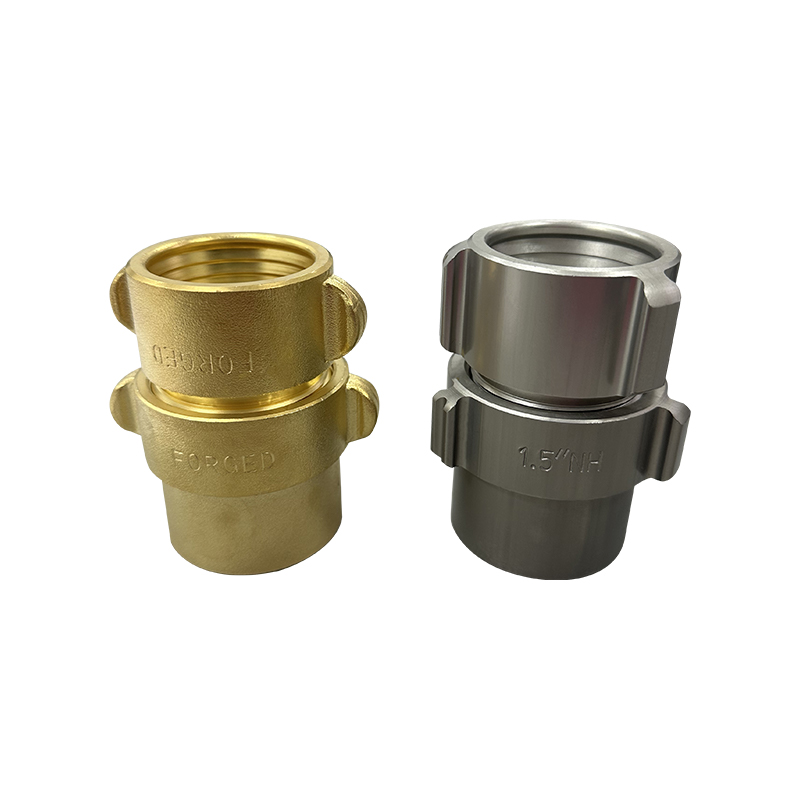
- verify that the coupling material matches the fluid: anodized aluminum for water, brass for aggressive media, stainless steel where washdown chemistry varies
- confirm the coupling bore matches the hose diameter to avoid flow restriction at the joint
- request the same coupling standard on both ends unless the layout requires a reducer
- ask for leak-test data at working pressure before buying in volume
A Storz or camlock connection tested to the hose working pressure is the difference between a reliable dewatering string and a field of leaking joints.
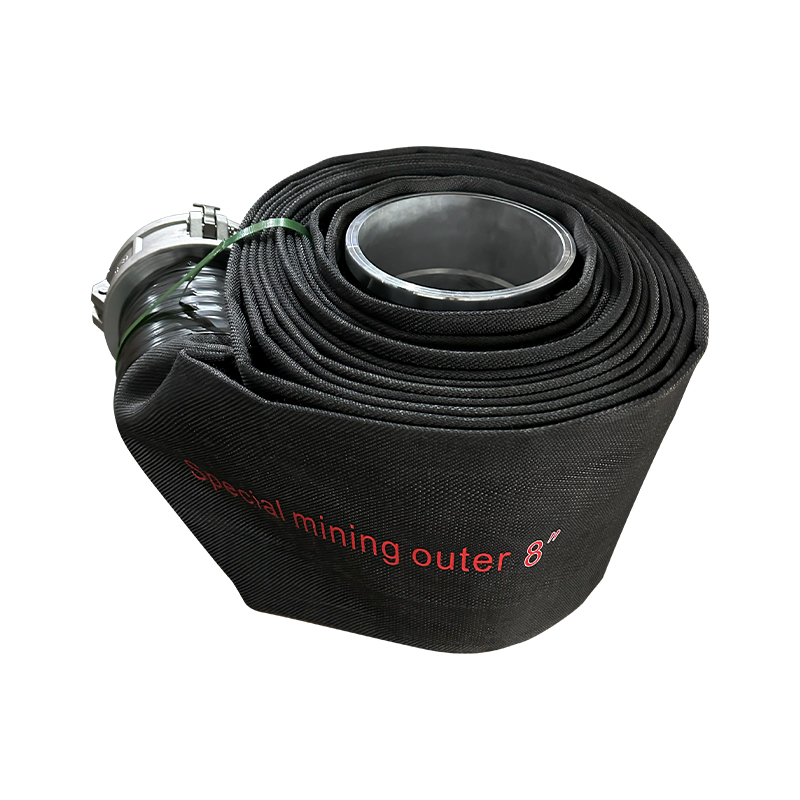
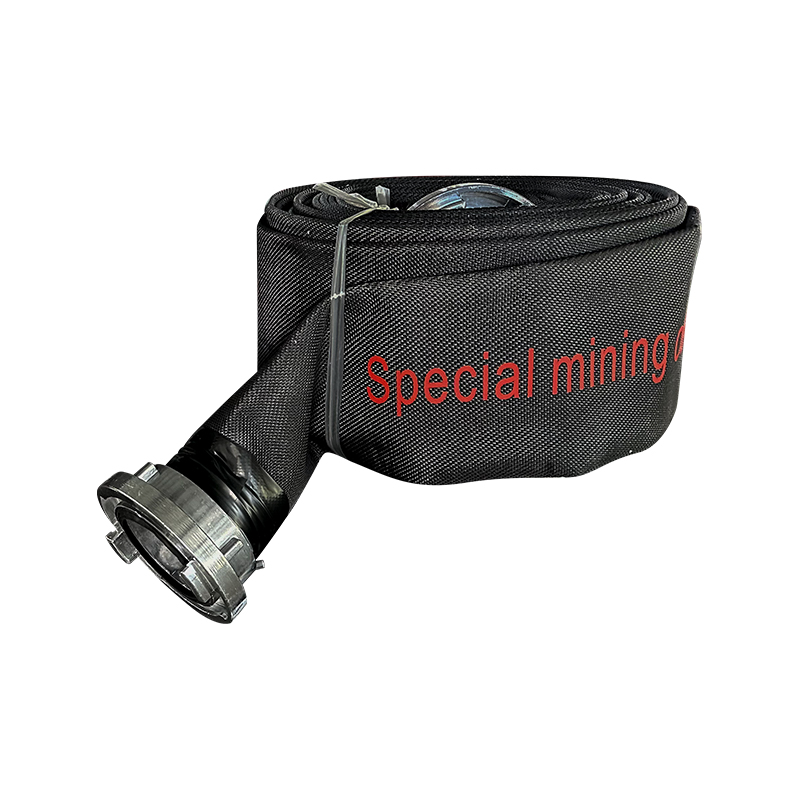
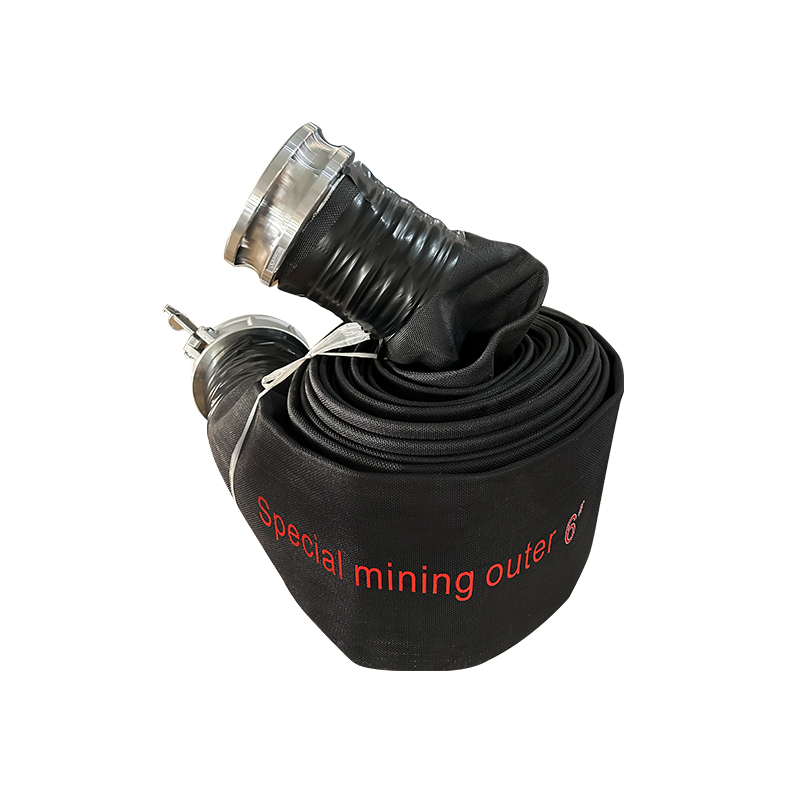
Mining operators expanding dewatering capacity should inspect the special mining outer dewatering hose selection guide and pair heavy-duty hose with a proven Storz coupling system rated for high-pressure layflat hose to protect the full pipeline.
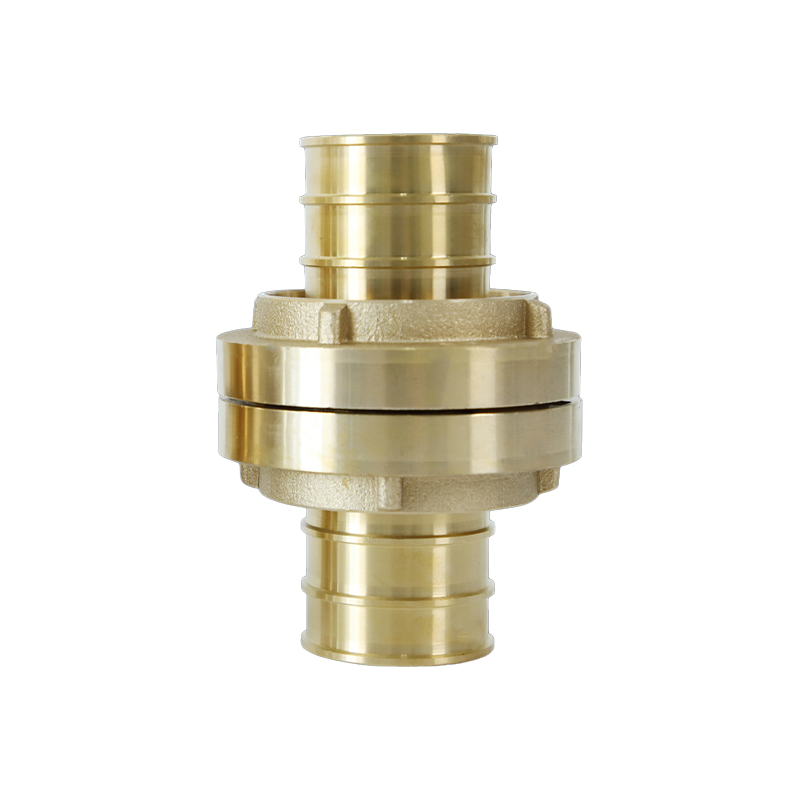 Wholesale Storz Couplings Fire Hose Connector Quick Release Camlock Fittings IndTaizhou Jun an Fire Technology Co., Ltd Is Wholesale Storz Couplings Fire Hose Connector Quick Release Camlock Fittings Industrial Suppli...View Product →
PVC Hose Pipe Technology Questions Buyers Ask
These four questions cover the decisions that most procurement teams raise when they evaluate future-proof PVC hose.
Will PVC hose pipe replace rubber hose in fire service?
No. Rubber and TPU-lined constructions remain stronger in high-temperature, high-pressure, and severe abrasion service. PVC hose pipe excels in light-to-medium duty water transfer, irrigation, drainage, and cost-sensitive industrial work, and it continues to gain share there.
What is the biggest weakness of PVC hose technology today?
UV exposure and low-temperature limits remain the two weaknesses. Modern non-phthalate compounds with UV absorbers perform far better than older PVC, but outdoor installations still need stabilized grades, and continuous service below -15 °C calls for TPU or rubber.
How do smart hoses change maintenance workflows?
RFID and sensor-equipped hoses log pressure cycles, deployment time, and inspection dates on each asset. Maintenance shifts from calendar-based replacement to condition-based decisions, which cuts downtime and reduces the risk of line failure in mining and firefighting operations.
Are PVC layflat hoses recyclable?
Yes, PVC is technically recyclable, but feasibility depends on the plasticizer system and contamination level. Non-phthalate compounds and mono-material constructions are markedly easier to recycle, which is why compound choice is becoming a purchasing criterion rather than a technical detail.
Bottom line: PVC hose pipe technology will keep growing in irrigation and light industrial transfer, TPU and rubber will hold the extreme duties, and compound compliance plus smart traceability will decide which suppliers win tenders in Europe and North America.